Charles Carmel 1865 - 1931
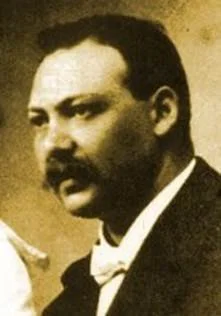
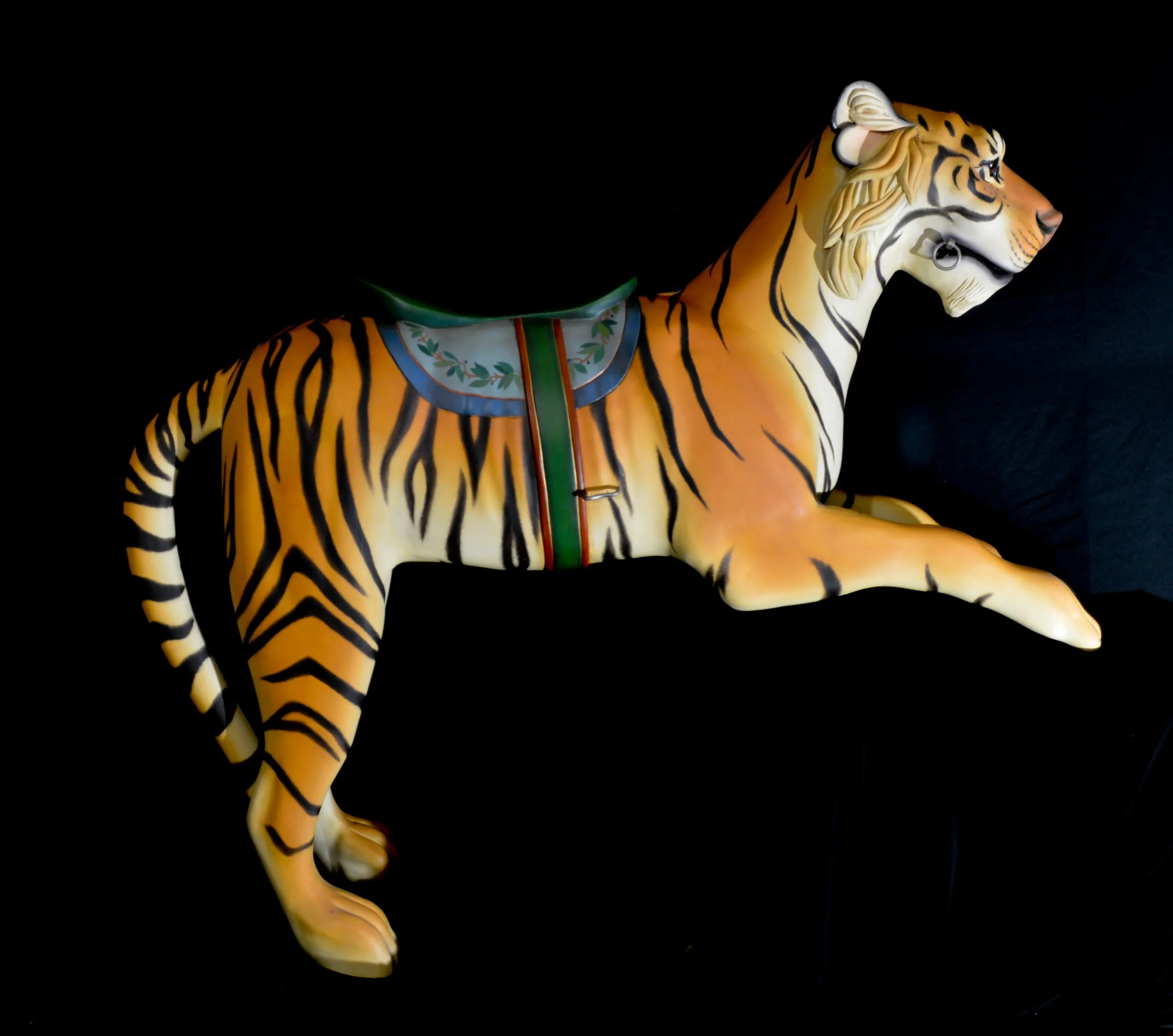
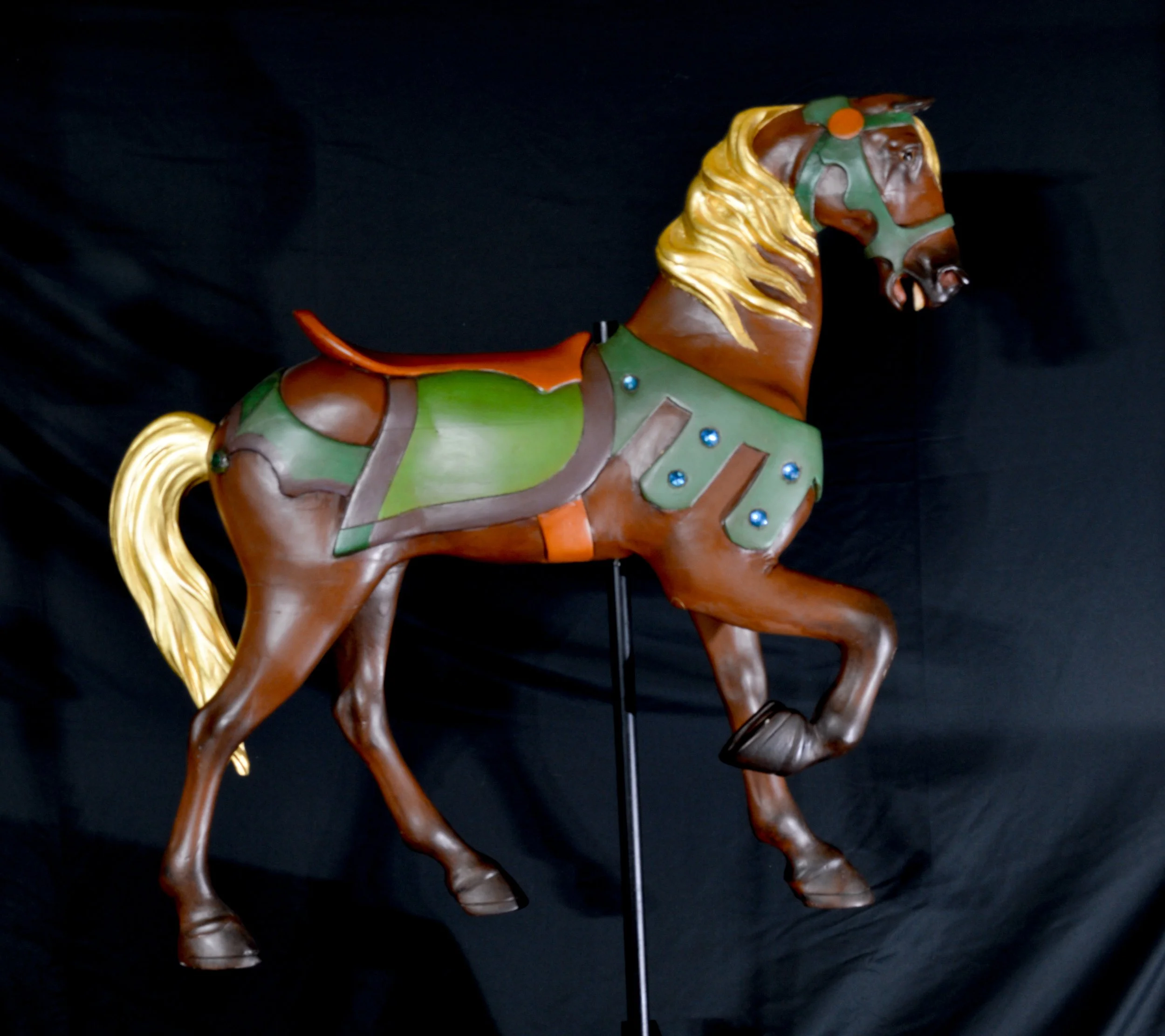
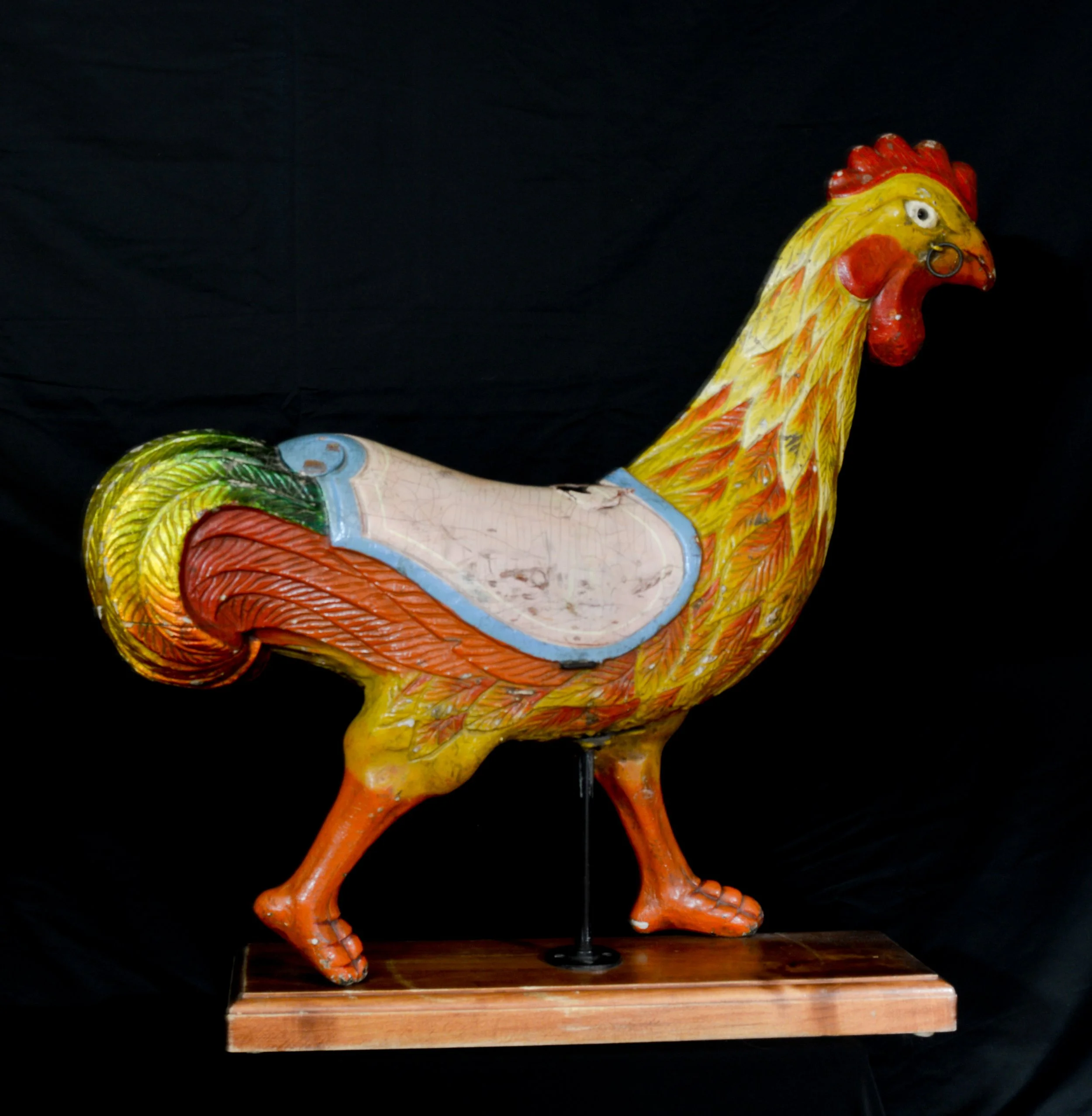
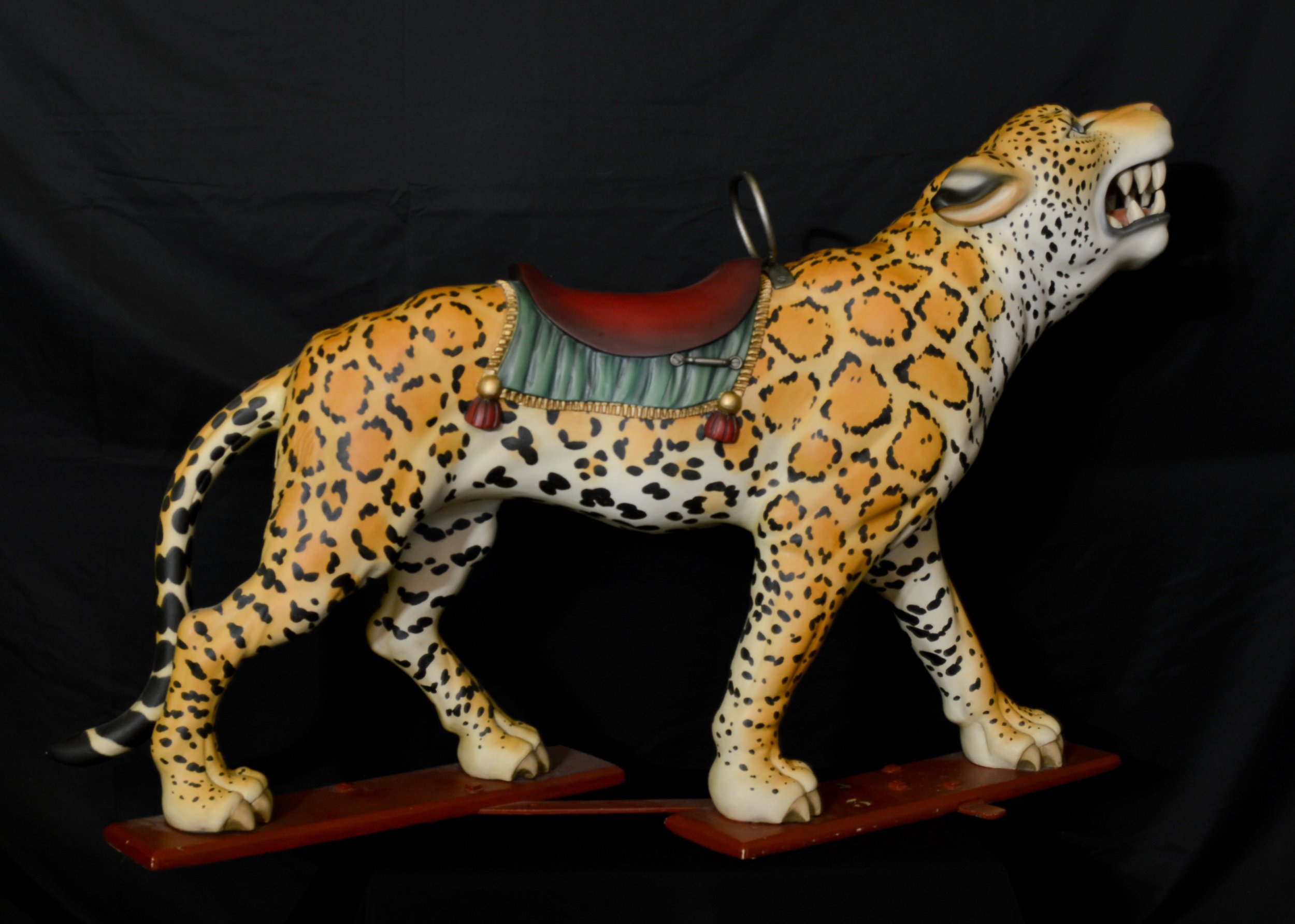
Carmel was born in Russia in 1865 and trained in woodcarving as a young man, steeped in the Eastern European Jewish tradition of intricately carved wooden Torah arks. He fled antisemitism and arrived in the United States in 1883 at age 18, settling in Brooklyn, where his carving skills translated directly into the booming carousel trade. He worked first at Charles Looff's Coney Island shop — where he met fellow immigrant and future peer Marcus Illions — then for Stein and Goldstein, before opening his own carving facility at 202 Ocean Parkway in Brooklyn in 1905. Carving independently until around 1920, he sold figures to nearly every major carousel frame manufacturer of the period, including William Mangels, the Philadelphia Toboggan Company, and others. He is considered possibly the most prolific of the known carvers from the era. Medium + 3
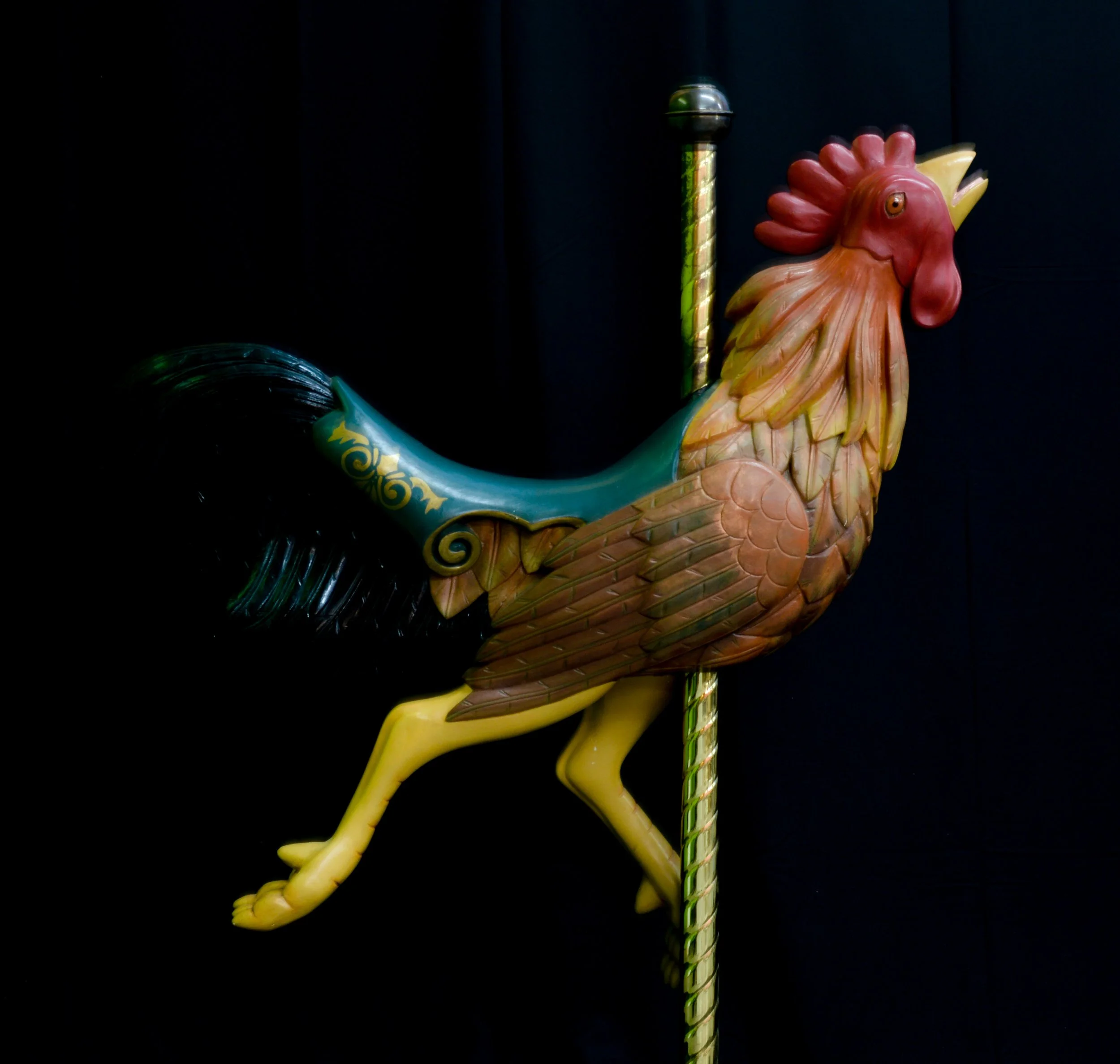
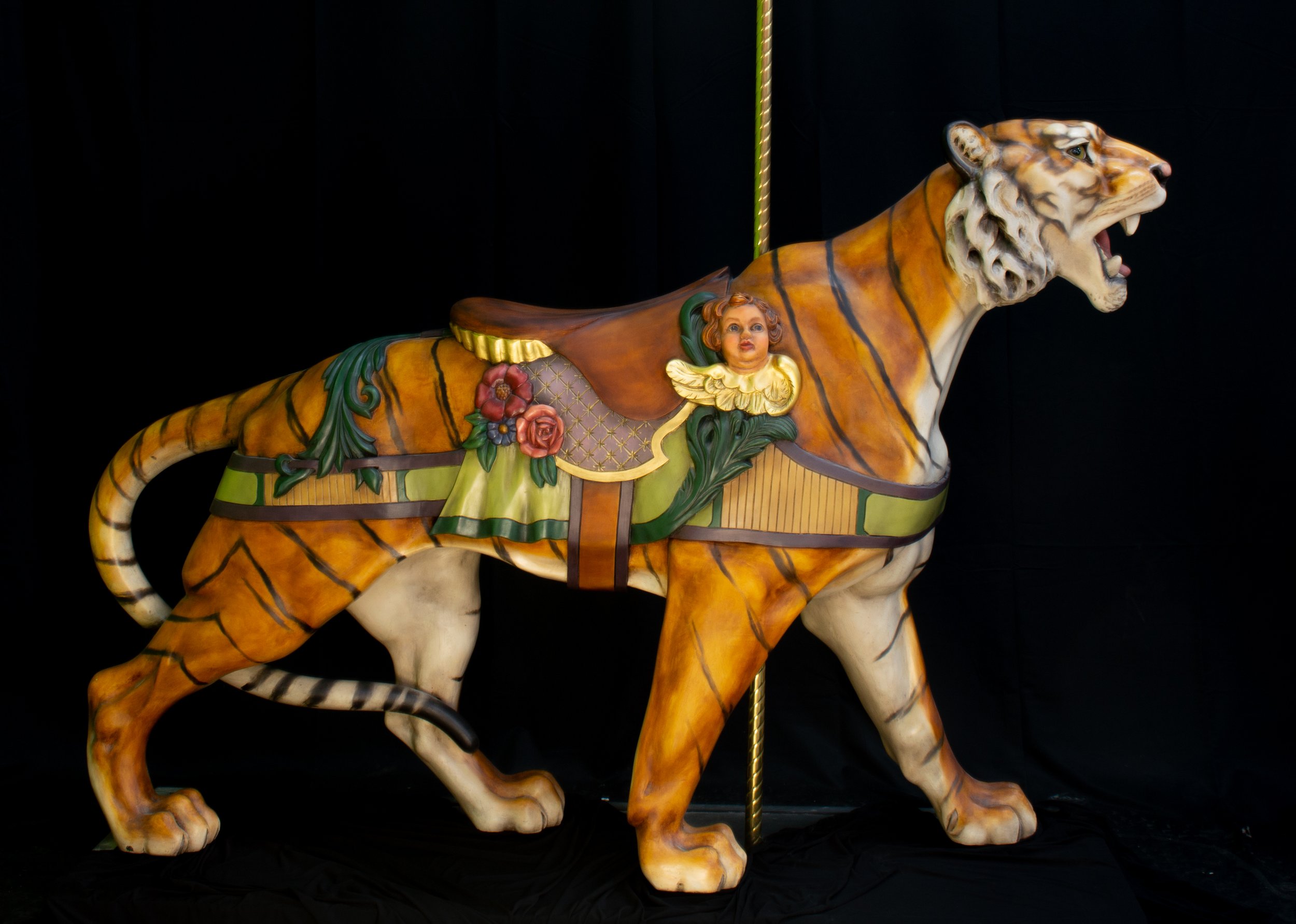
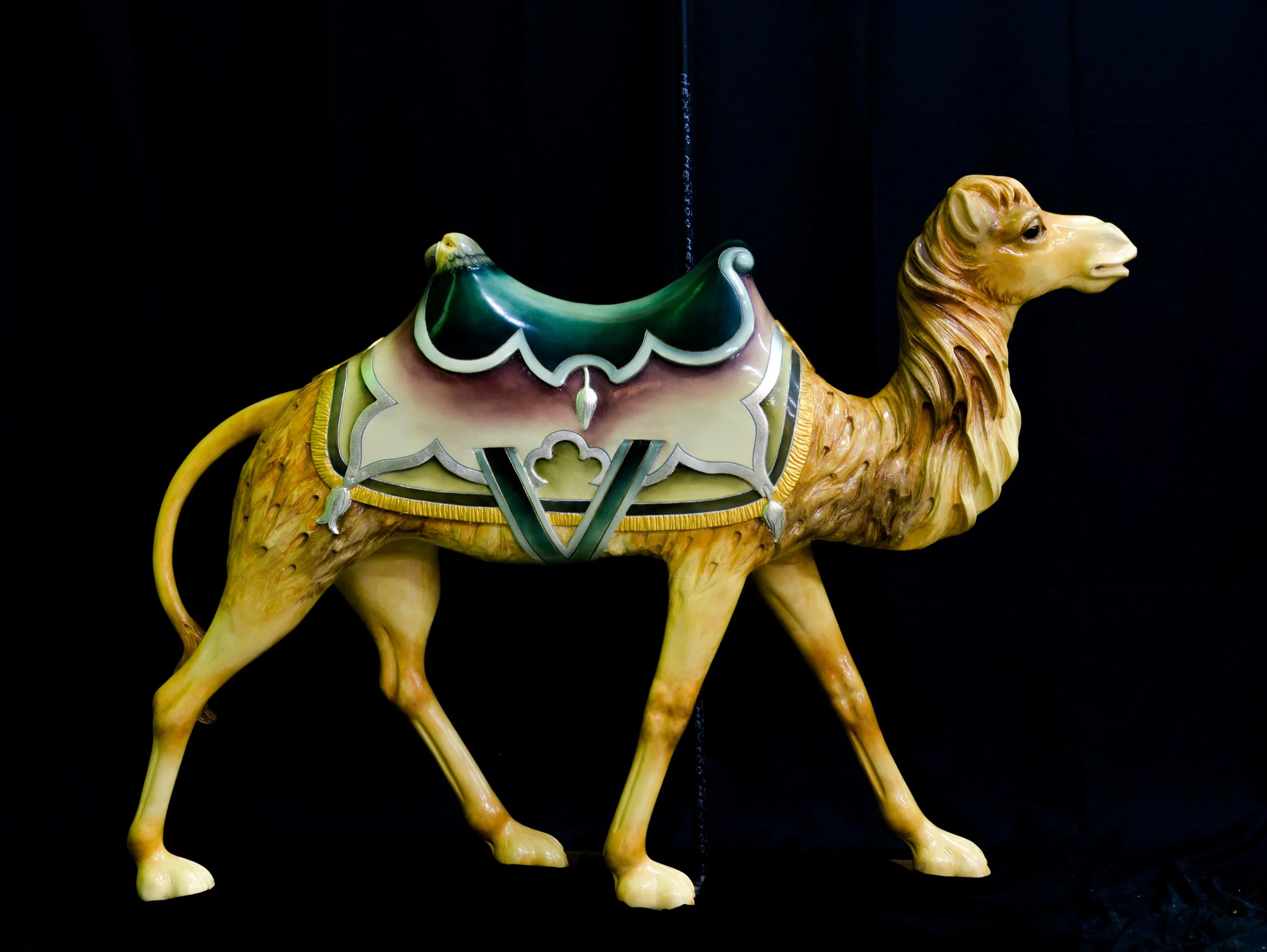
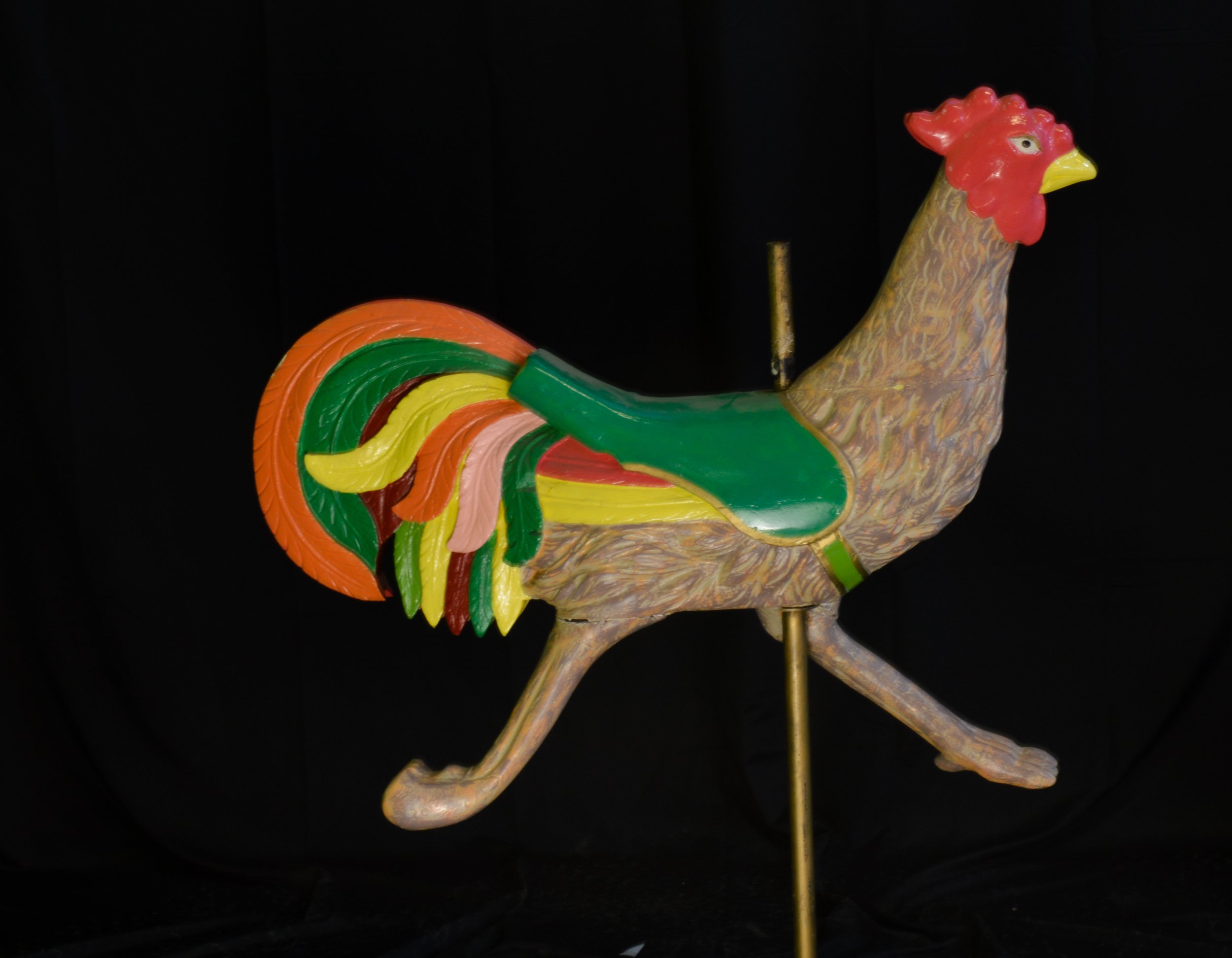
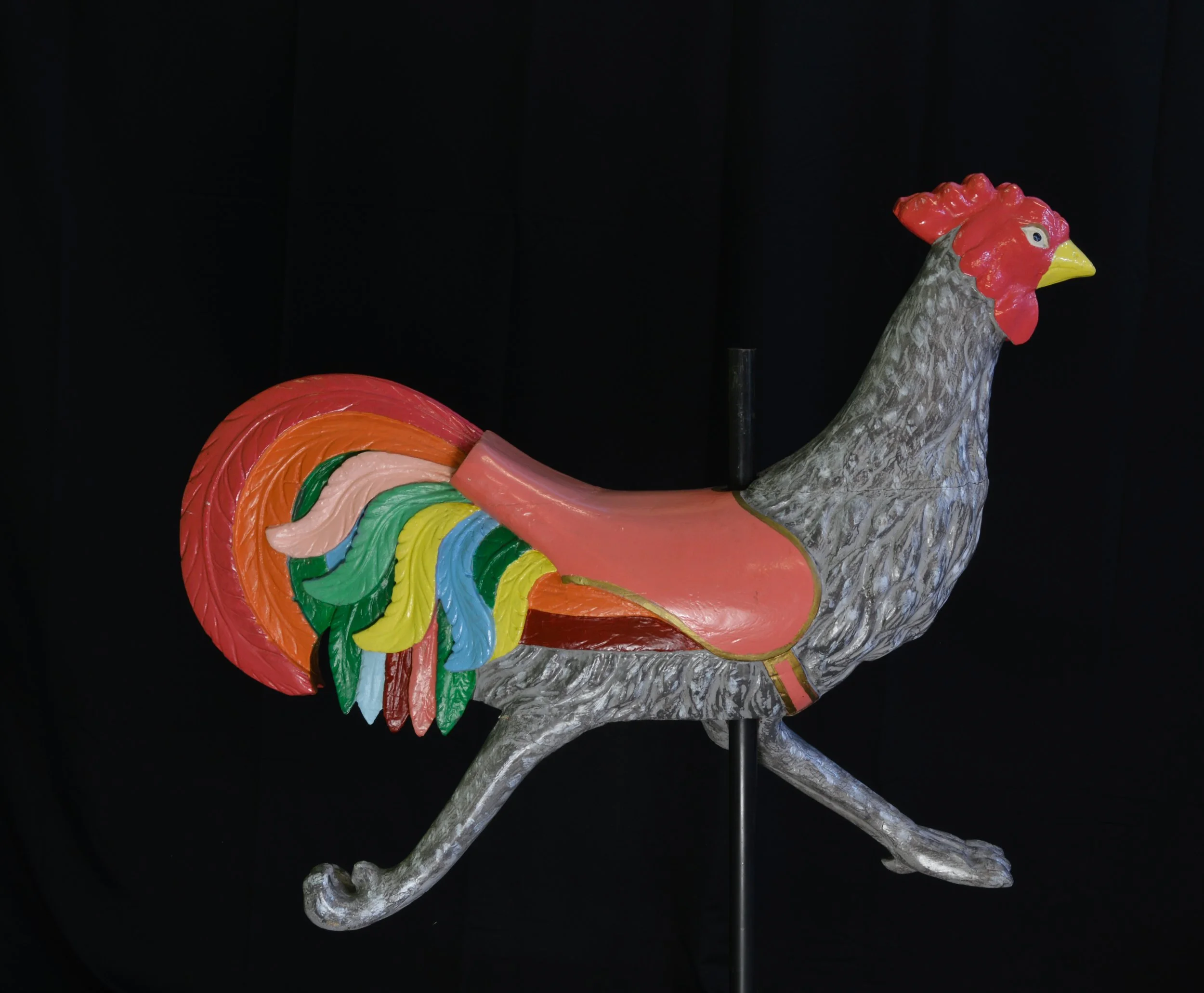
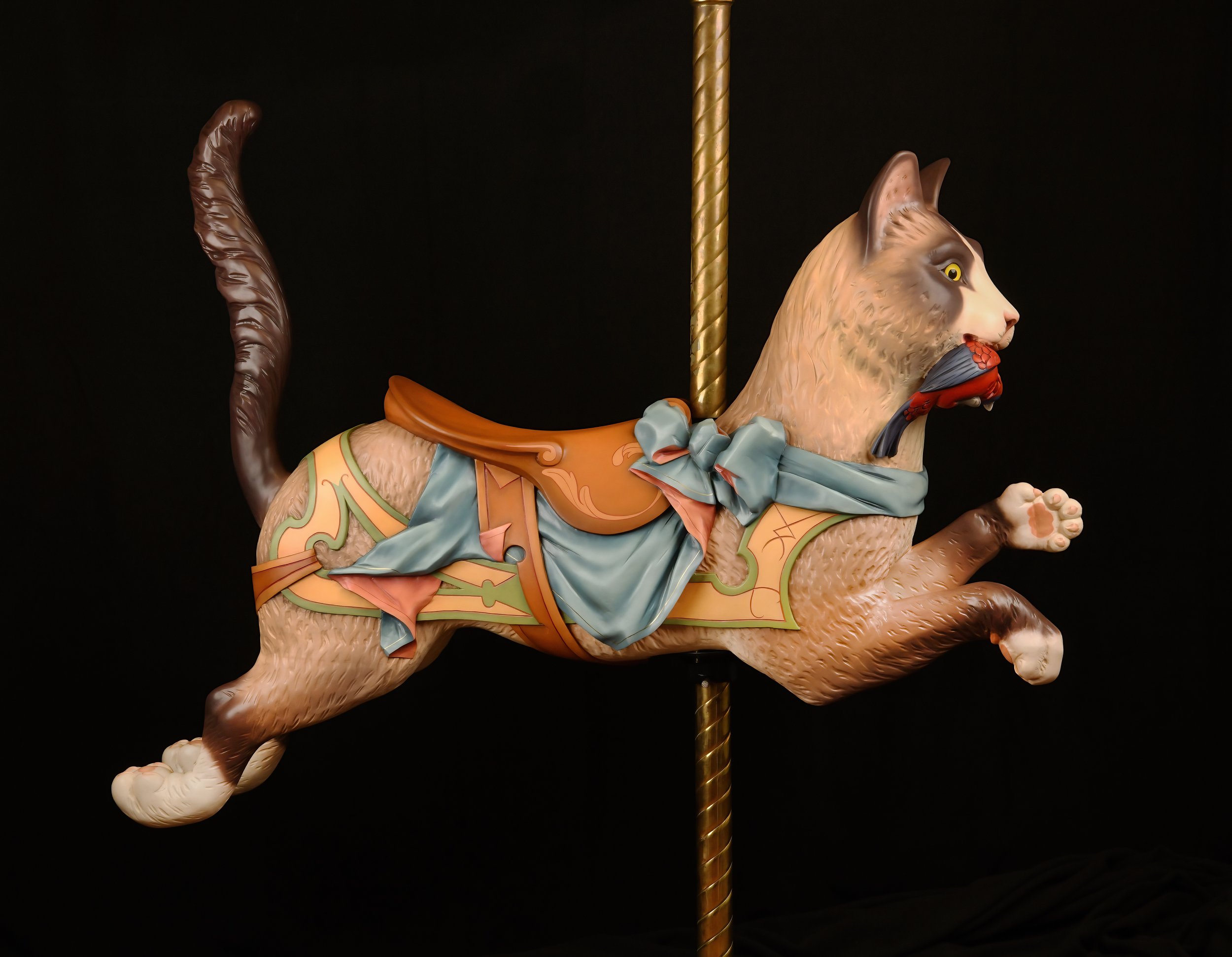
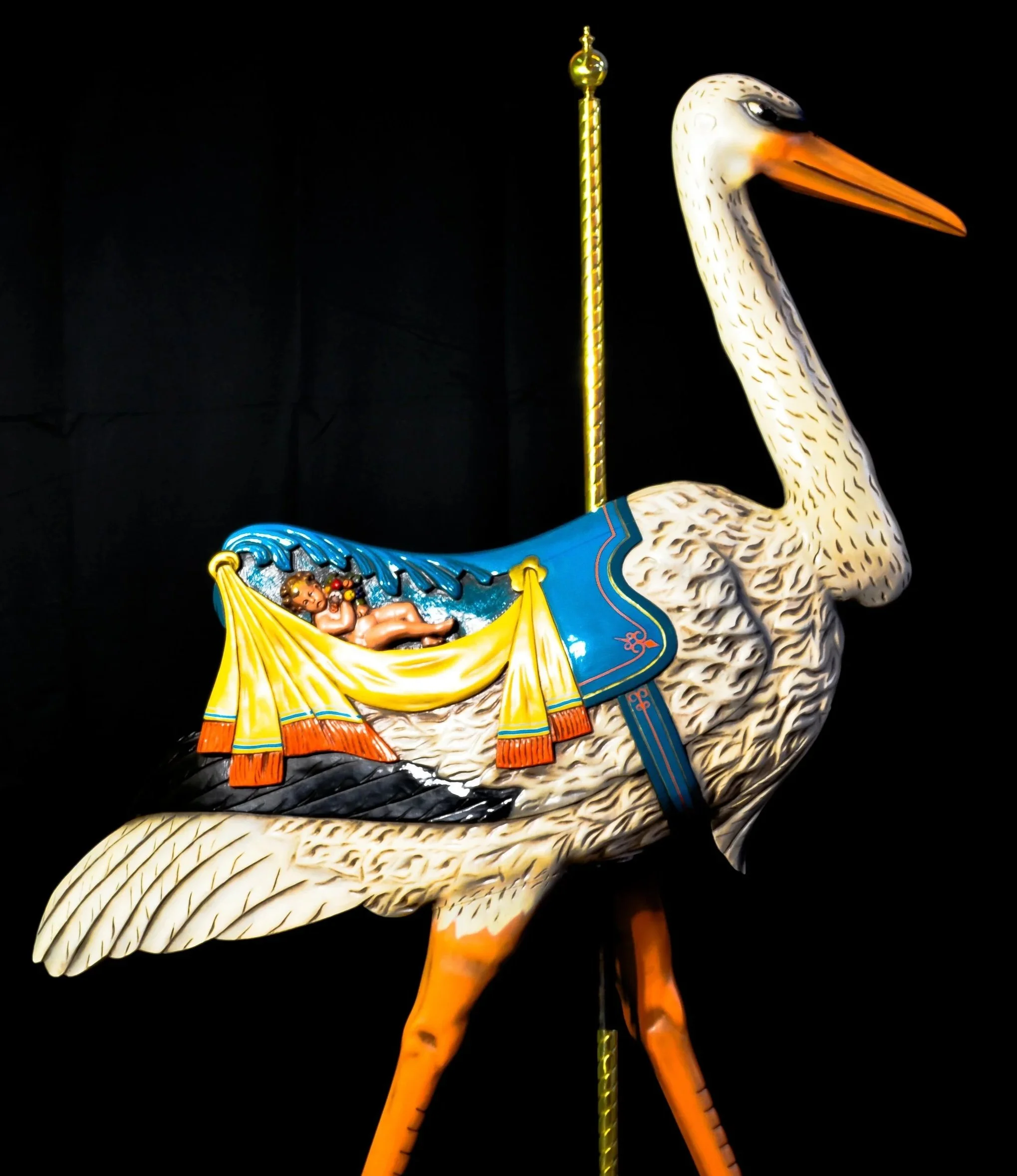
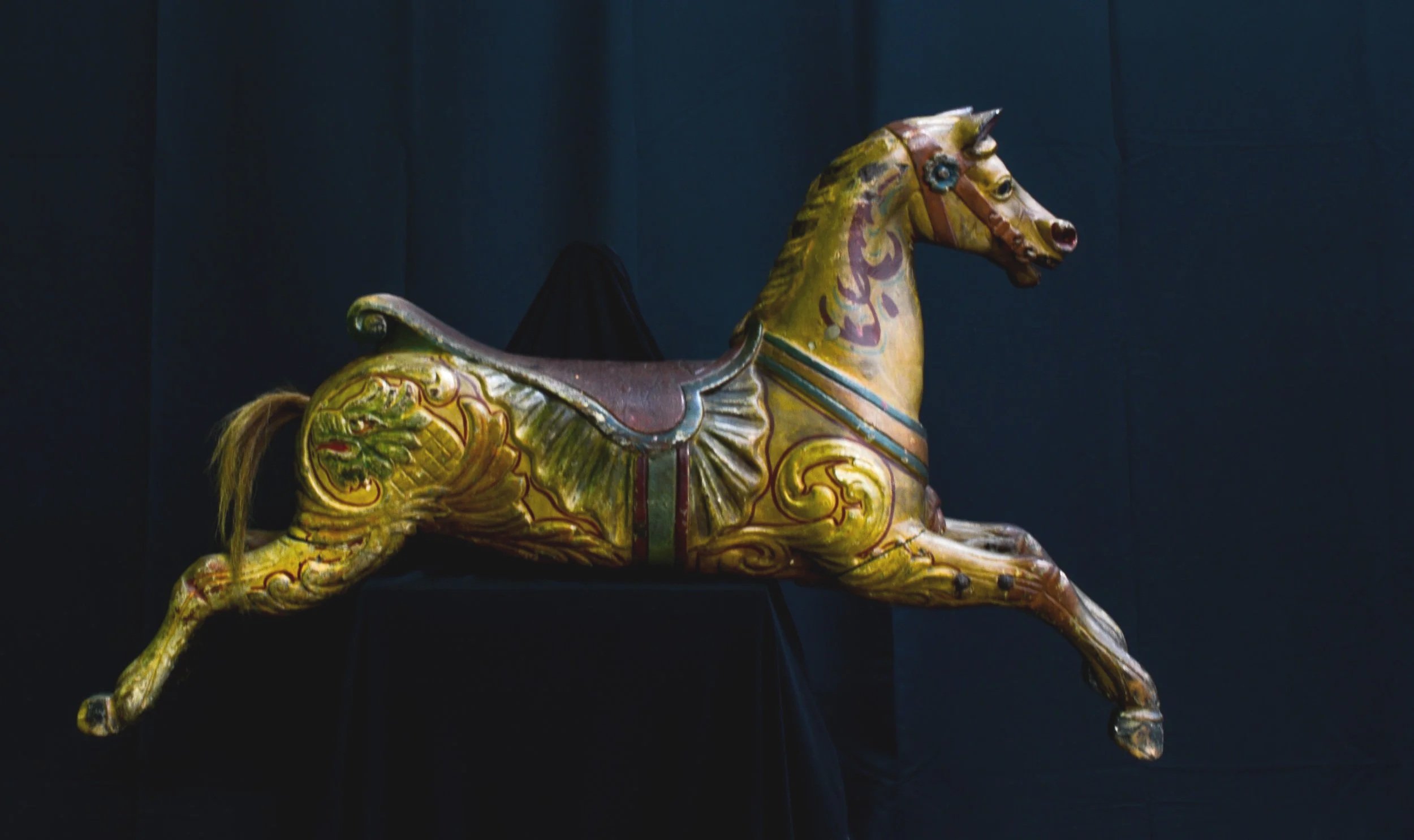
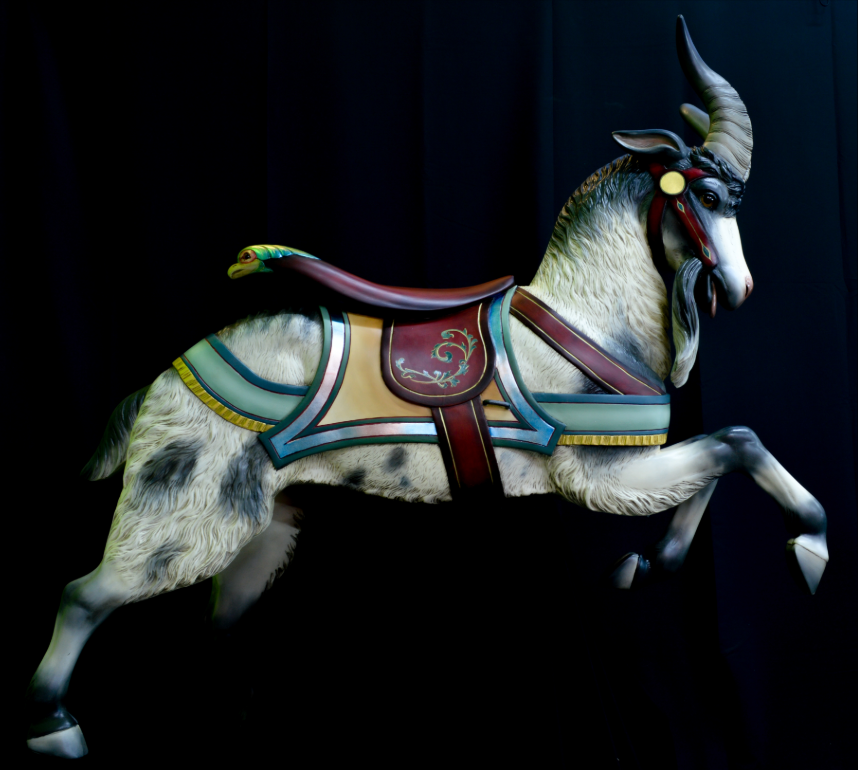
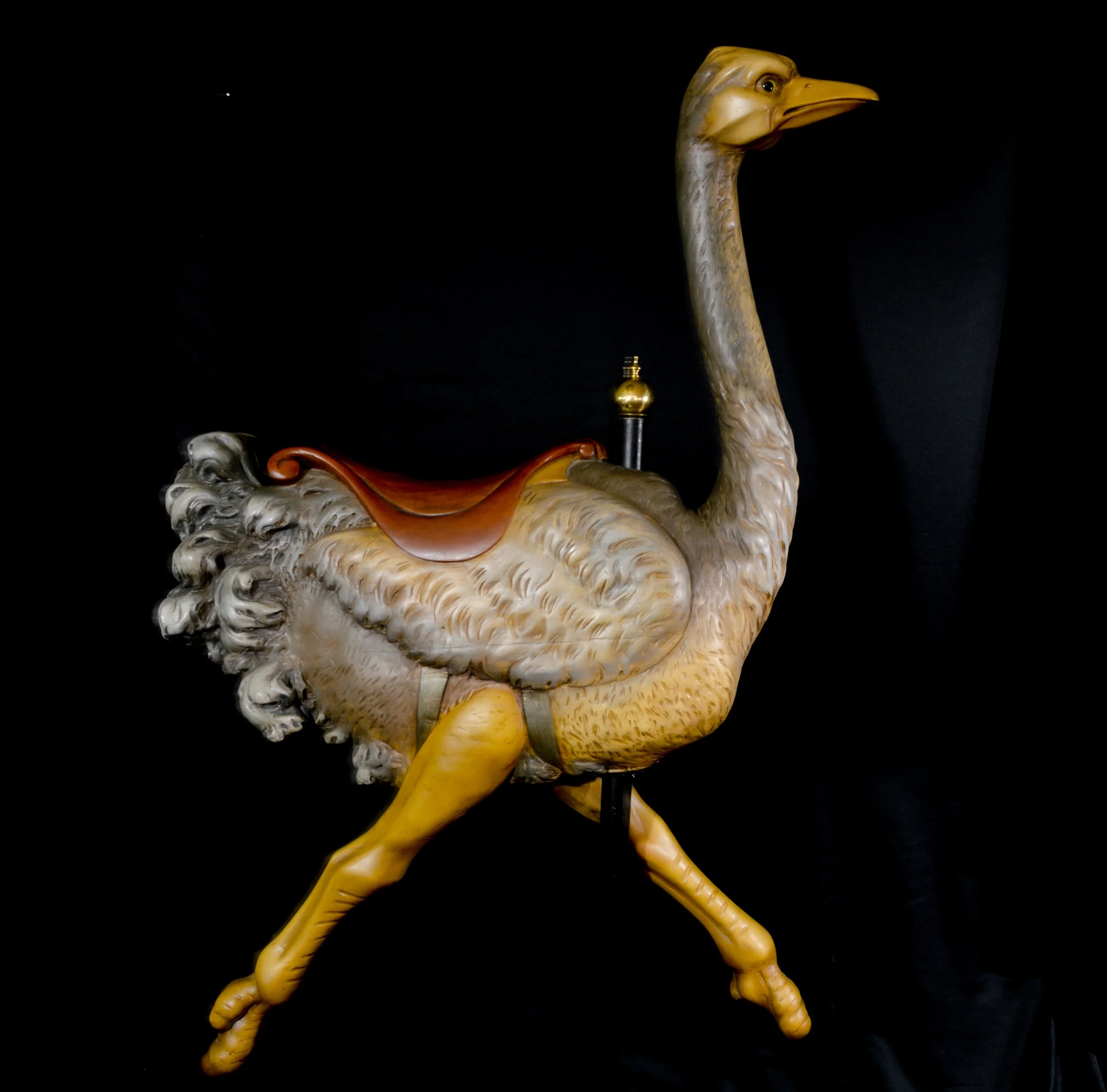
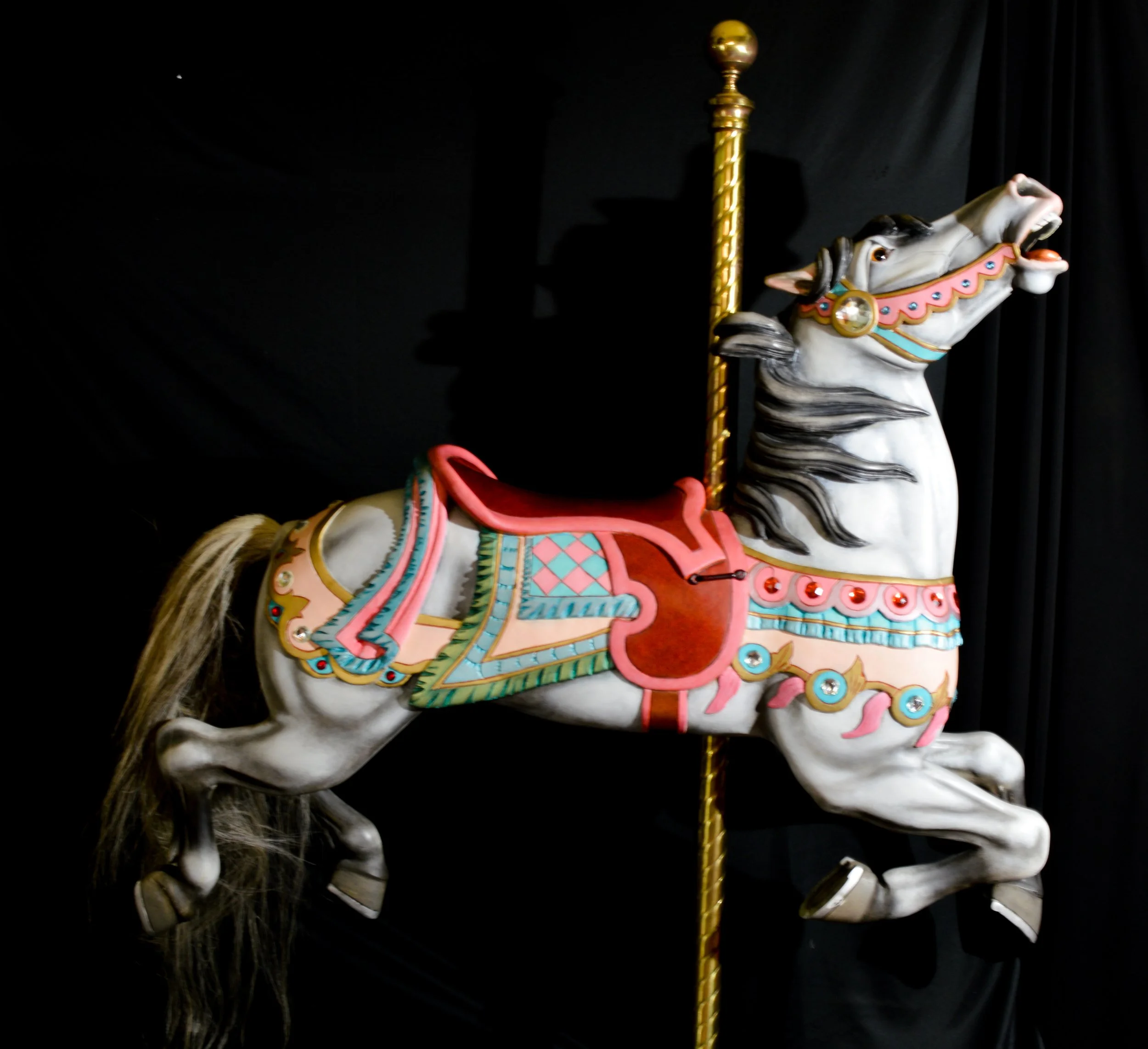
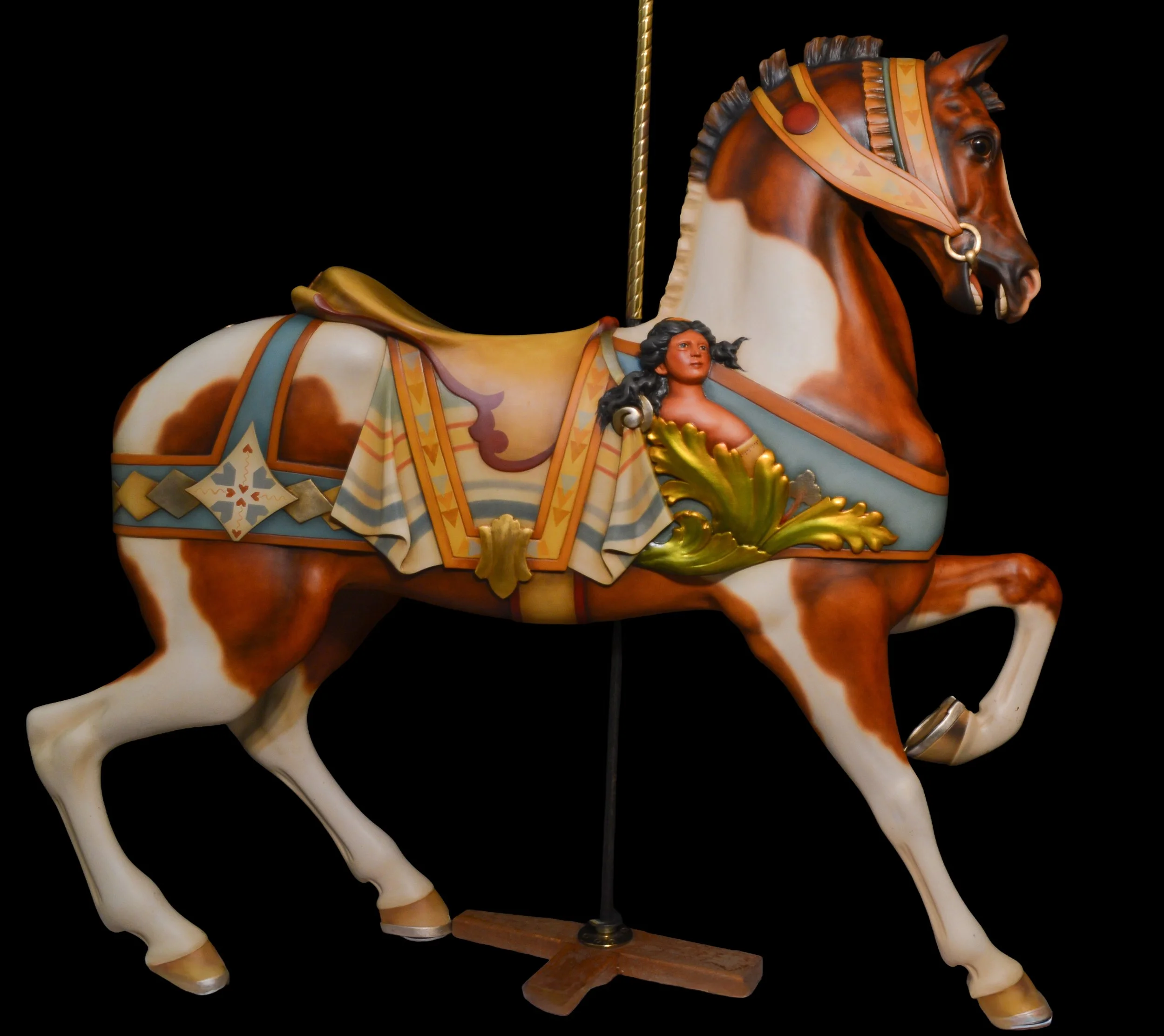
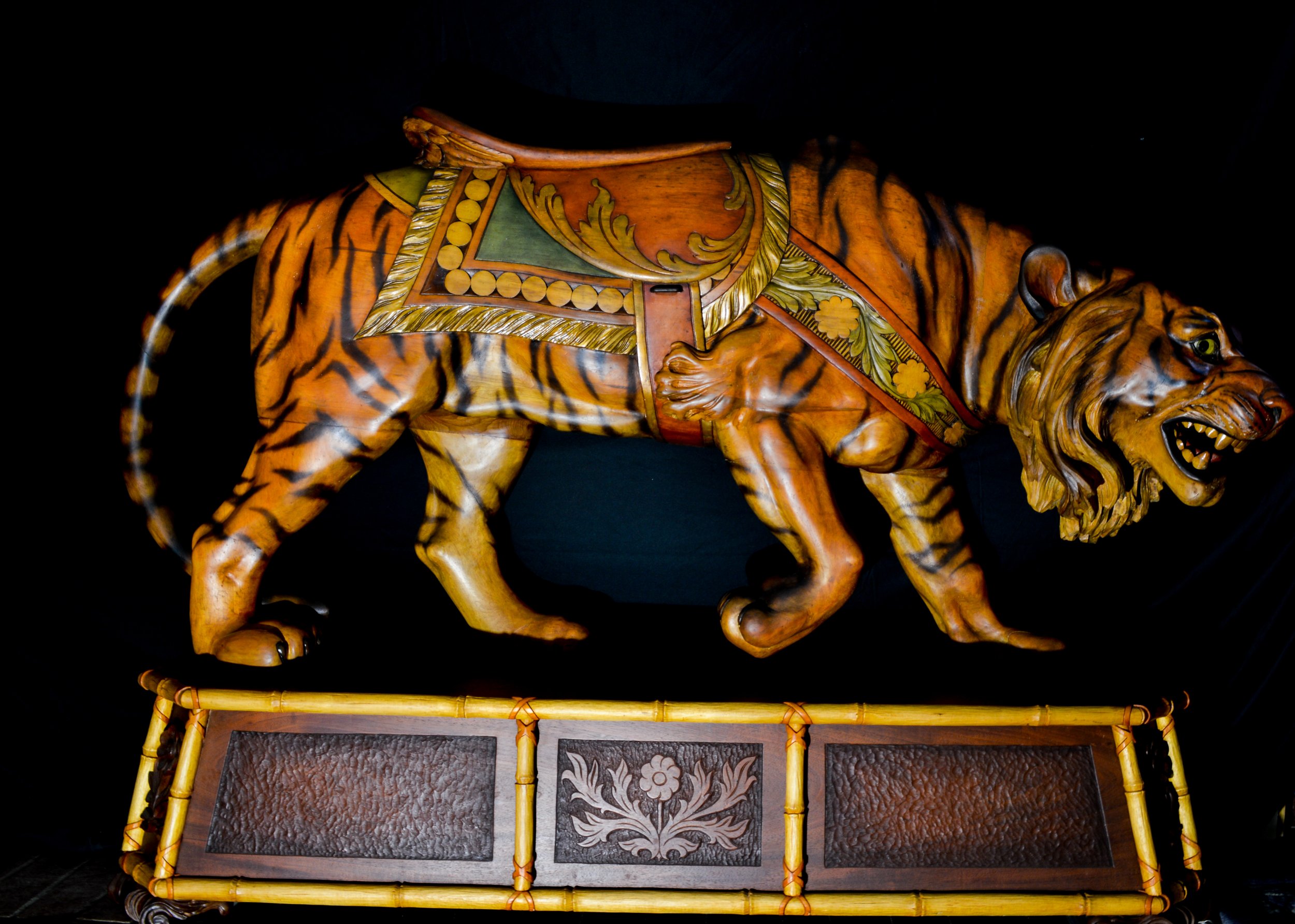
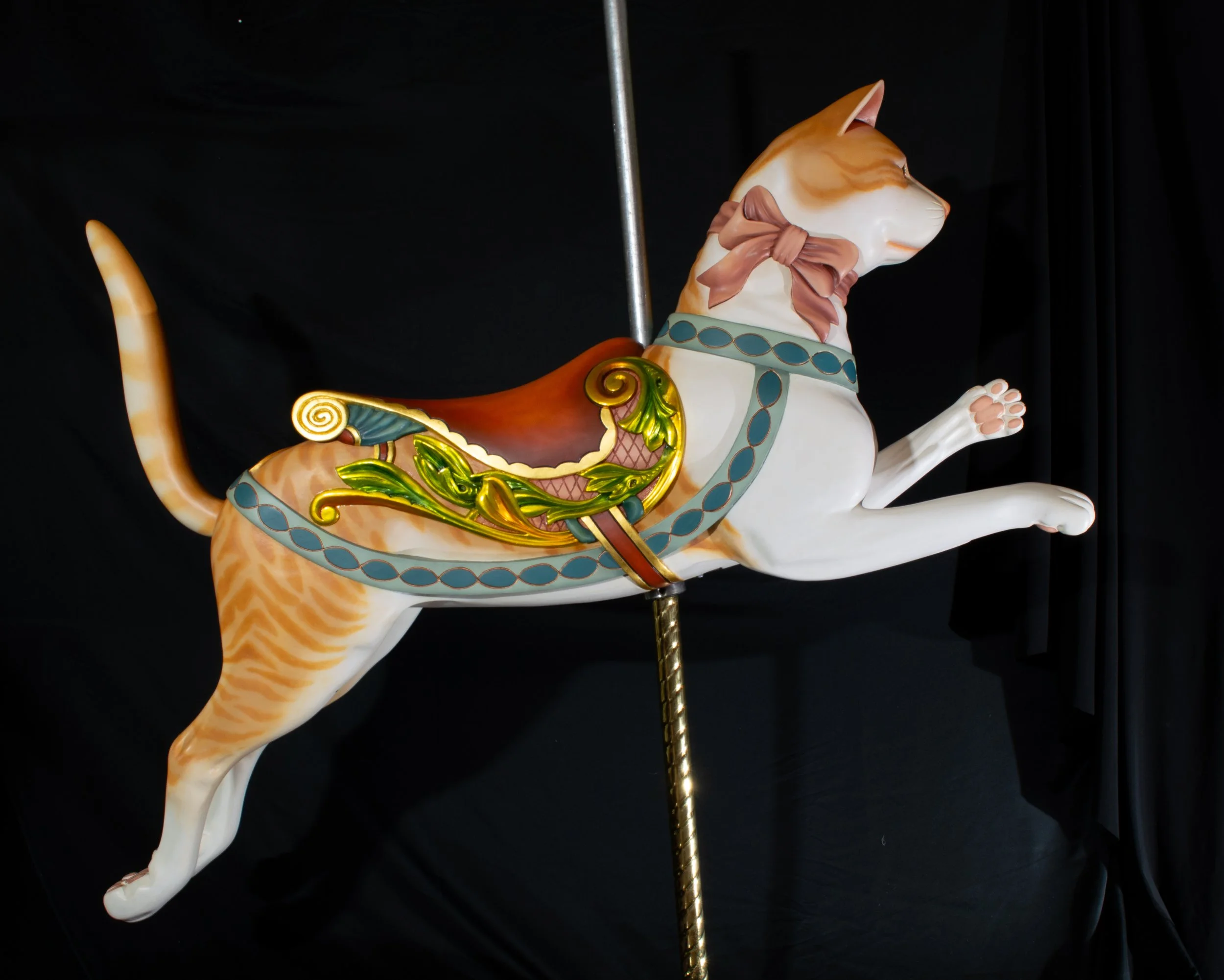
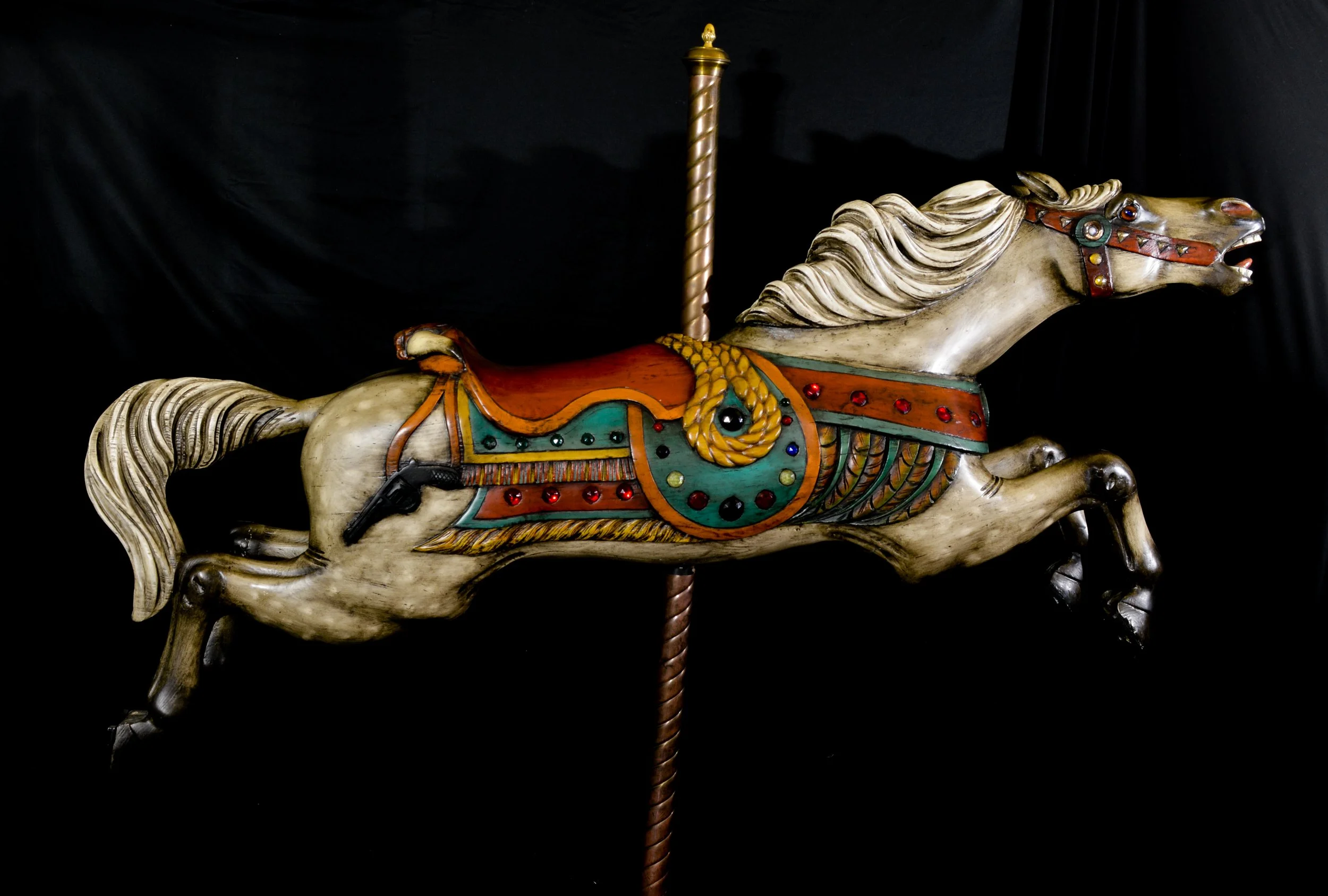
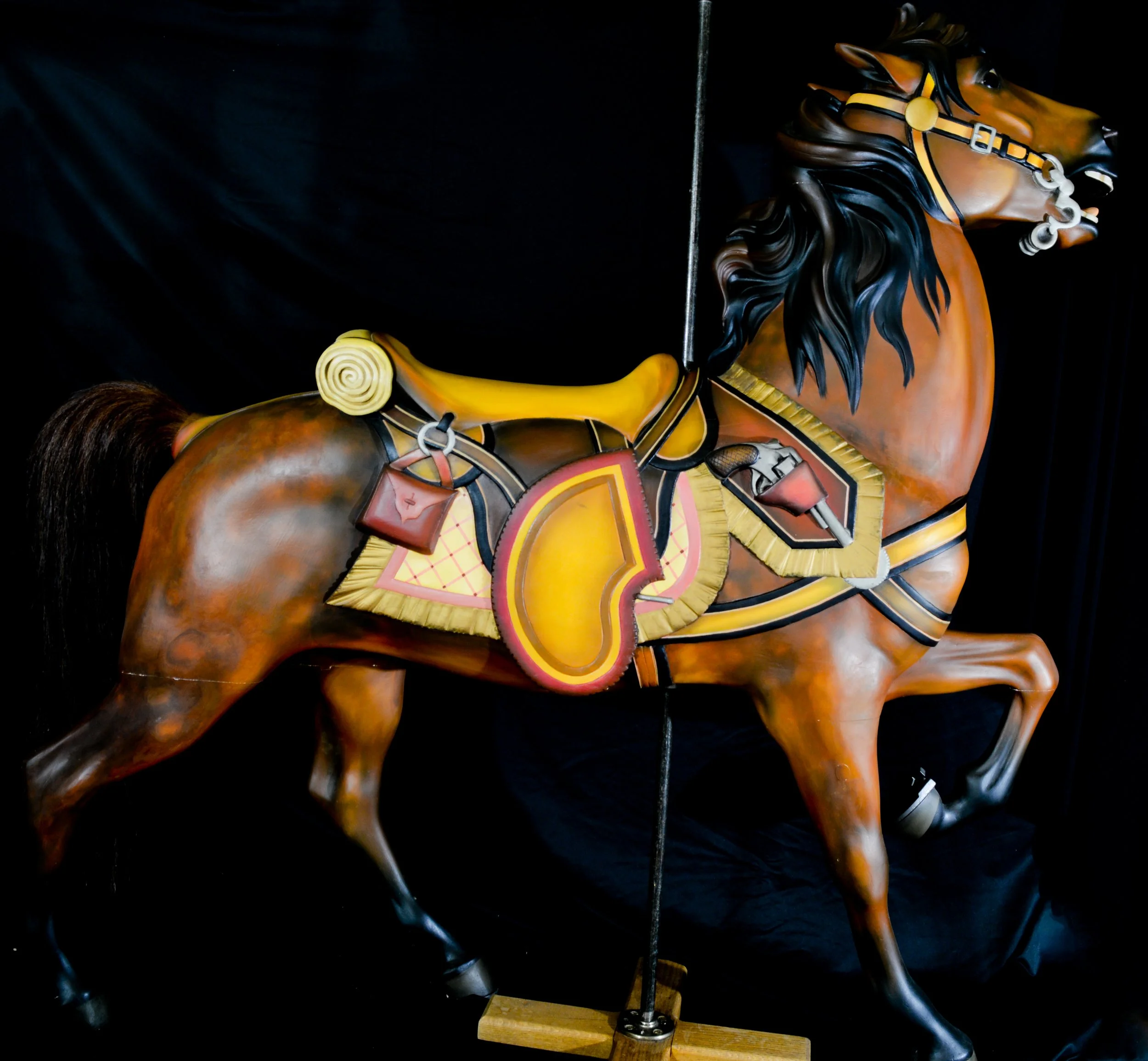
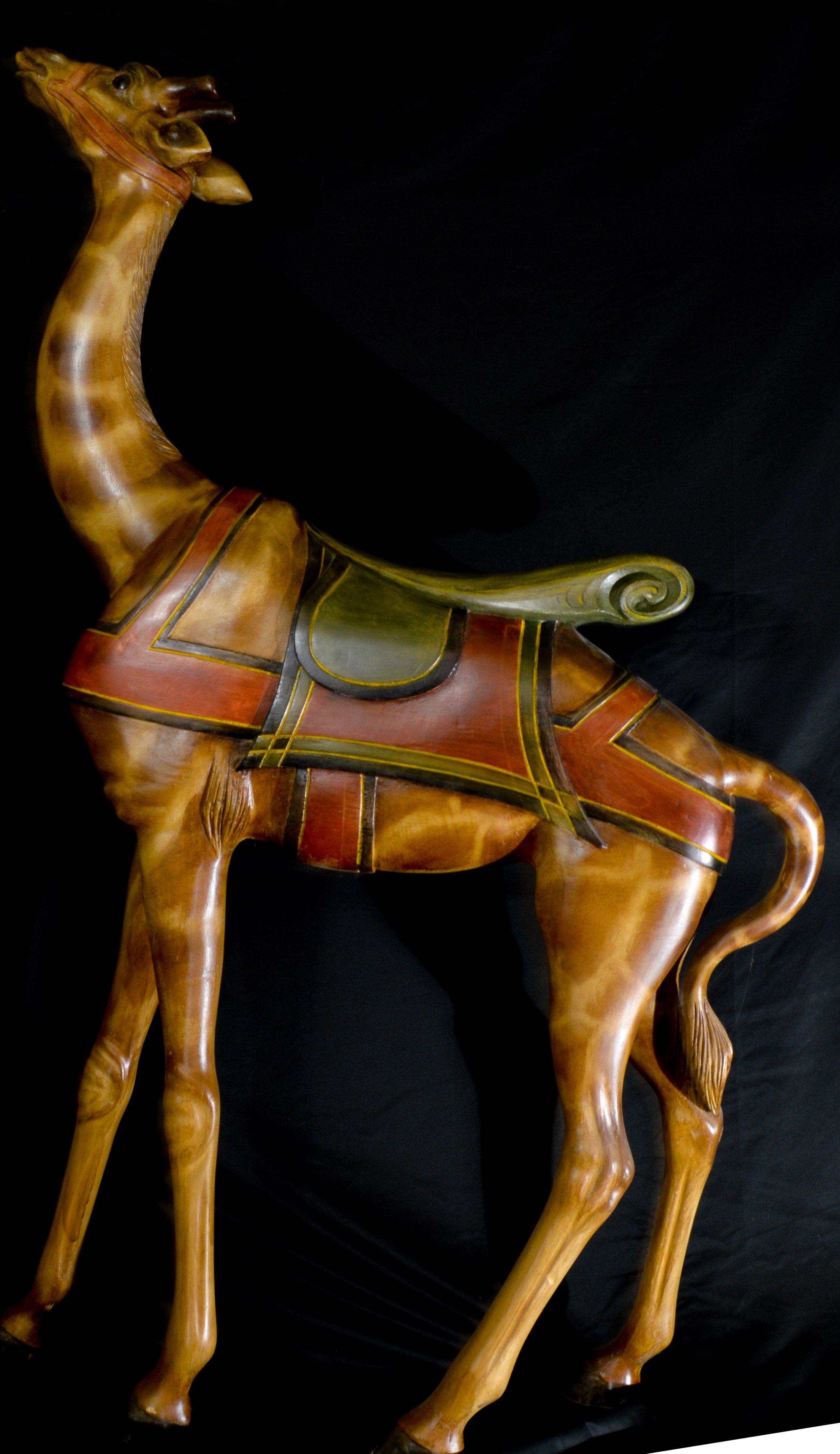
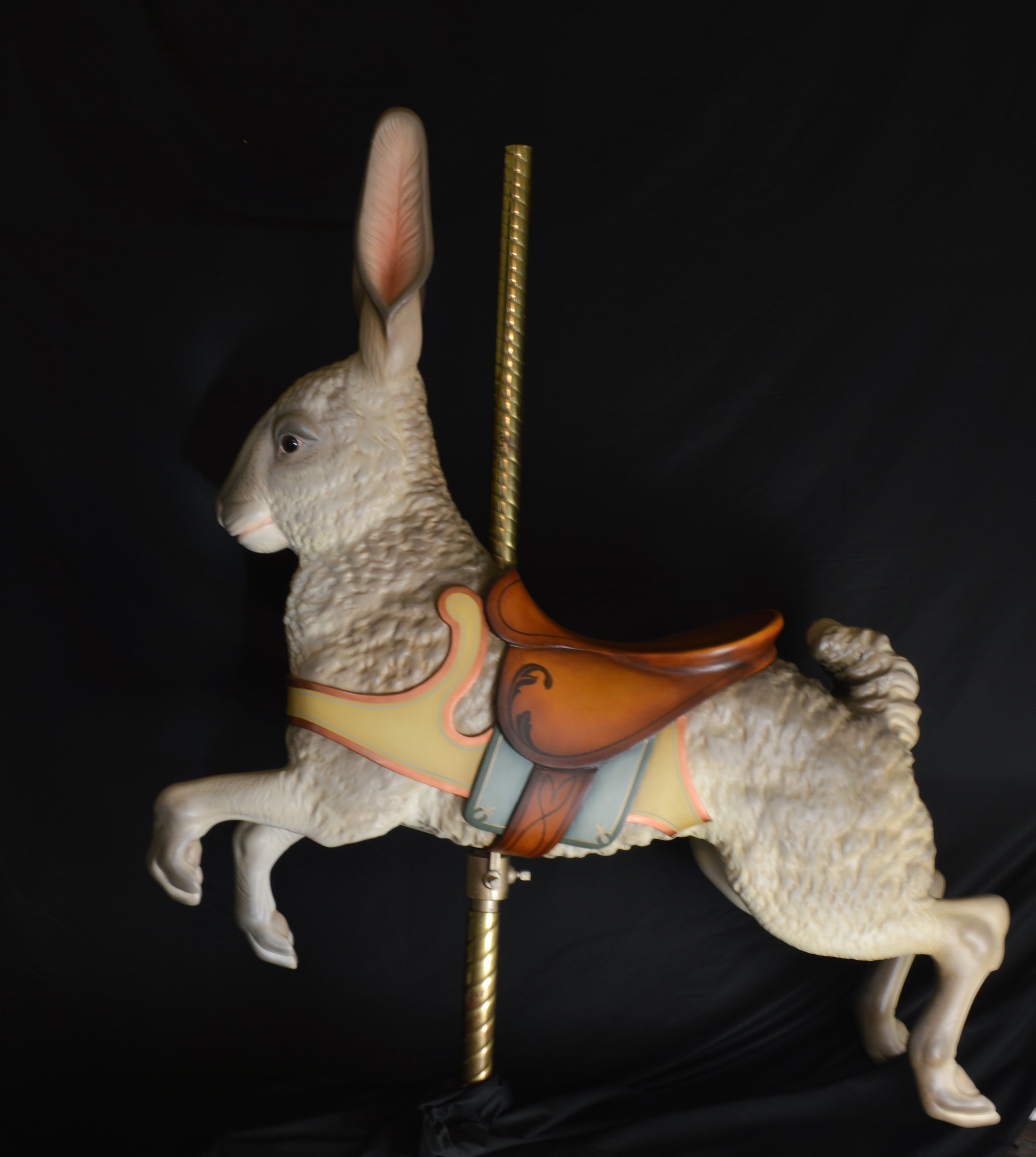
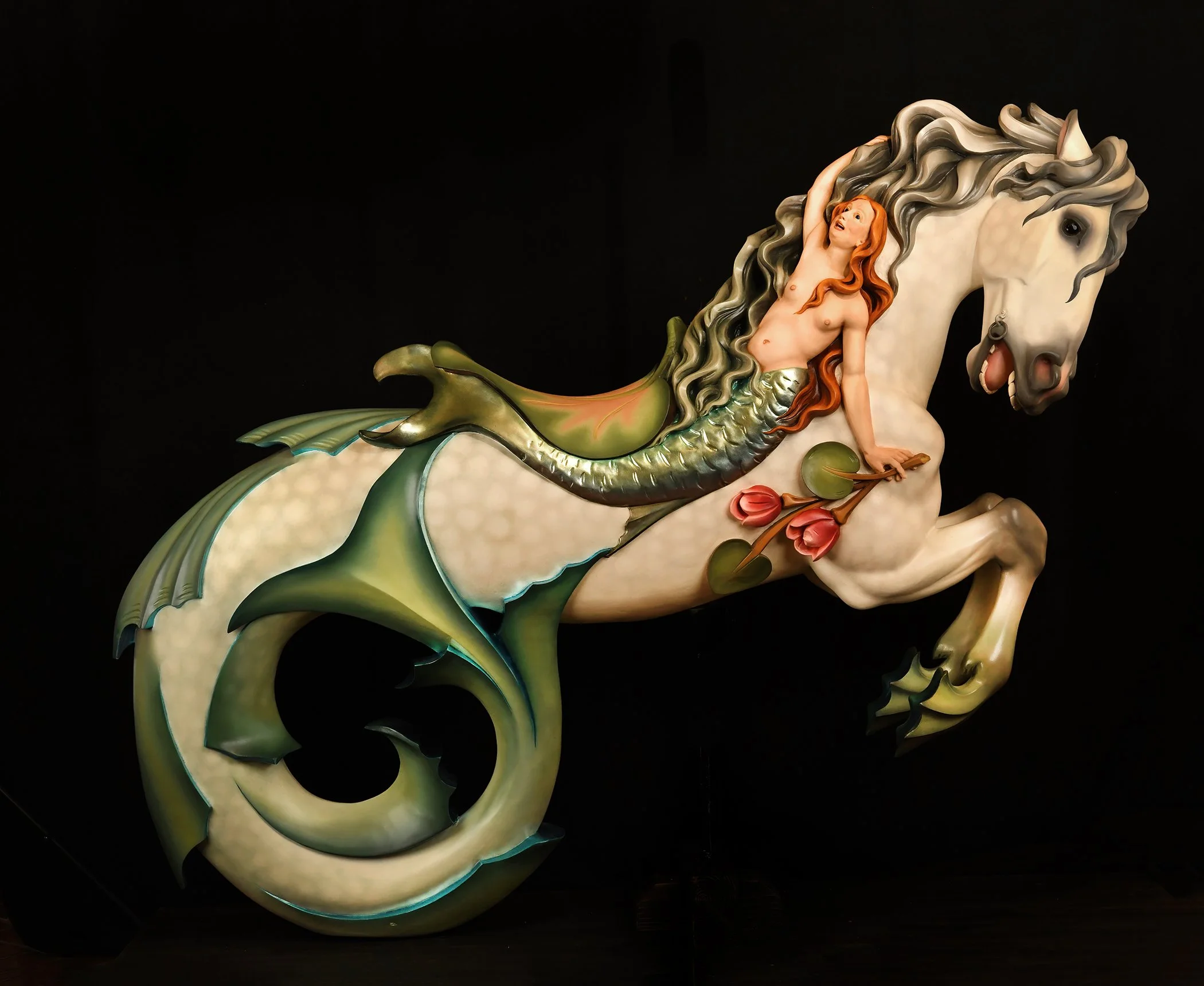
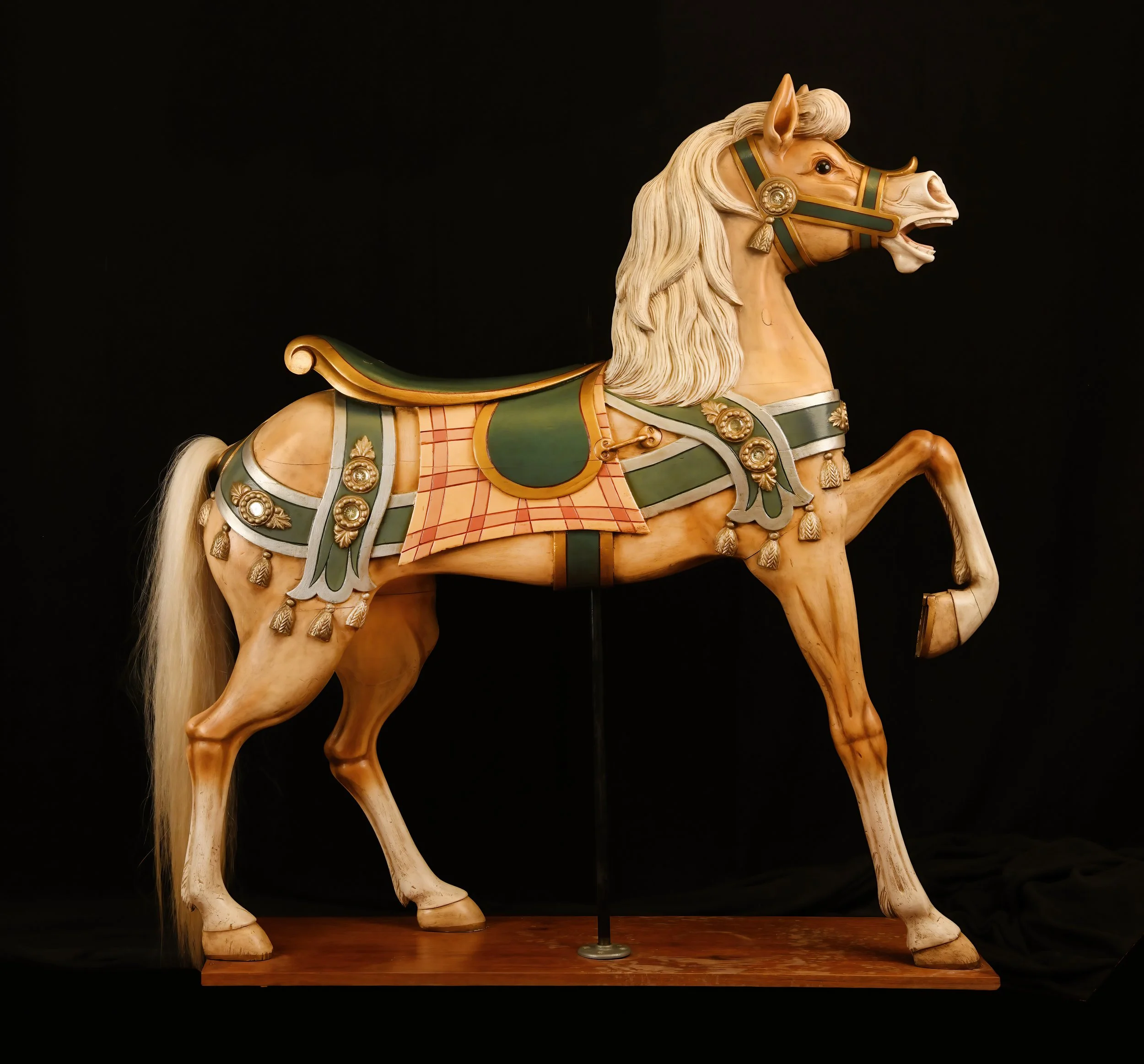
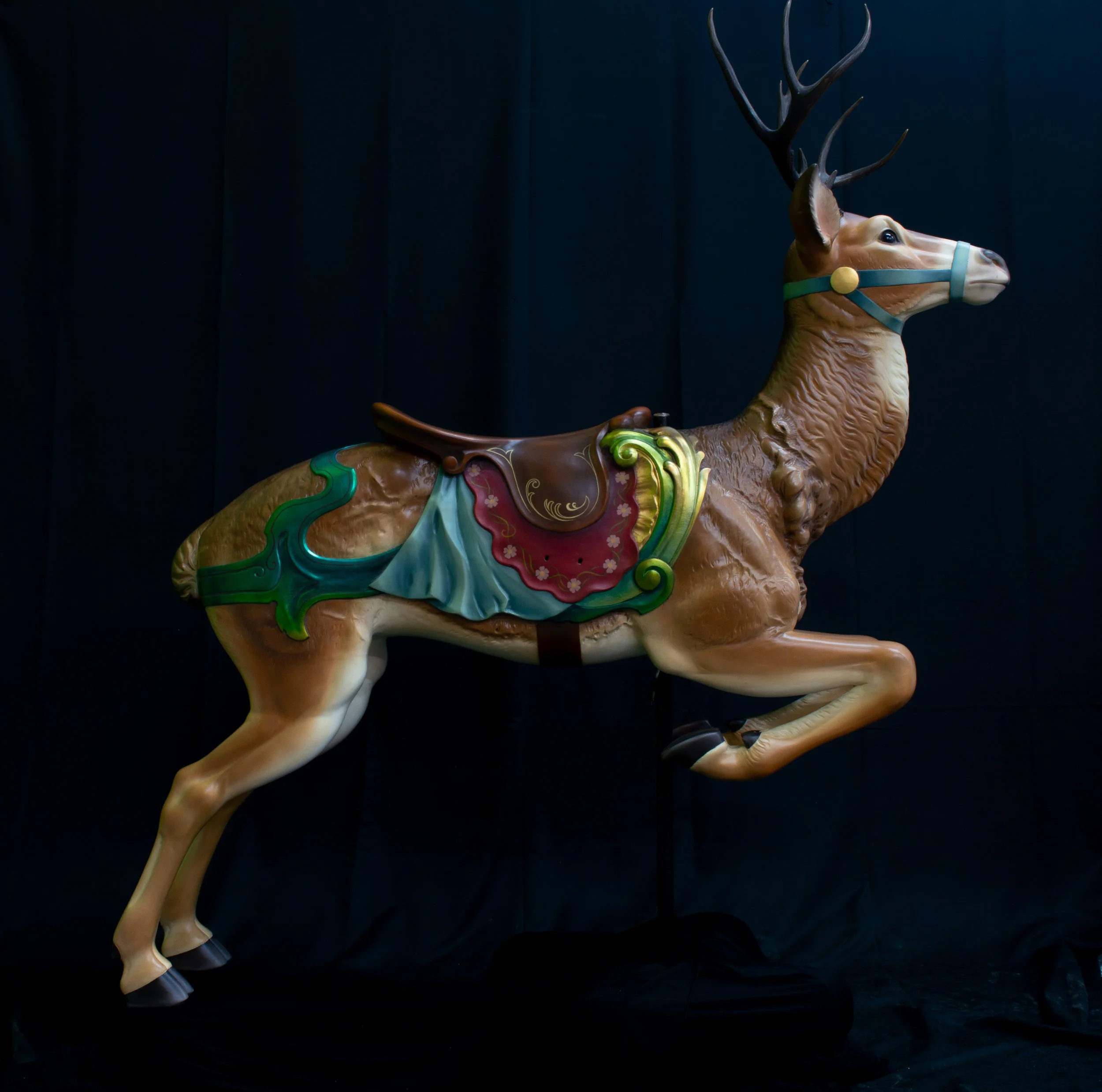
Carmel's horses were characteristically highly naturalistic, strong, and aggressive — featuring windswept manes, open mouths, and batwing saddles — attributes that became defining markers of the Coney Island style. Heavy gold and silver gilding, along with armored trappings, swords, and an emphasis on practical rather than fantastical forms, are hallmarks of his hand specifically. Because Carmel supplied figures to so many manufacturers rather than building complete machines, his figures are found primarily on mixed carousels alongside work from other carvers. Institutional holdings include examples at the American Folk Art Museum and the Jewish Museum in New York; his most prominent surviving complete commission is the 1912 Prospect Park Carousel in Brooklyn. Medium + 2