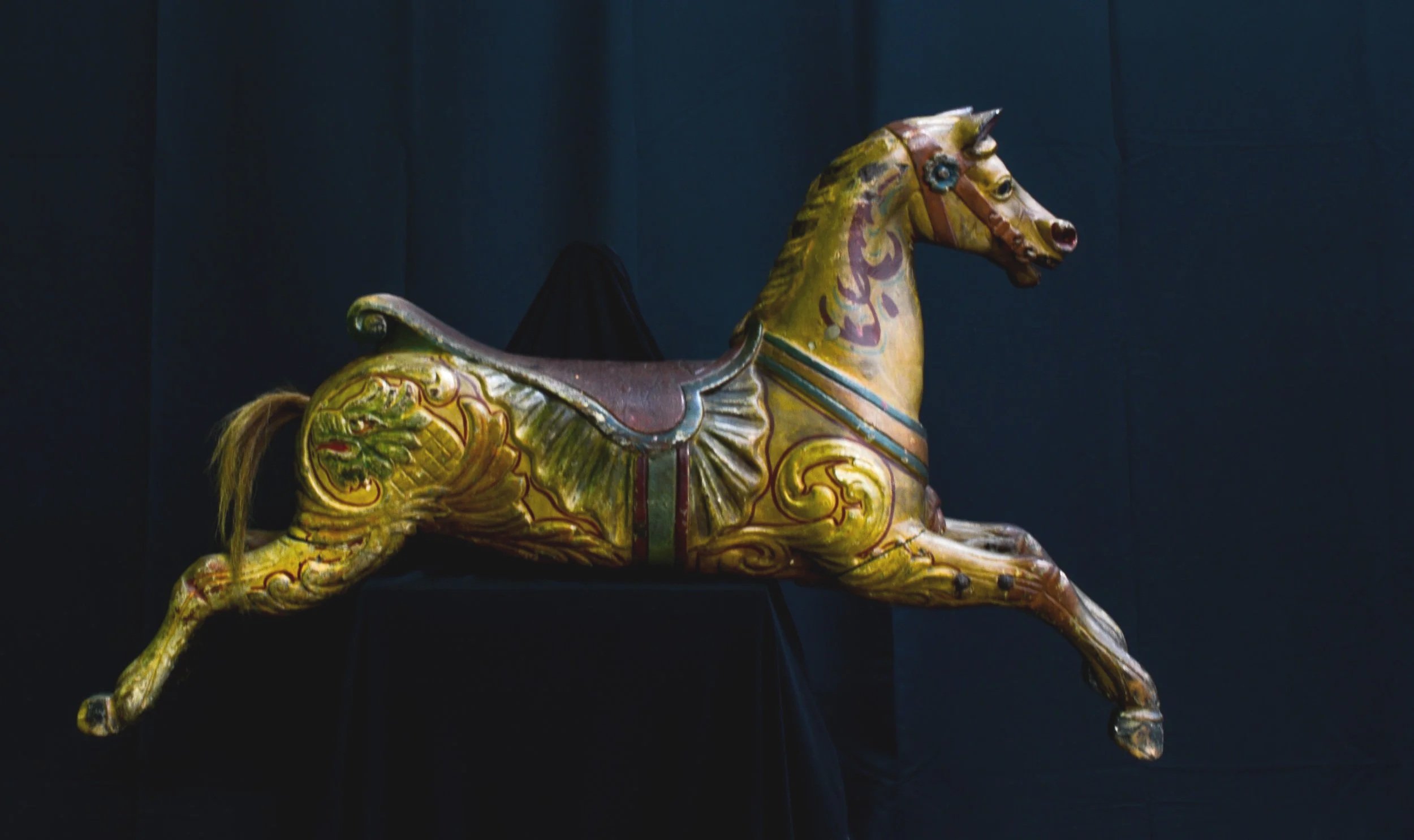
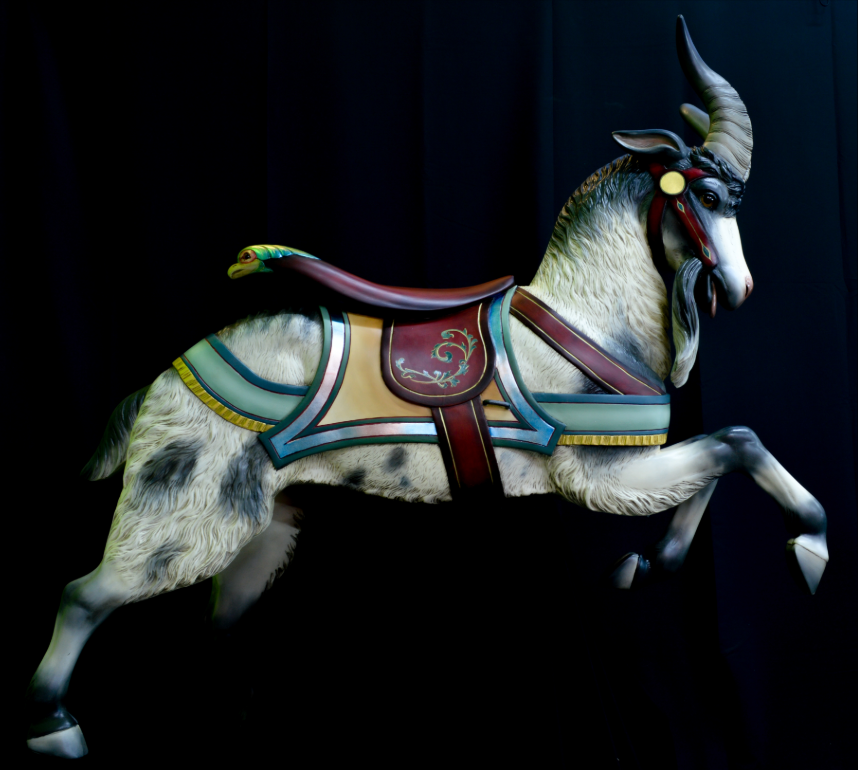
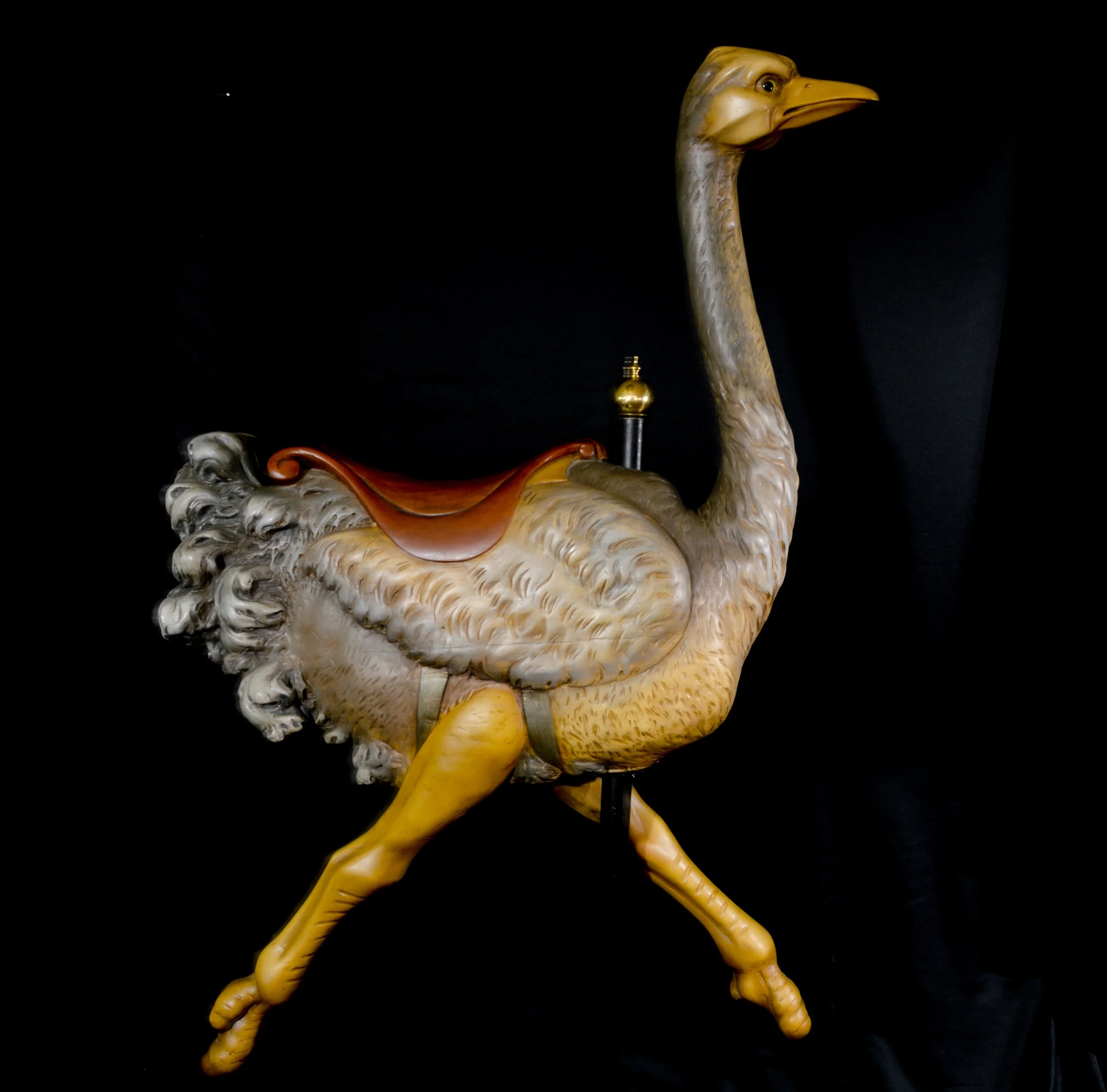
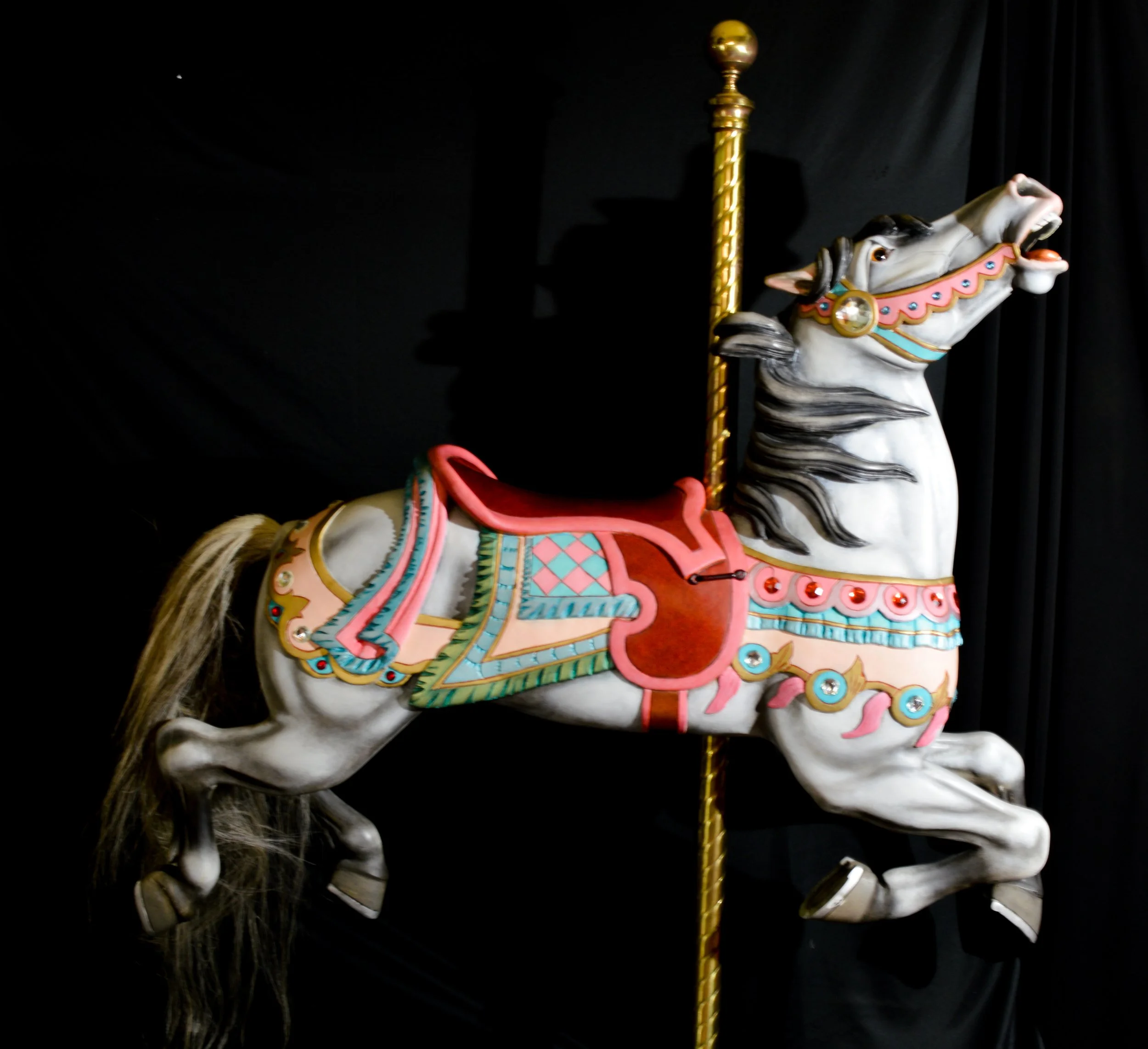
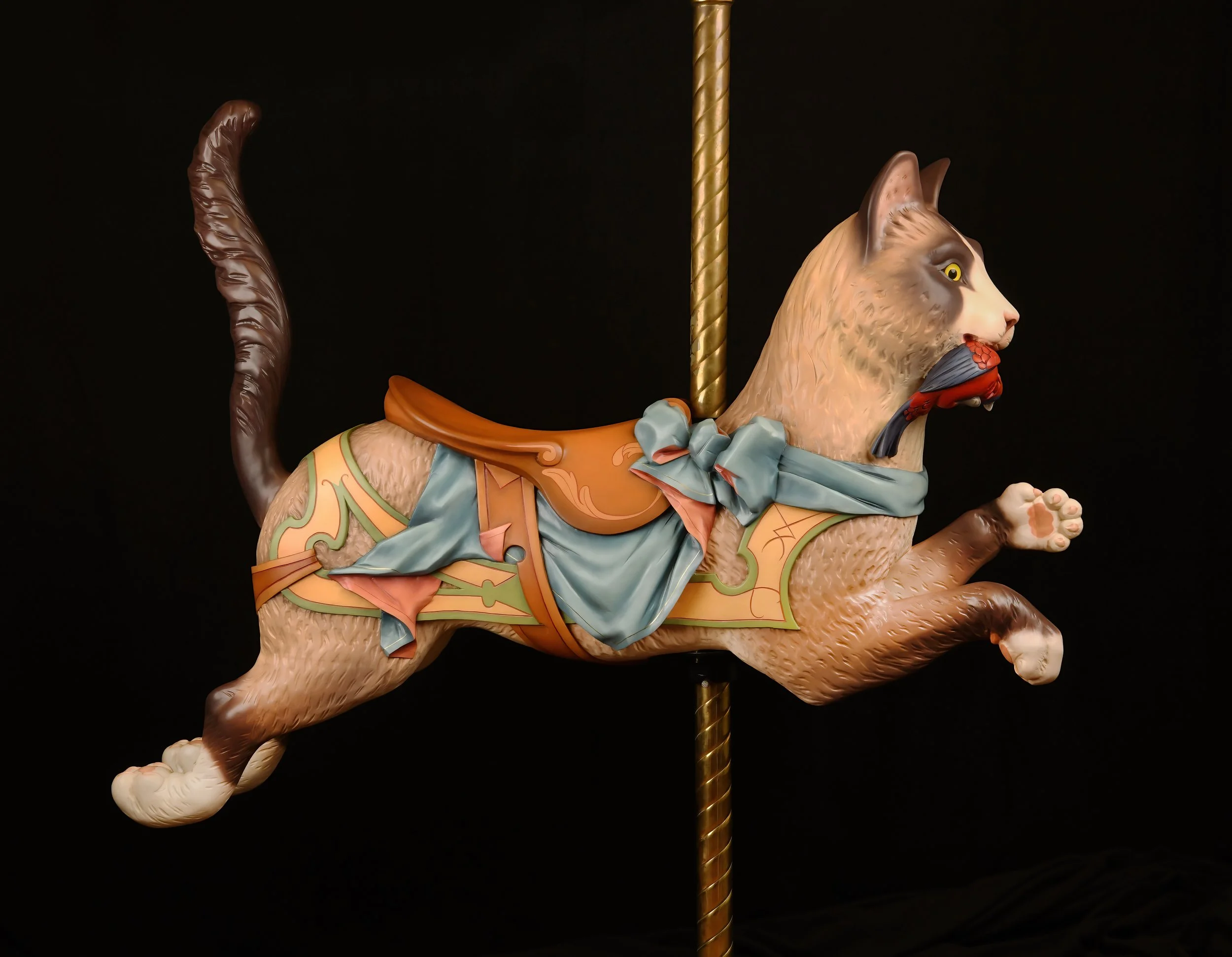
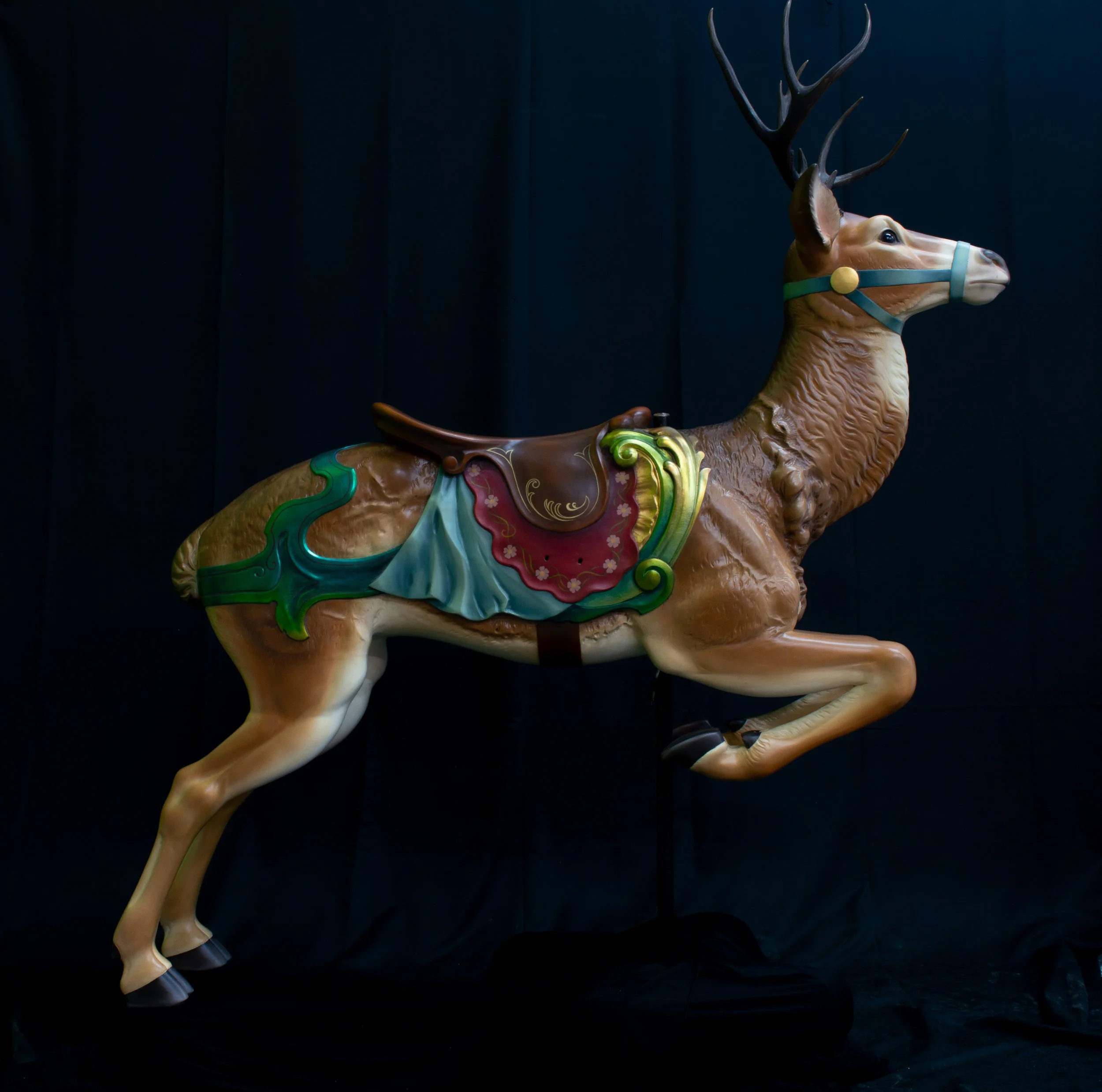
Armitage-Herschell Company (1872–1903)
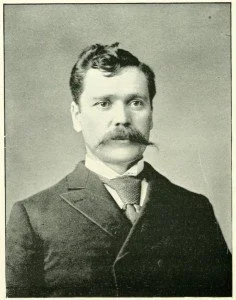
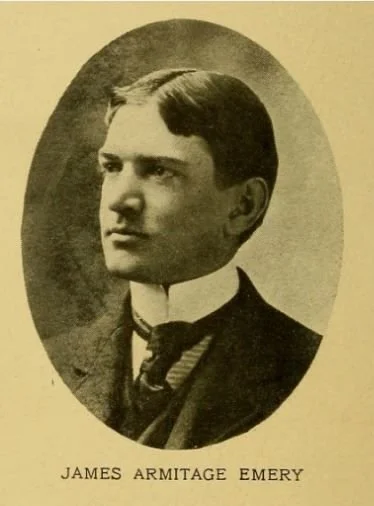
The Armitage-Herschell Company began in 1872 as a small brass and iron foundry in North Tonawanda, New York, founded by Englishman James Armitage and Scottish brothers George and Allan Herschell. The pivot to carousels came after Allan Herschell, on a trip to New York City in the early 1880s, encountered one of the first American-made carousel machines and recognized the opportunity immediately — his foundry was already producing the steam boilers that powered them, North Tonawanda had abundant lumber, canal and rail transport, and a ready supply of German immigrant woodcarvers. The company branched out into hand-carved wooden carousels in 1883. By 1887, the operation had formalized as Armitage-Herschell Company, Inc.; by 1890, sixty carousels were sold in a single year, and by 1891, the company was producing a carousel every day. Nthistory + 3
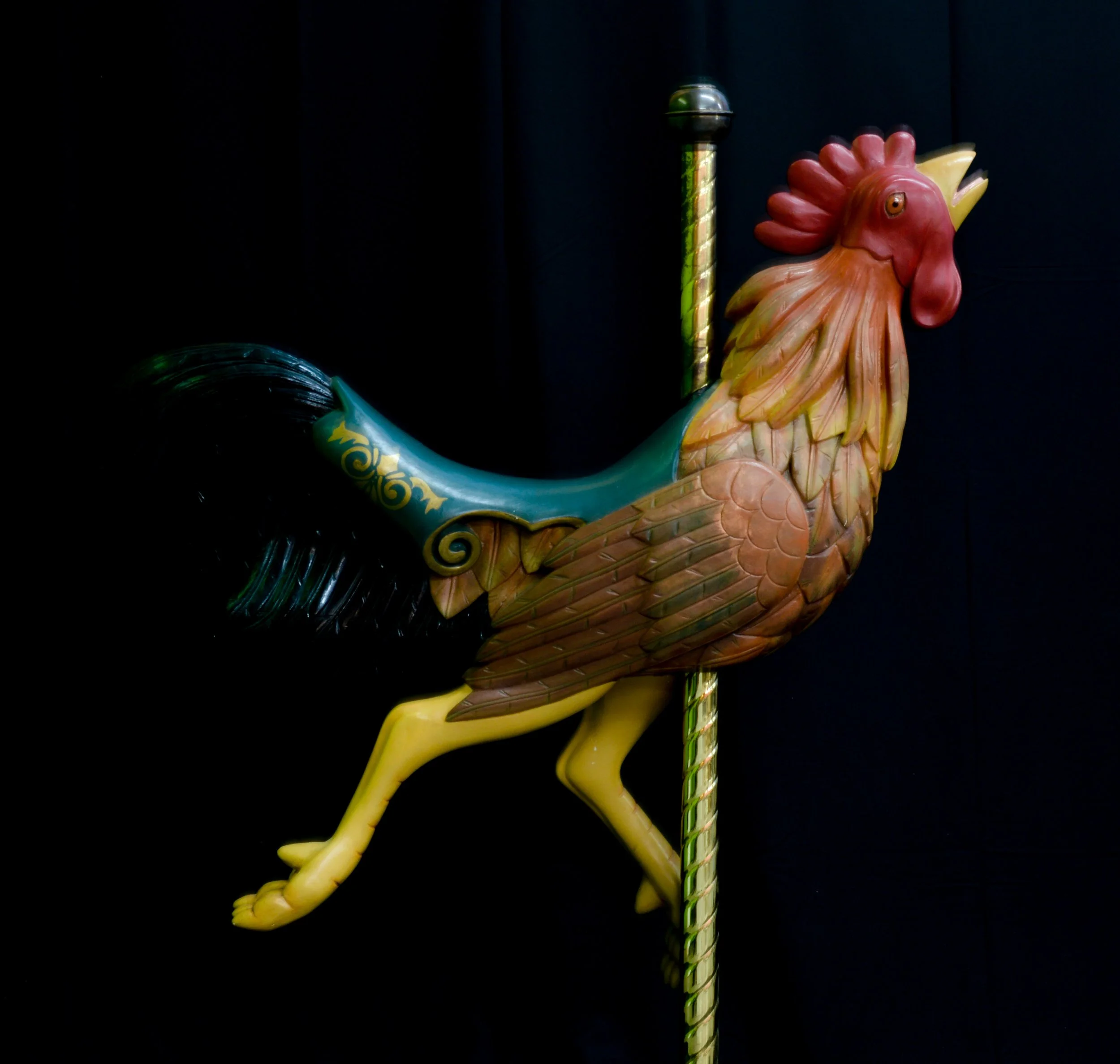
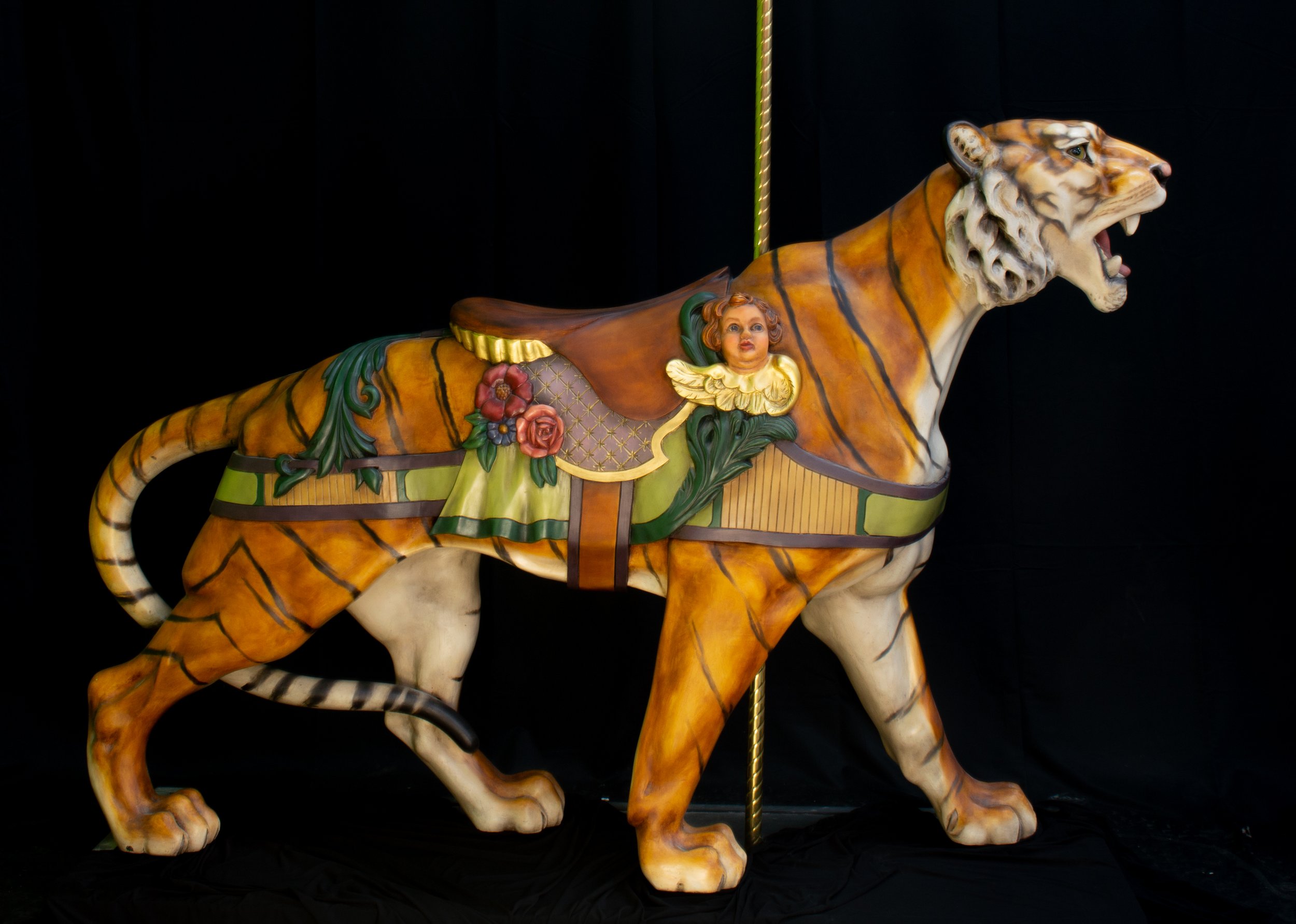
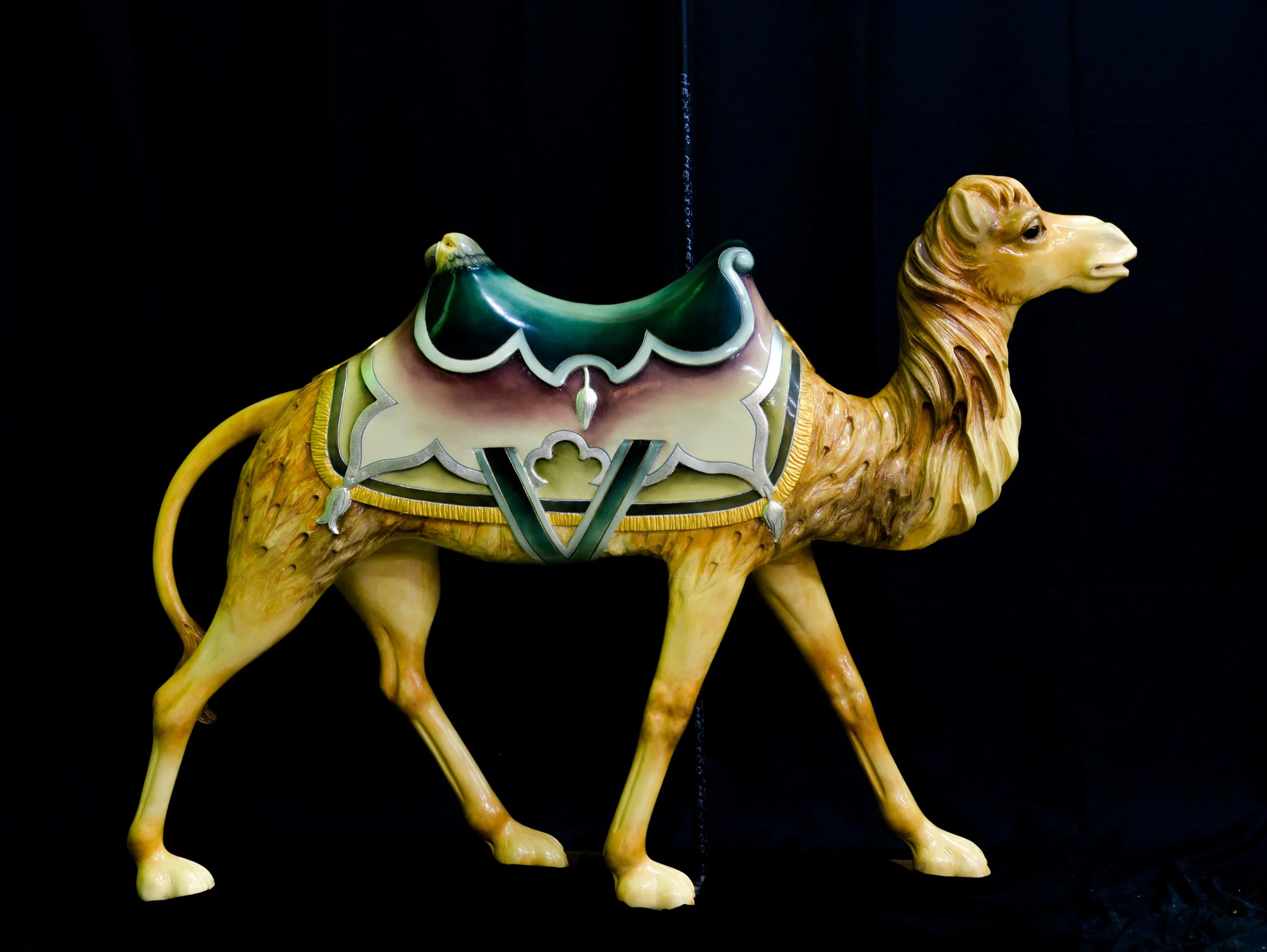
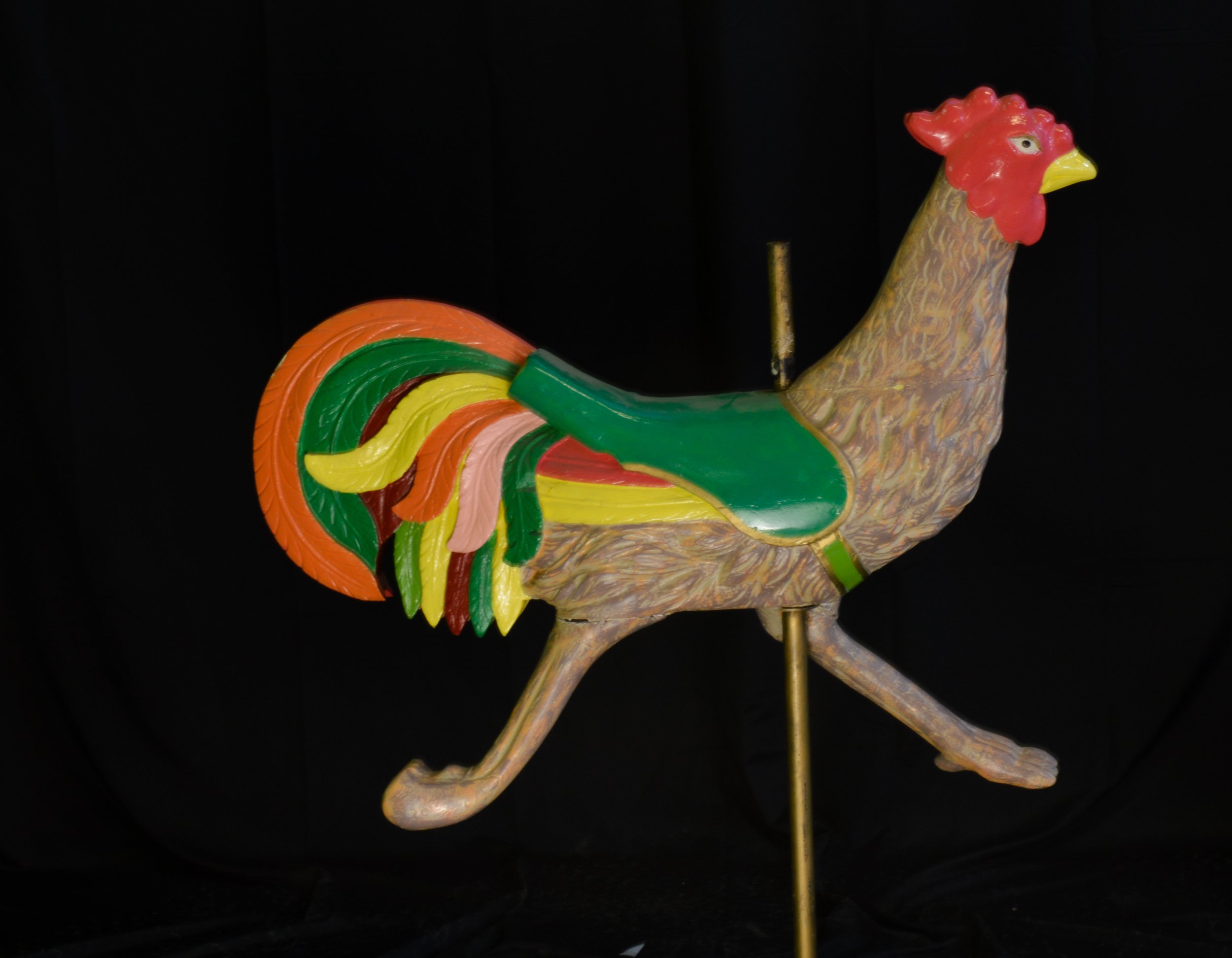
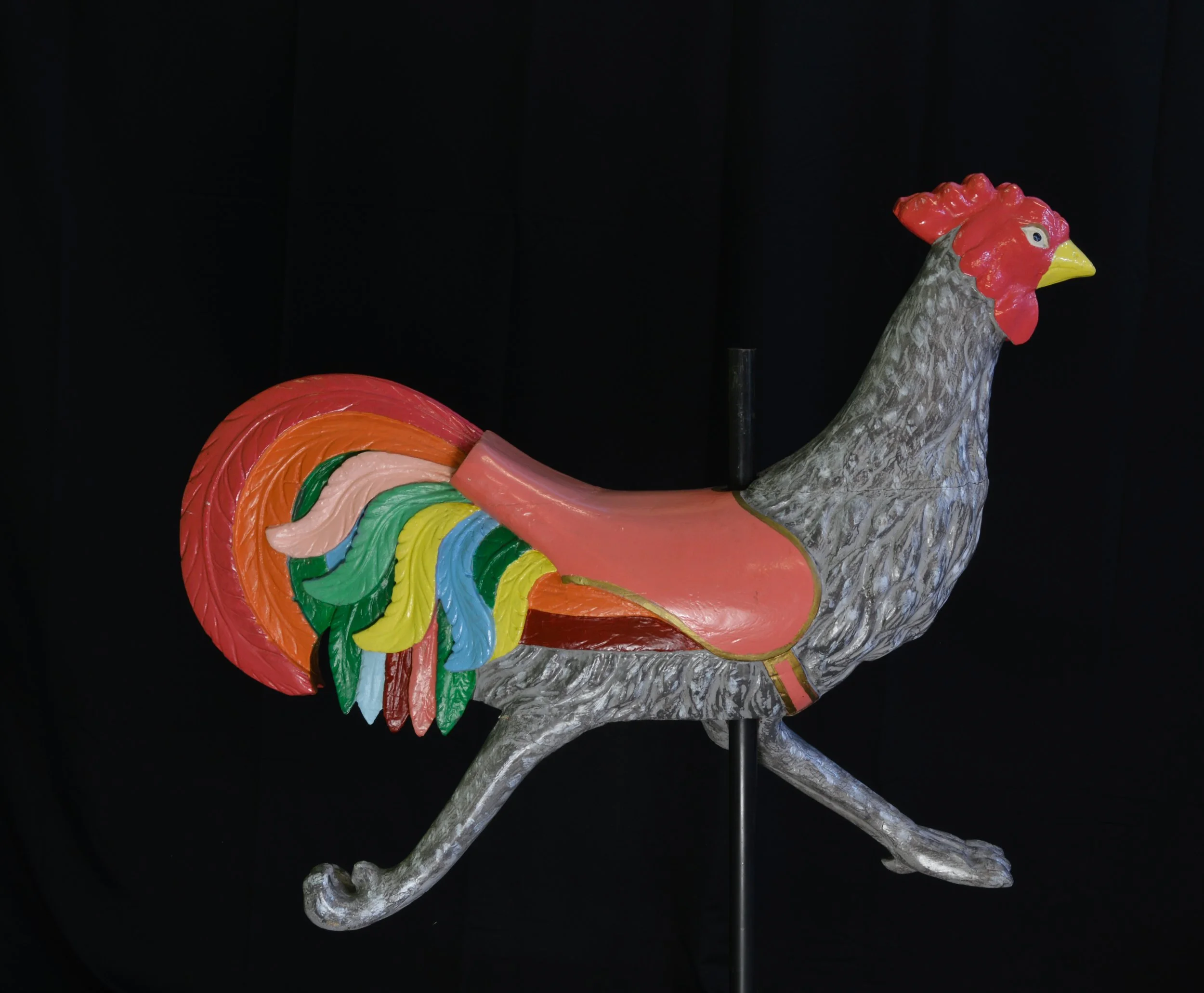
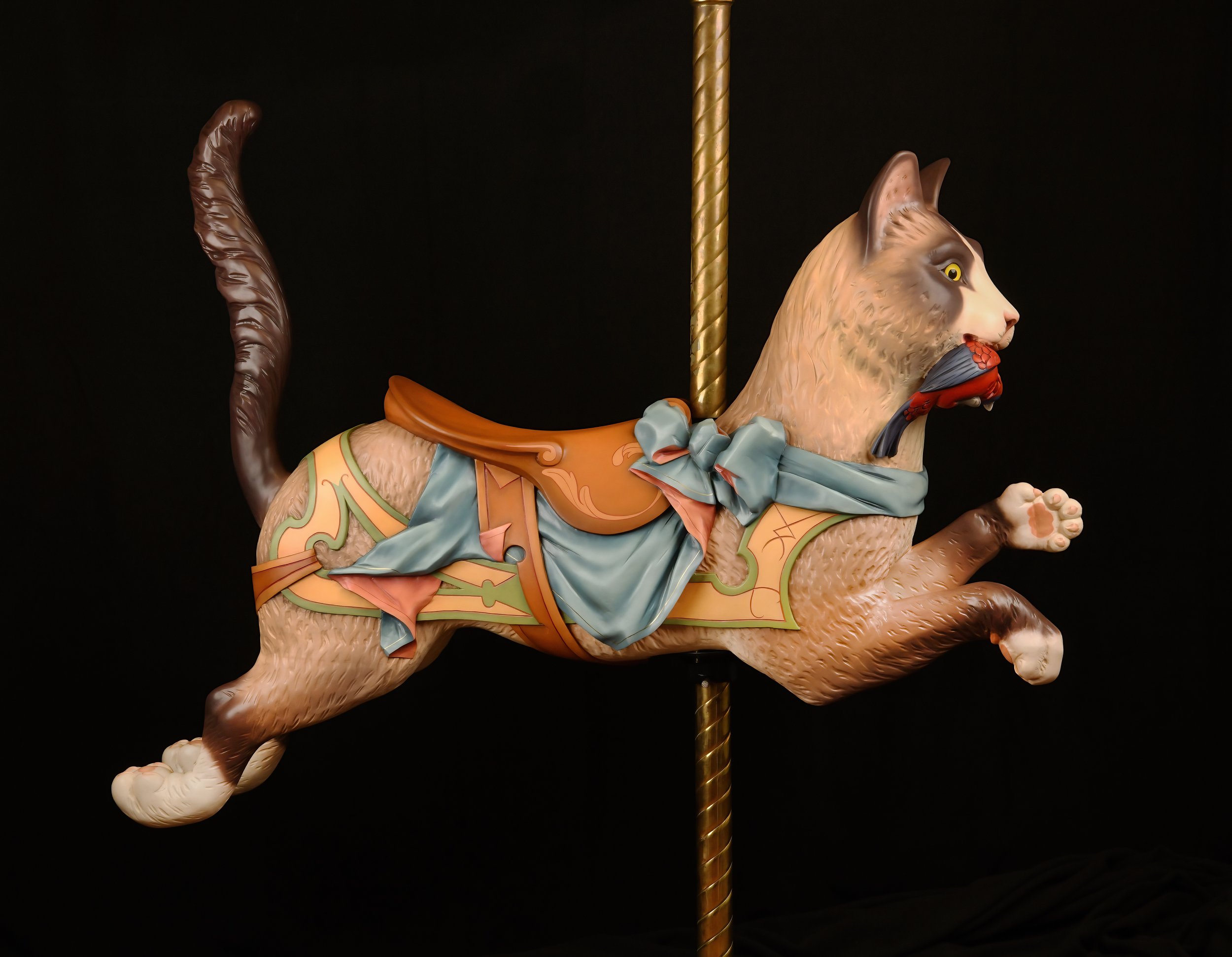
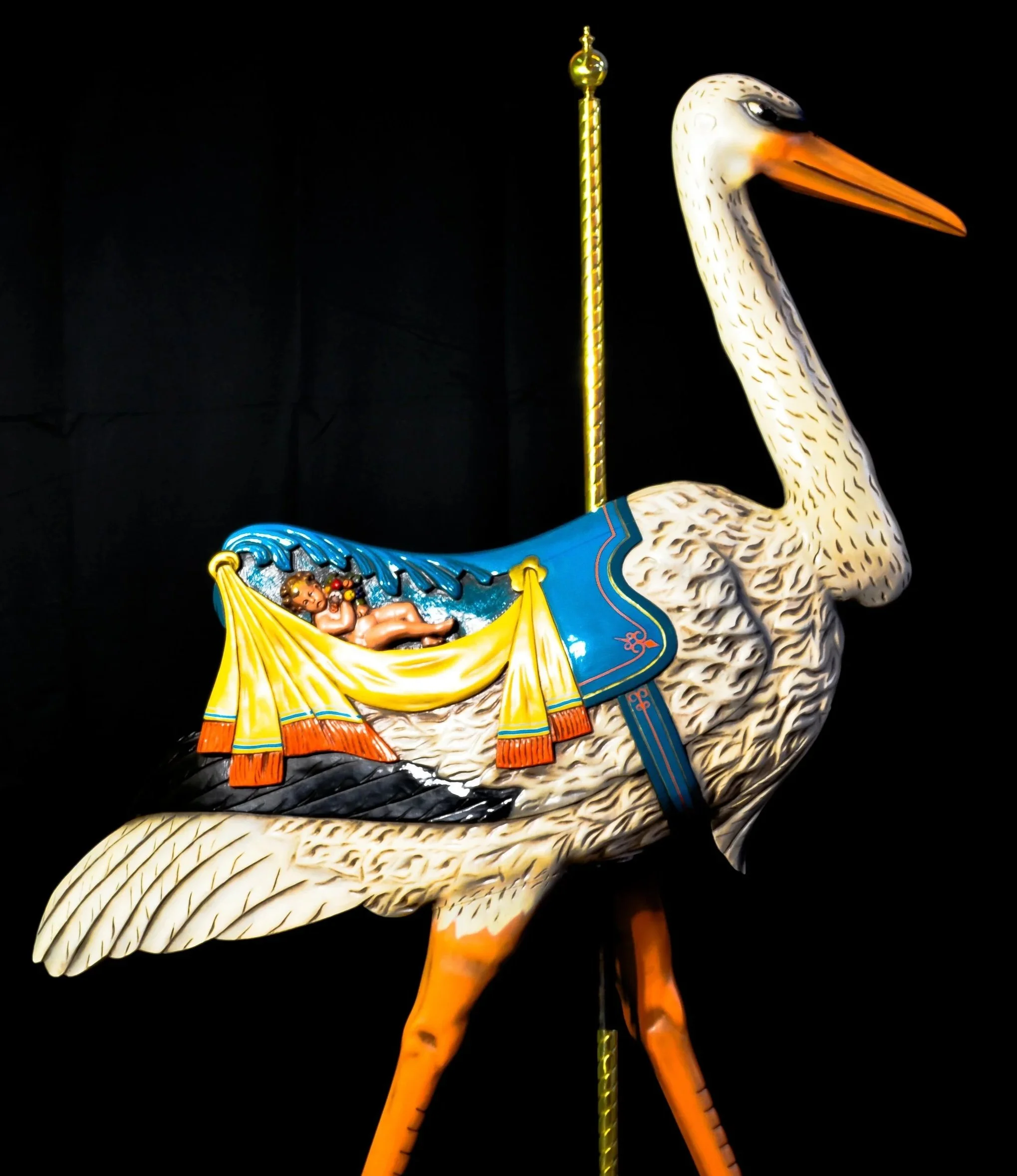
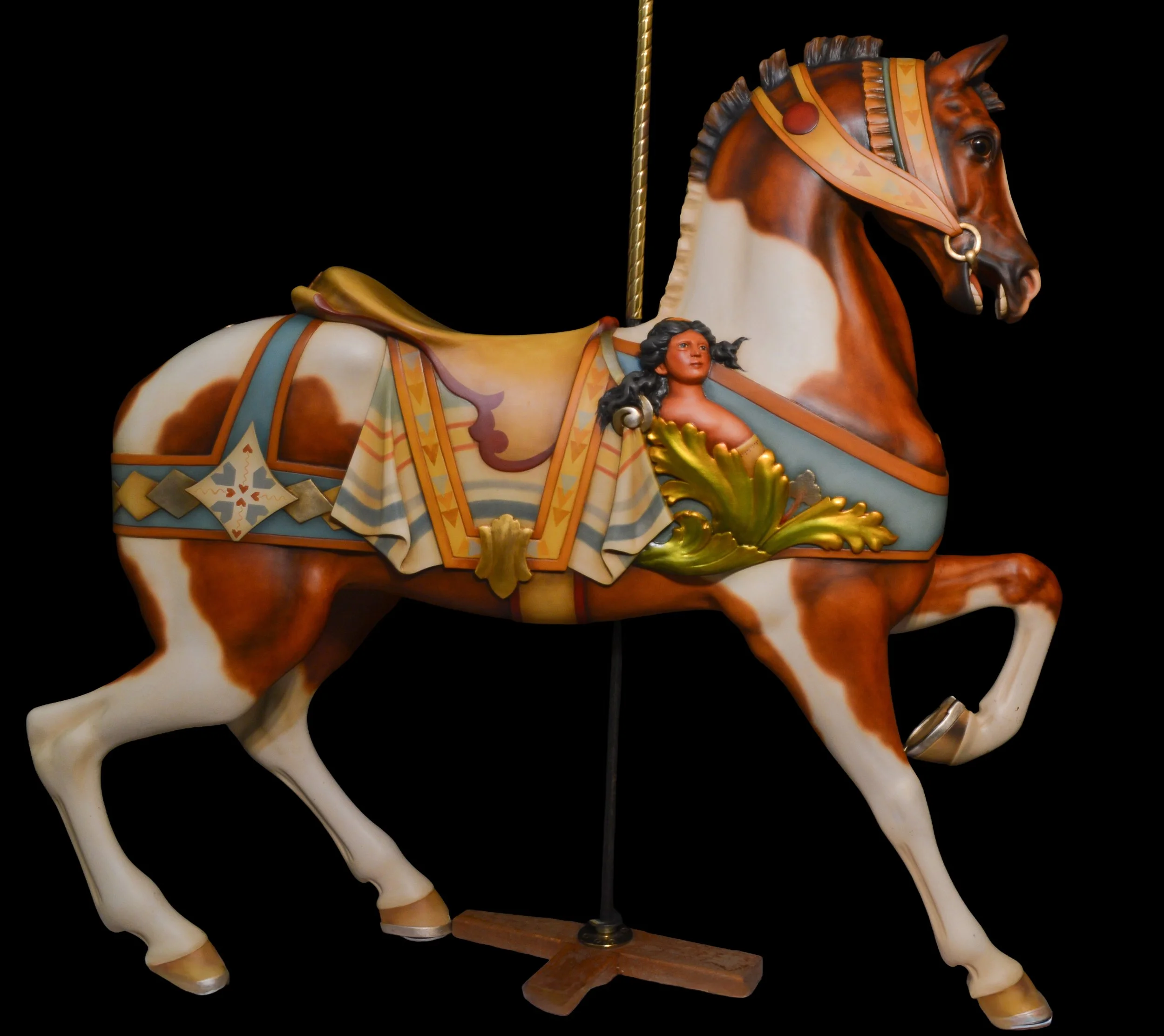
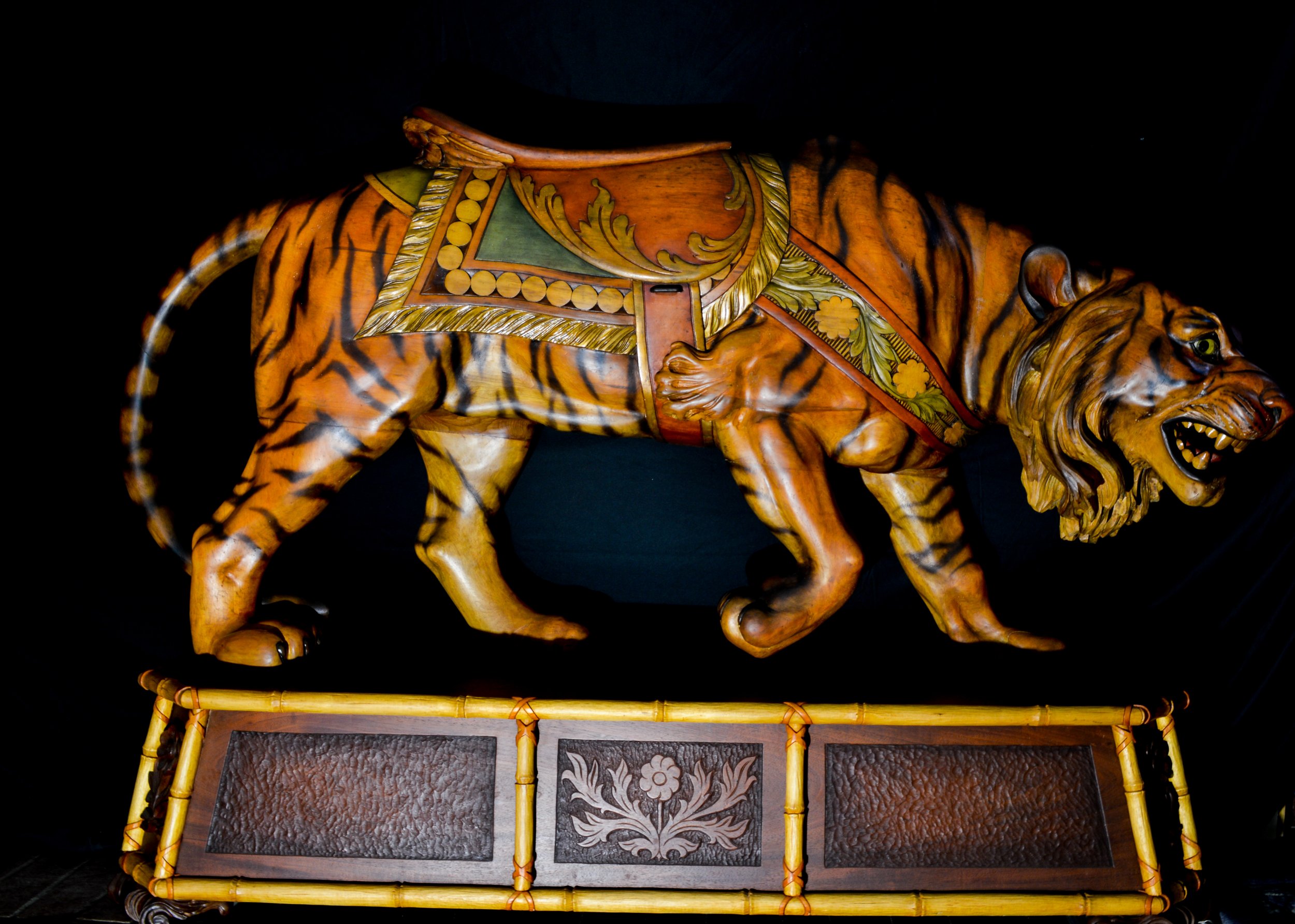
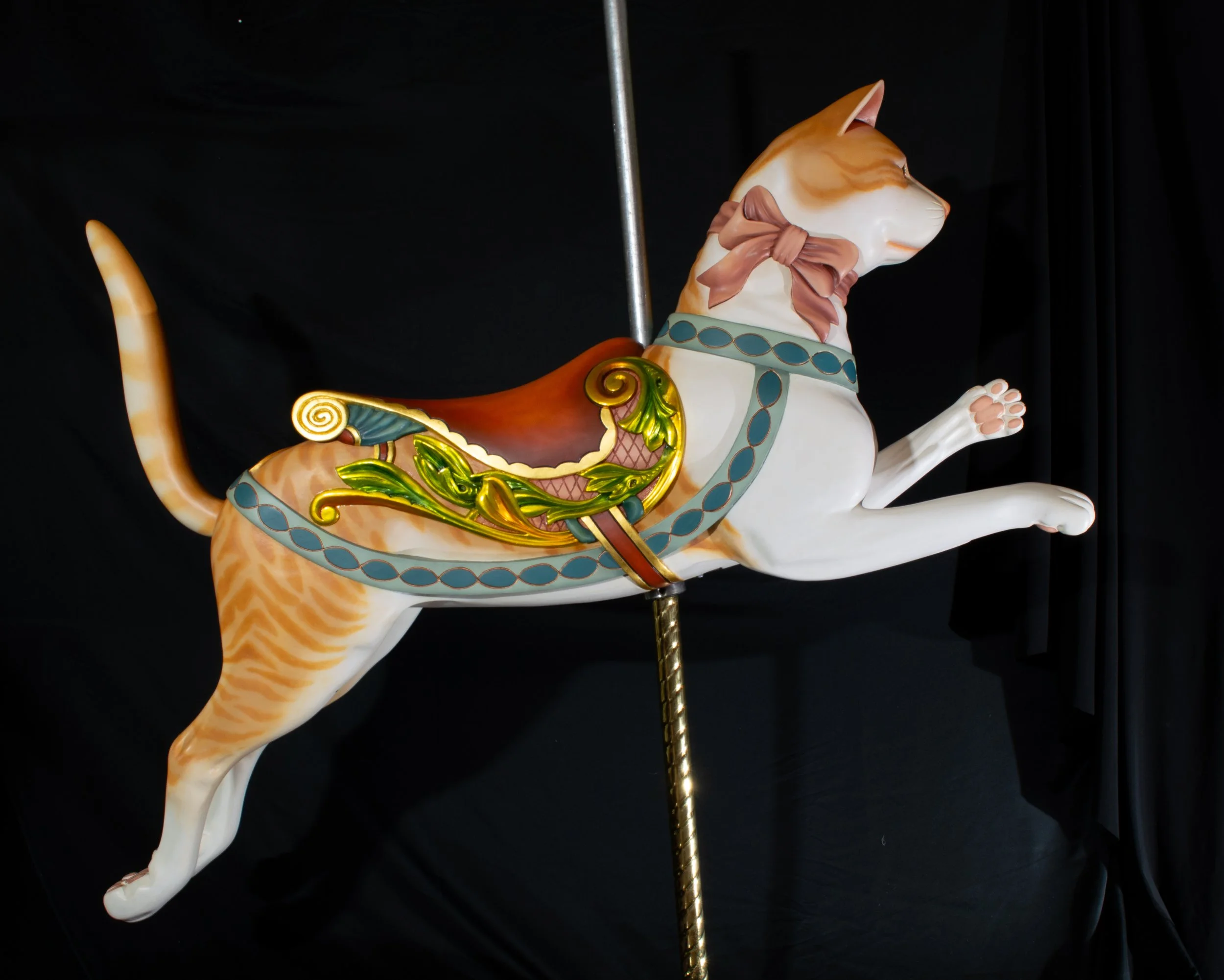
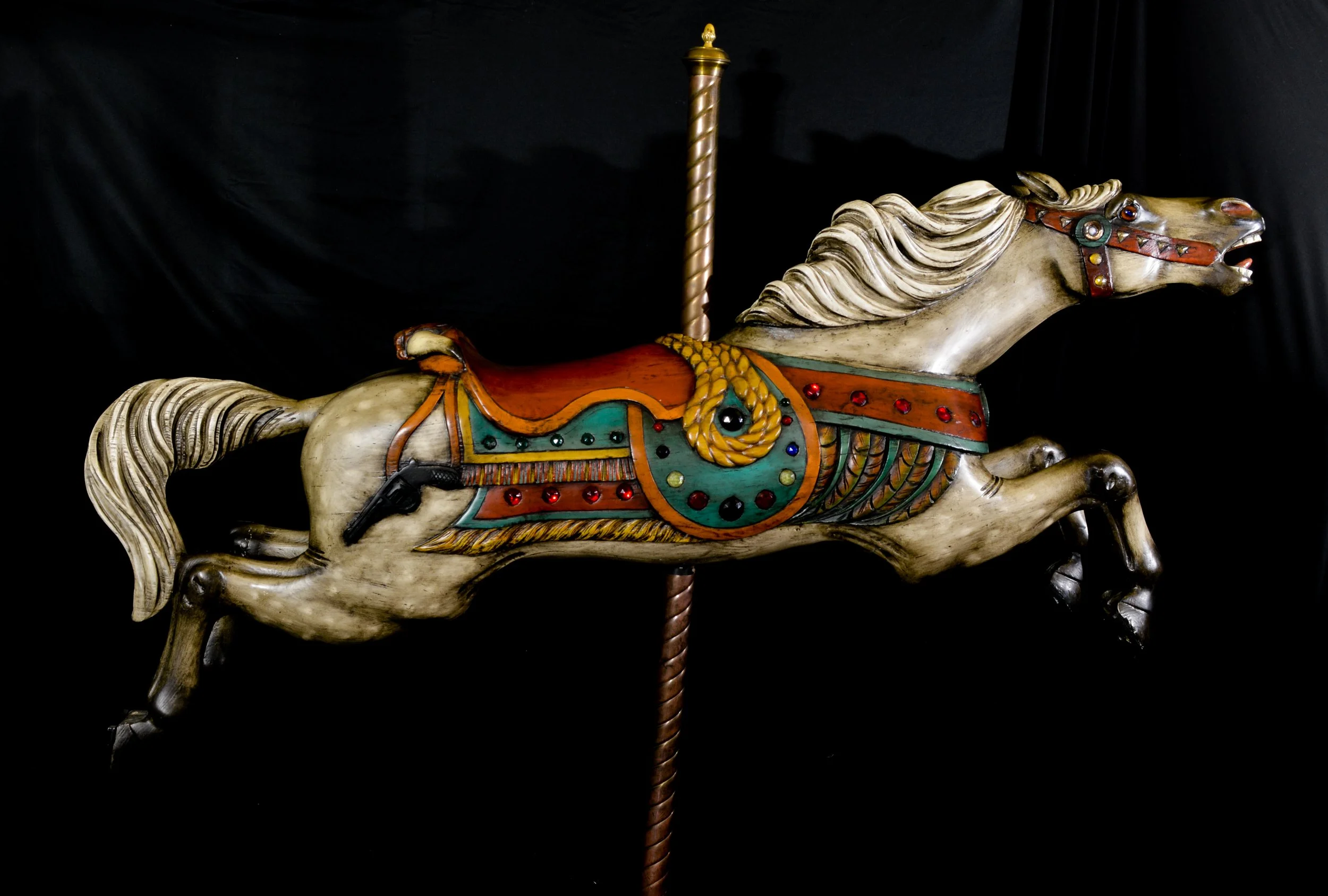
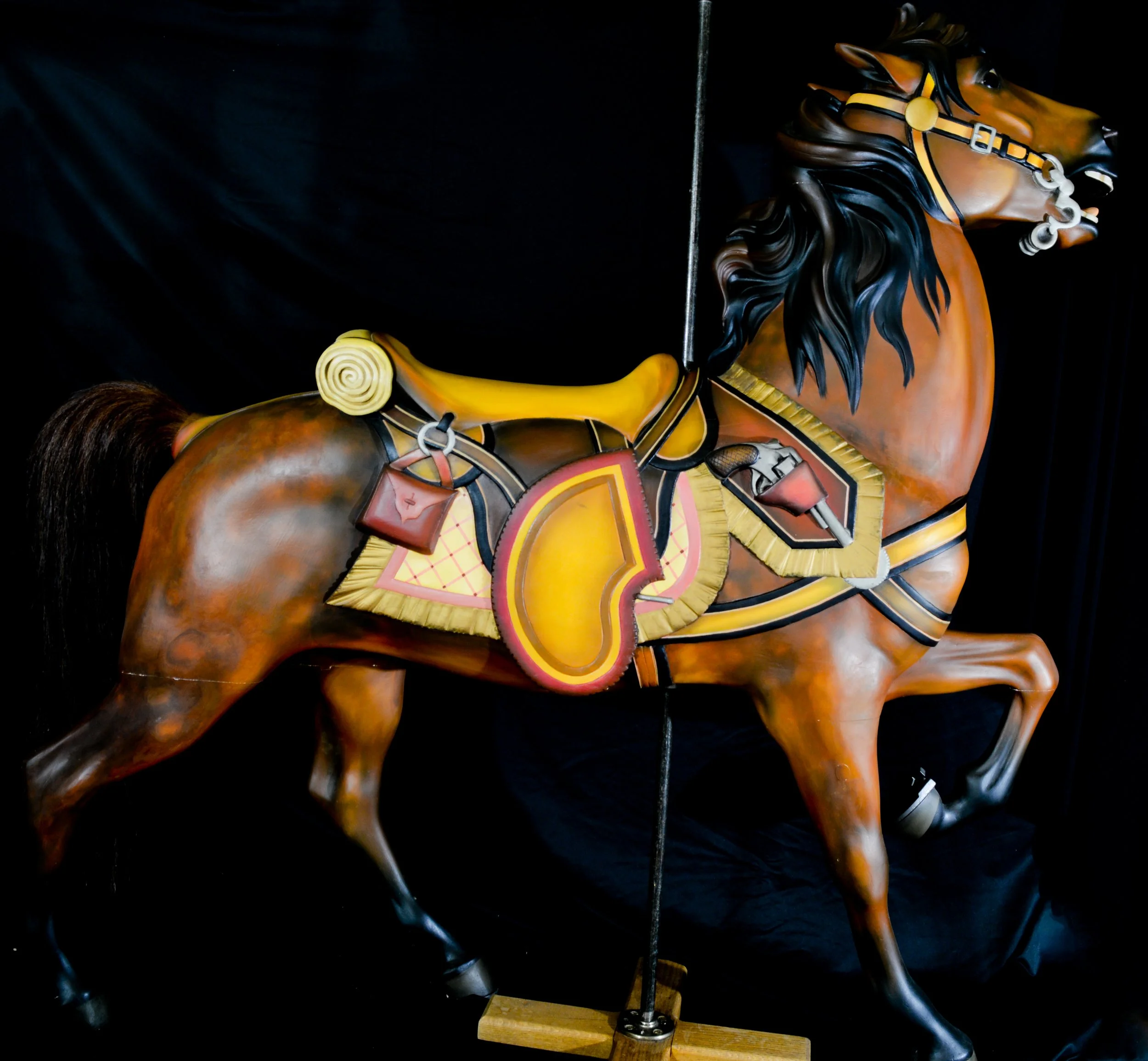
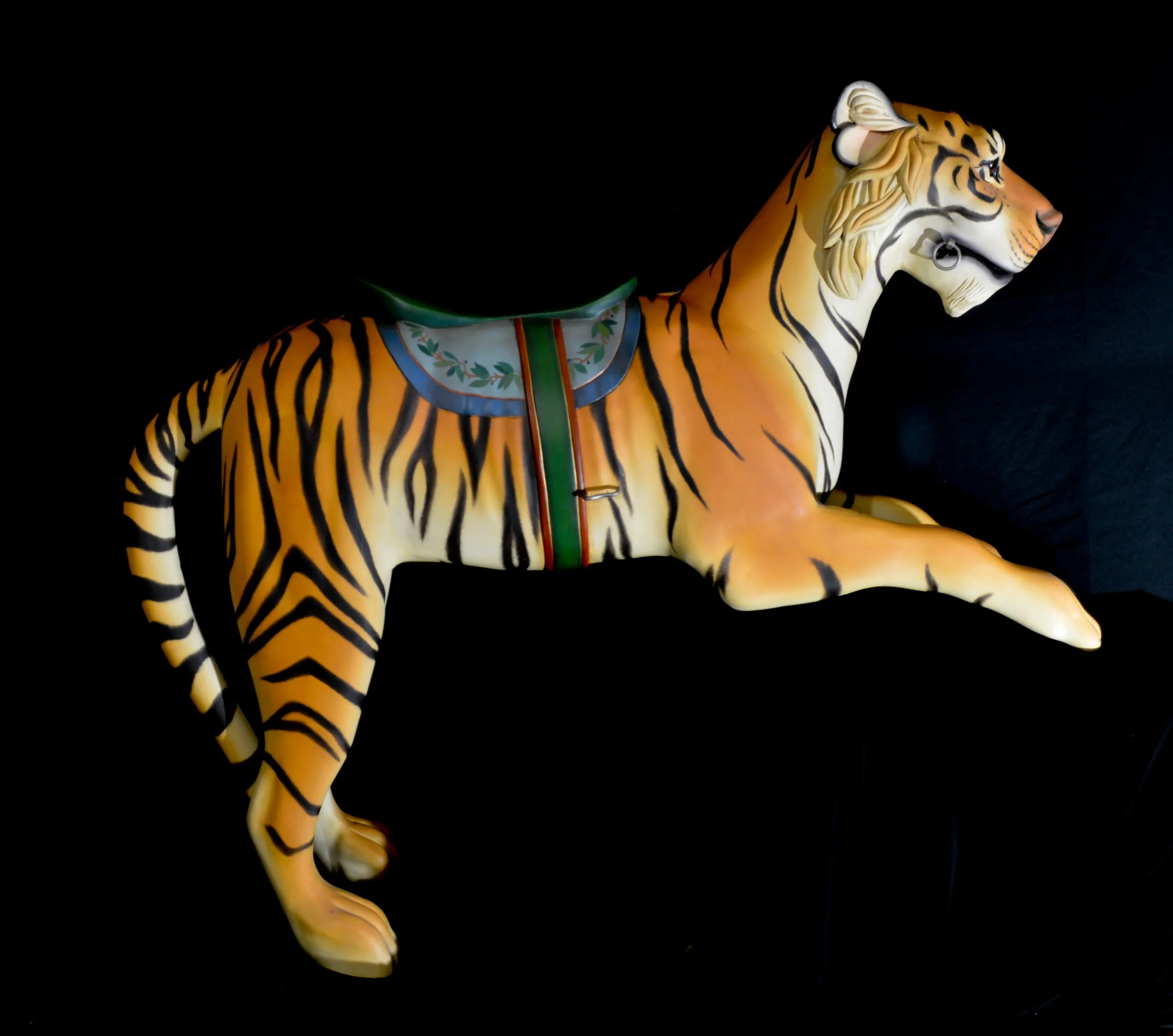
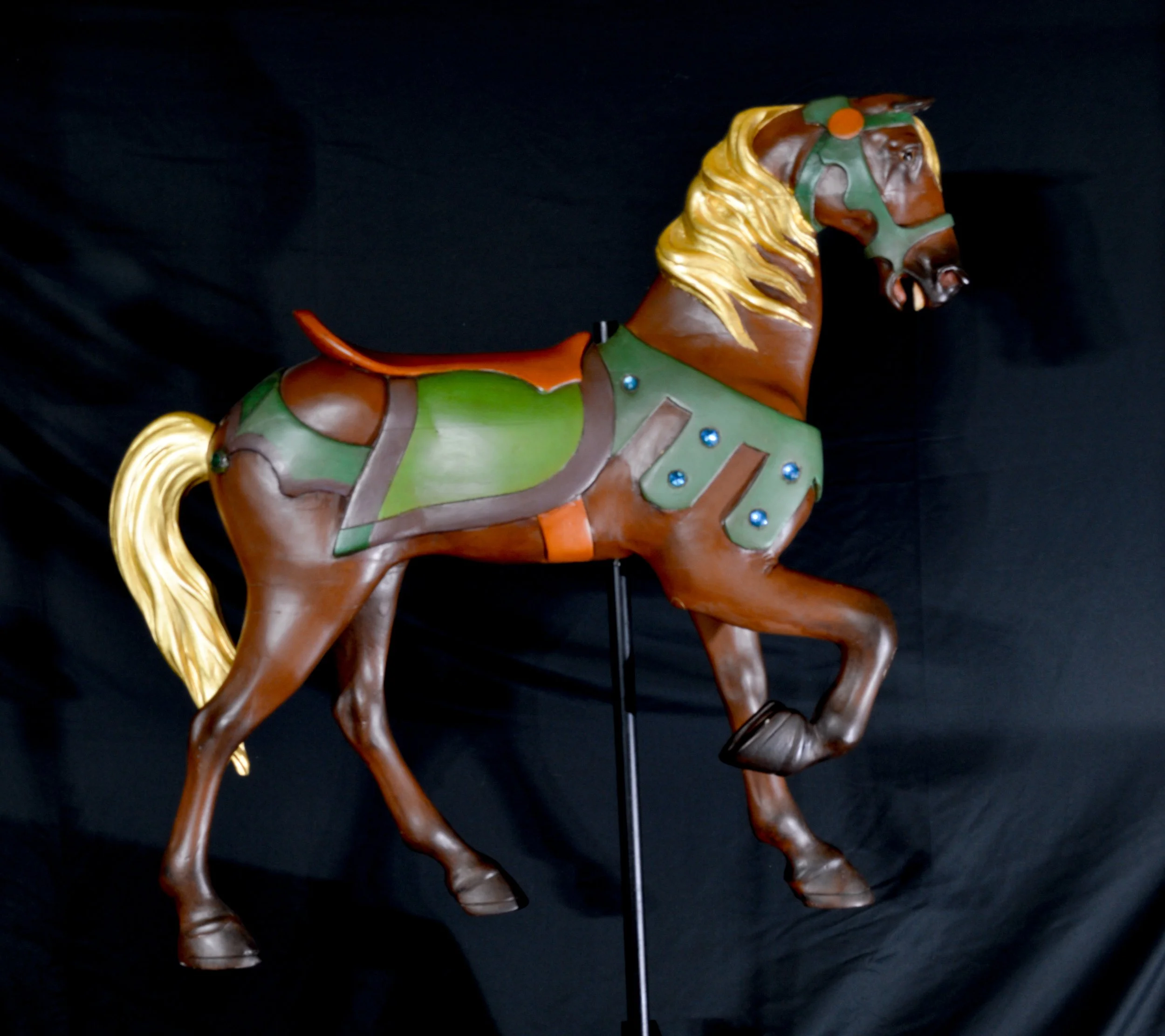
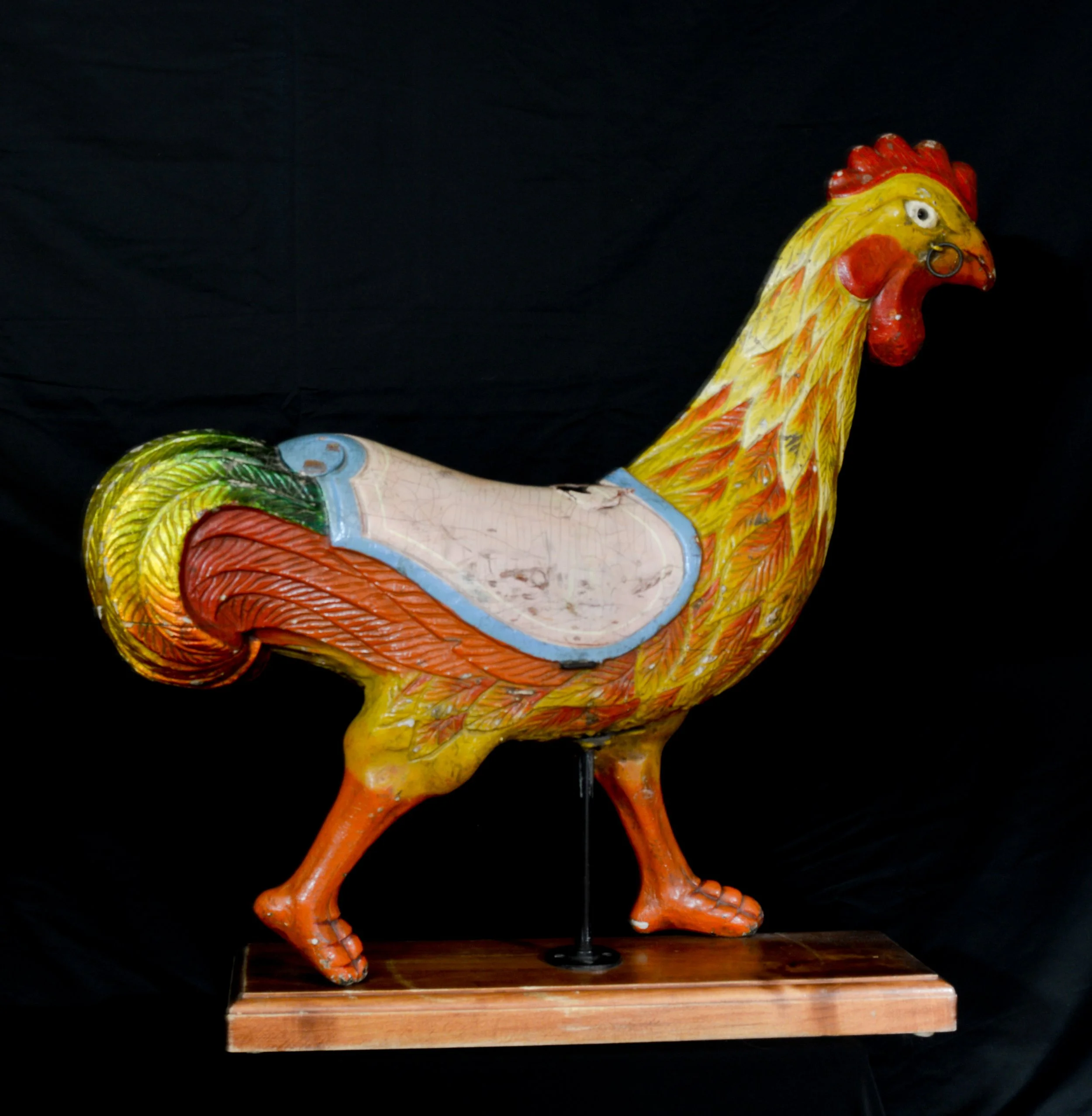
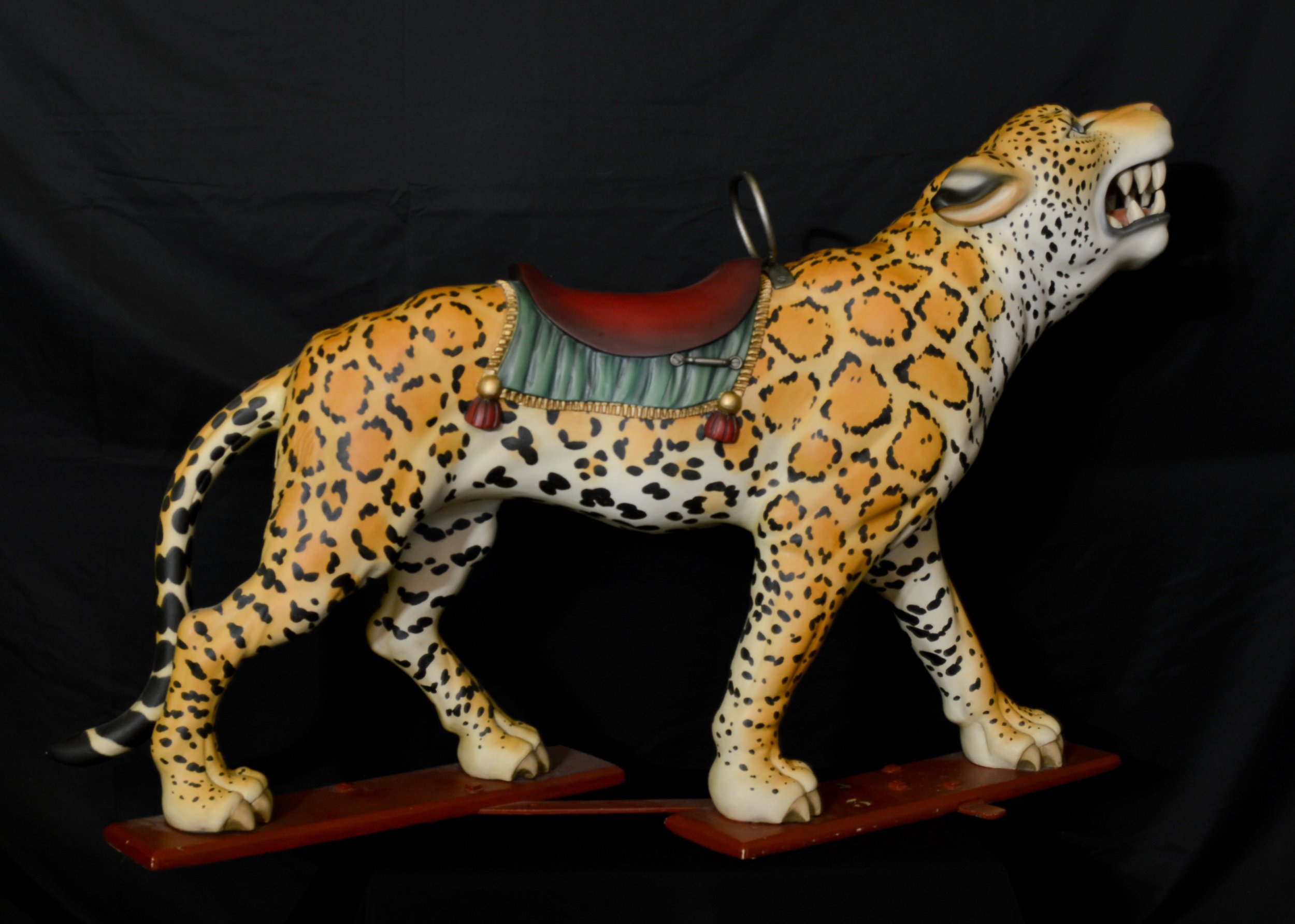
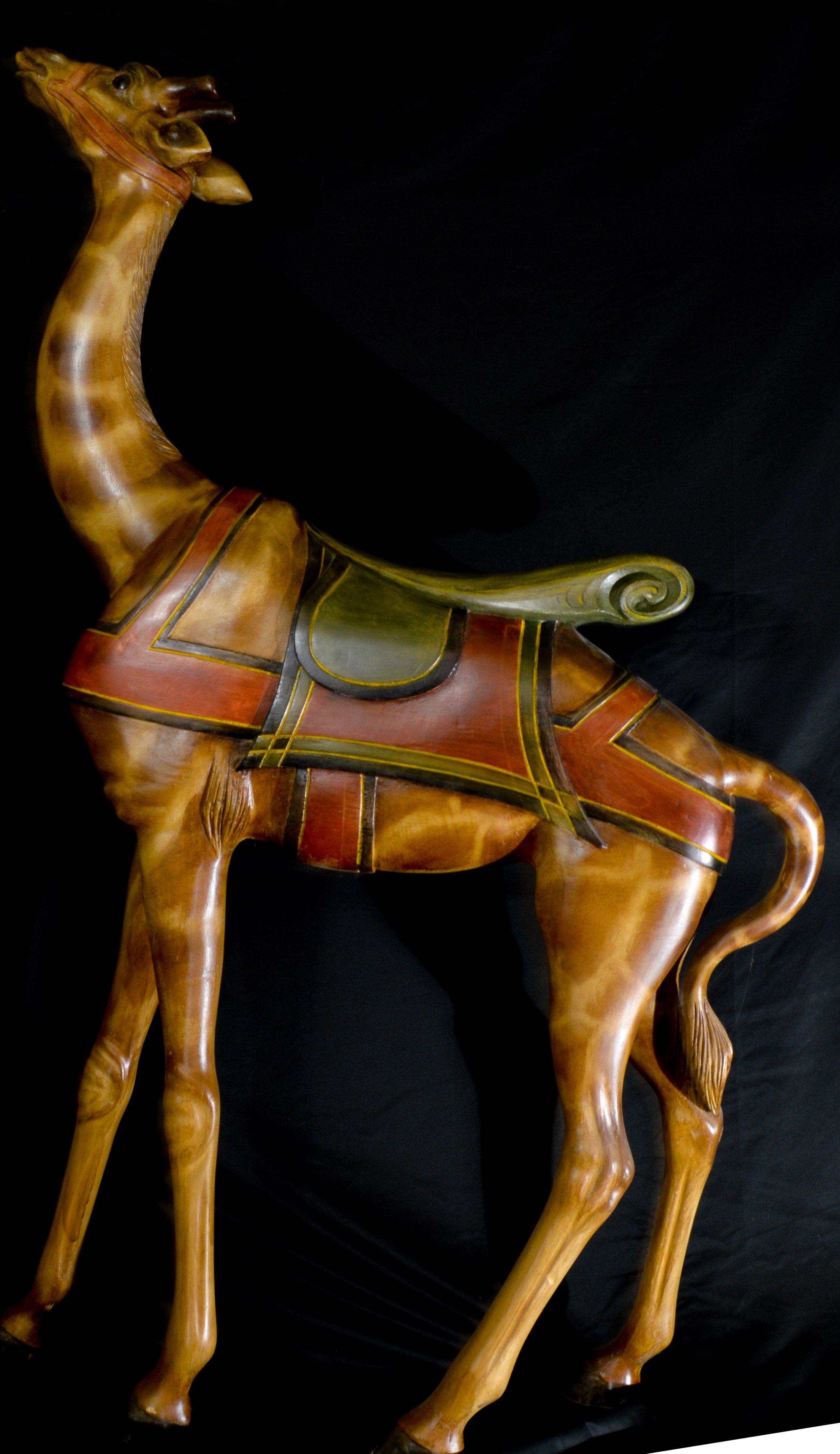
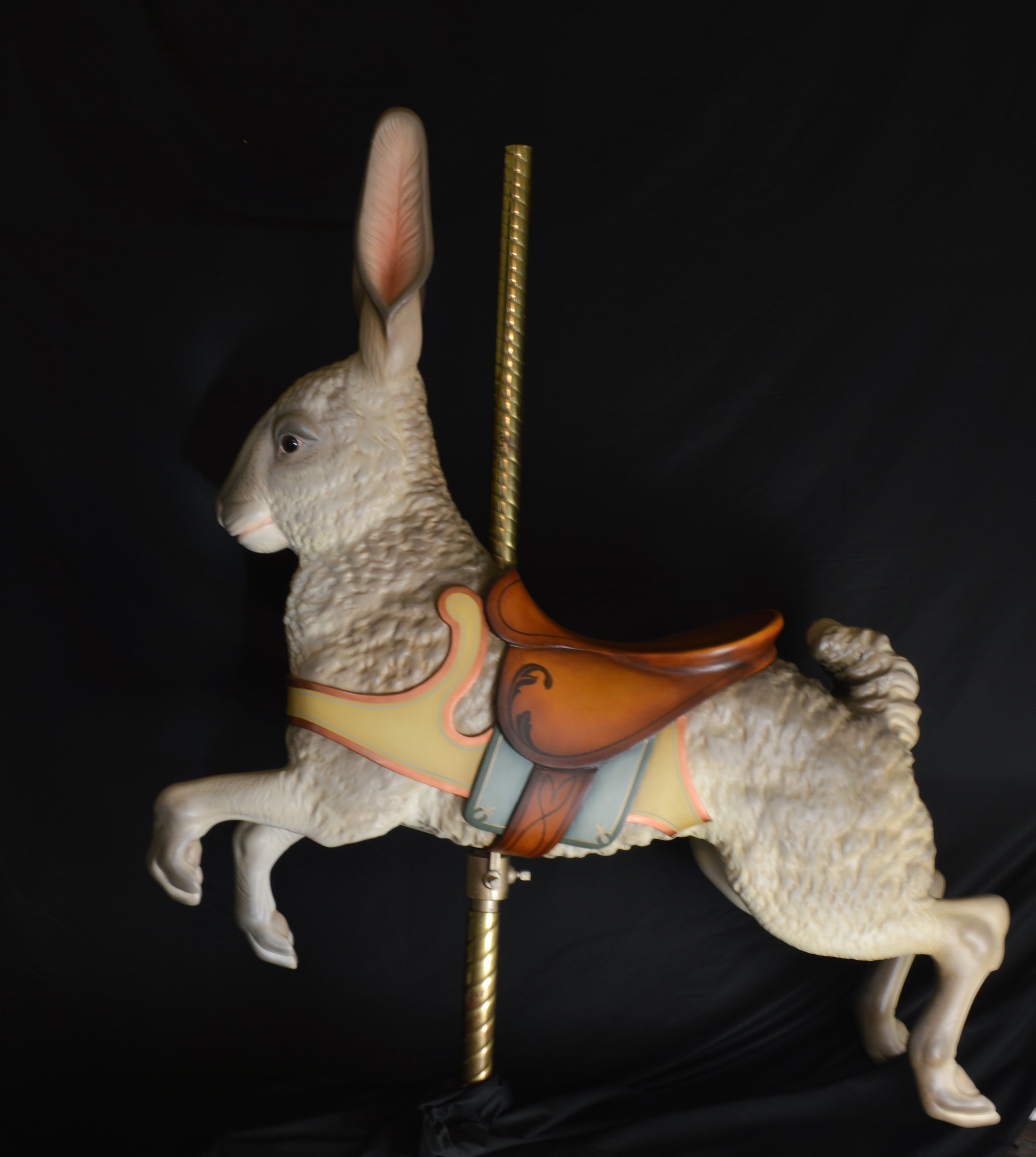
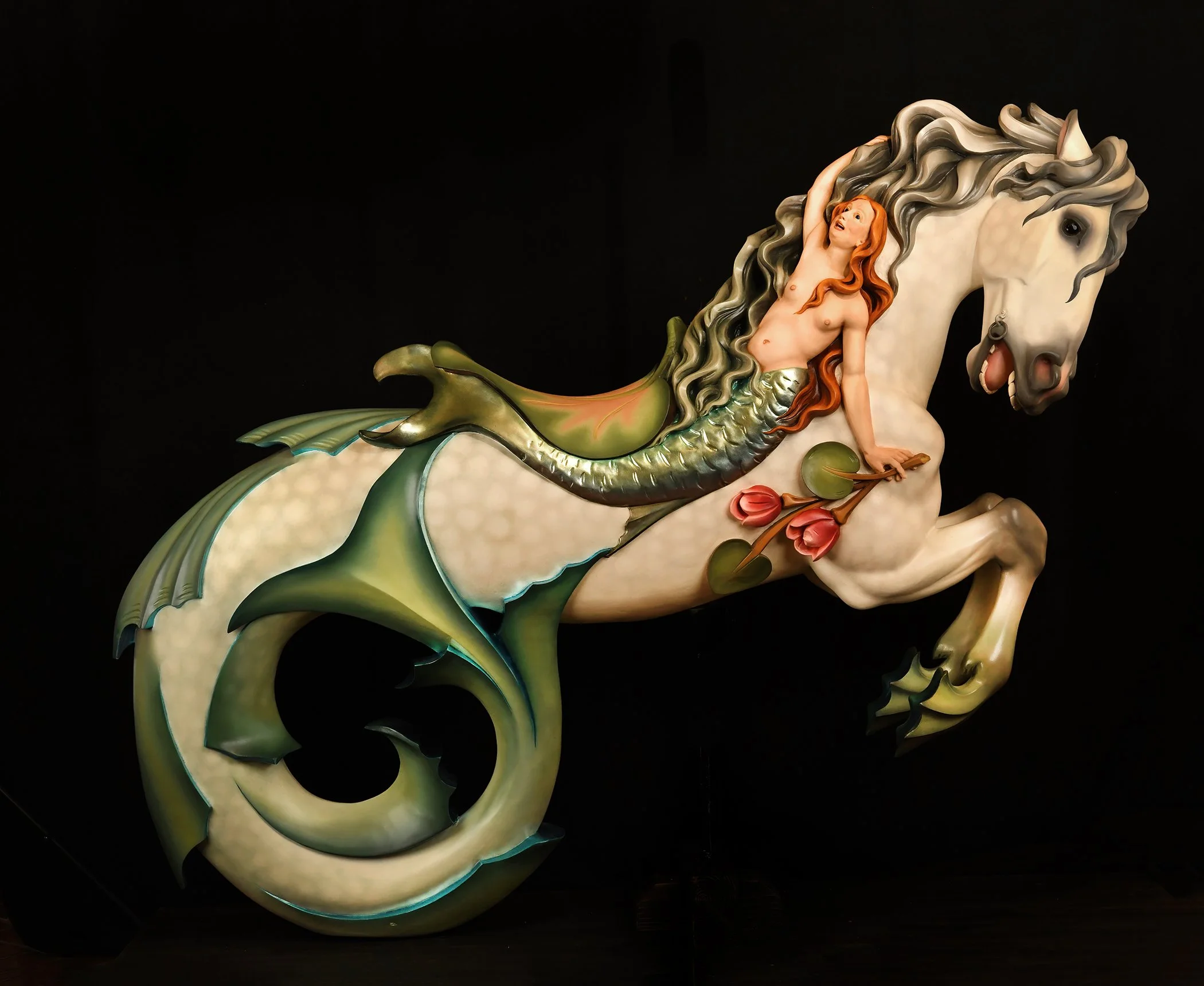
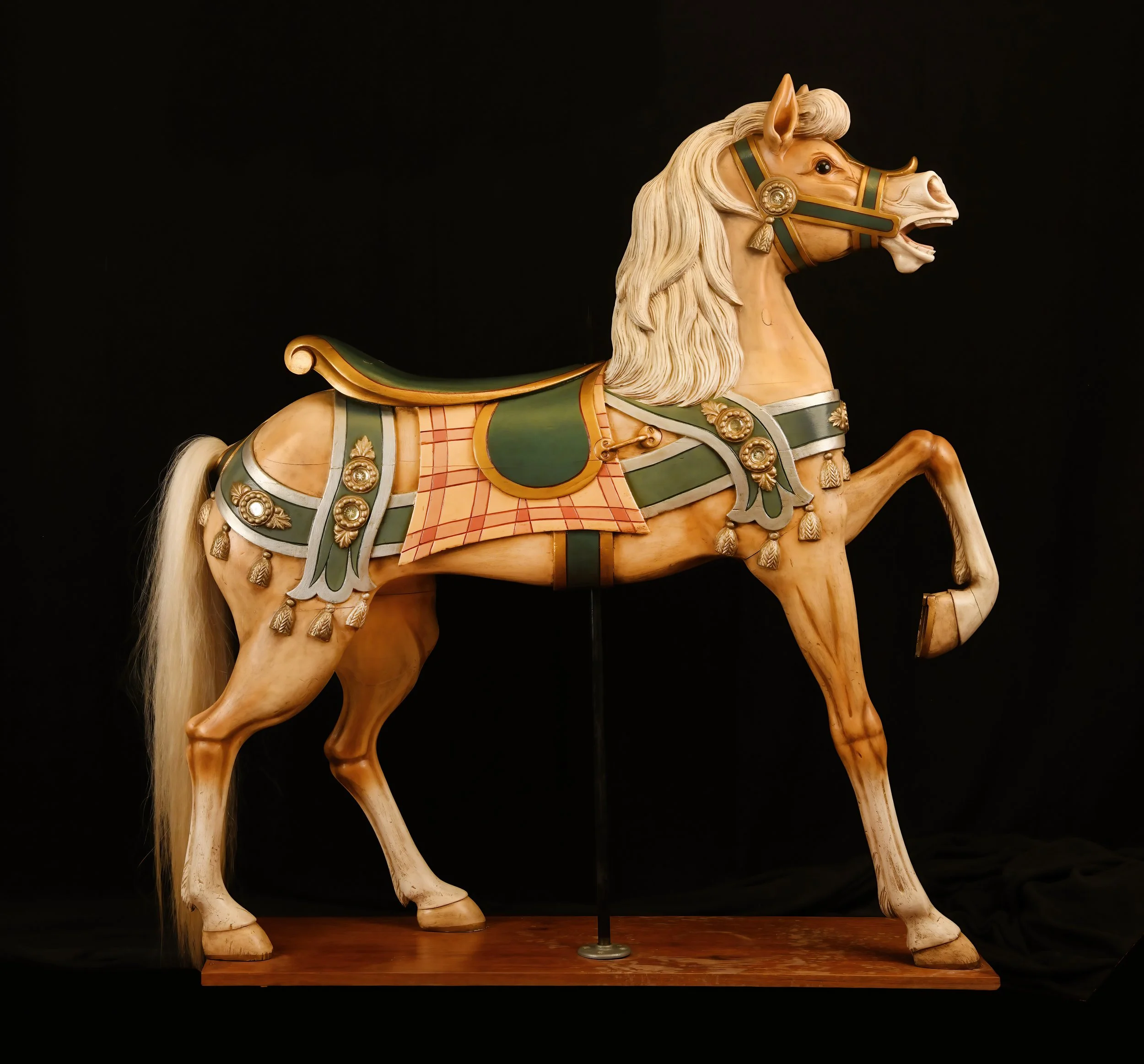
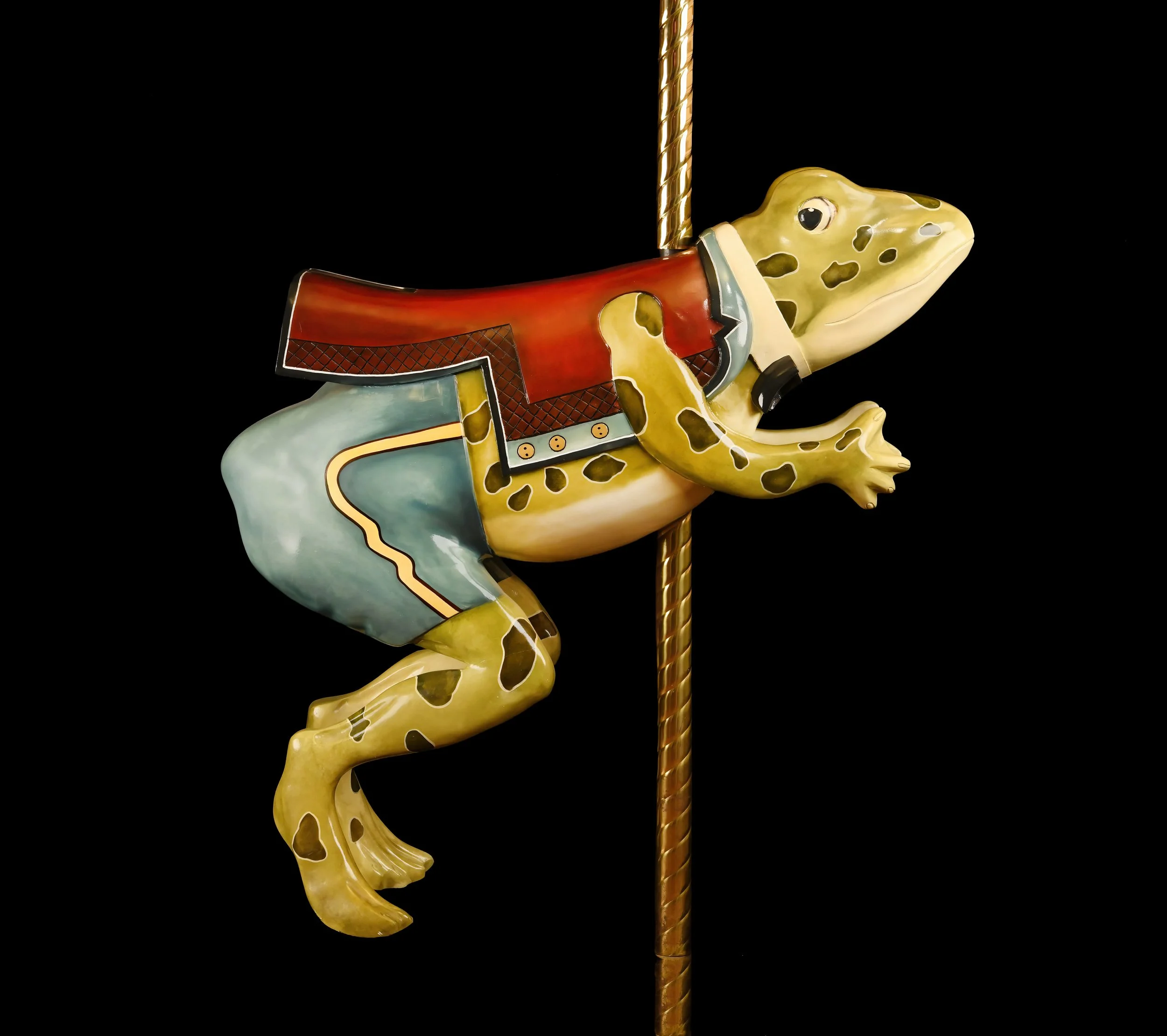
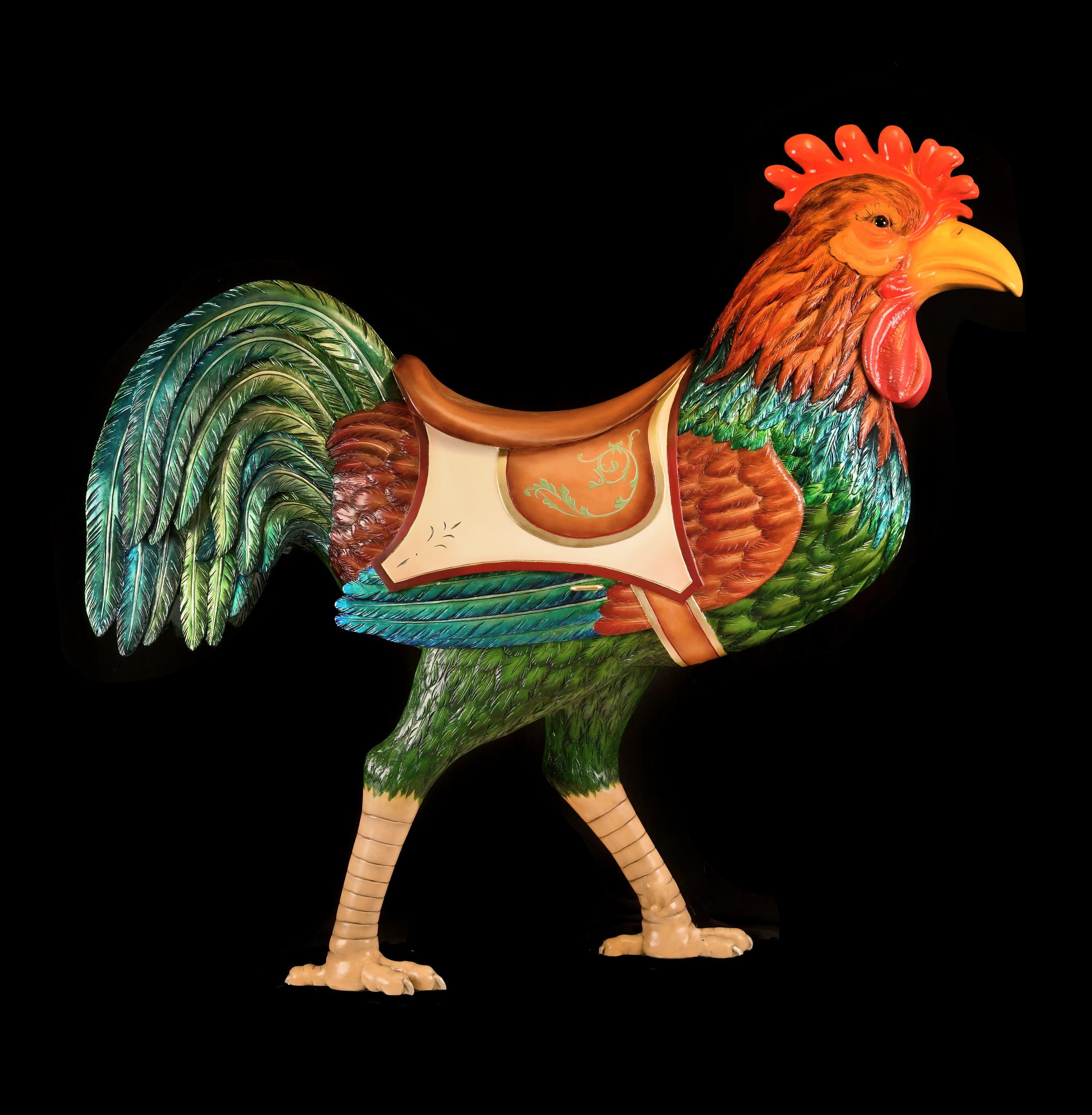
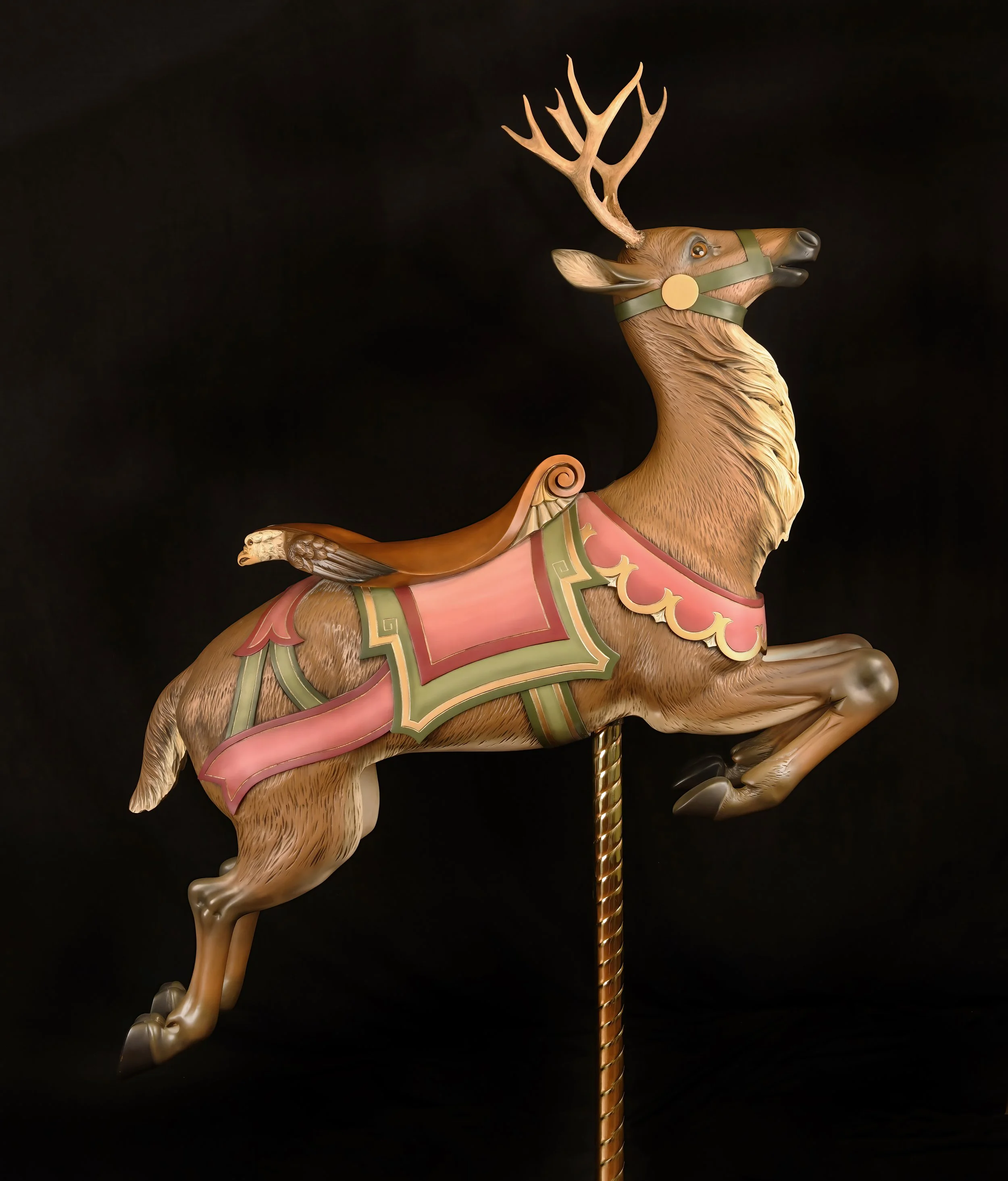
The figures Armitage-Herschell produced were characteristically portable and straightforward — built for the traveling carnival trade rather than the permanent park installations favored by Philadelphia-school makers. Animals were carved from basswood or poplar, crafted on the carving floor and finished in the paint shop before shipping. At its peak, the company was sending machines to all parts of the world, including India and Tahiti. The company declared bankruptcy in 1903, at which point Herschell-Spillman acquired its assets — beginning the next chapter of the North Tonawanda carousel lineage. Armitage-Herschell figures therefore date to a defined production window of roughly 1883 to 1903, making period attribution traceable and meaningful. Gregory Couch + 2