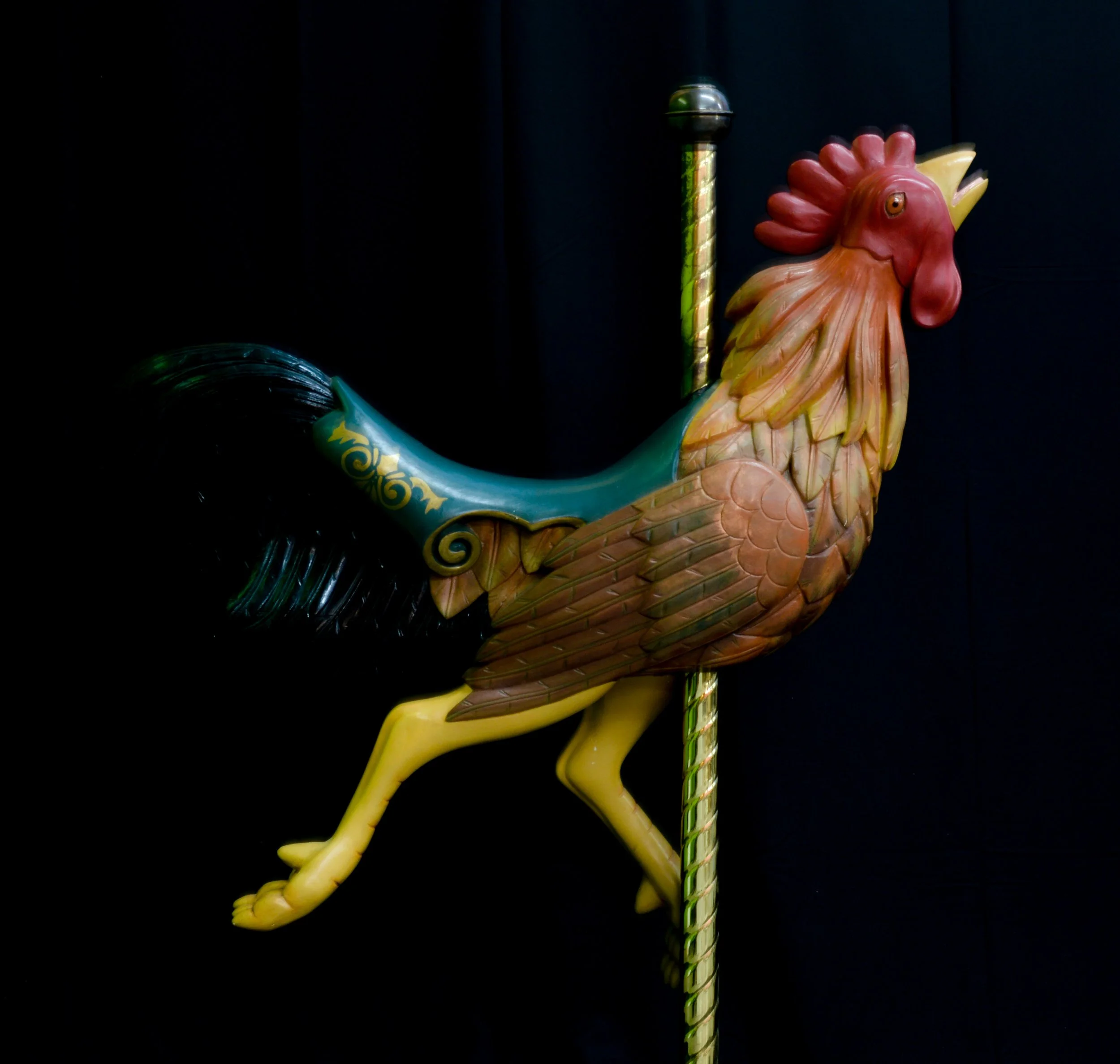
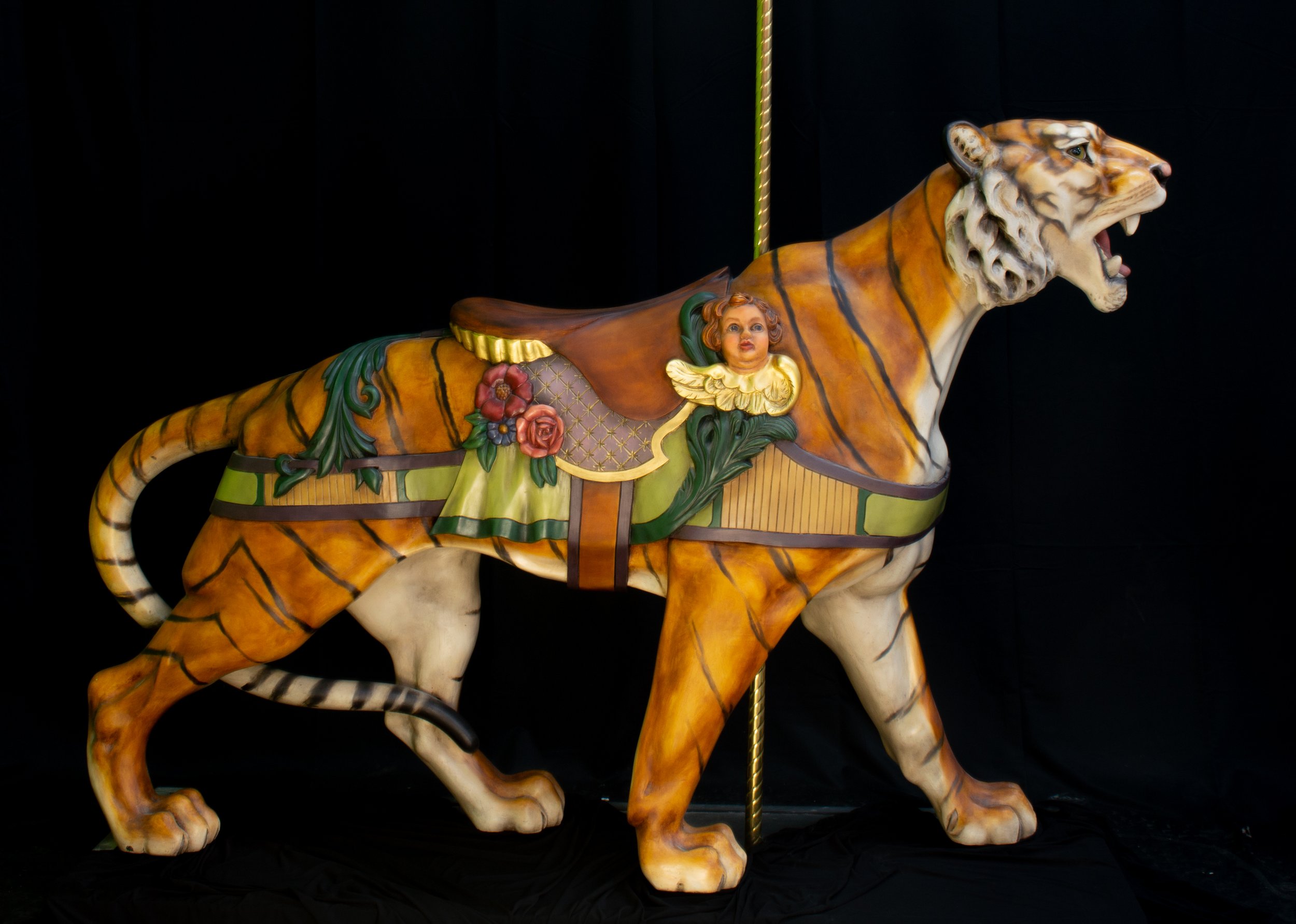
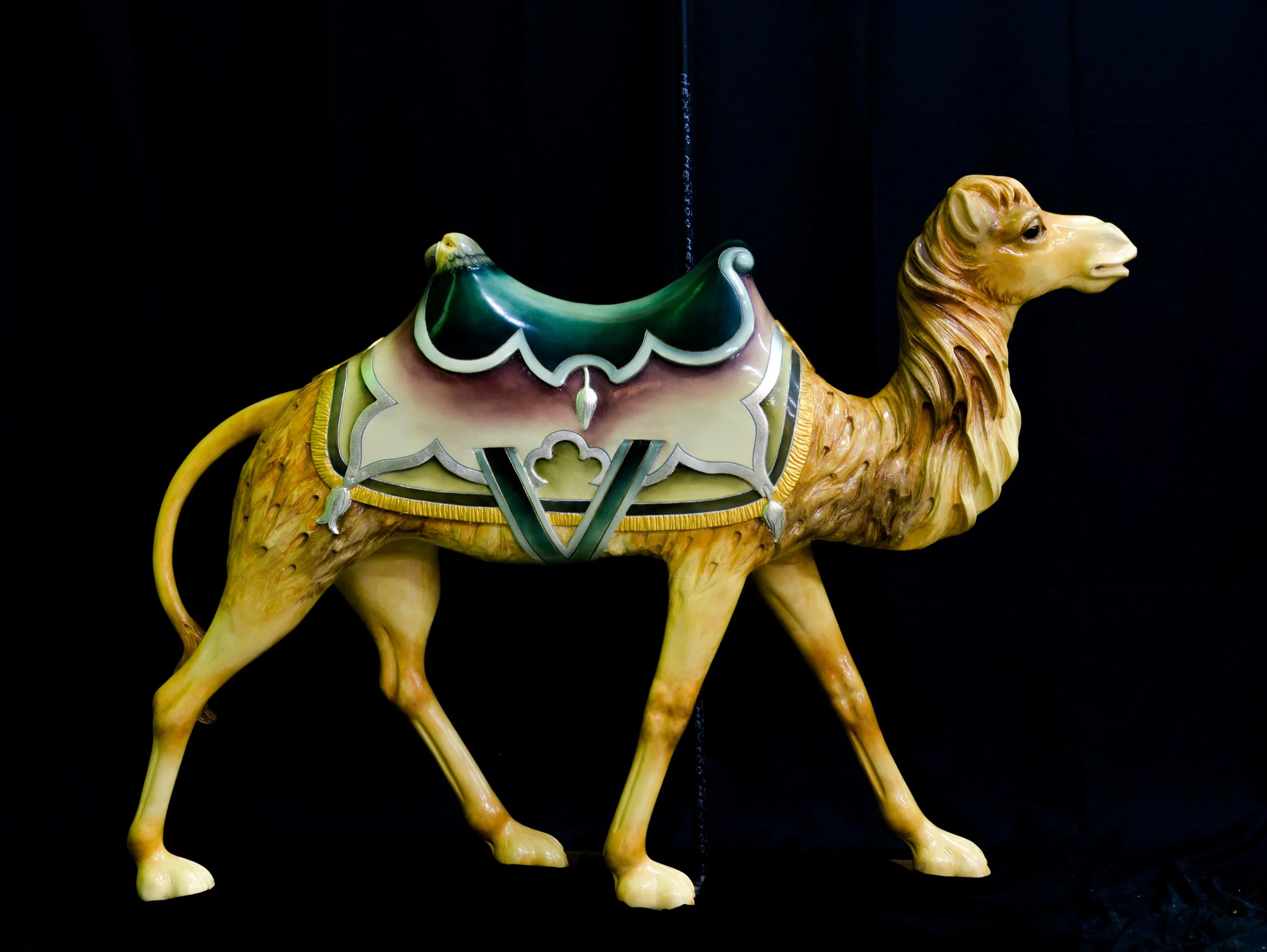
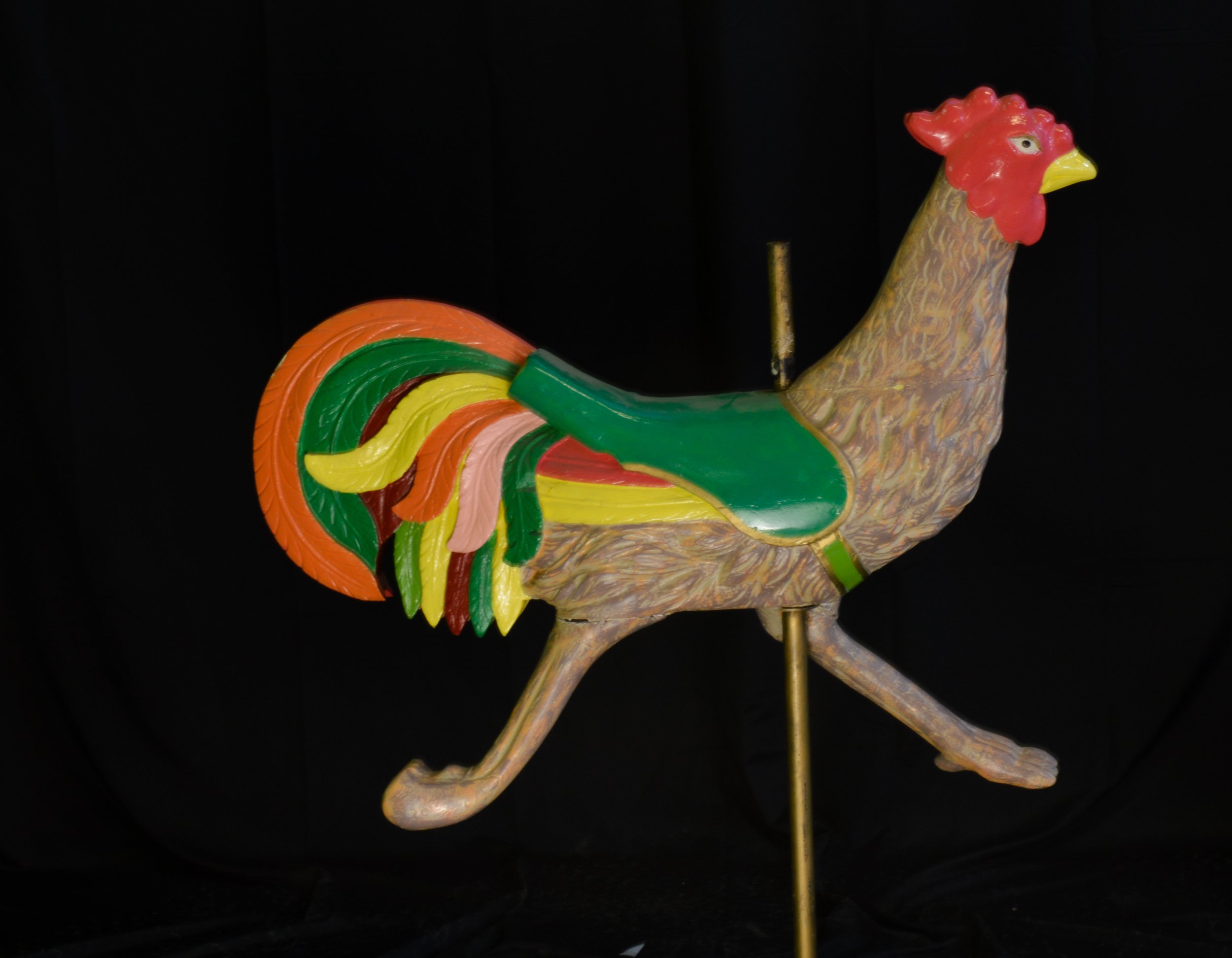
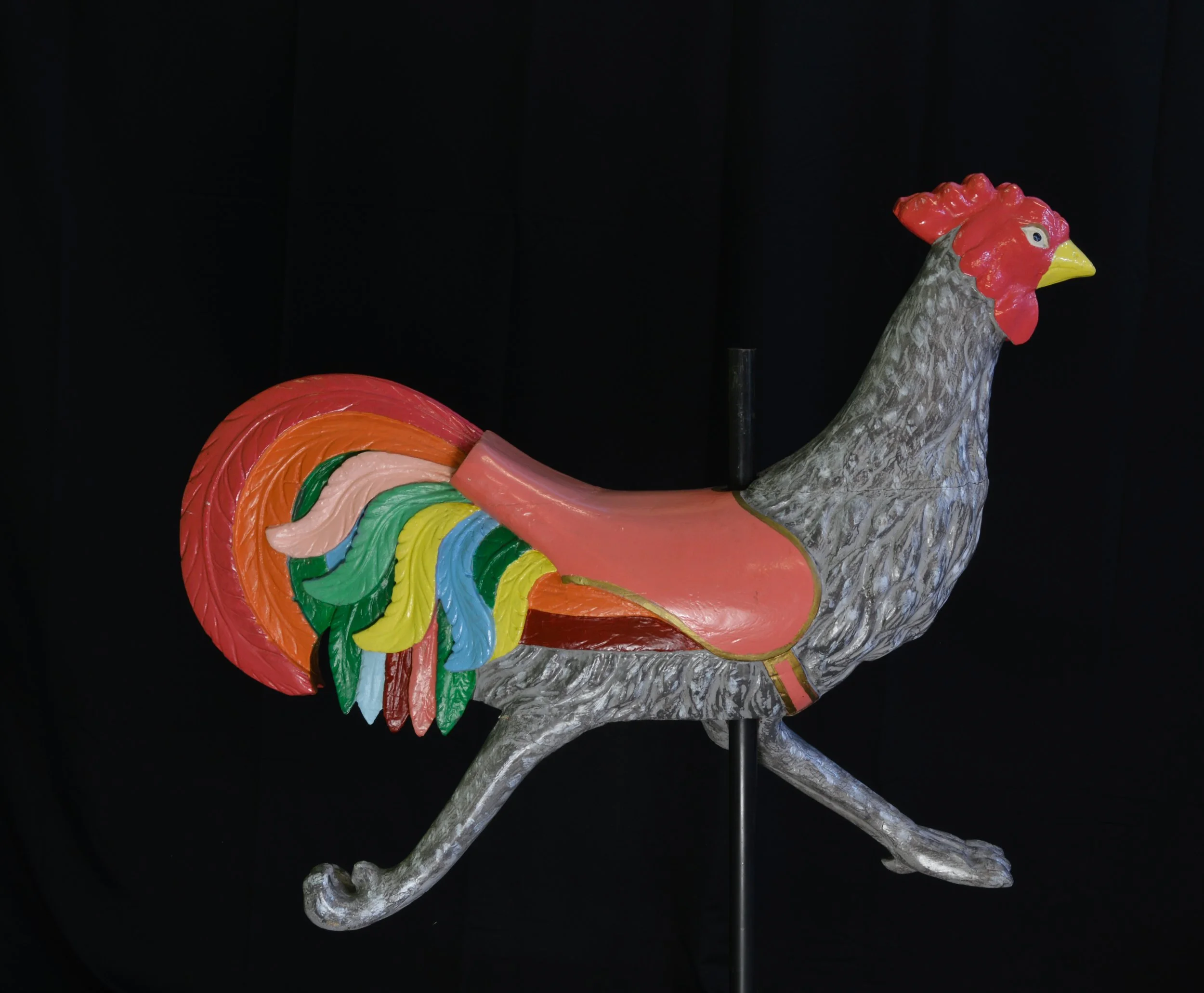
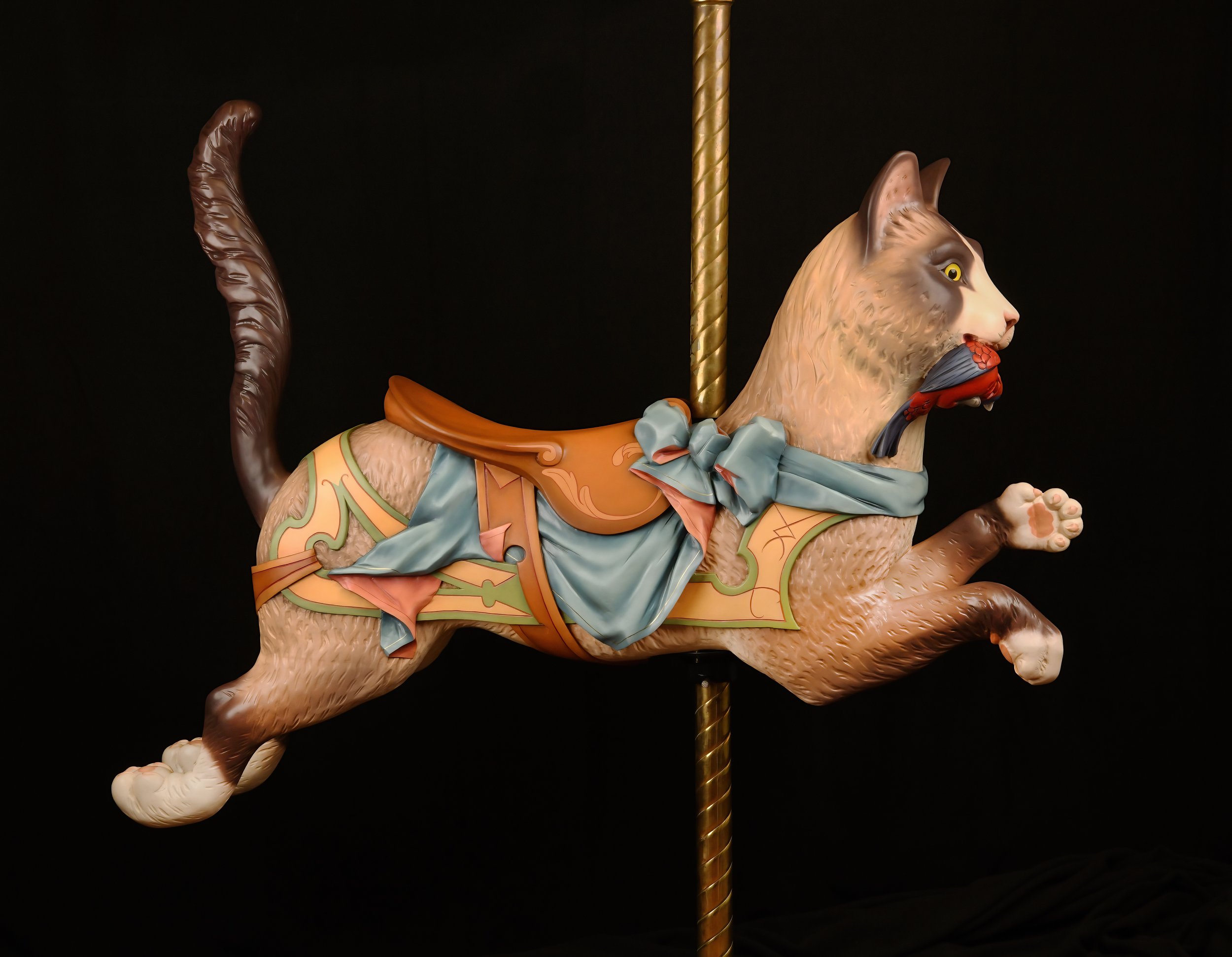
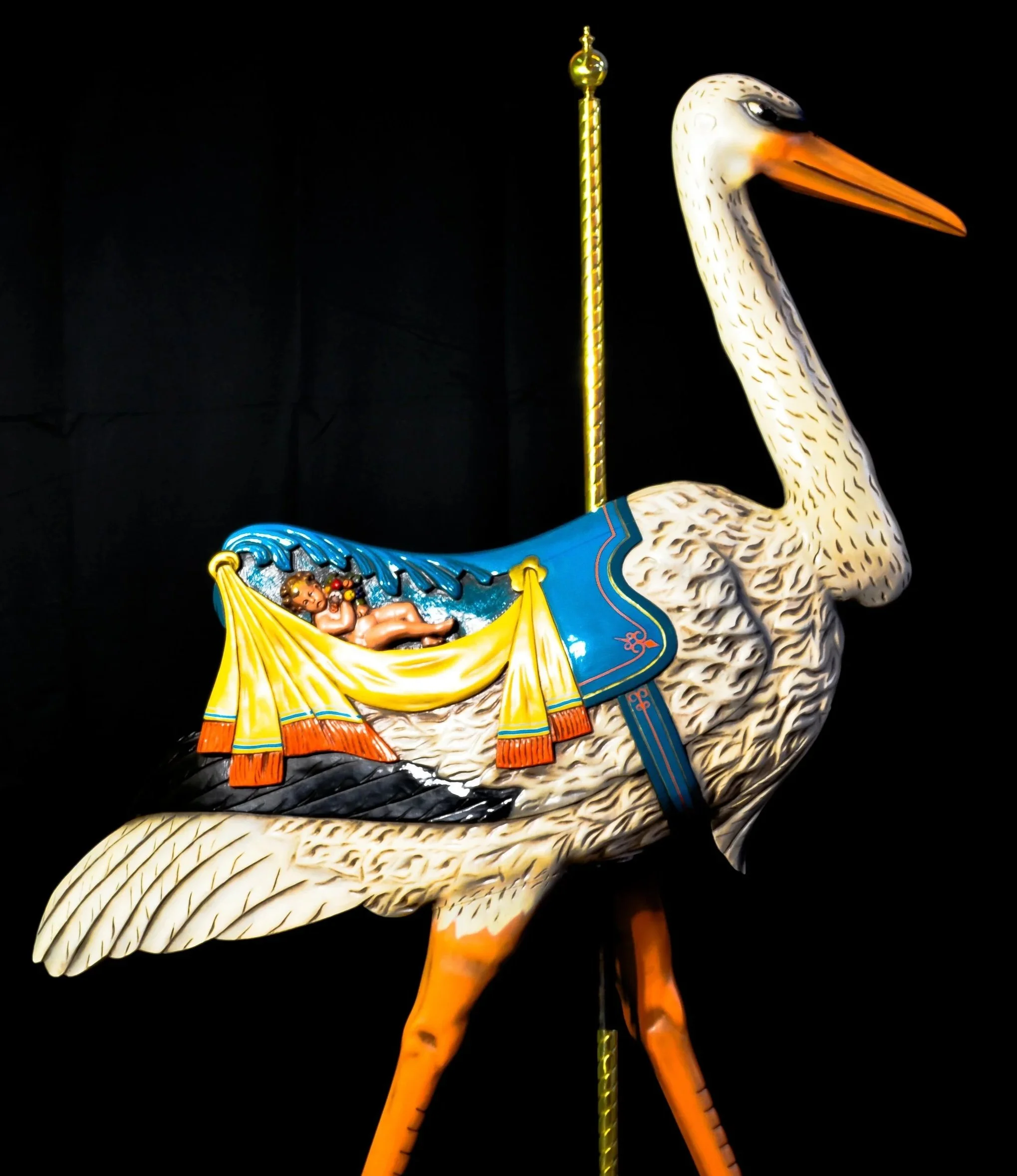
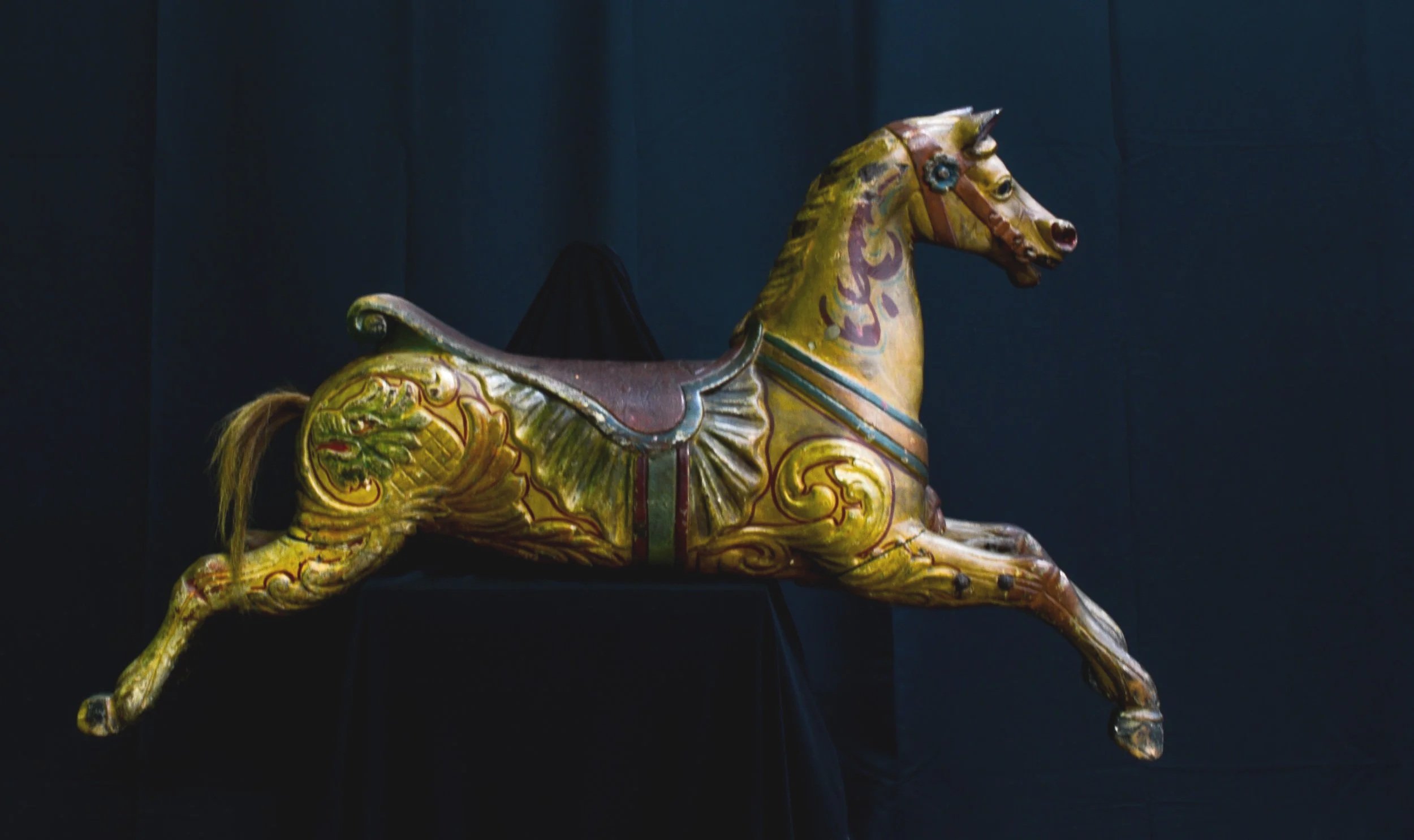
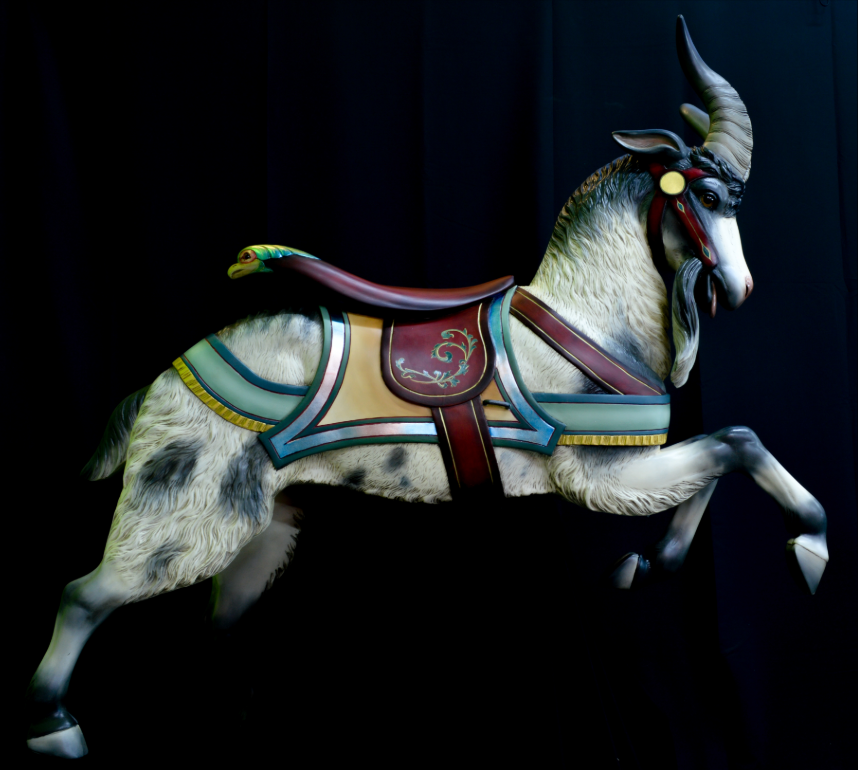
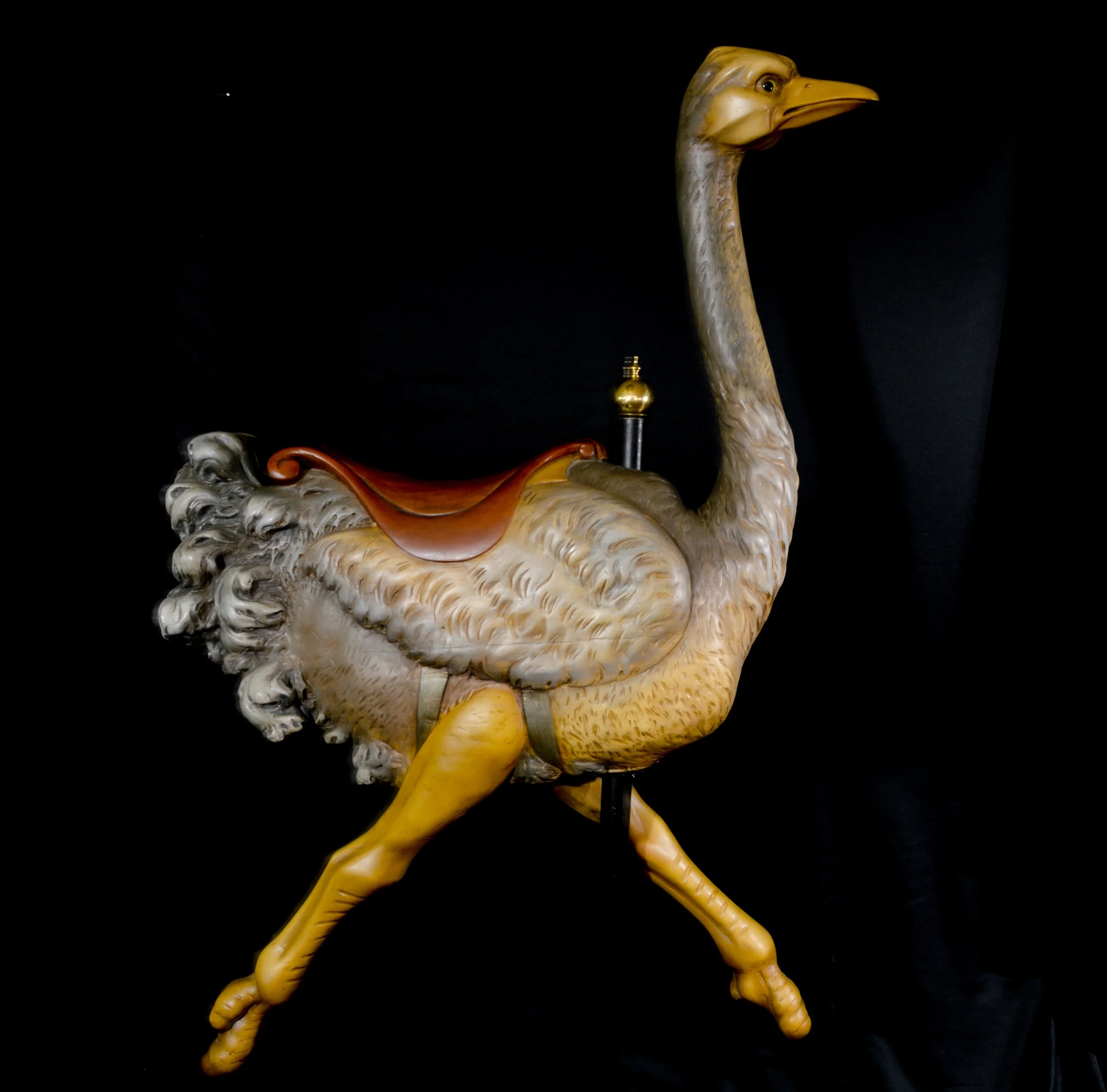
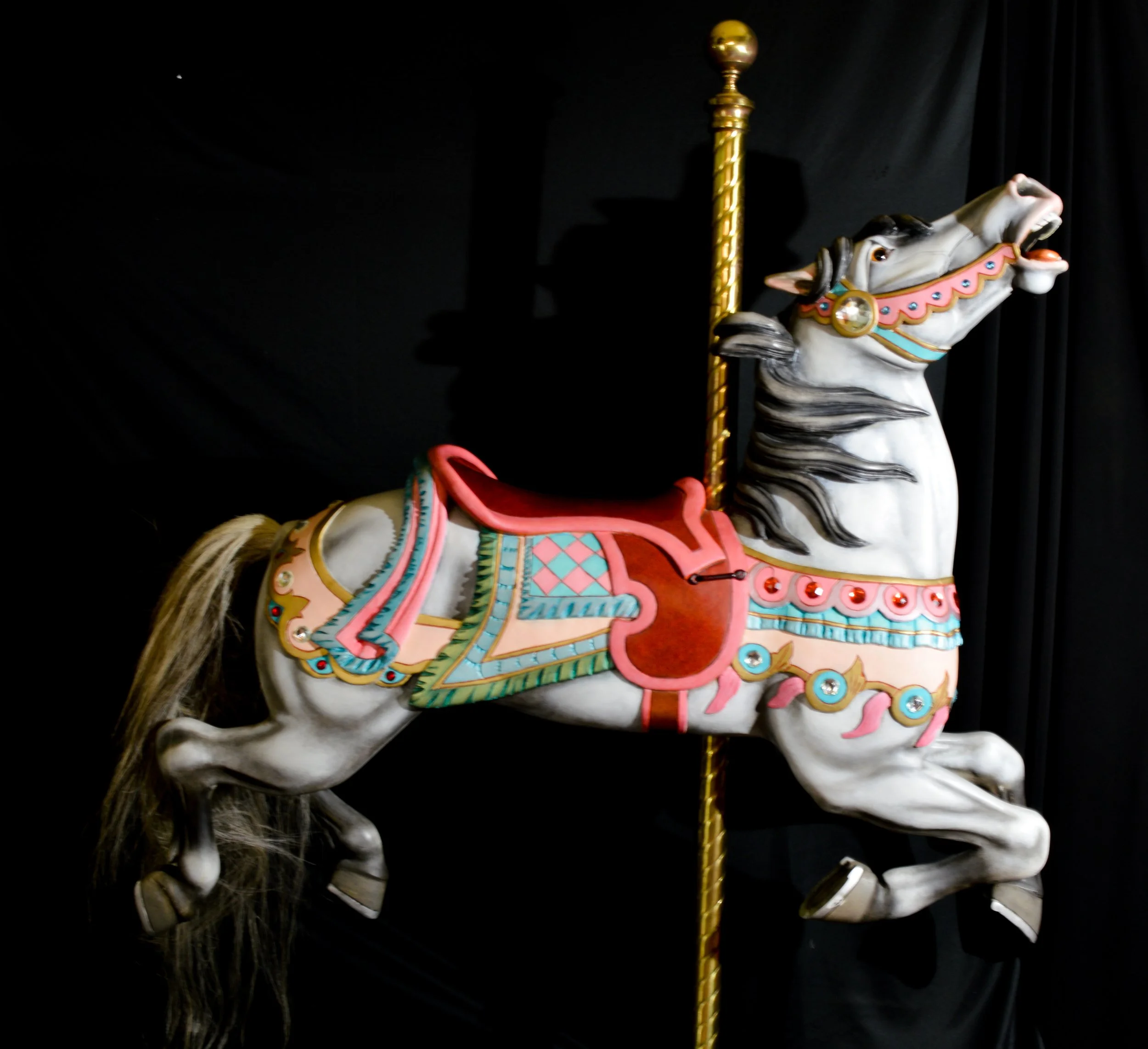
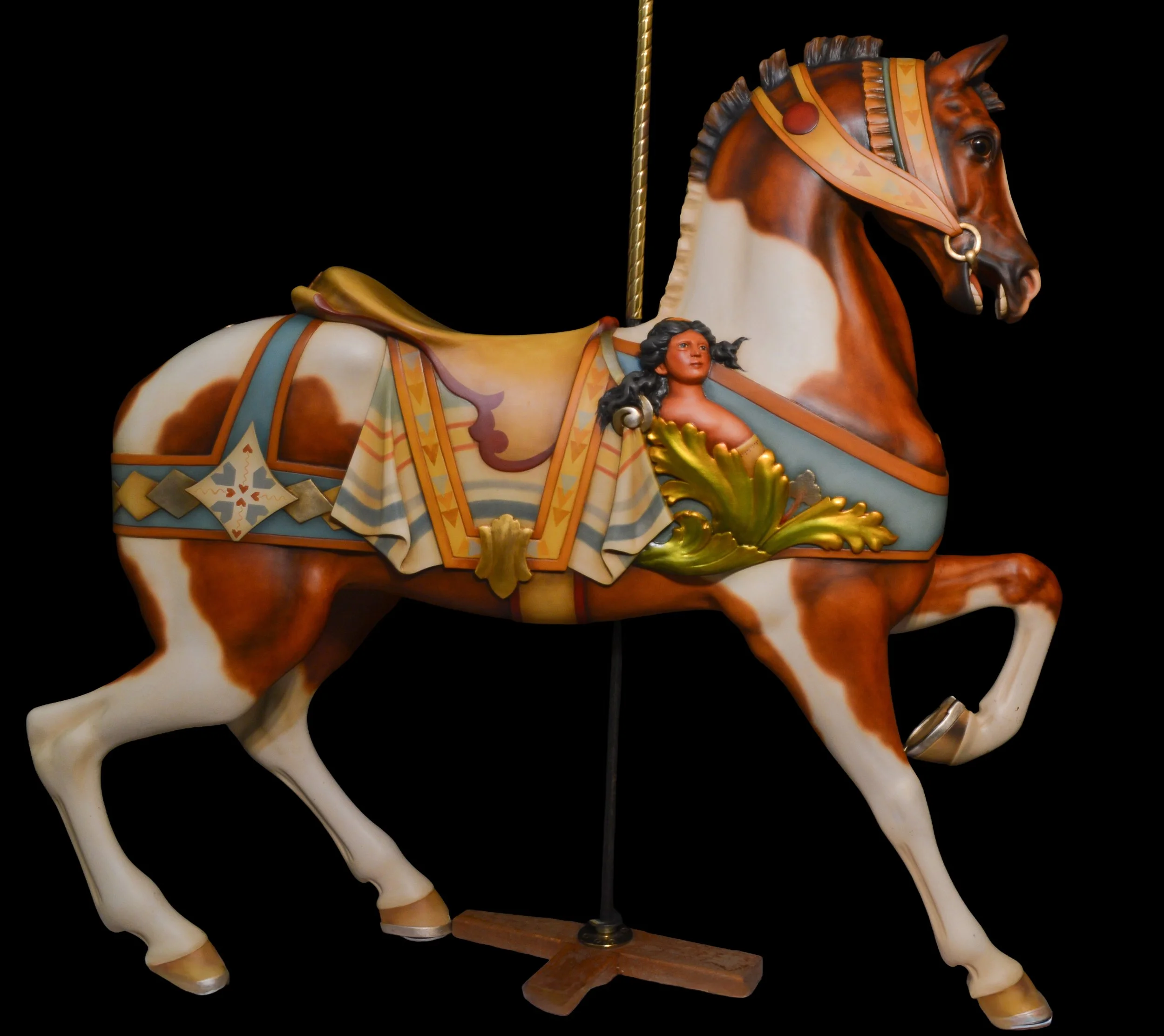
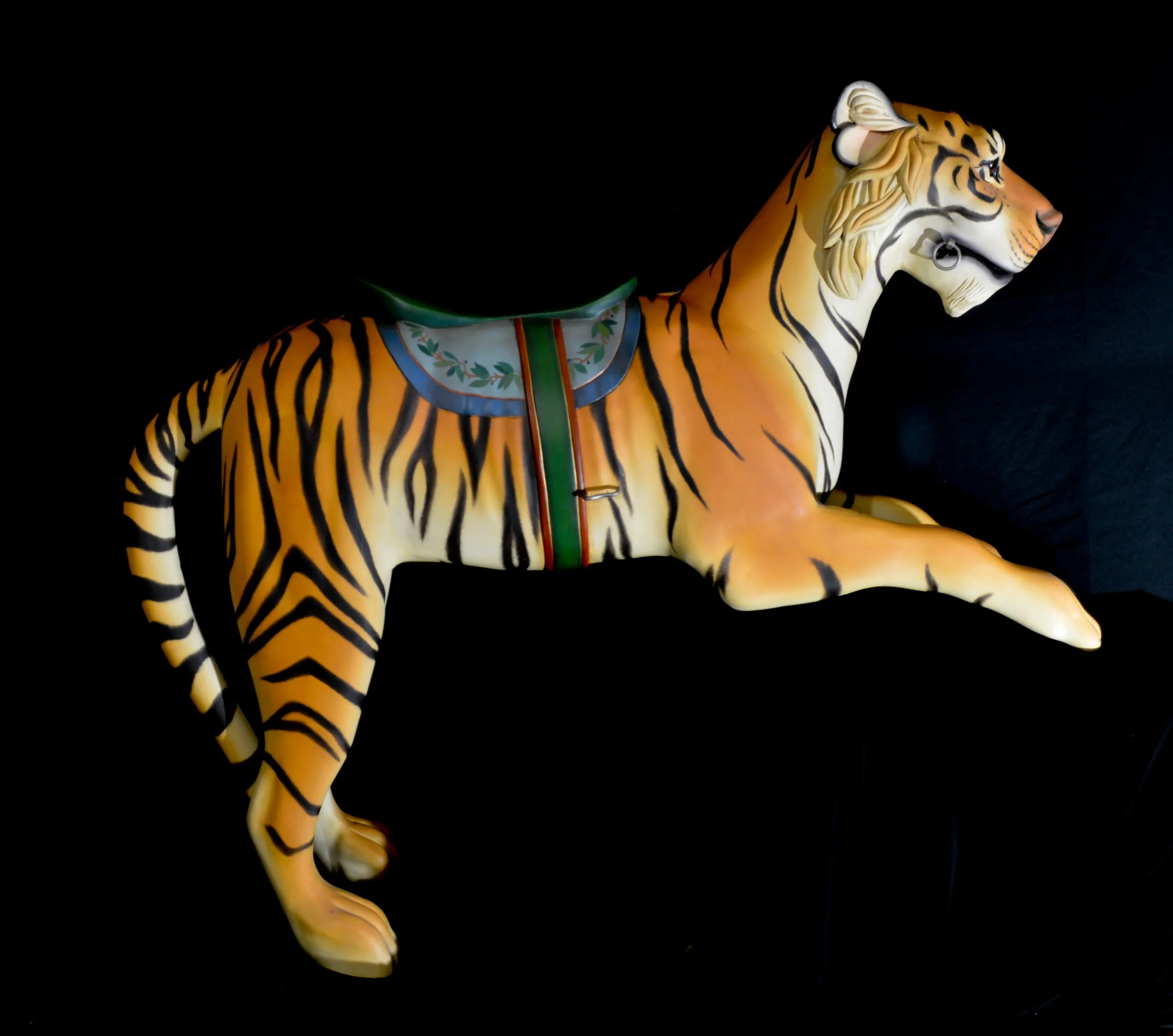
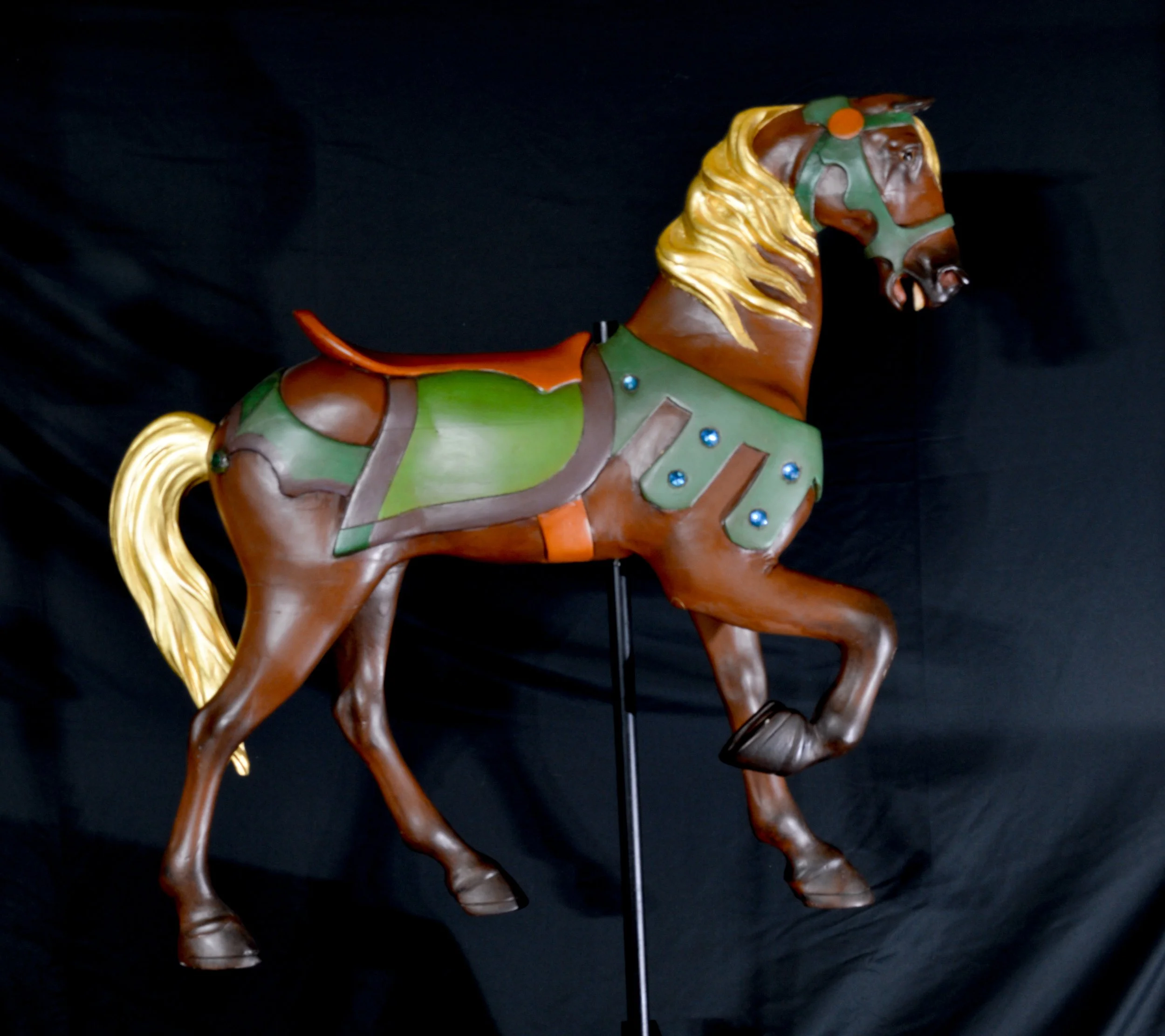
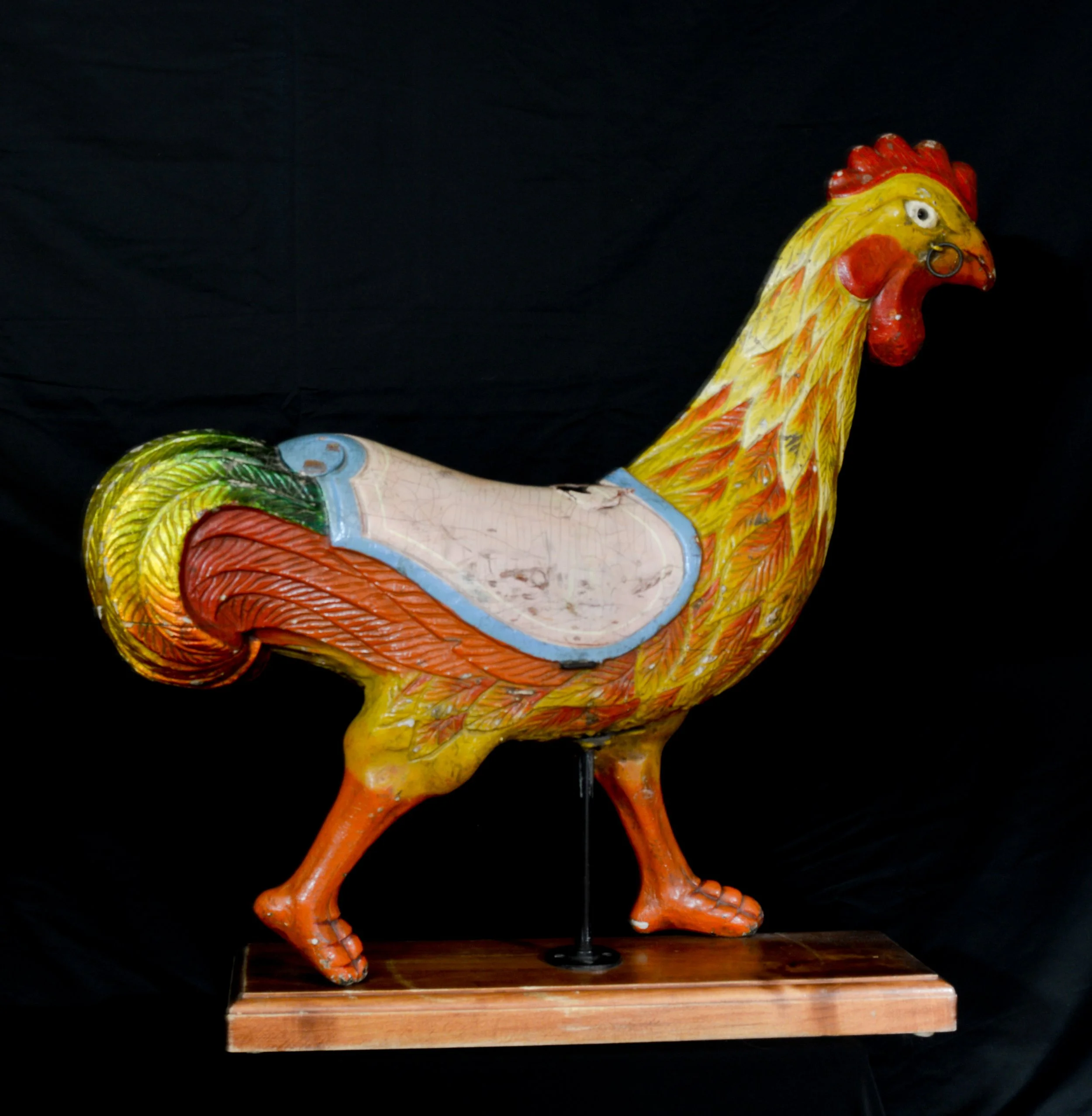
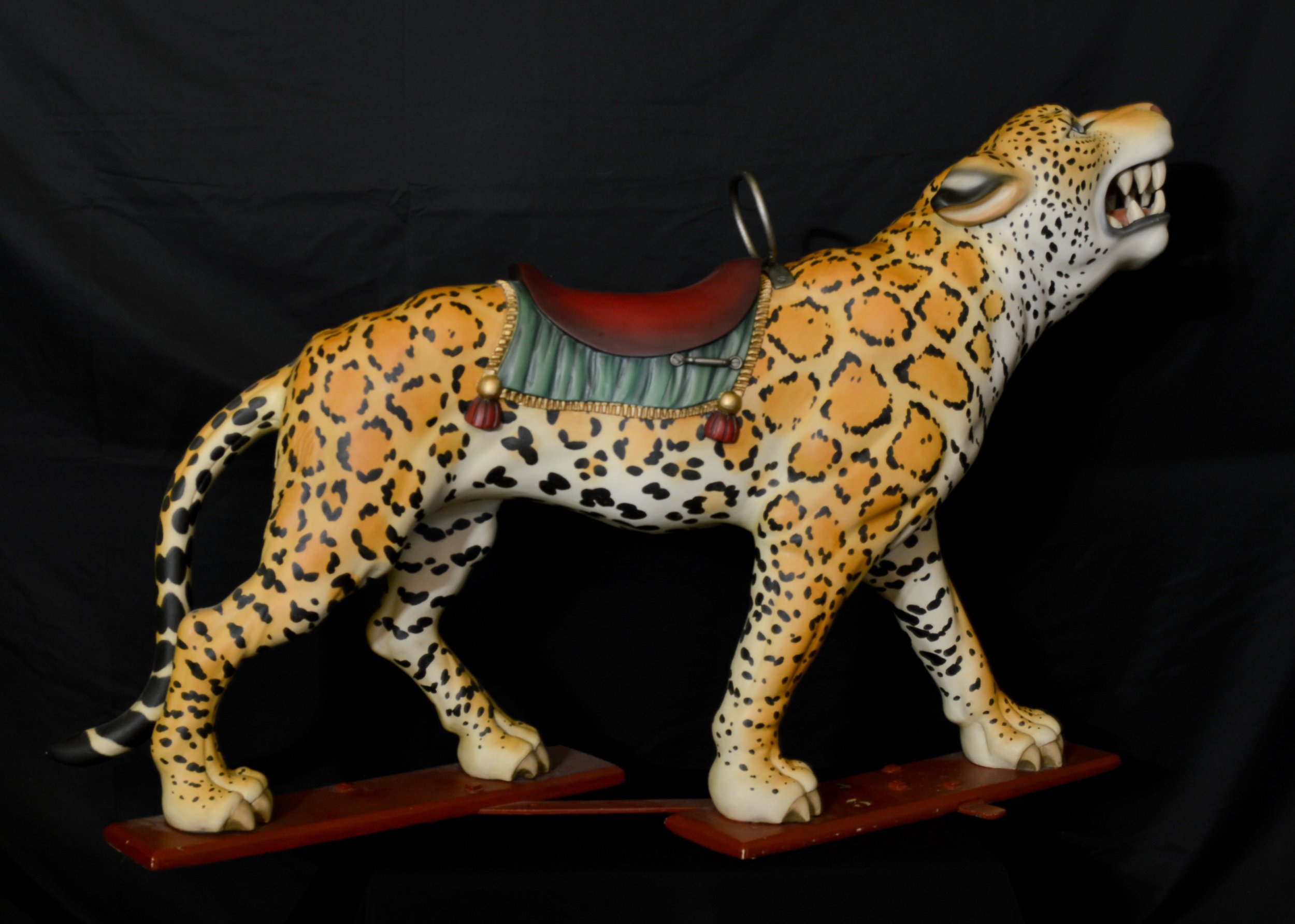
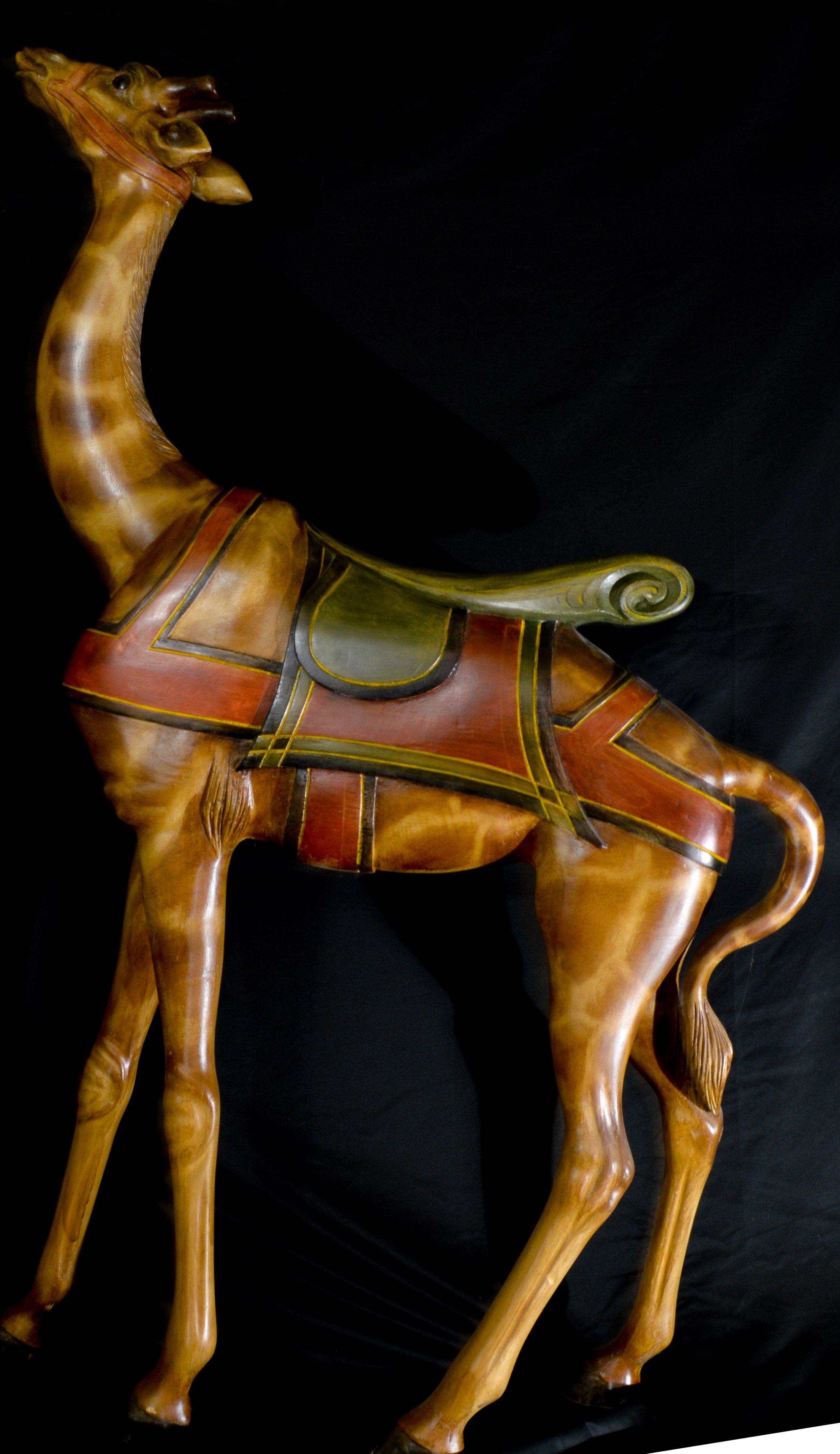
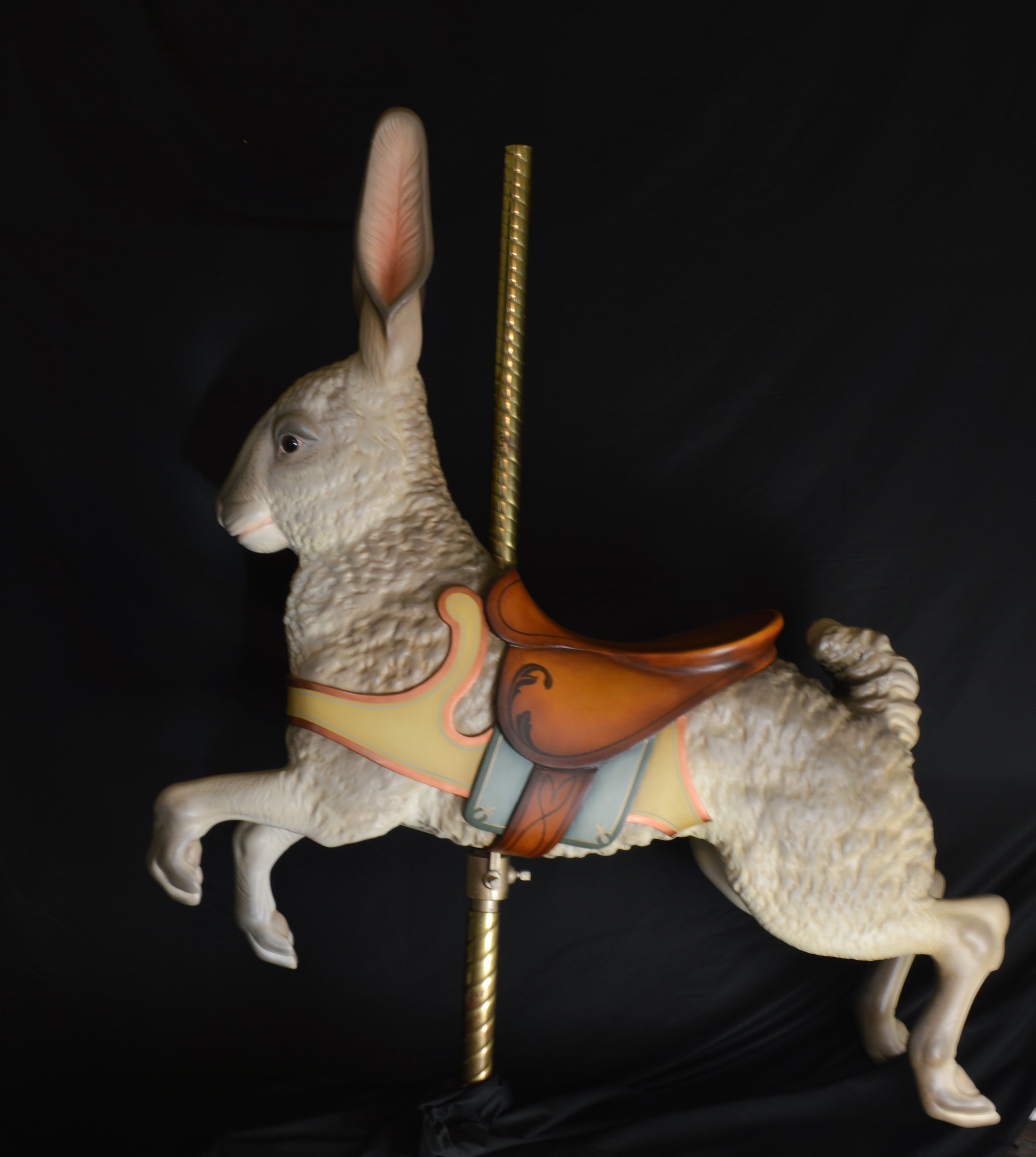
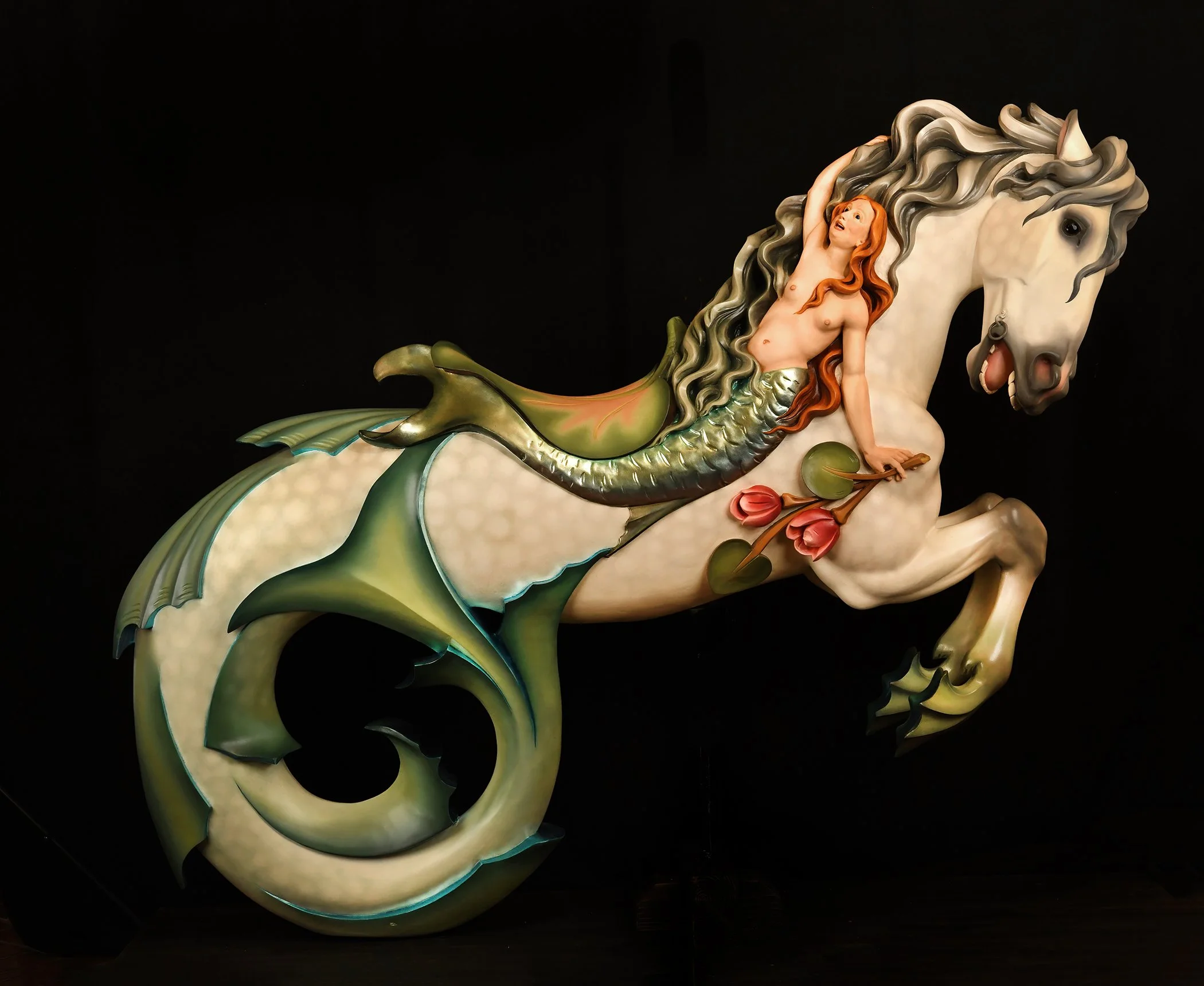
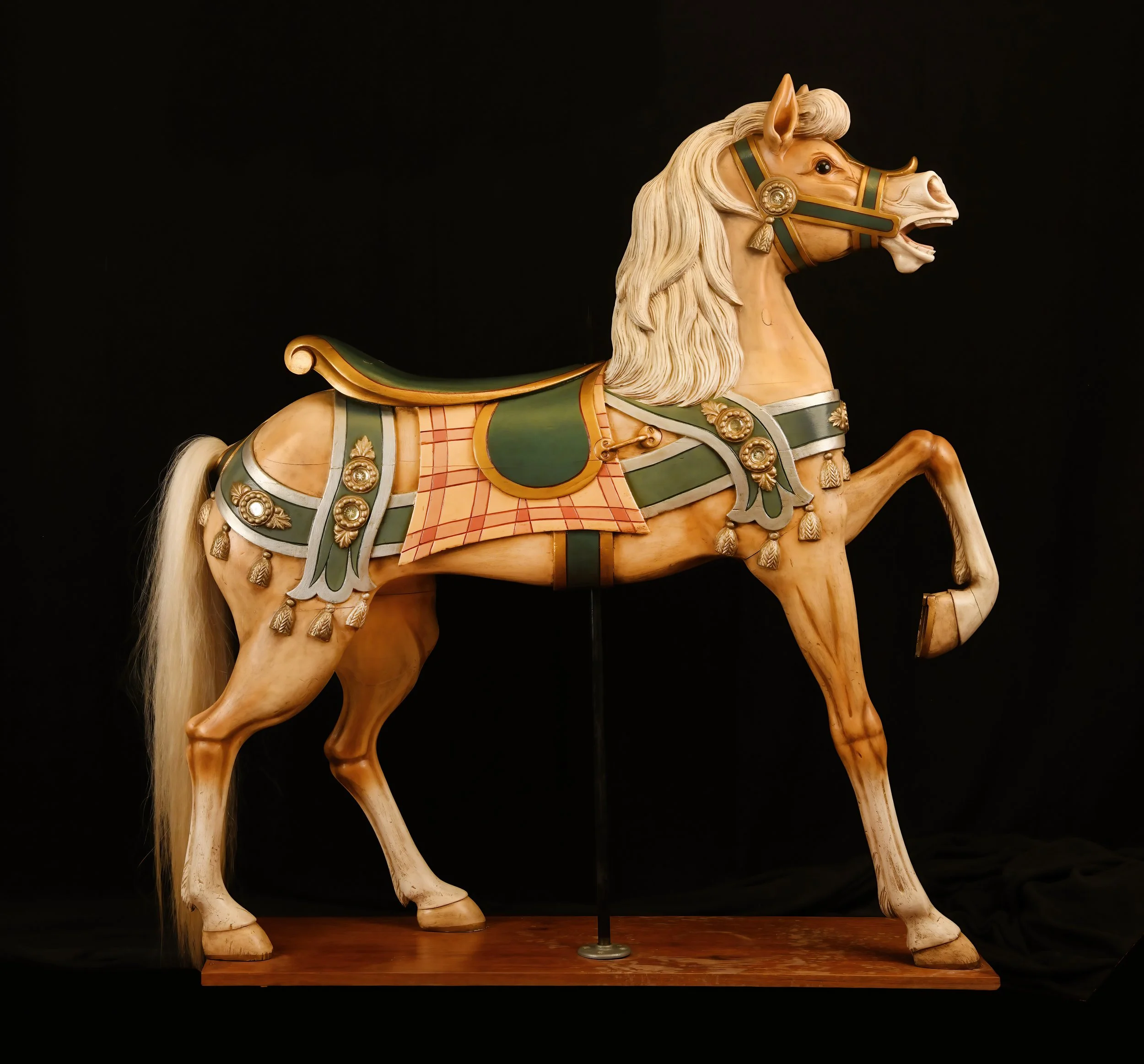
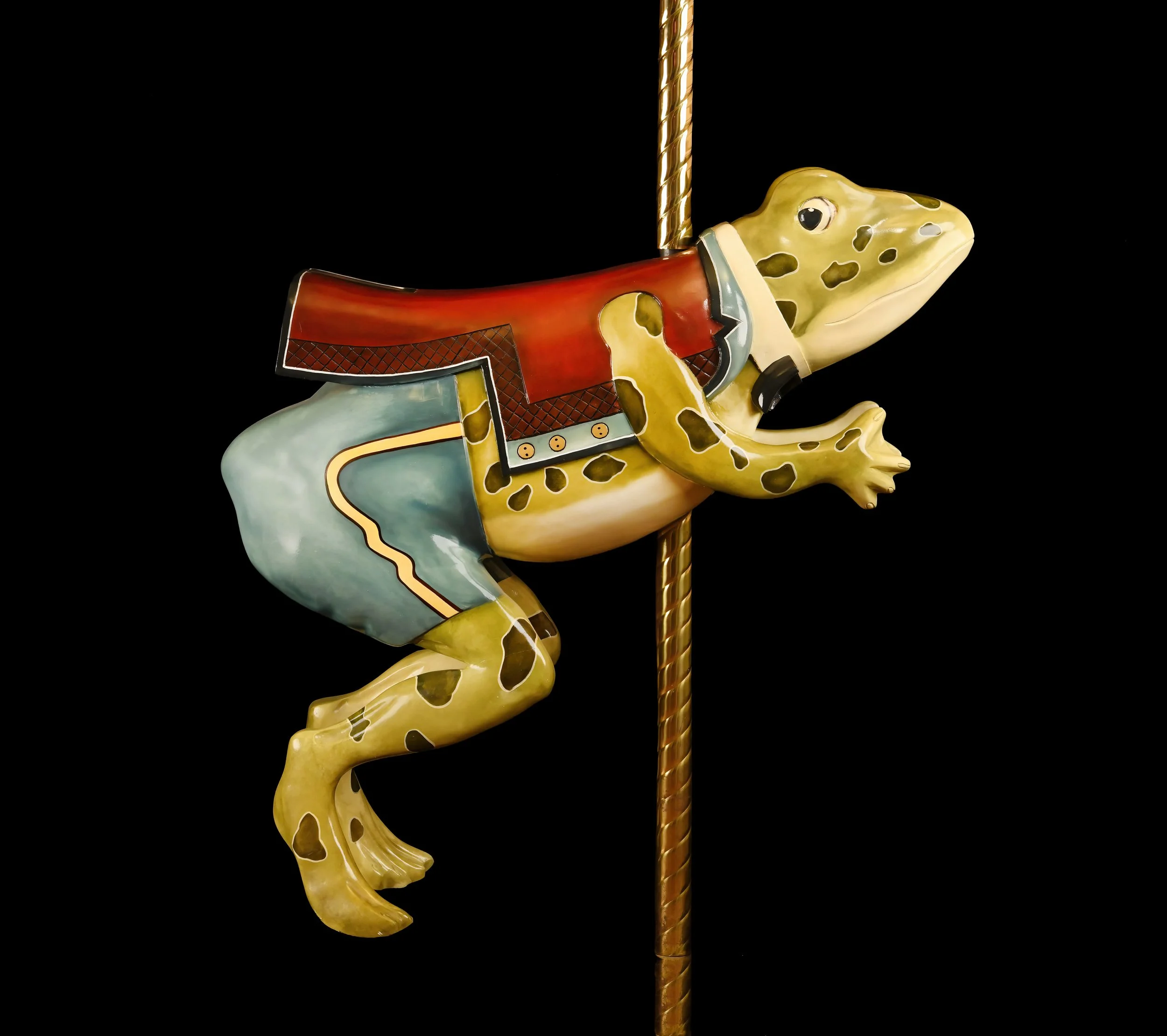
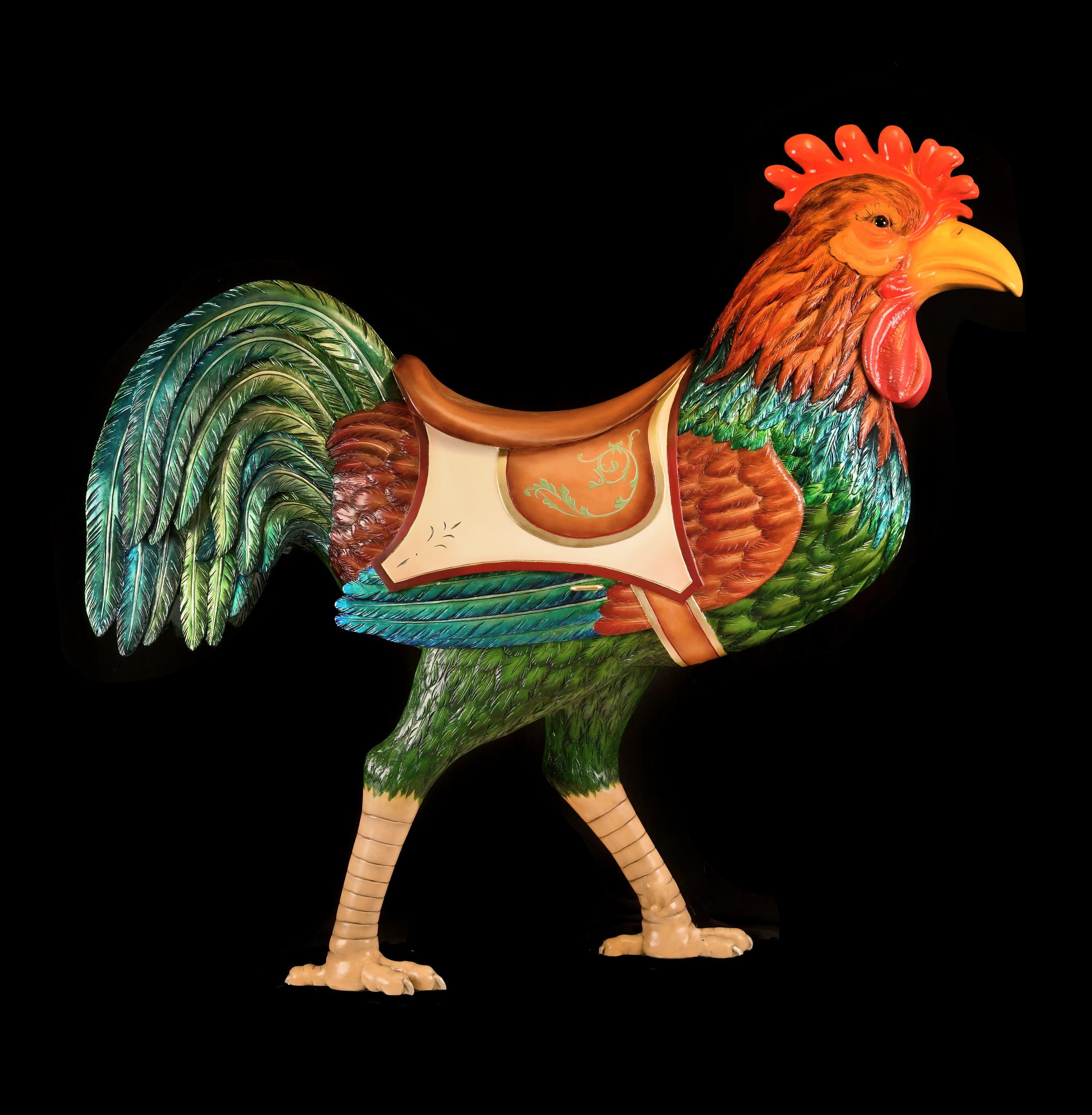
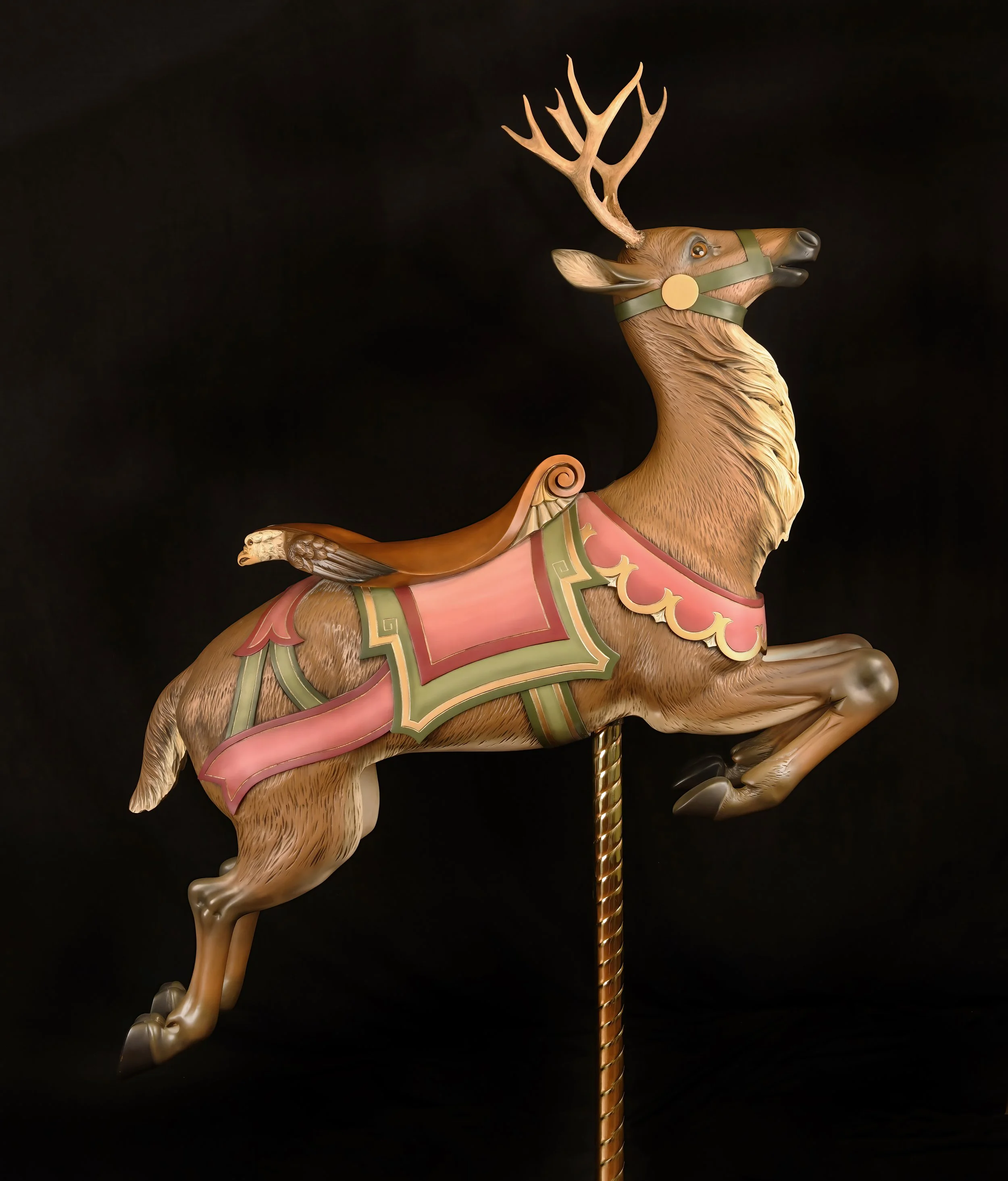
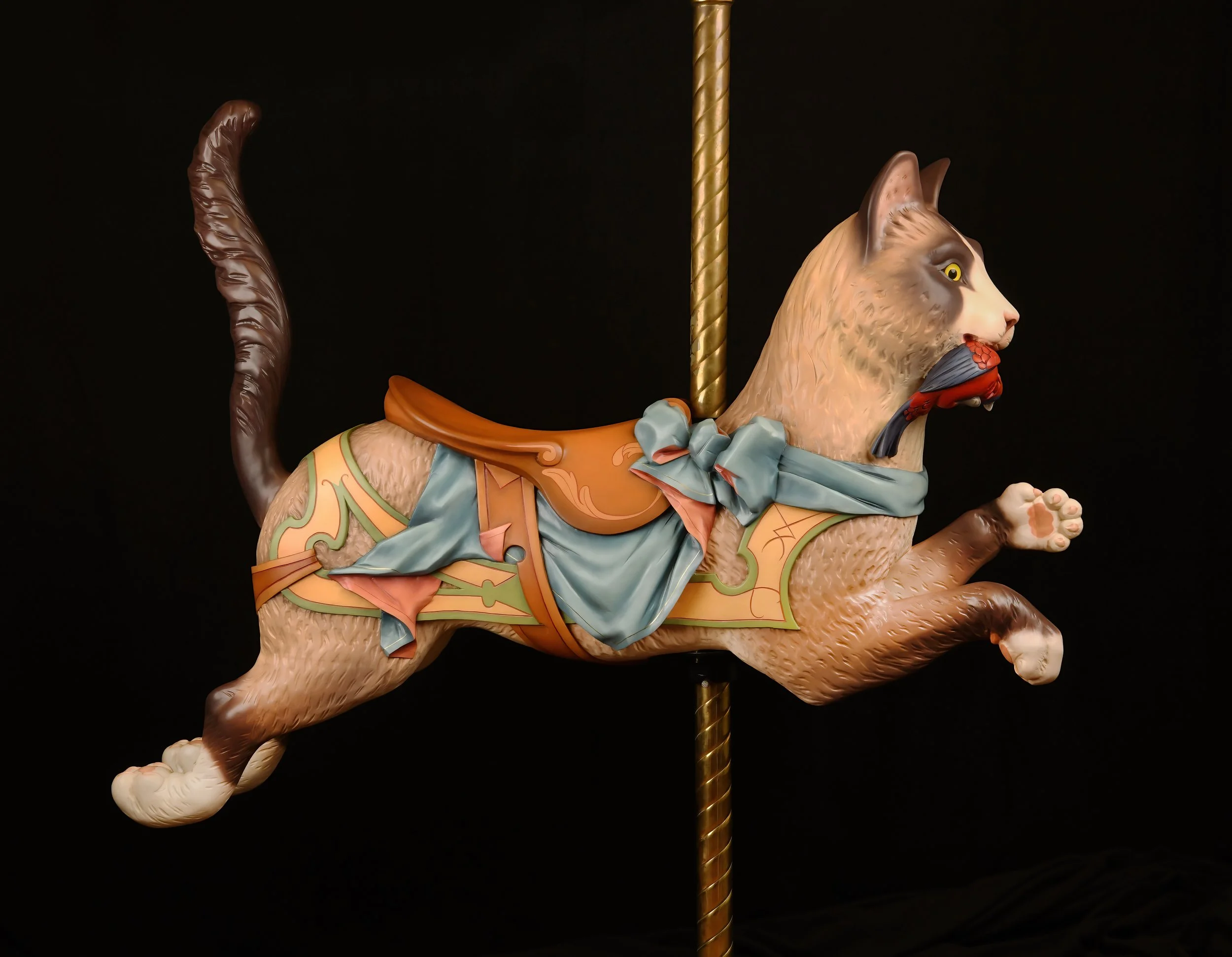
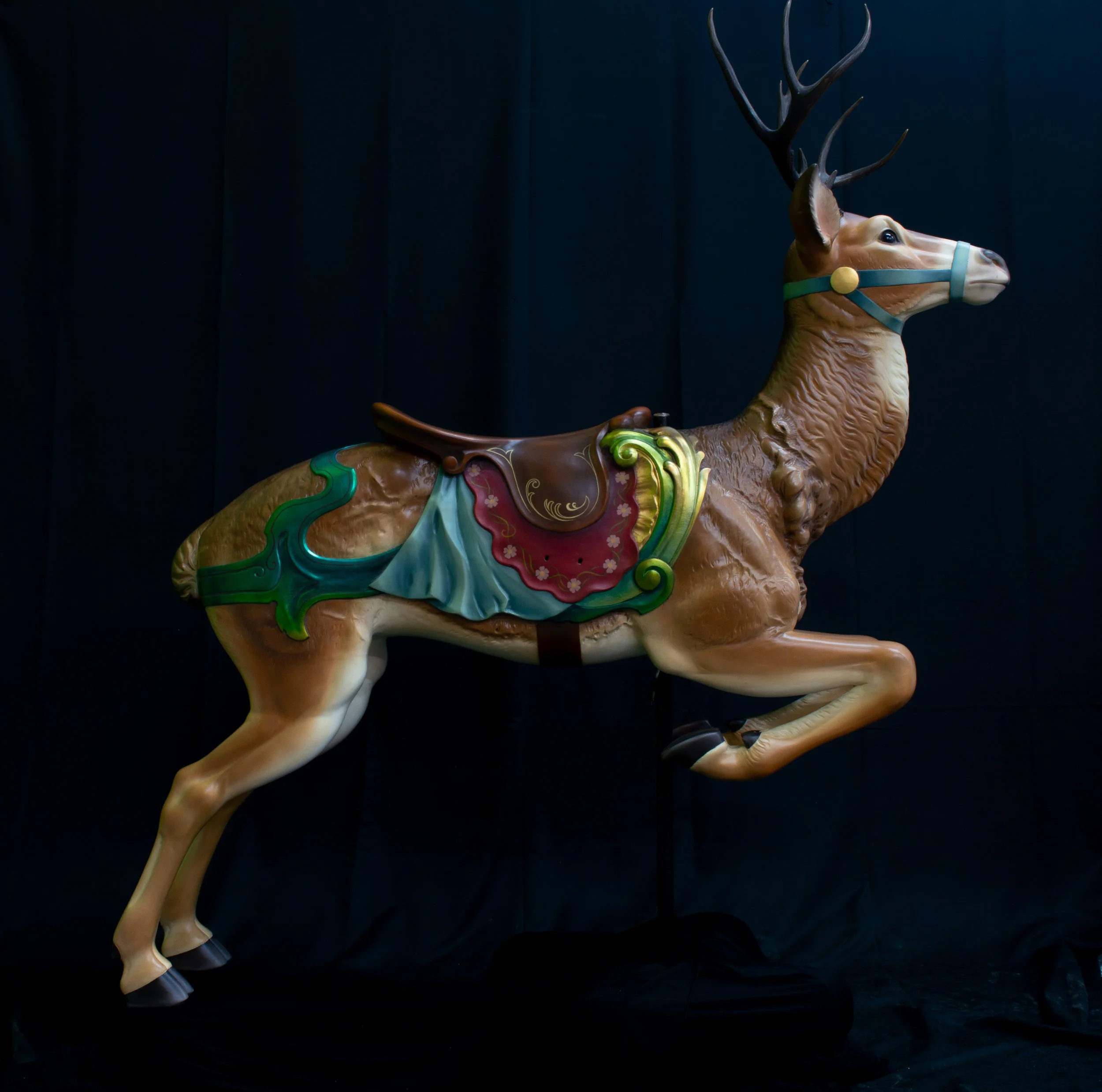
Luis Ortega / Flores - Unkown
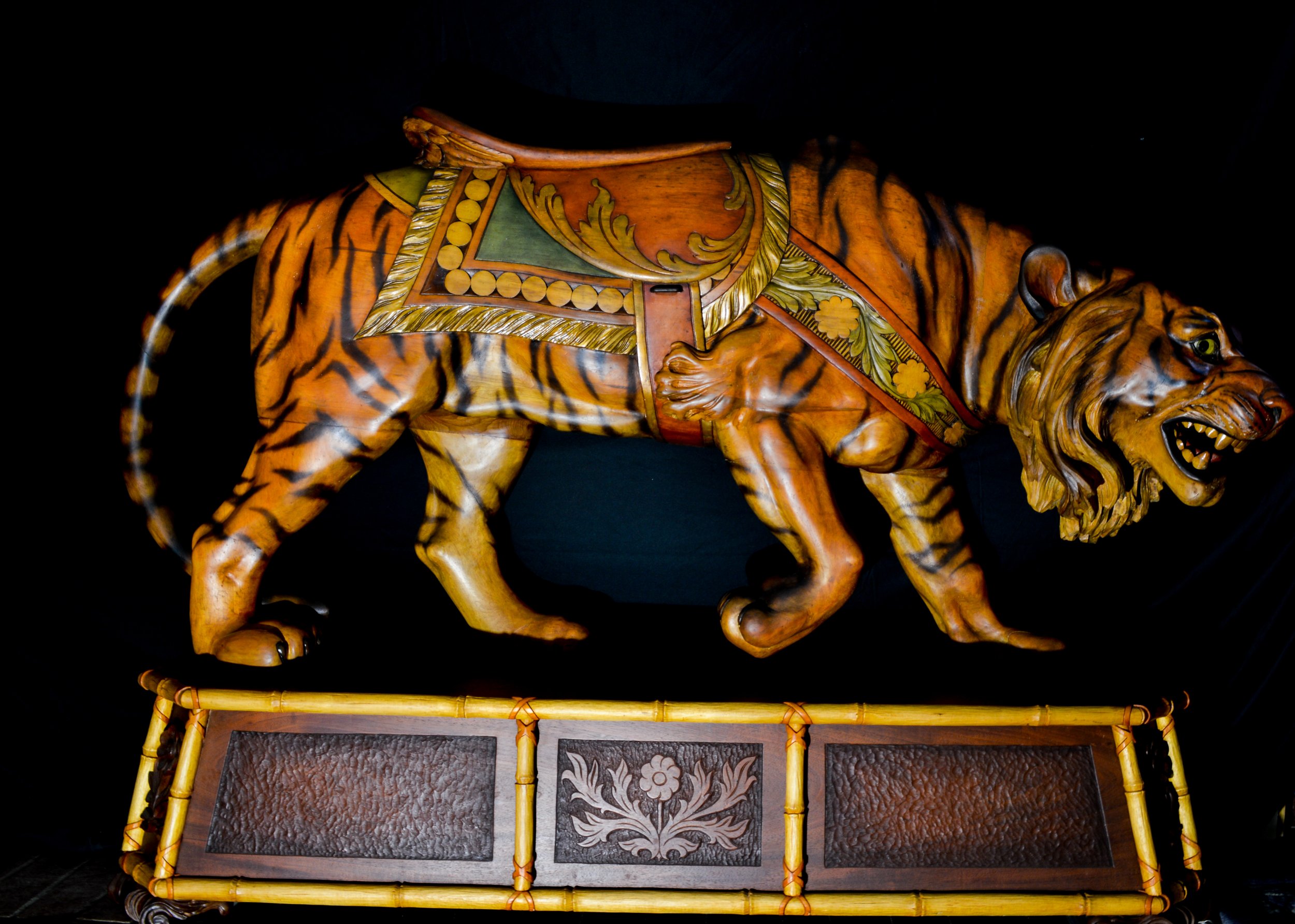
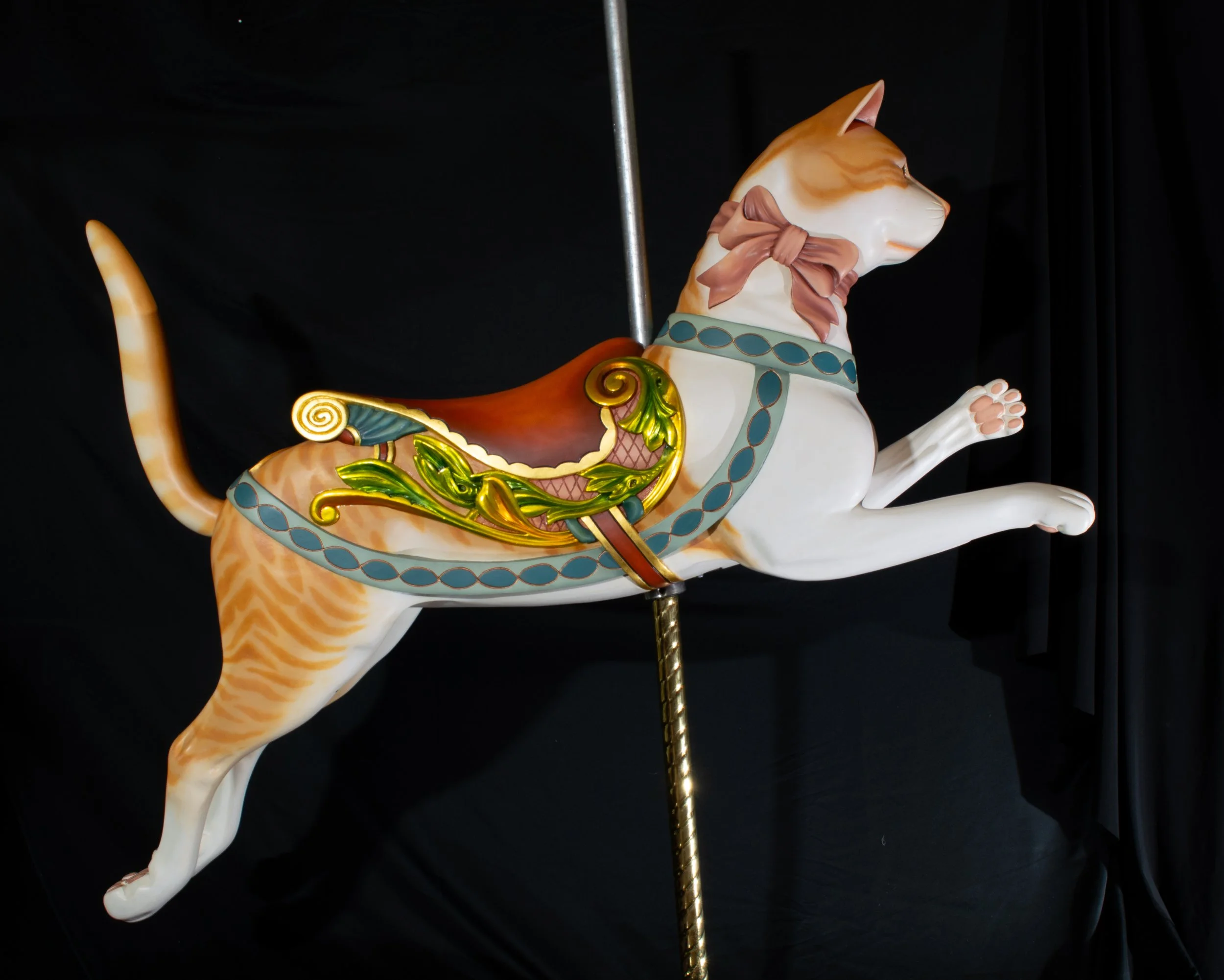
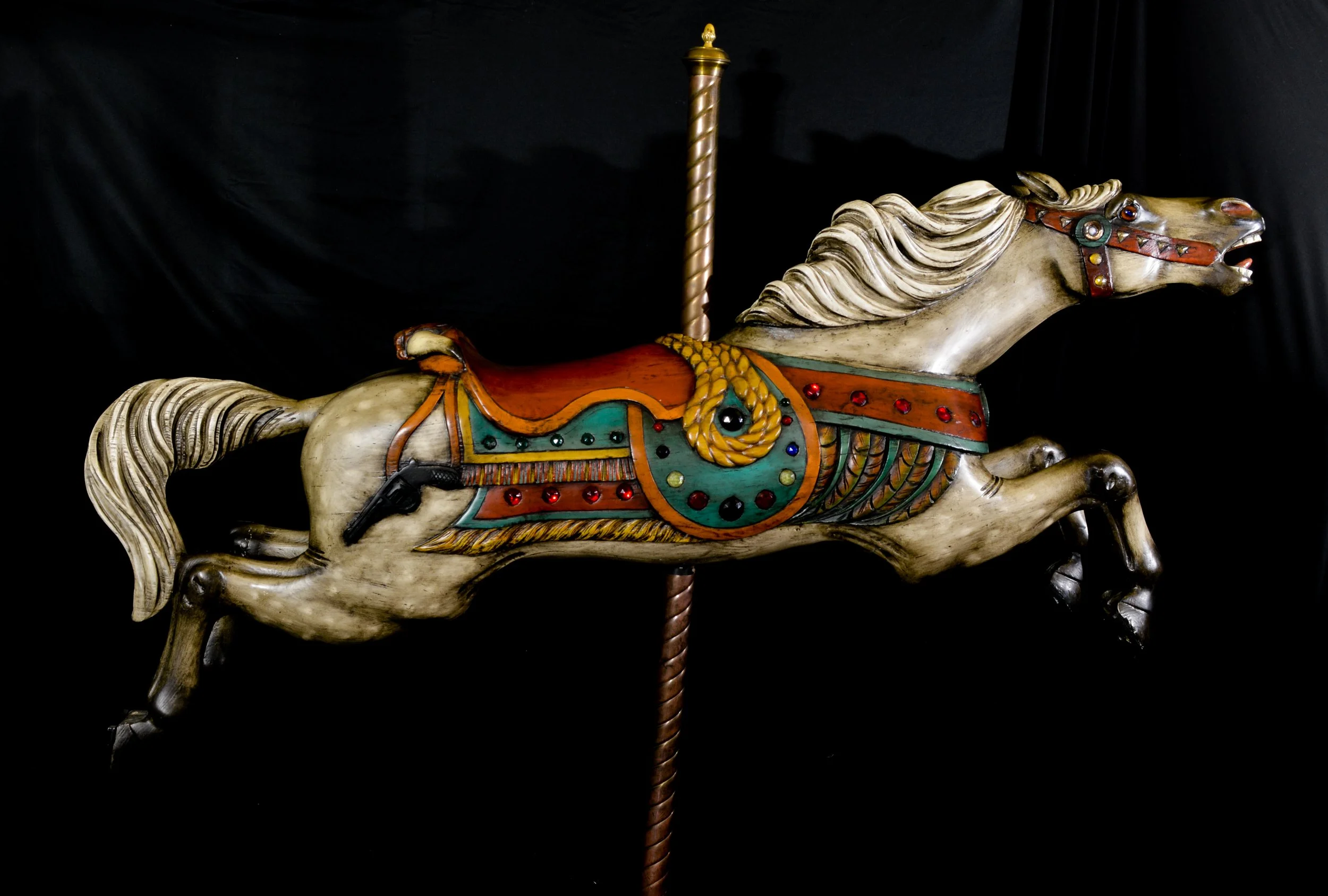
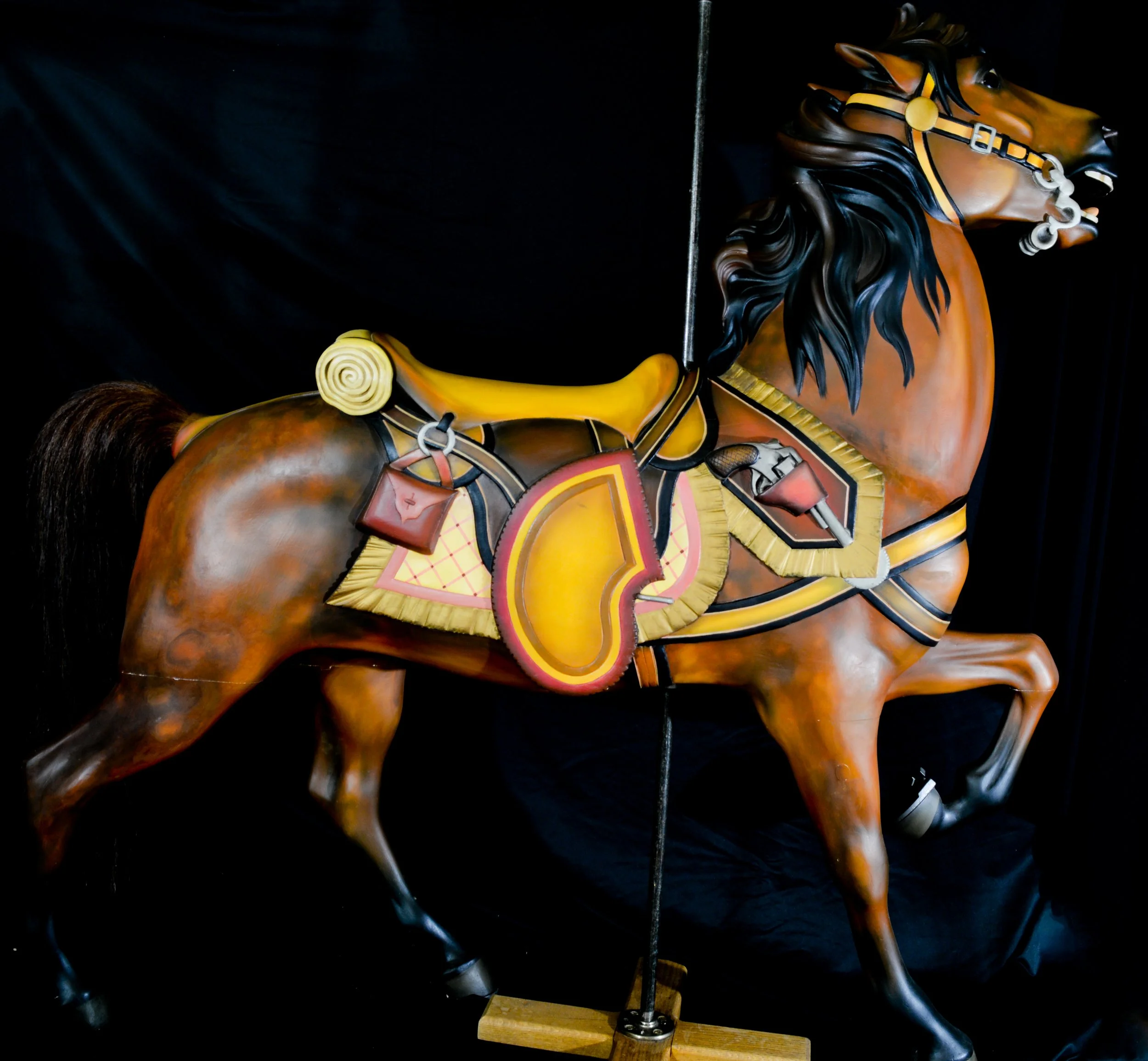
Mexico developed an independent carousel carving tradition running roughly parallel to the American golden age, though it remains among the least documented in specialist literature. Figures produced for Mexican fairgrounds and traveling carnivals were typically hand-carved in wood, often reflecting a folk art sensibility distinct from both the Philadelphia and Coney Island schools — looser in anatomical realism, bolder in painted decoration, and frequently incorporating imagery drawn from regional and indigenous visual culture rather than European equestrian tradition.
Named Mexican carvers are almost entirely absent from the published carousel record. As specialist collectors have noted, very little information on Mexican carvers and their work is available even in dedicated research contexts, as carousel scholarship has historically concentrated on American and European production. One exception surfaces in specialist dealer records: a carver named Luis Ortega is credited on a circa 1940–1950 armored jumper that passed through the Youree collection — one of the few instances in which a Mexican carver's name appears attached to a specific documented figure in the American market. Figures that do appear otherwise are typically described by style, region, or approximate period rather than by maker, a documentation gap that reflects the trade's informality as much as any loss of records. The attribution of ID 002 to a carver named Flores rests on the owner's account (reported) and has not been independently confirmed in any specialist source. It should be understood as a named oral attribution — meaningful as provenance, but not yet traceable through the documented record. PinterestAntiquecarousels