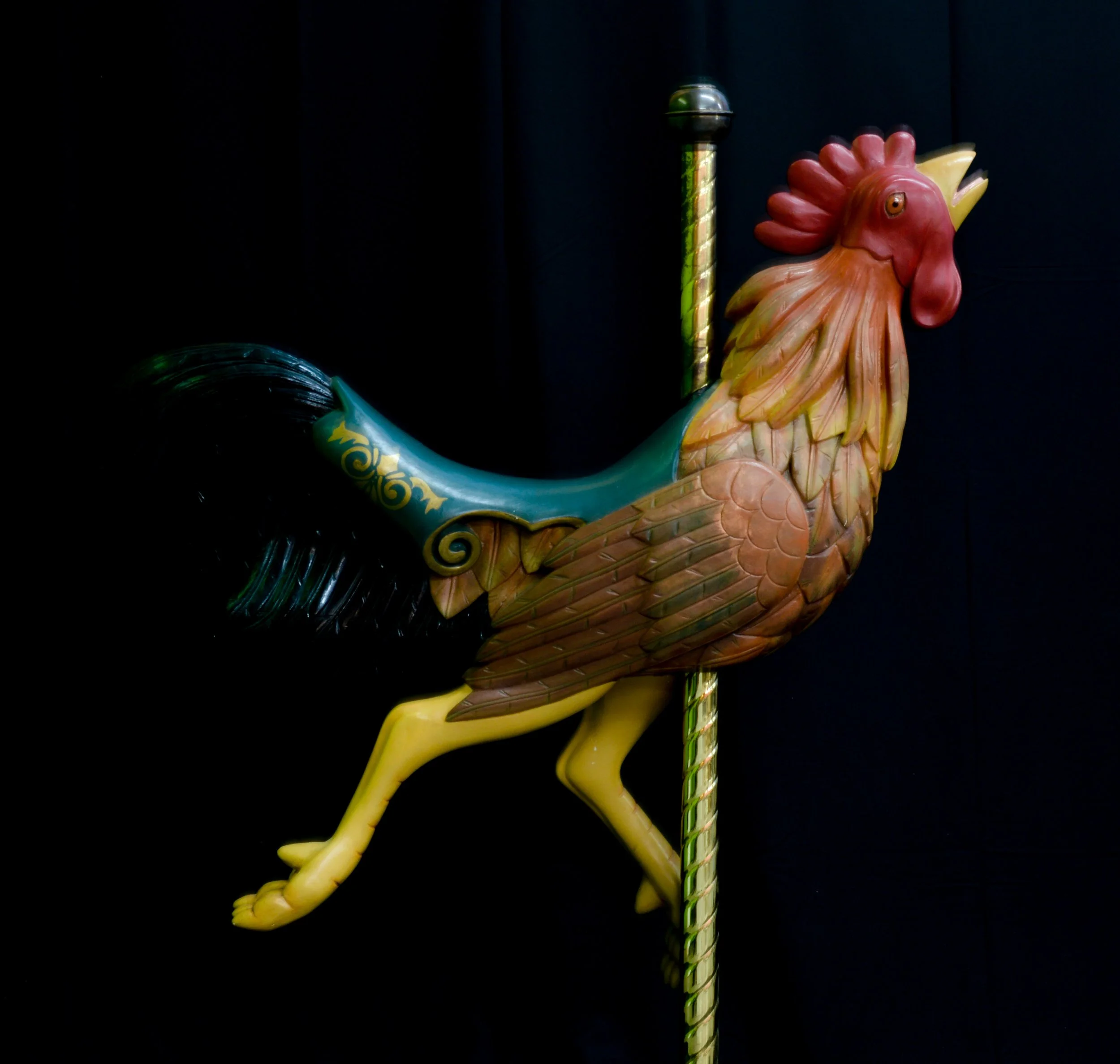
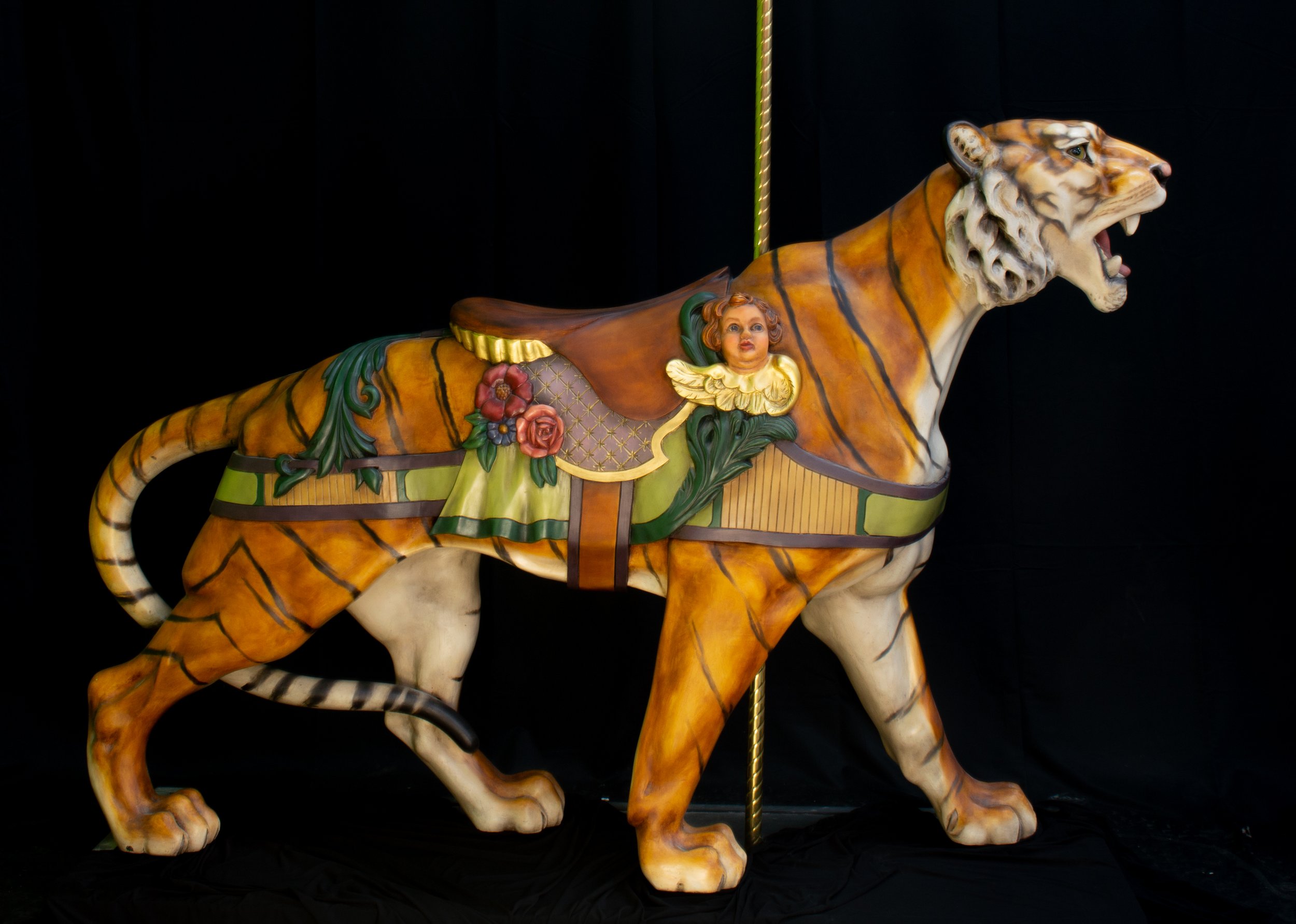
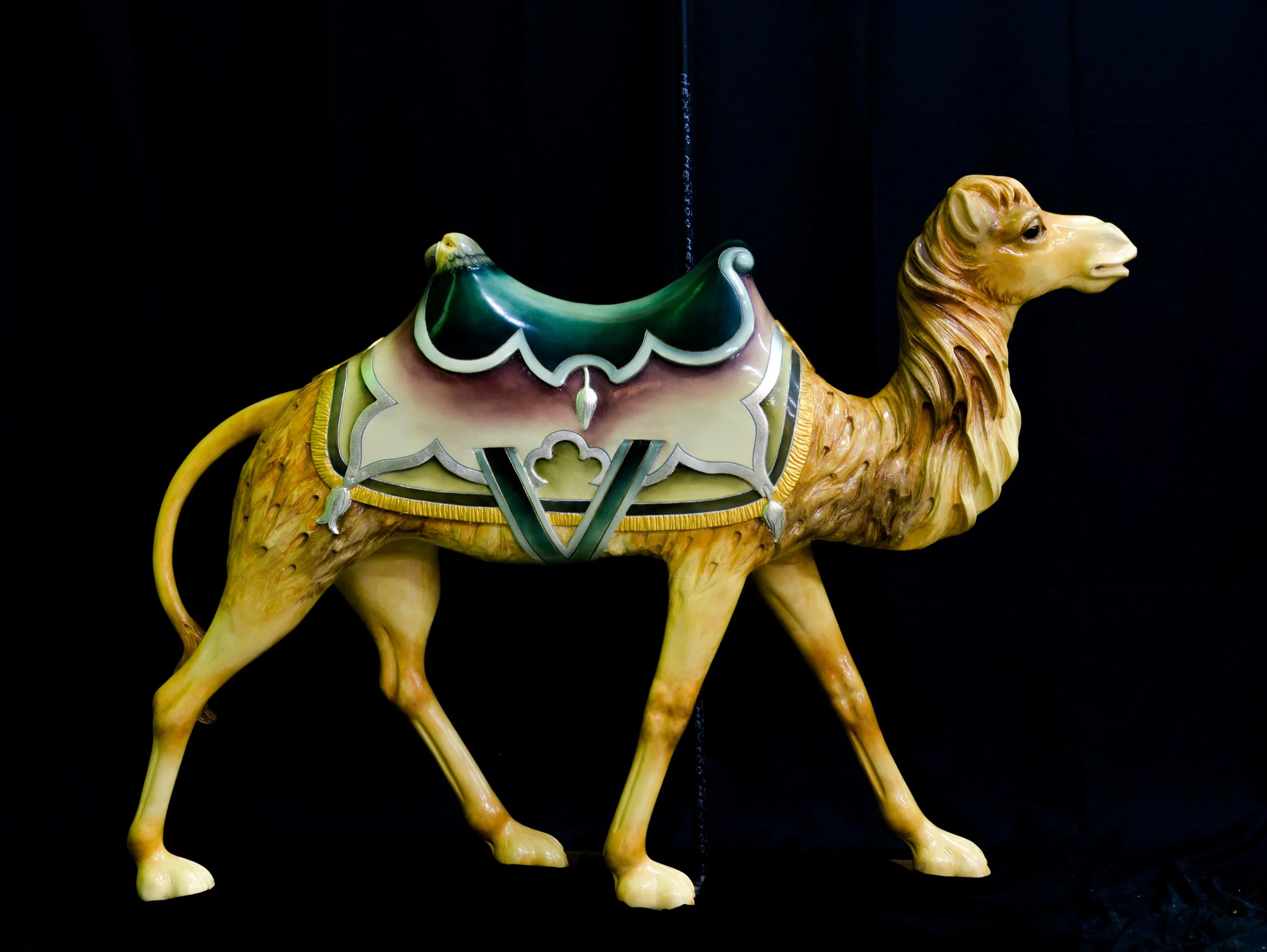
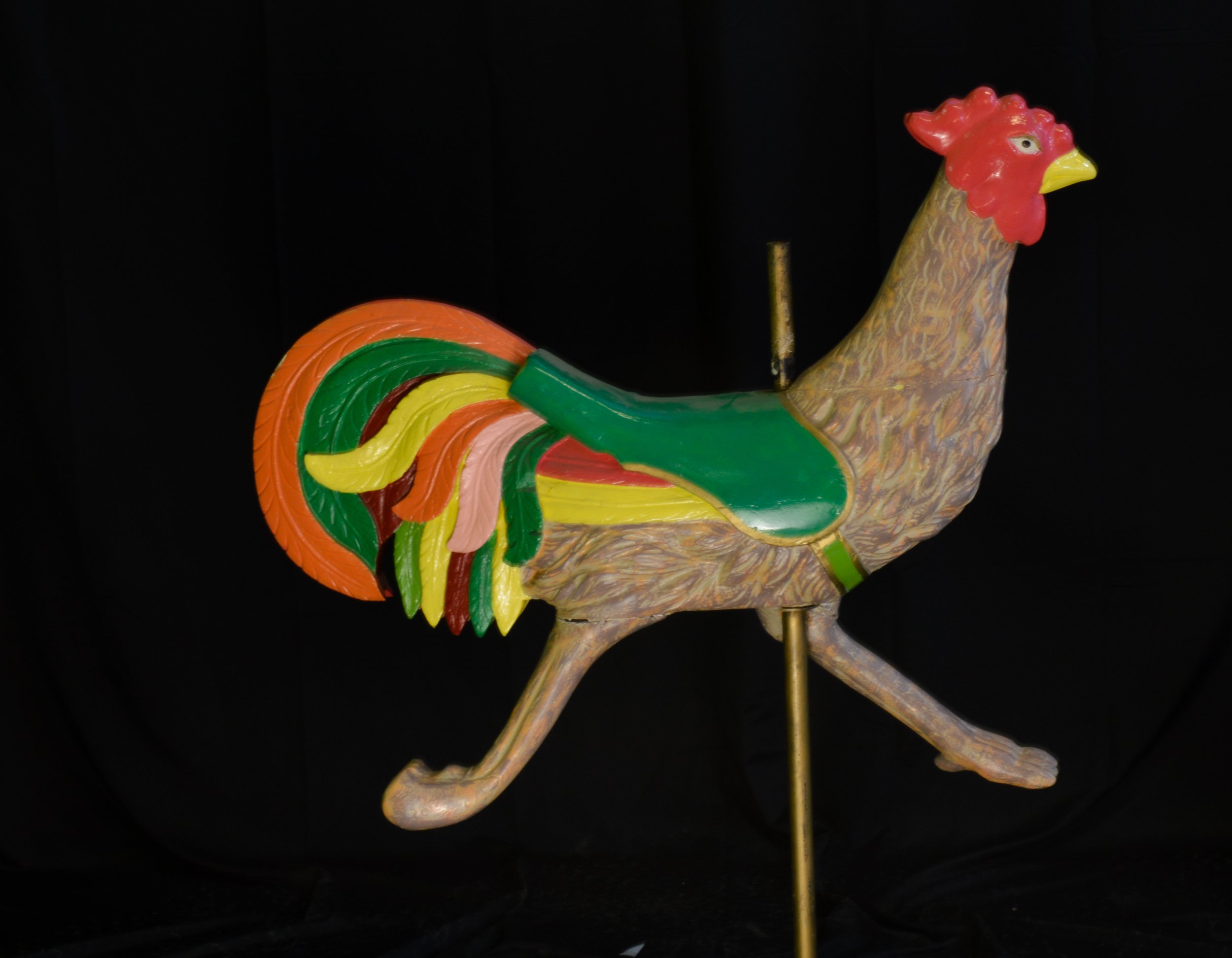
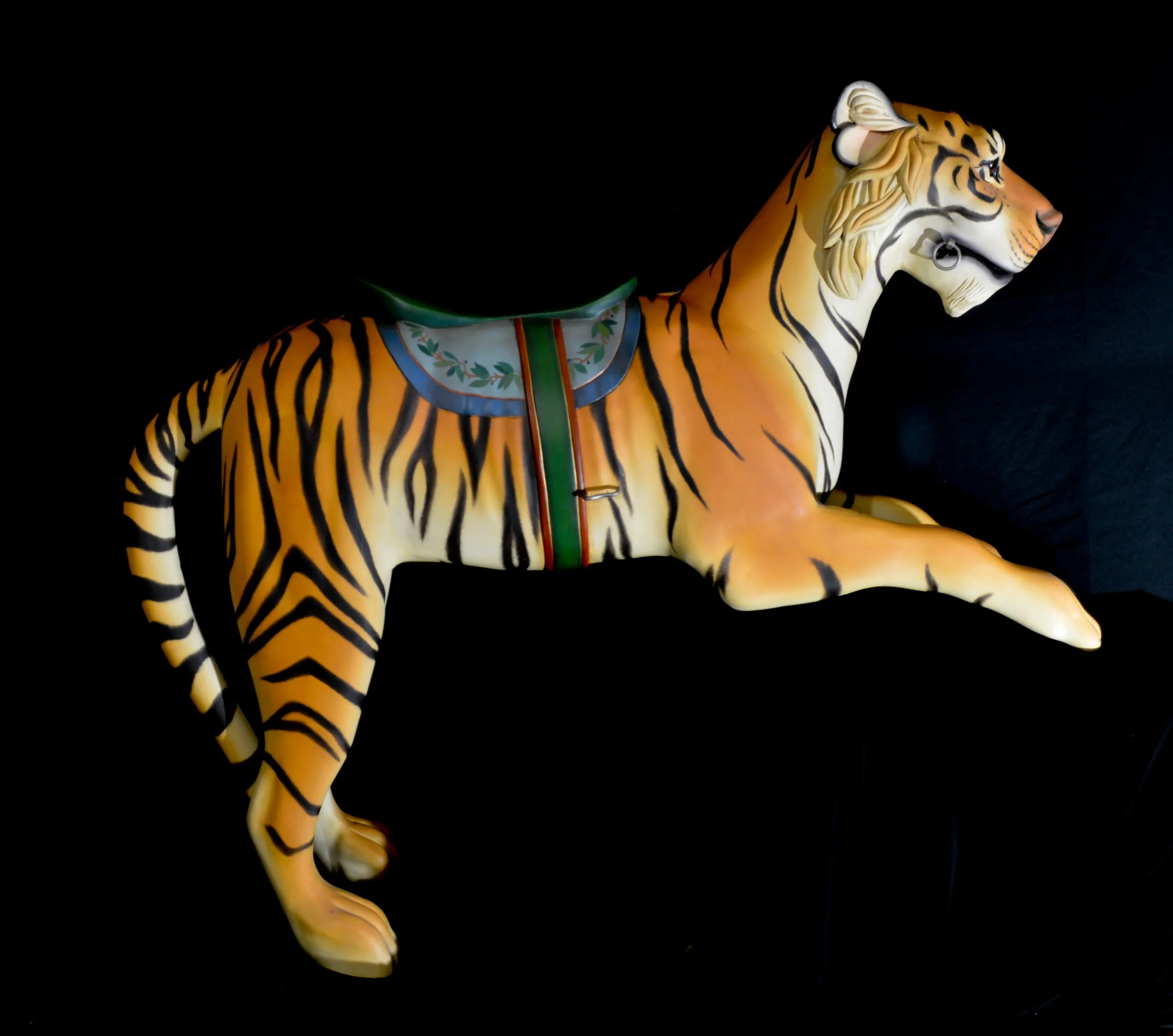
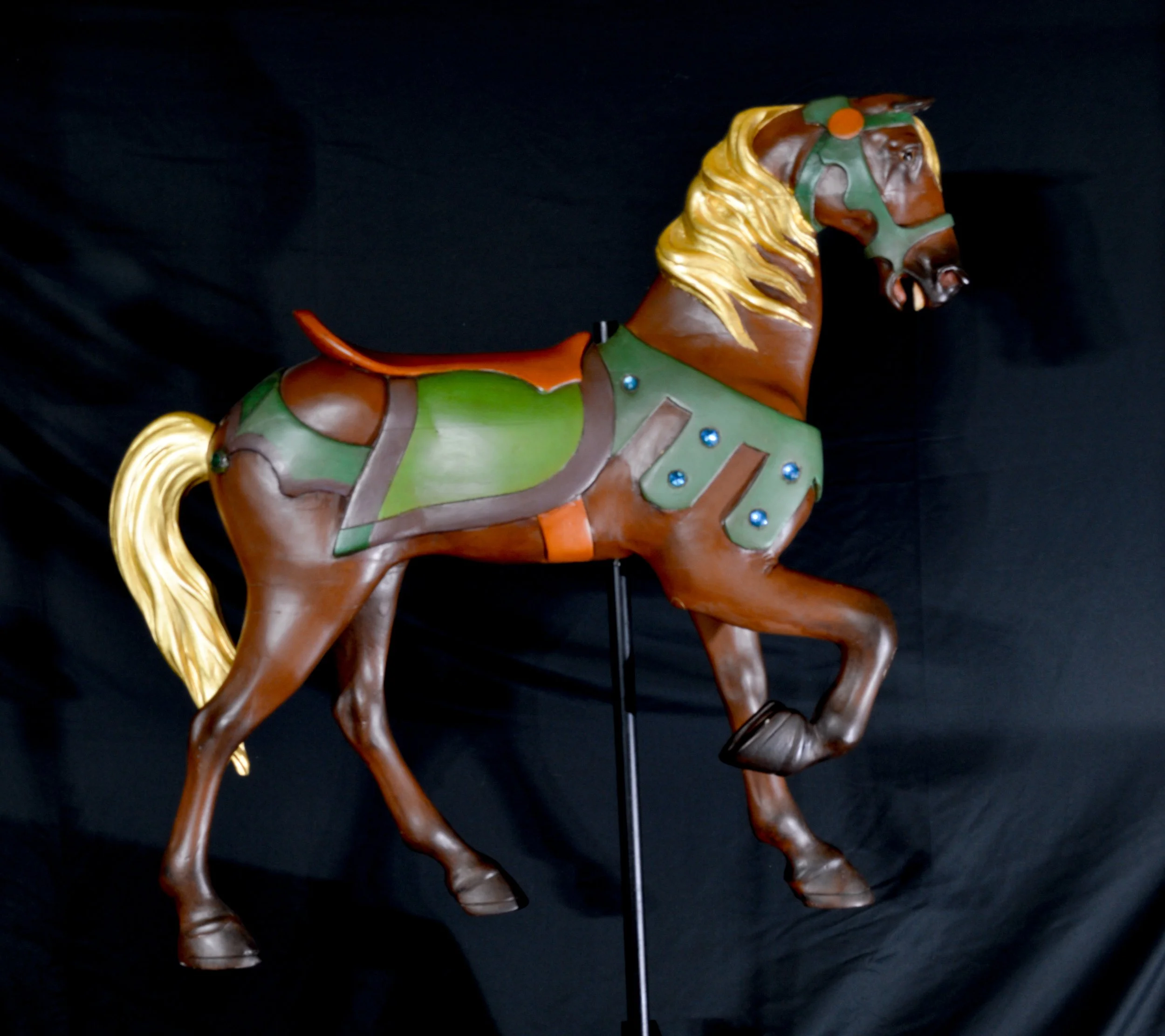
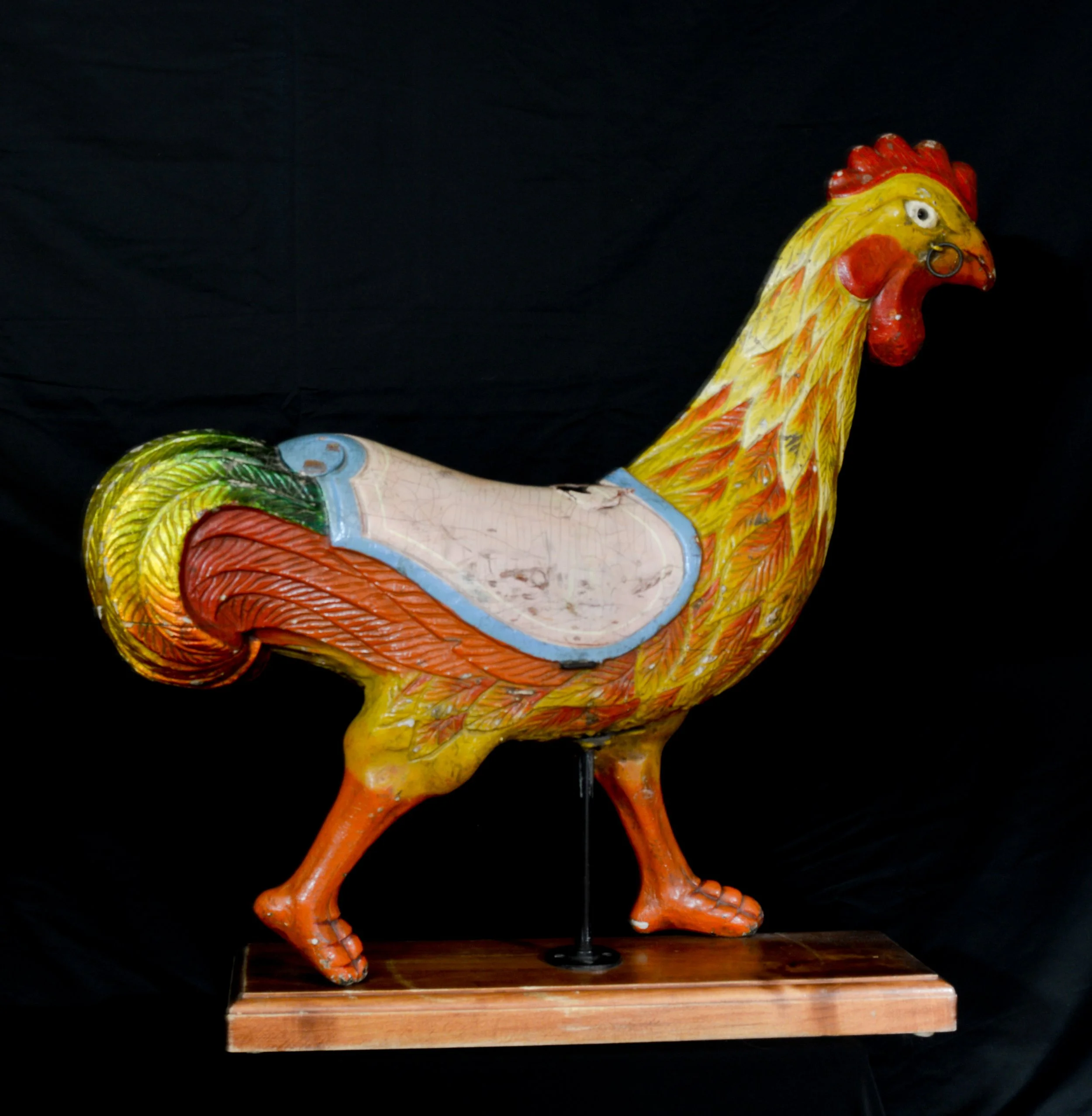
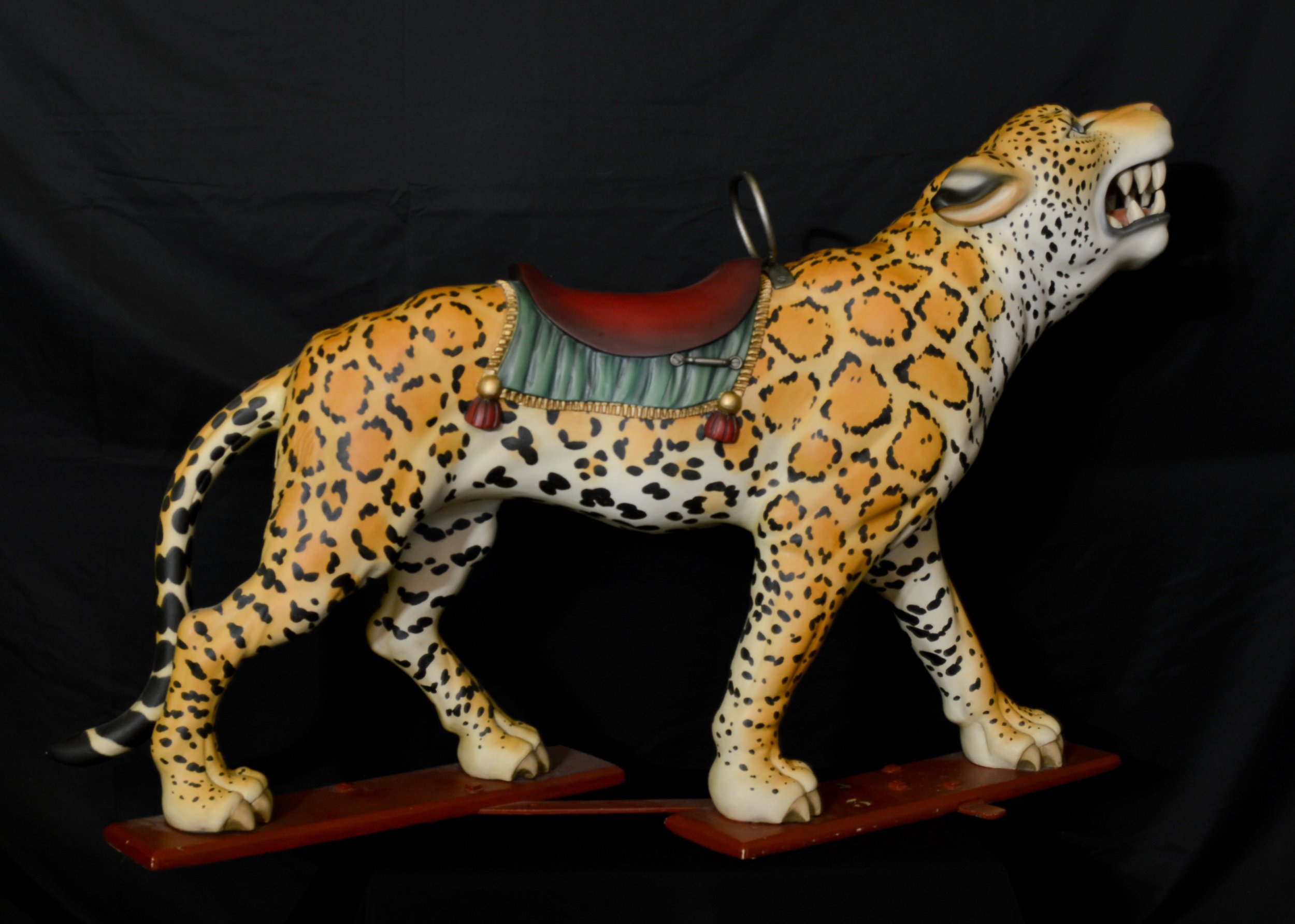
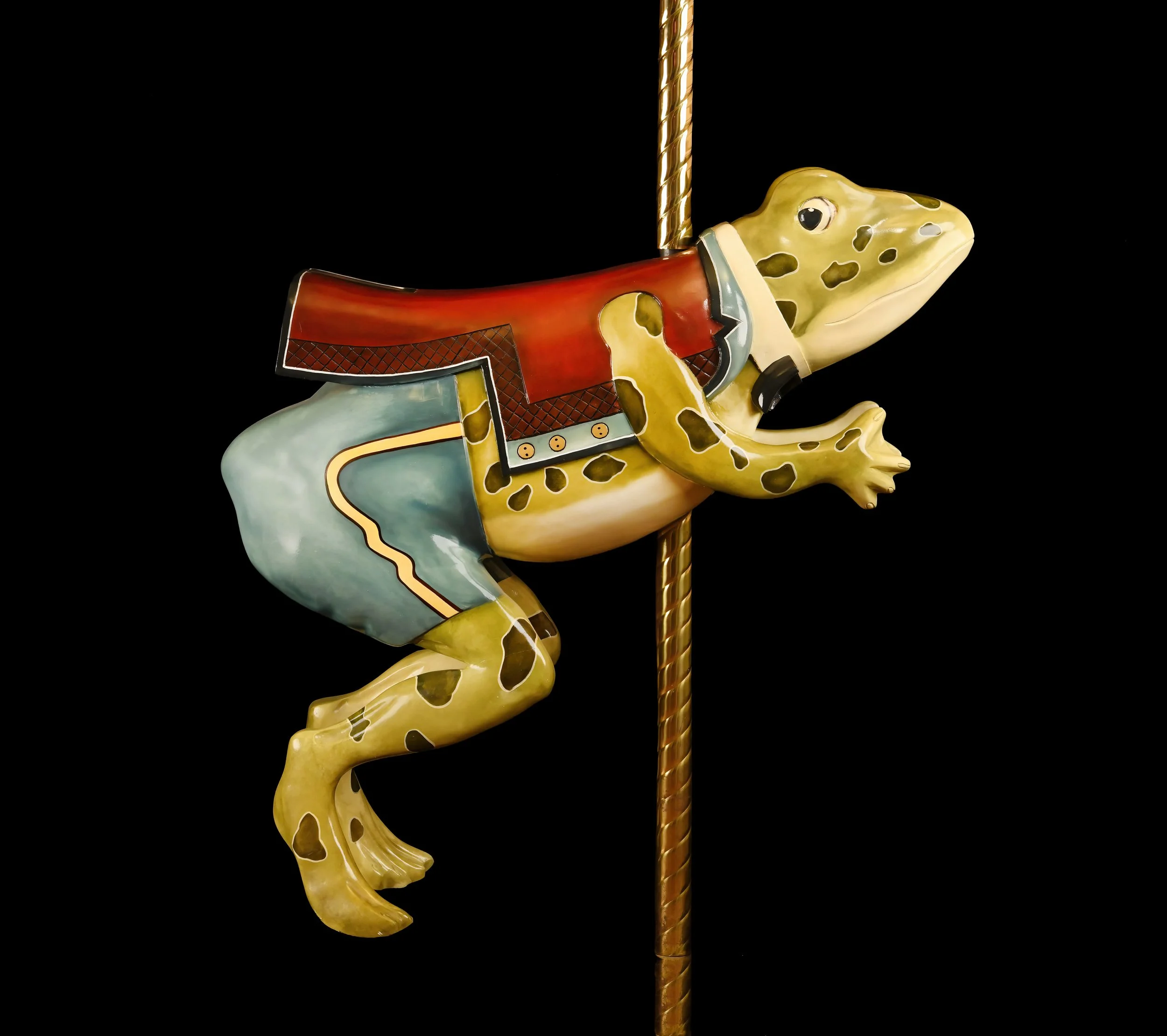
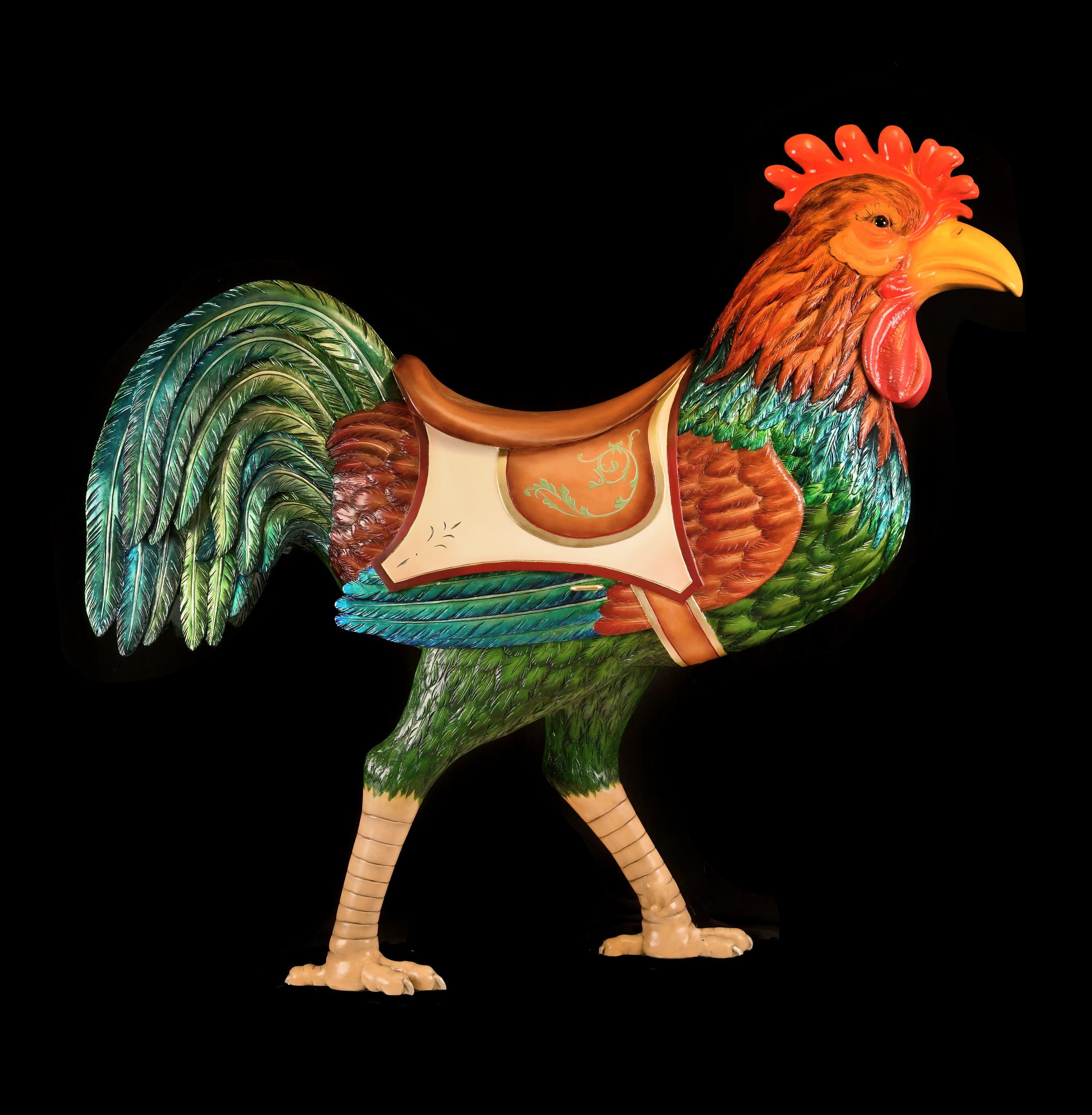
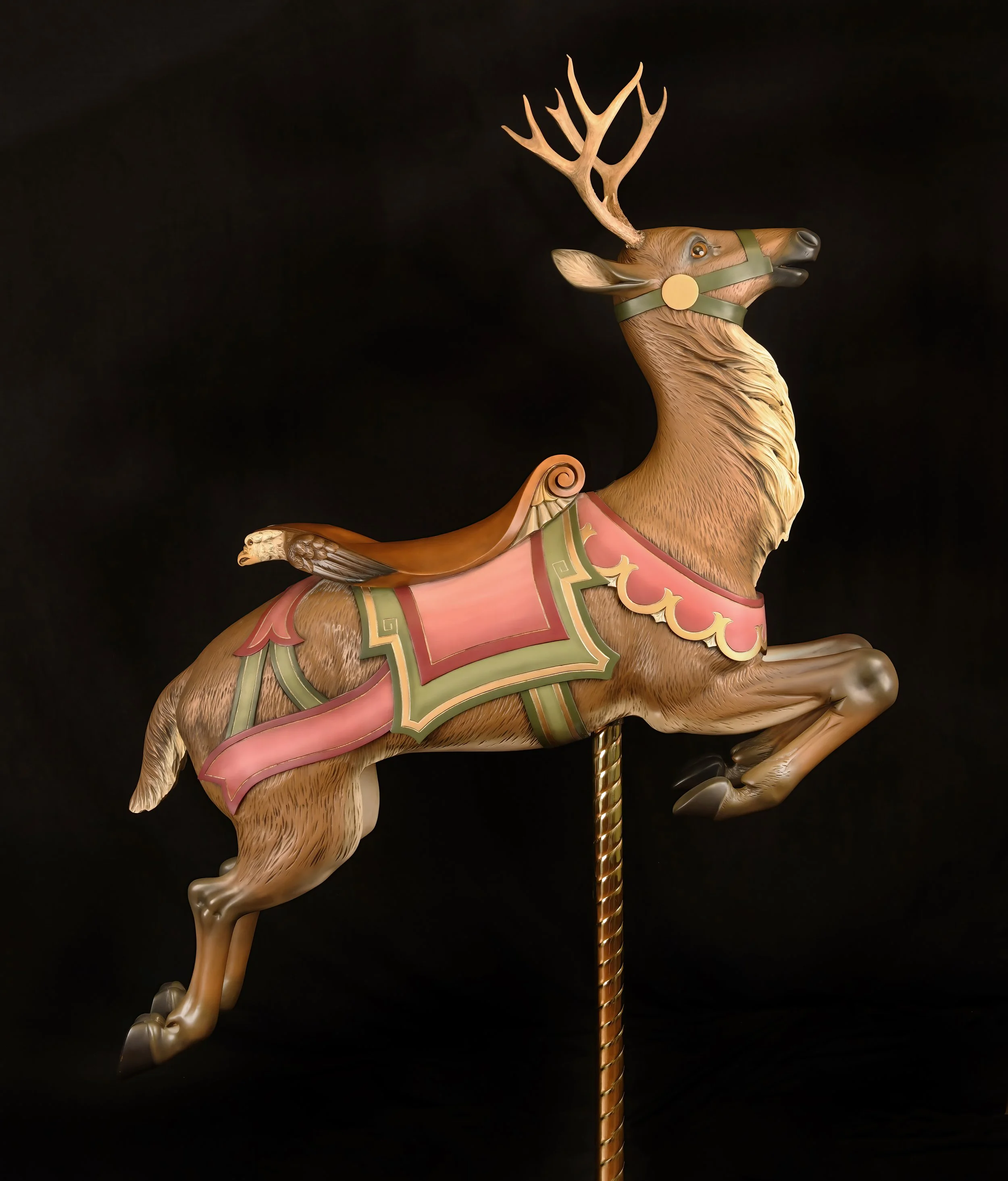
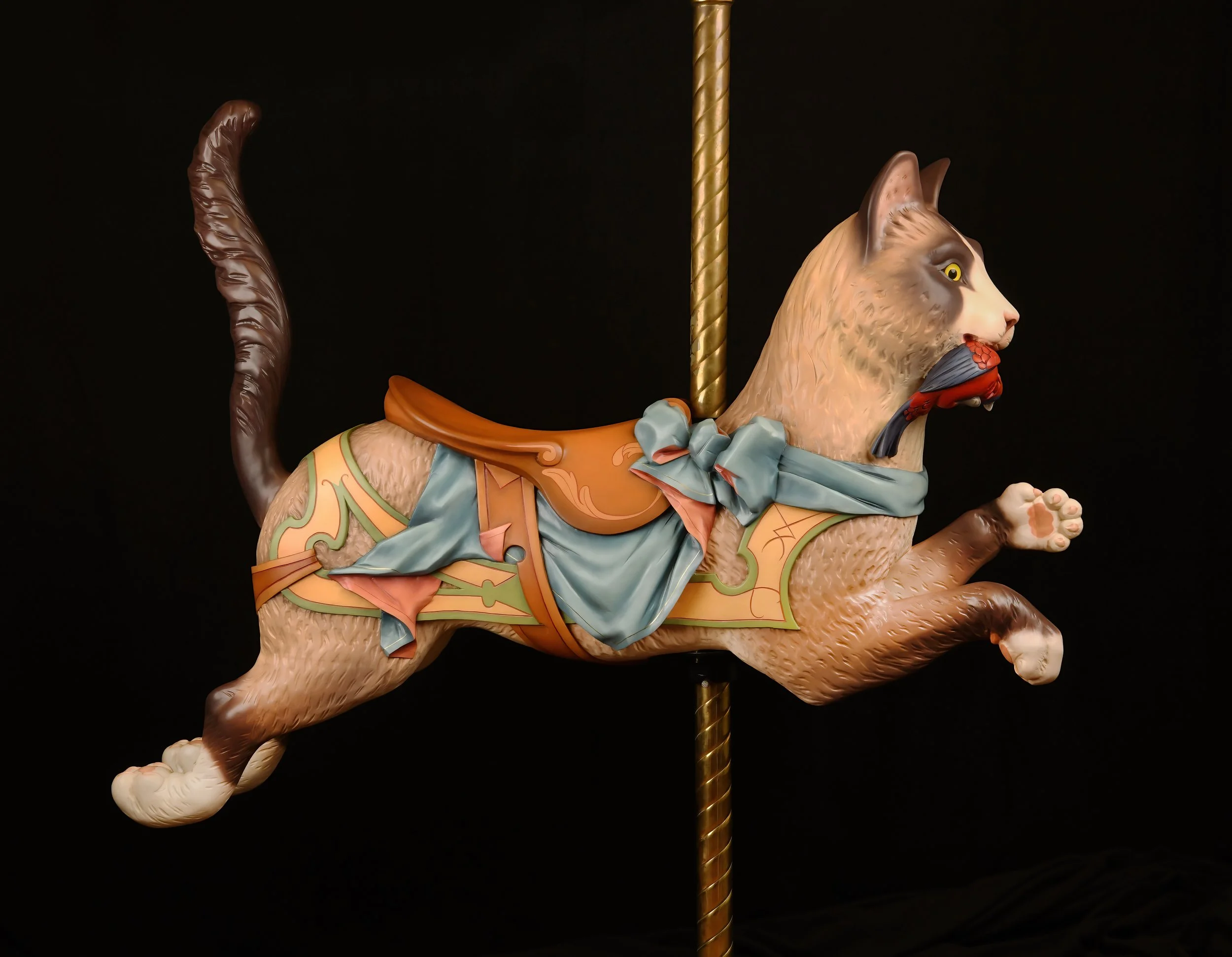
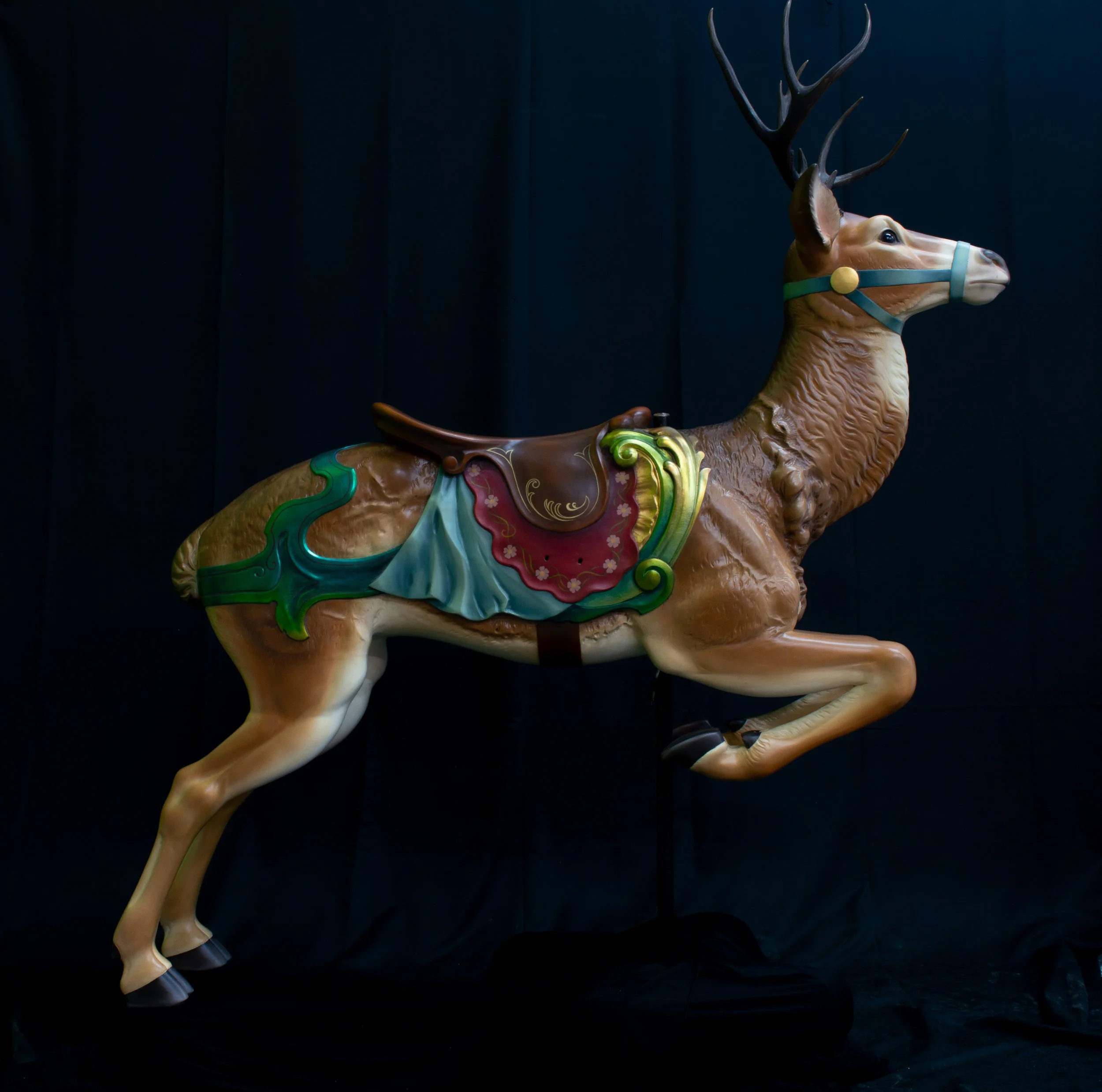
Marcus Charles Illions 1871 - 1949
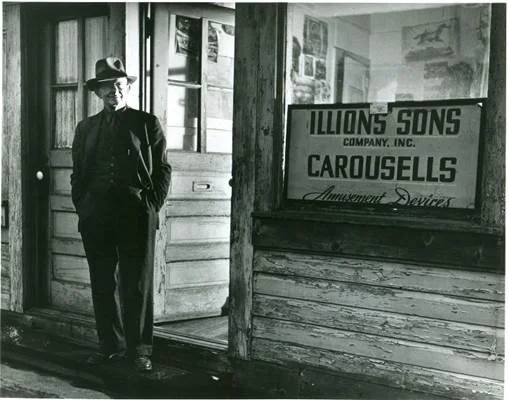
Marcus Charles Illions was born in Vilnius, Lithuania, and came to Coney Island in 1888 with British animal showman Frank Bostock. He had apprenticed in wood carving traditions influenced by Eastern European synagogue artistry before immigrating, and further refined his skills carving decorative elements for circus wagons under Frederick Savage in England. On arriving in Brooklyn he worked first for Charles Looff, then for William Mangels, before establishing his own firm around 1908–1909, calling it M.C. Illions and Sons Carousell Works. At its peak, ten Illions carousels operated from Brighton Beach Park to West Twenty-seventh Street — all of Coney Island effectively serving as a showroom. Brooklyn Public Library + 3
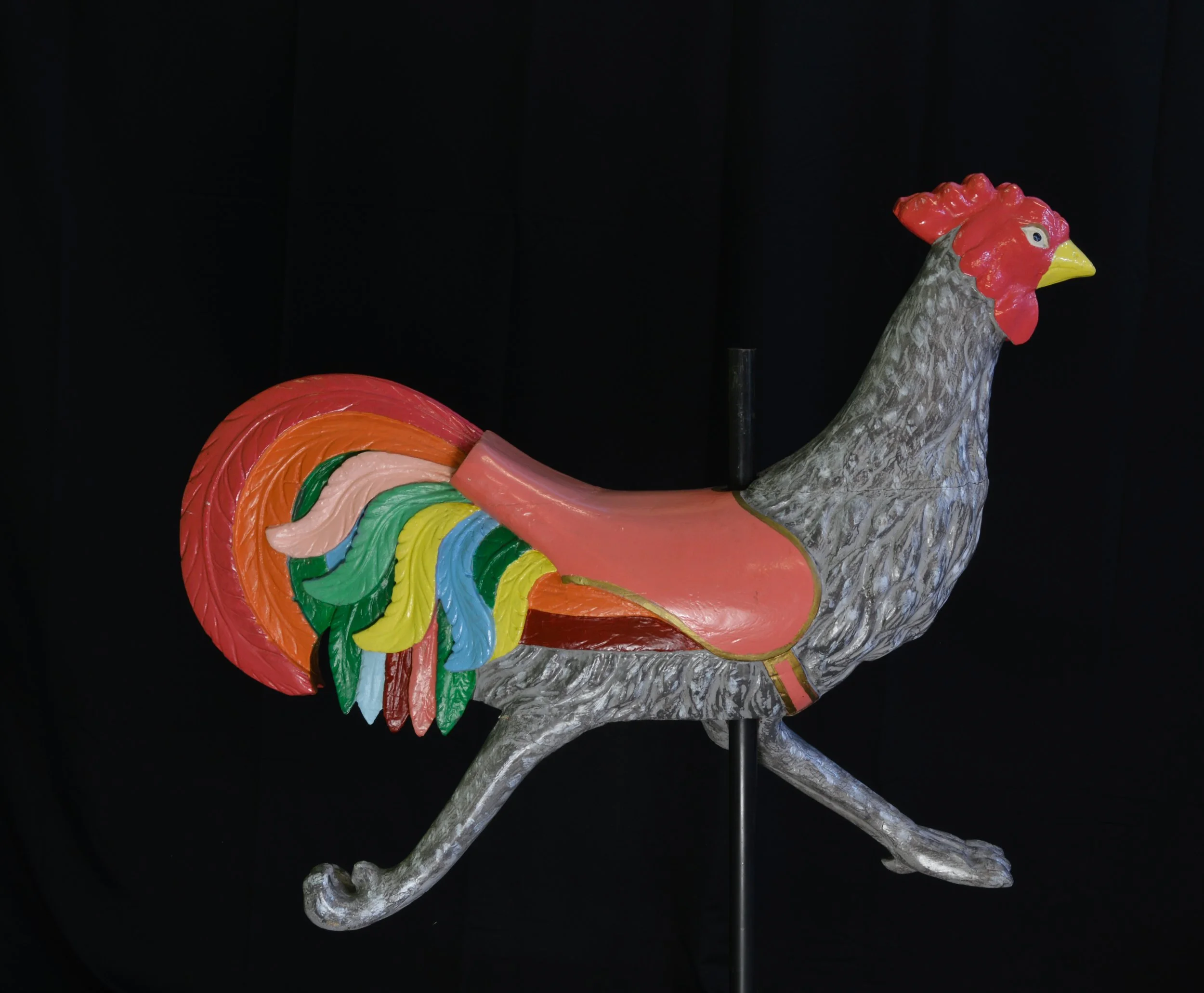
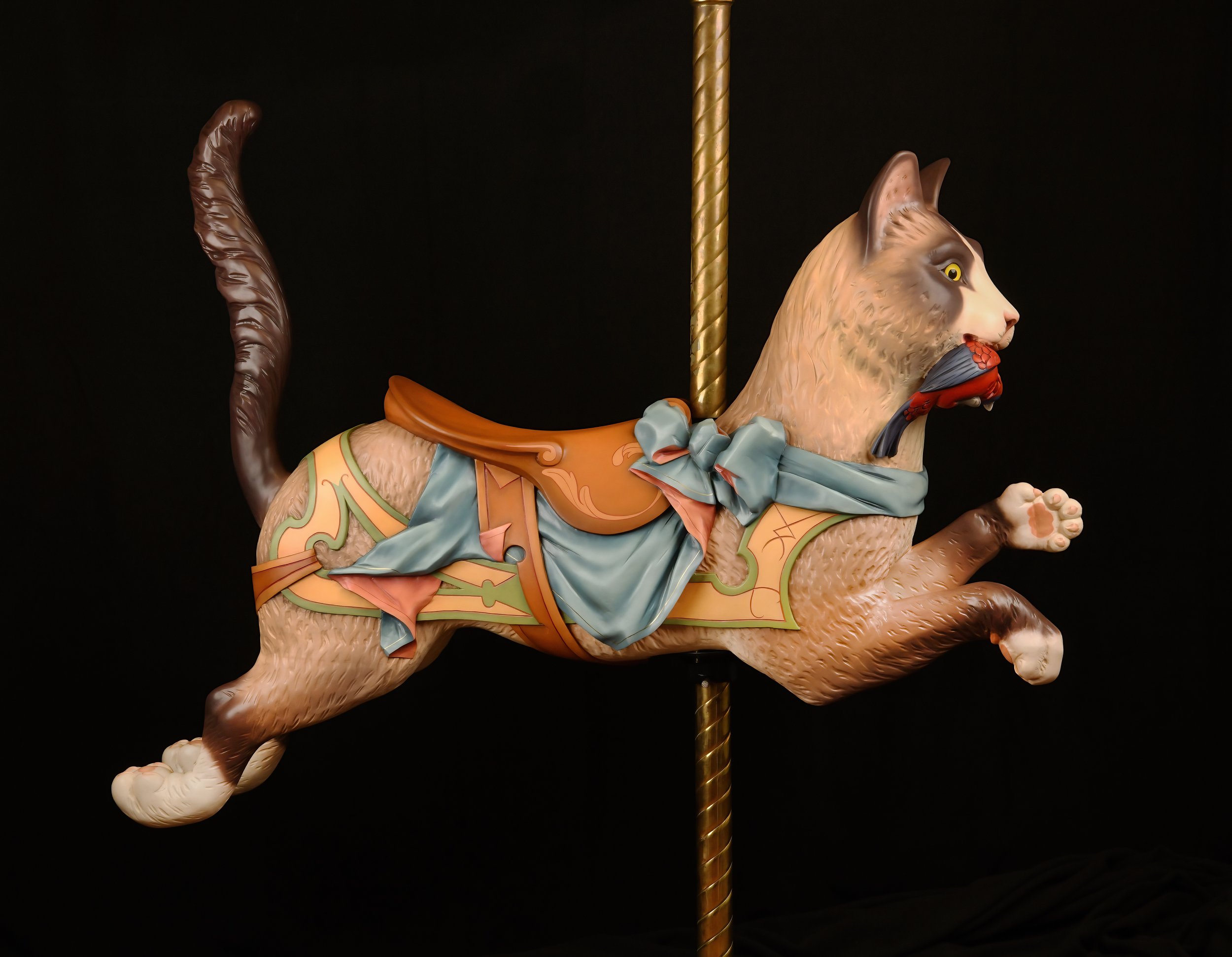
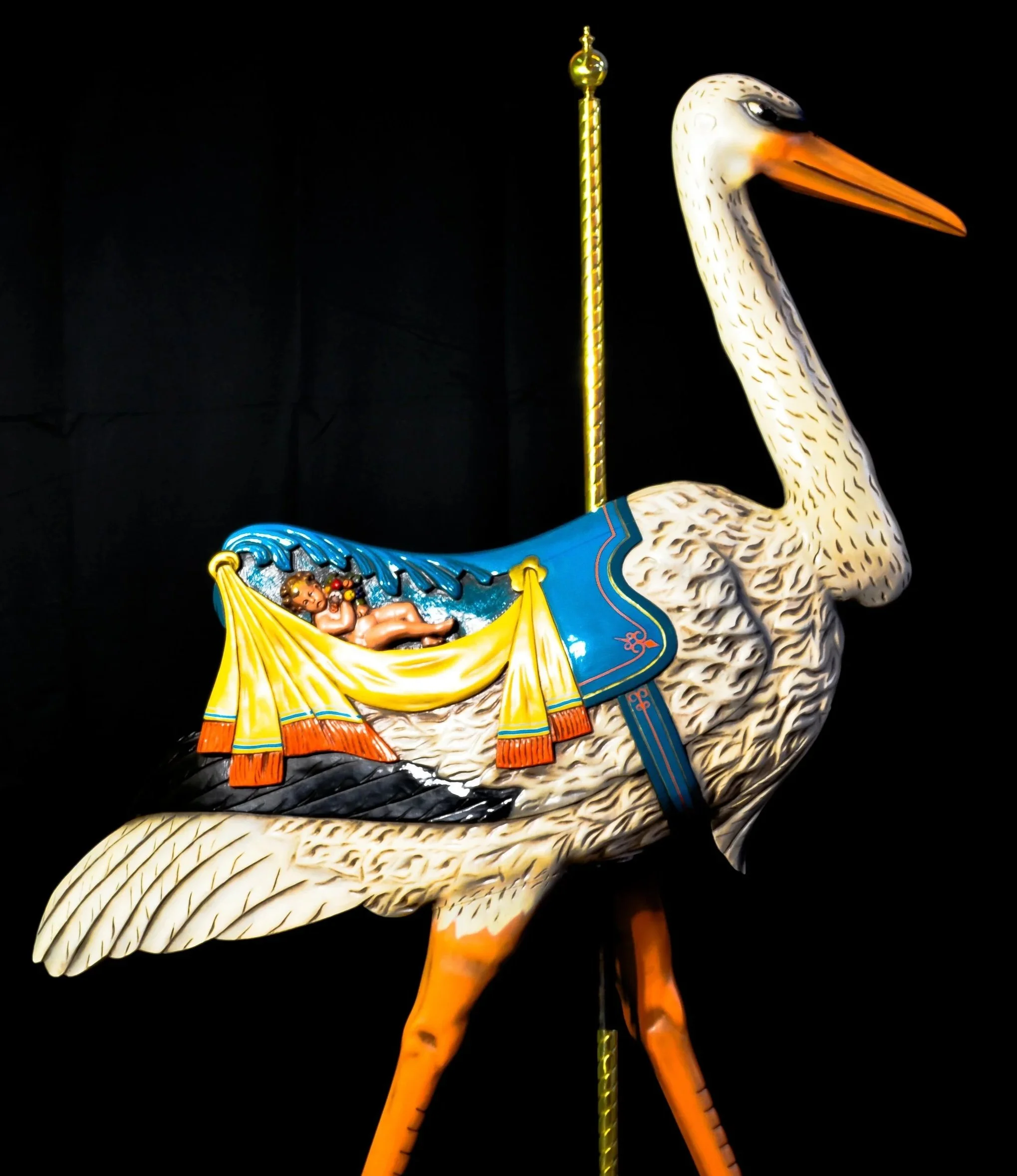
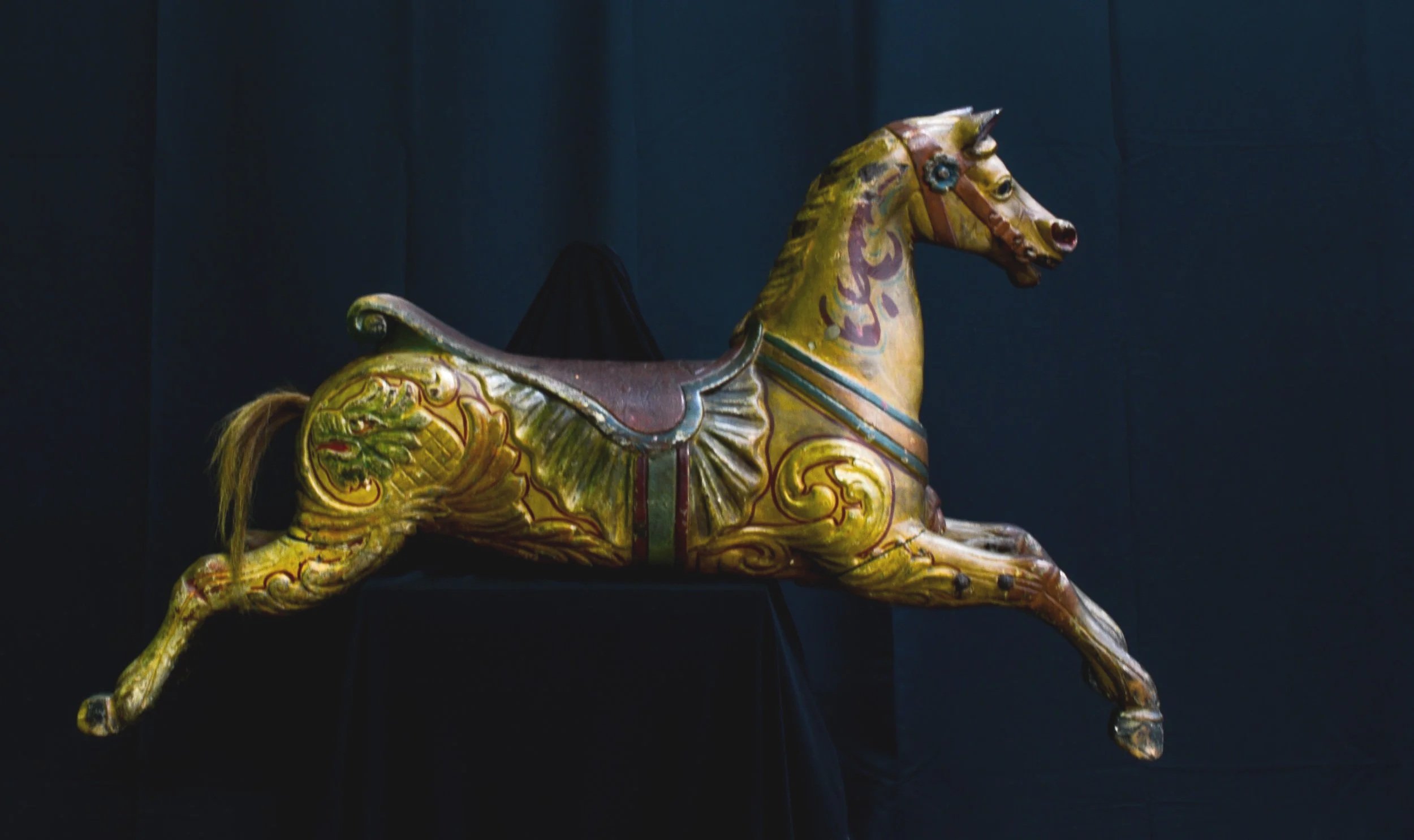
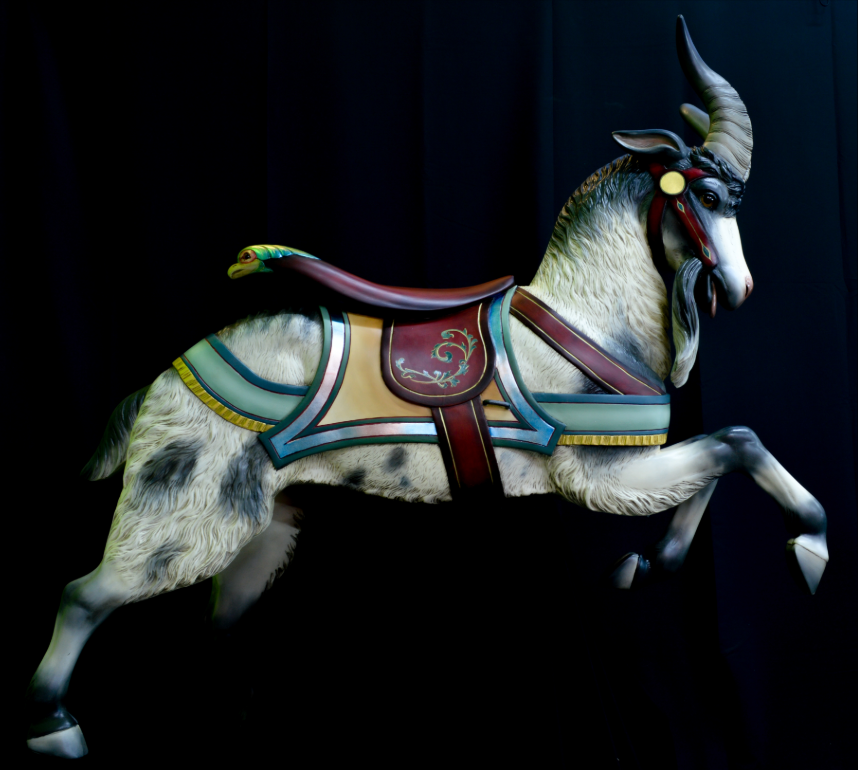
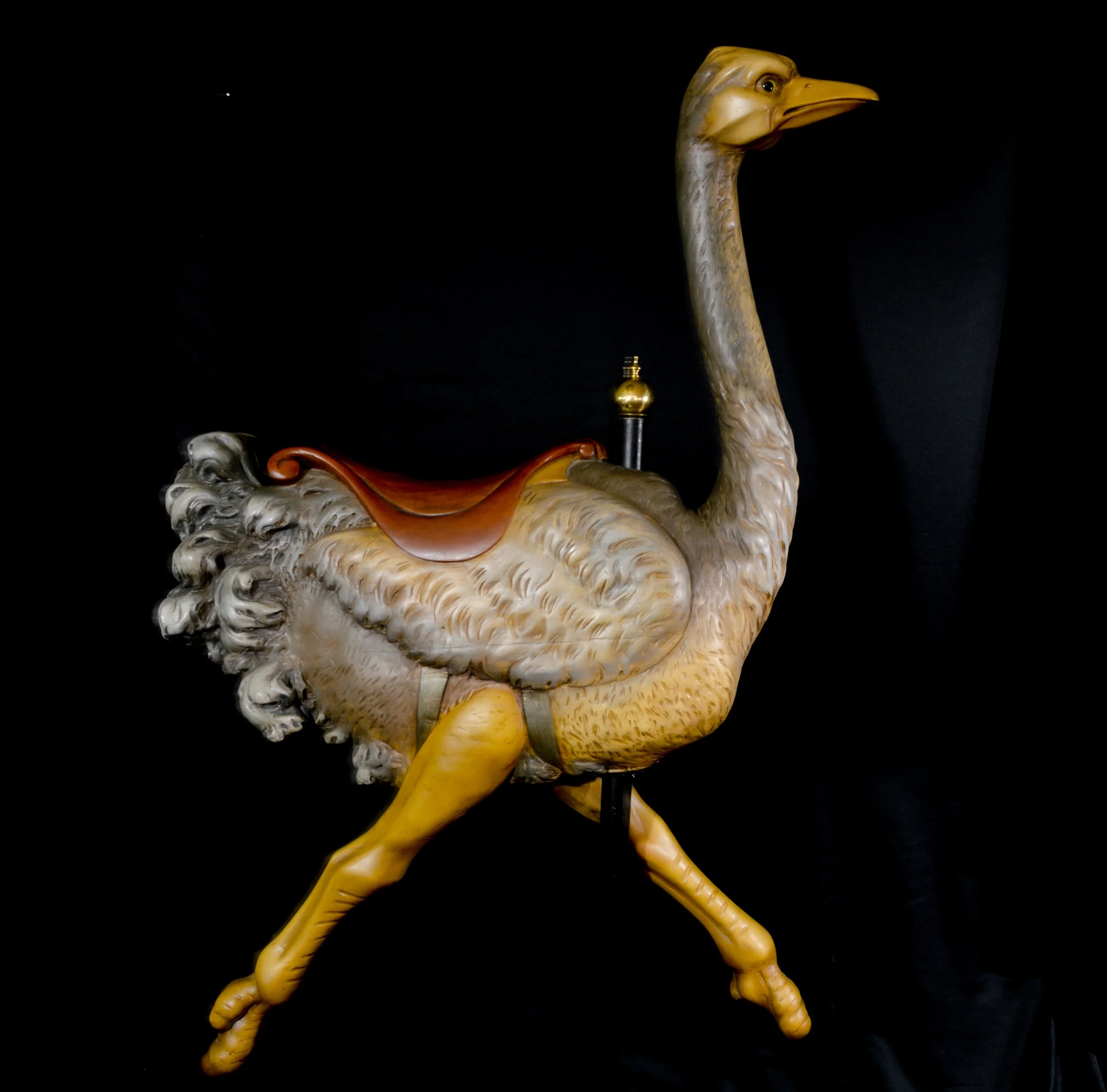
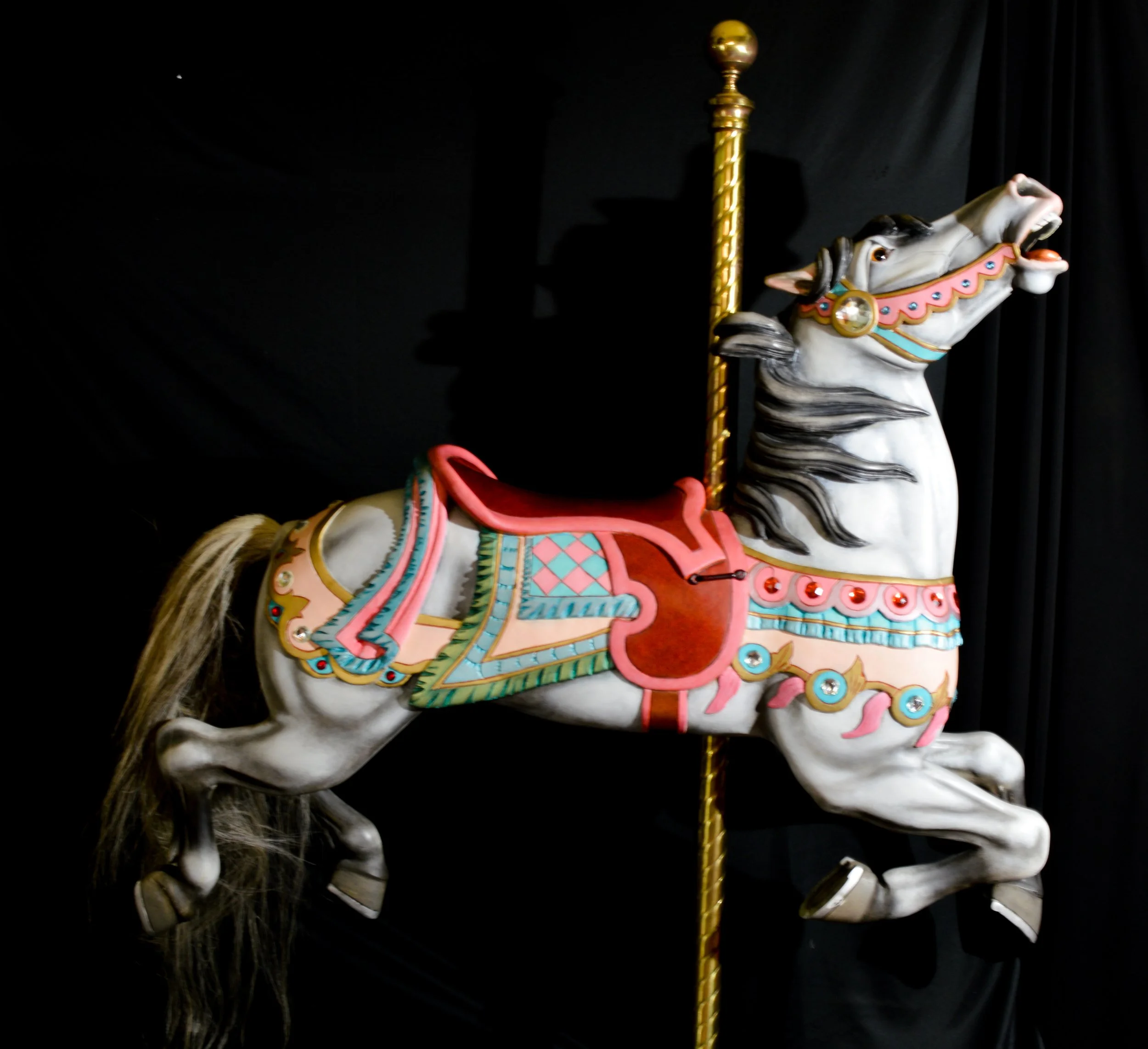
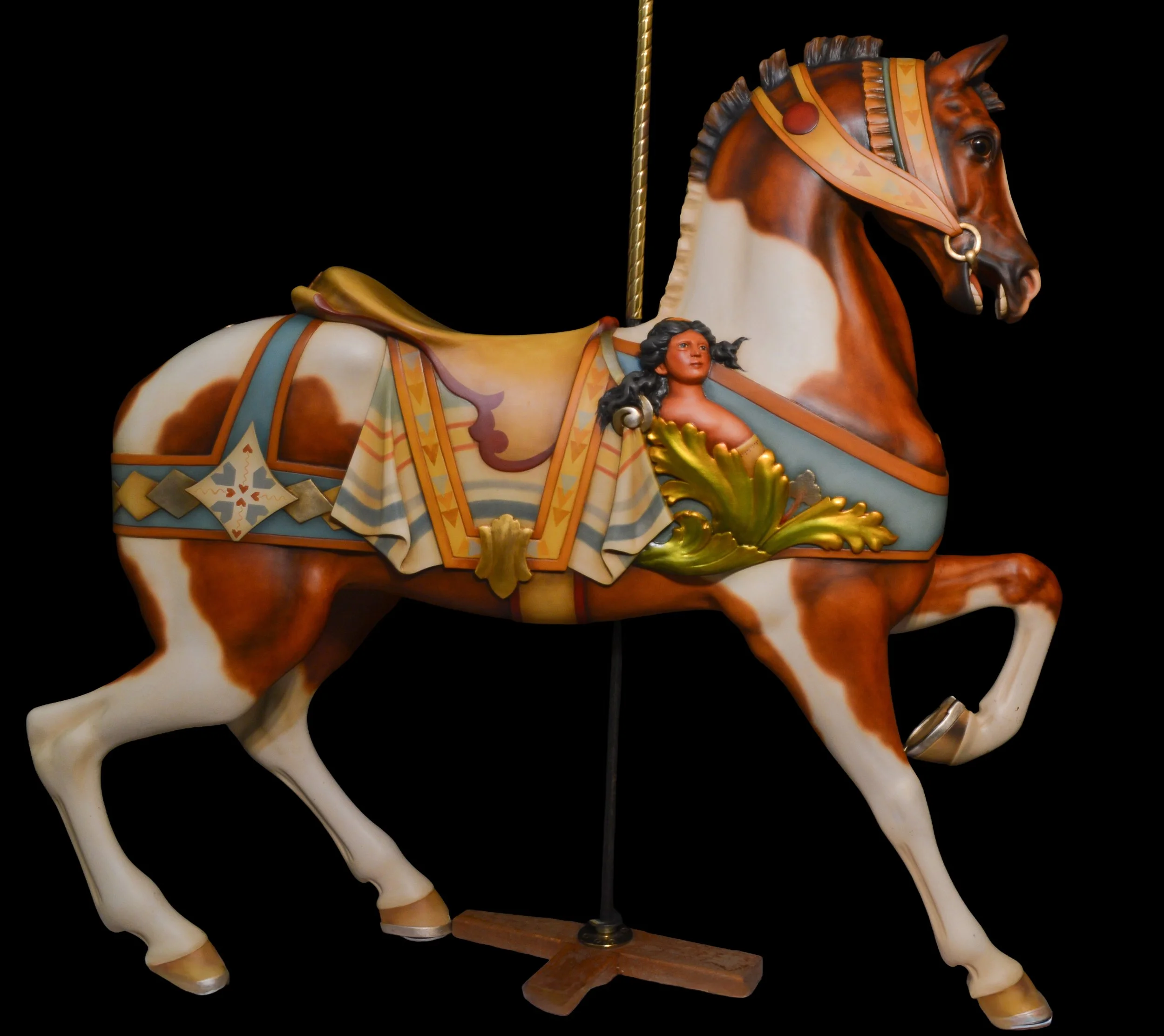
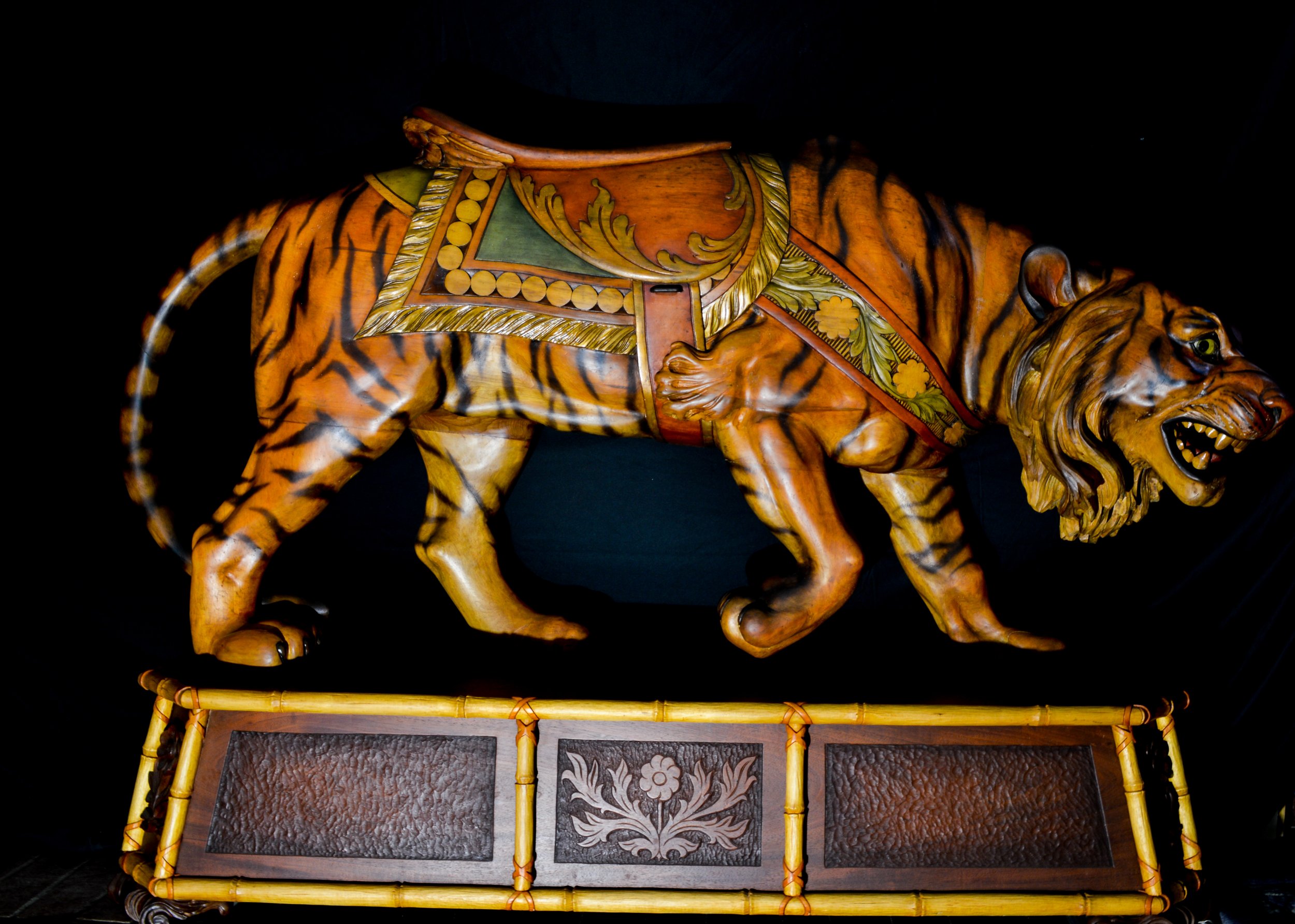
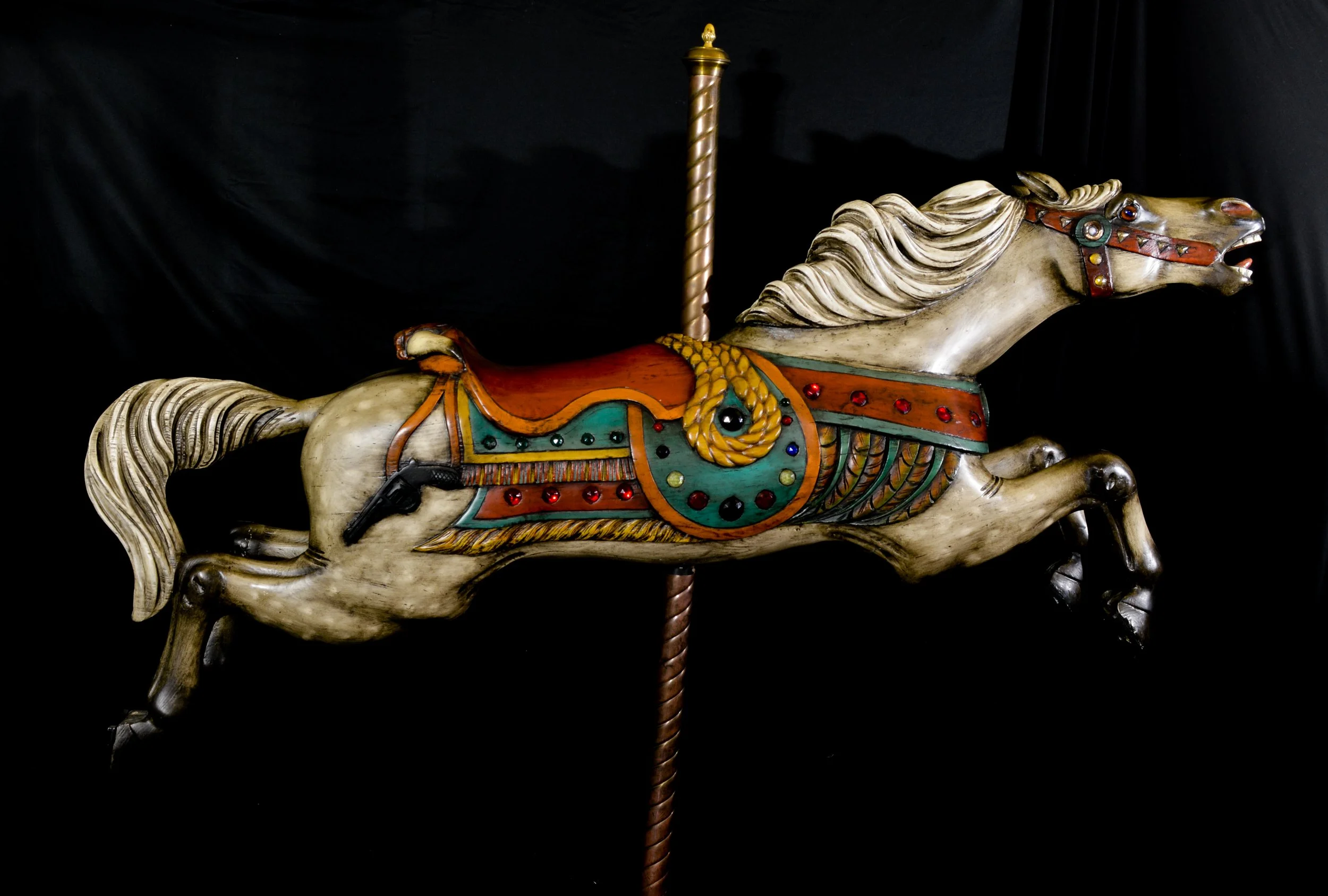
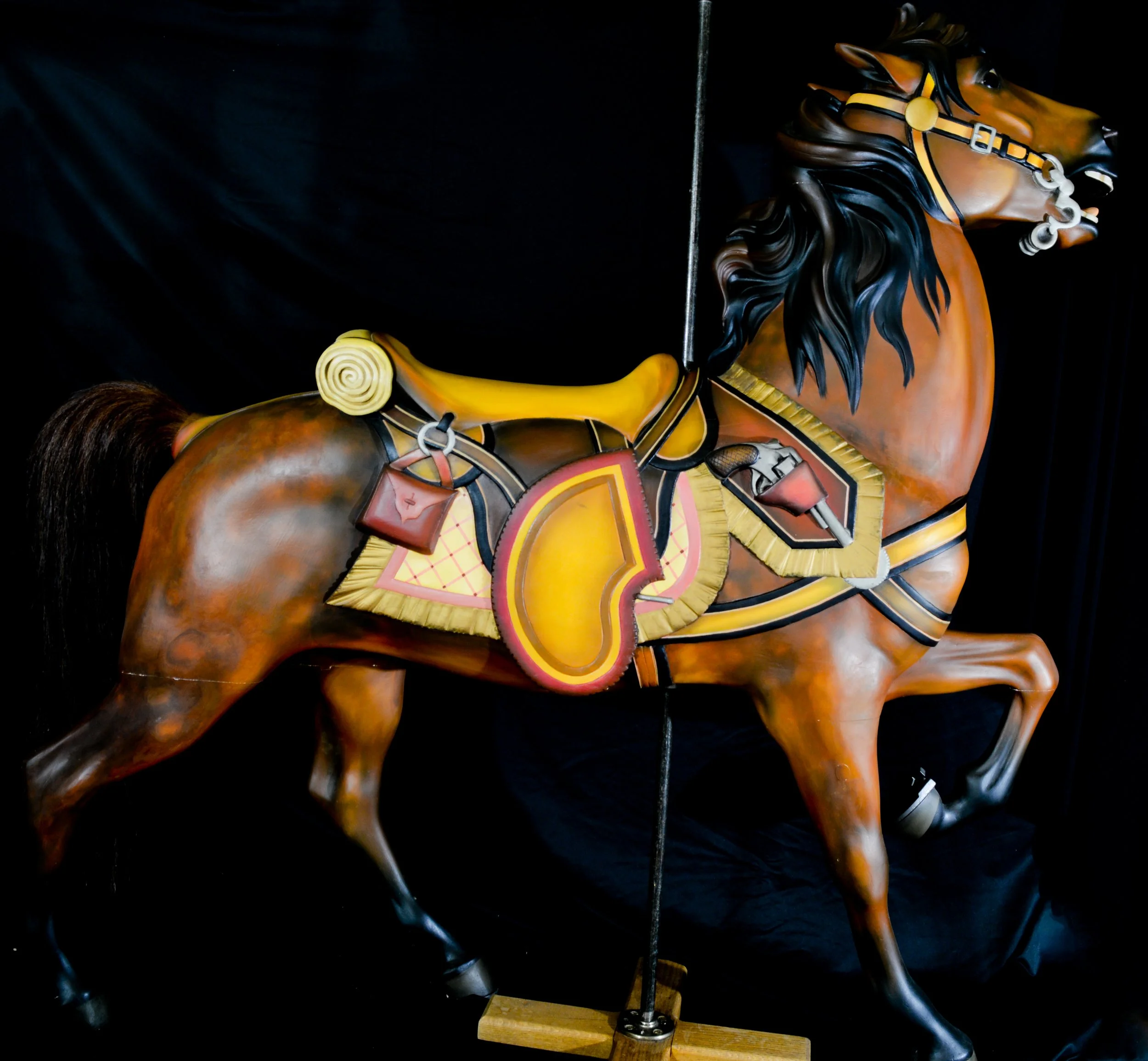
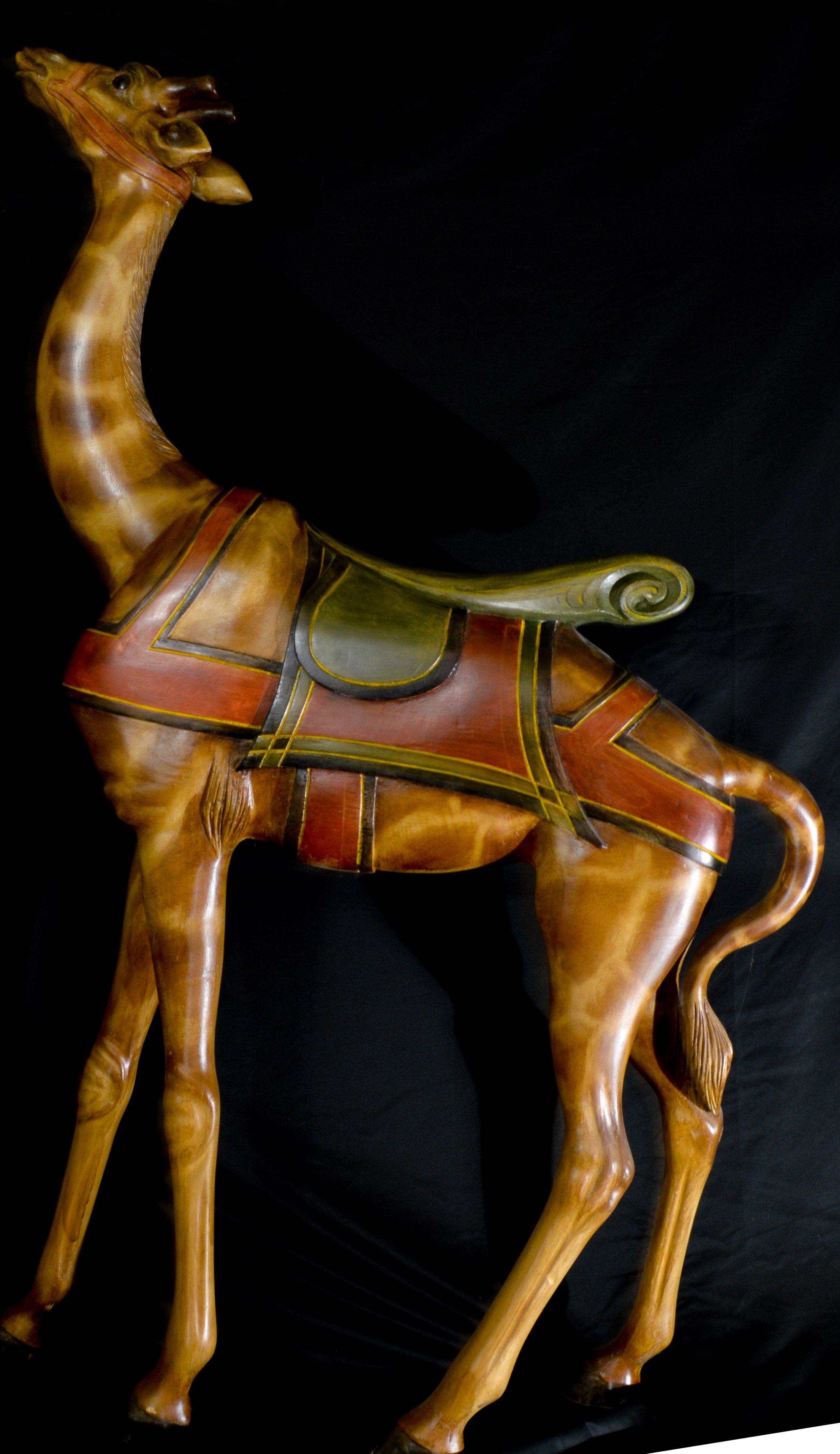
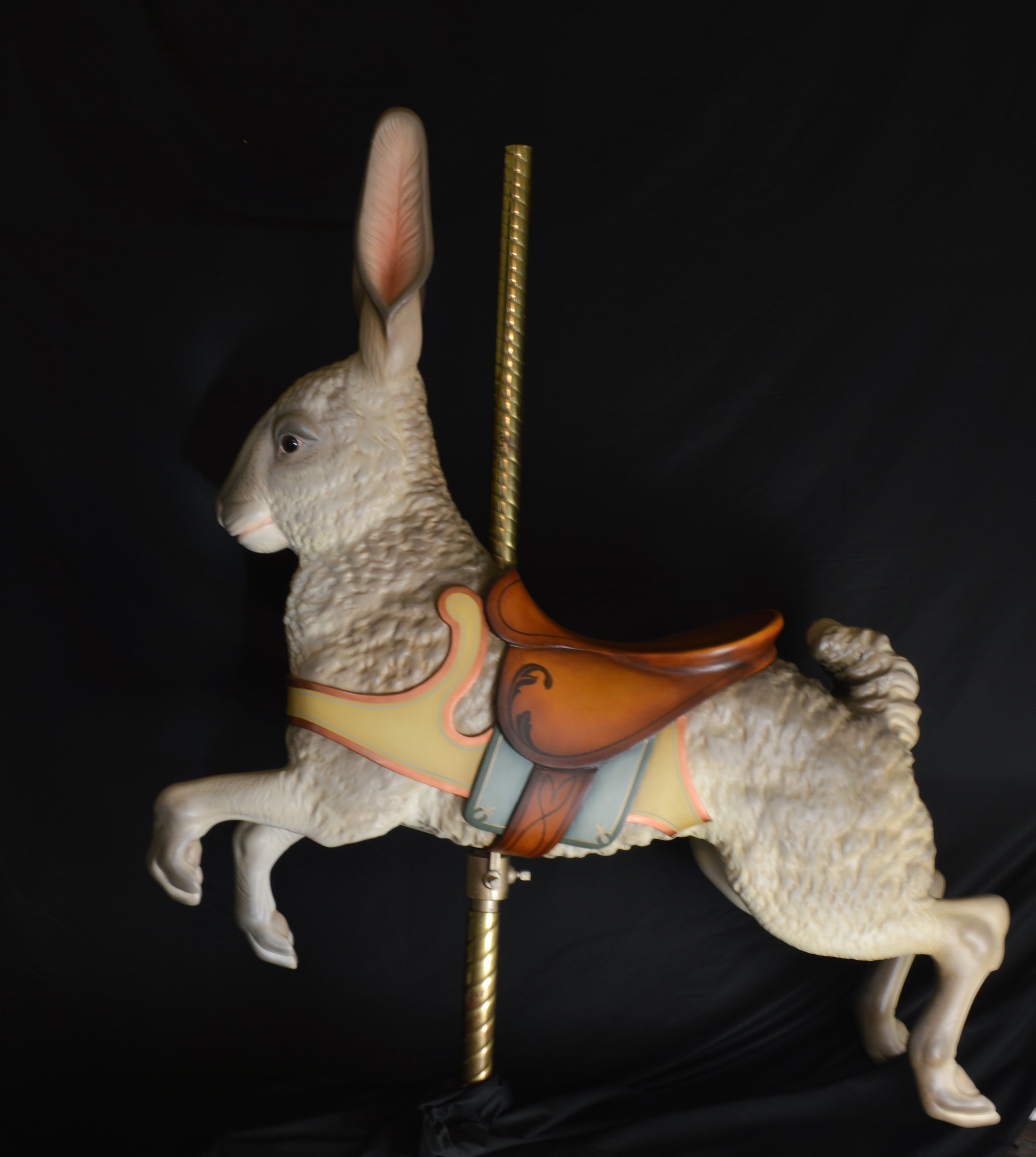
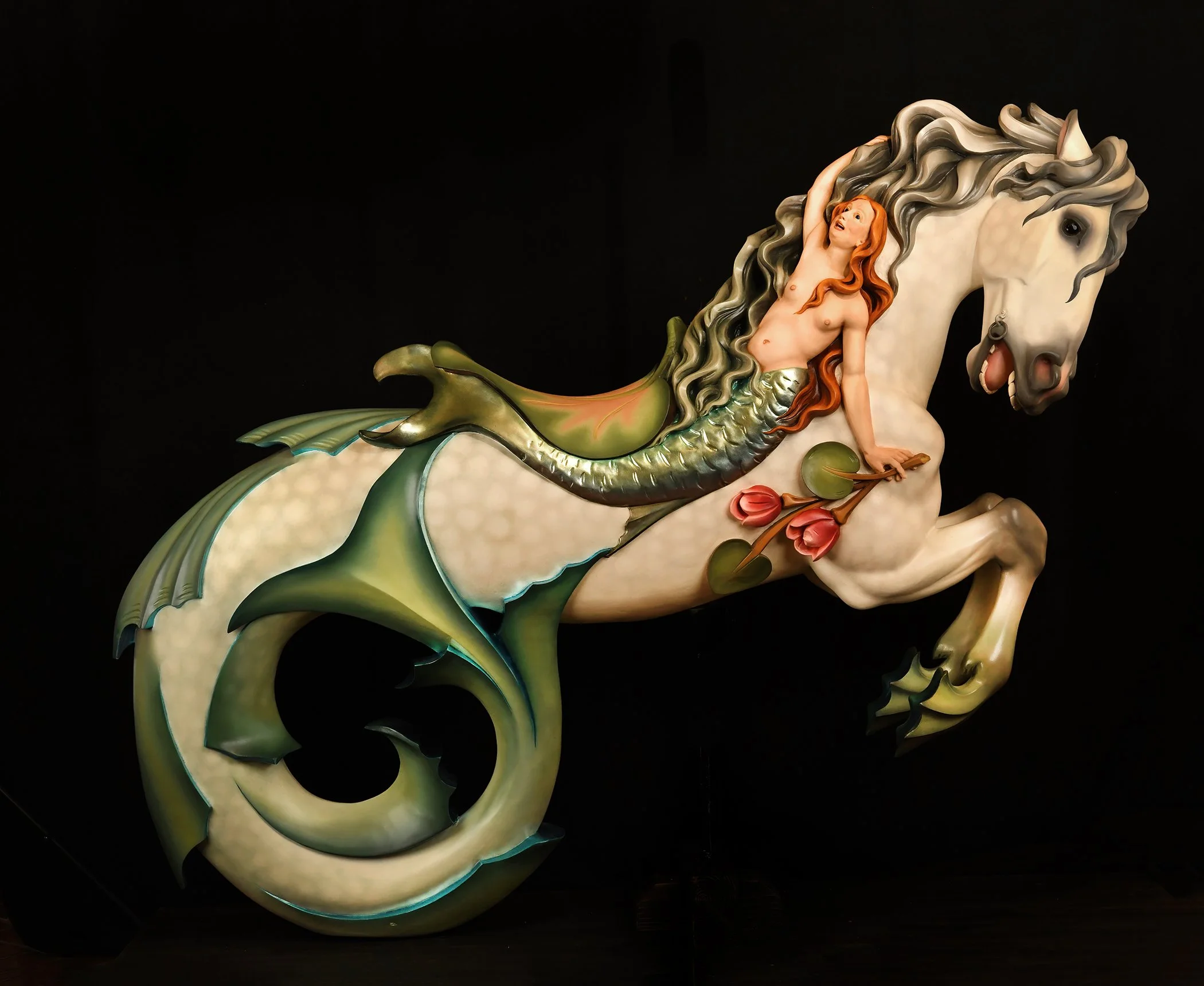
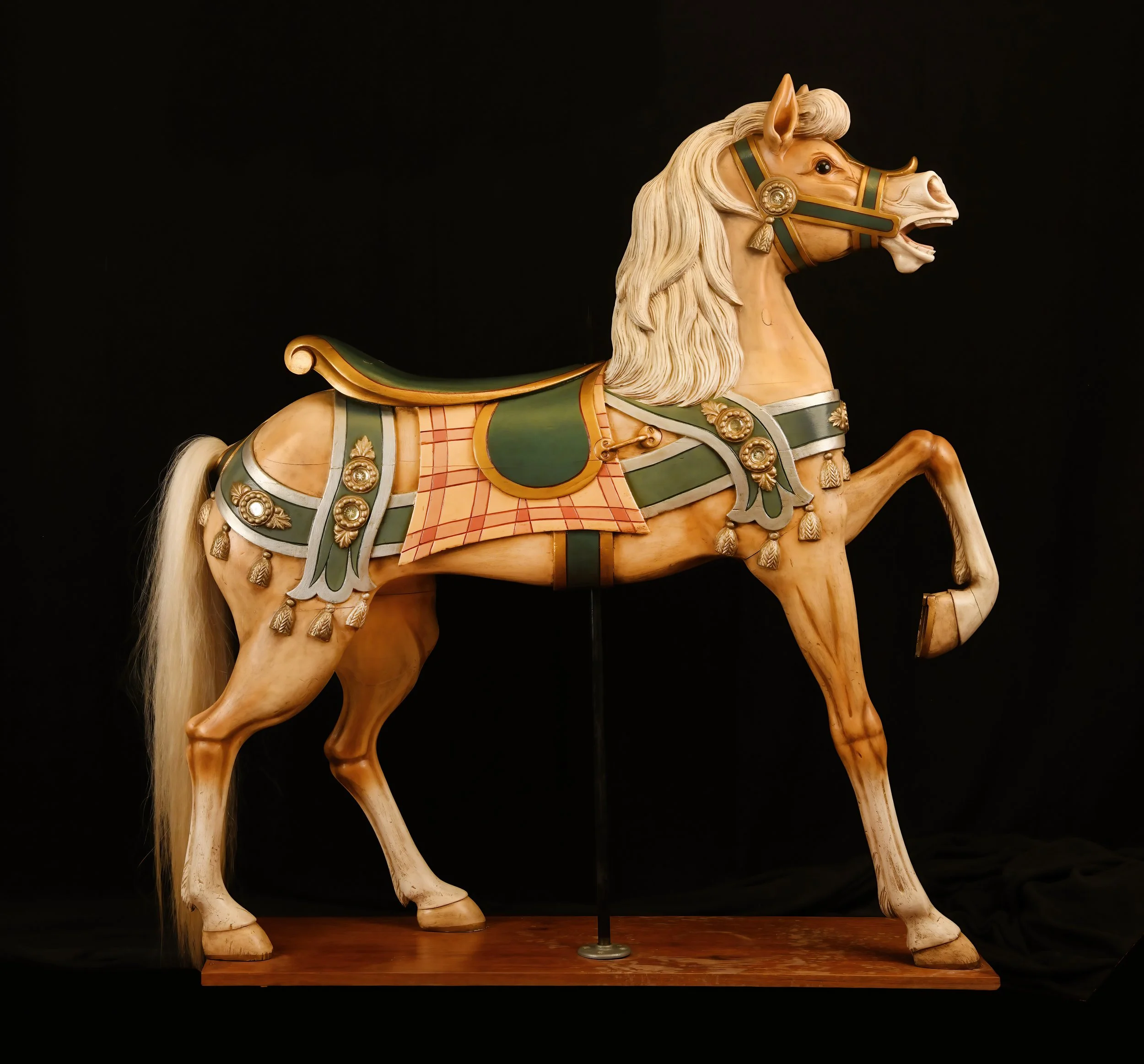
Illions was a highly innovative carver who kept a stable of up to four horses and visited local racetracks regularly to study their motion; he carved all the heads of his figures himself. His figures were described by historian Roland Summit as having "explosive, flying manes and powerful straining bodies, decked out with latticework harnesses and other virtuoso feats of carving," with gold-leaf and 23-karat gilding becoming signatures of his hand. Unlike most carvers, Illions usually signed his work. The New York Times called him "the Michelangelo of carousel carvers." When carousel orders dried up during the Great Depression, Illions was reduced to repair work and died broke in 1949. Surviving machines include the Flushing Meadows carousel in Queens and the B&B Carousell at Luna Park in Coney Island. Vintagecarousels + 3