
Anderson of Bristol Bristol, England — Active c. 1840s–1936
Williams & Anderson were a well-established Bristol maritime woodcarving firm, originally based at Commercial Row in Hotwells near the city's harbor. The firm began trading in the mid-nineteenth century with John Anderson and his uncles, the Williams brothers, producing figureheads for the sailing ships that filled Bristol's docks during the 1840s and 1850s. As the age of sail gave way to steam and demand for figureheads collapsed, the firm pivoted entirely to fairground work. Registered as J.R. Anderson between 1889 and 1900 and subsequently as Arthur Ernest Anderson, the company became closely associated with carved fairground carousel figures in its later years.
John Robert Anderson was one of two renowned carvers and suppliers to Frederick Savage of King's Lynn, the dominant English carousel manufacturer of the period — the other being Charles John Spooner of Burton-on-Trent. Both Anderson and Spooner went on to manufacture carousels independently in the UK. The Anderson style is distinctive and recognizable: their gallopers were known for burgeoning scrollwork under the belly, Italianate grotesque grins on the flanks, and a flying ribbon frozen onto the neck lettered with the name of a famous horse or friend. Later work went further still, with animal heads carved into the bodywork — a dream-like, surreal effect unlike anything produced by their contemporaries. Arthur Anderson produced many dozens of animals for British fairground rides through the late Victorian and Edwardian periods into the 1920s, but the business faltered during the Depression and finally closed in 1936 when Anderson's estate was sold at auction. Surviving Anderson figures — most produced for Savage galloper machines — are documented at Clacton Pier and Six Flags Great Adventure in New Jersey, and are featured prominently in the specialist reference Fairground Art.
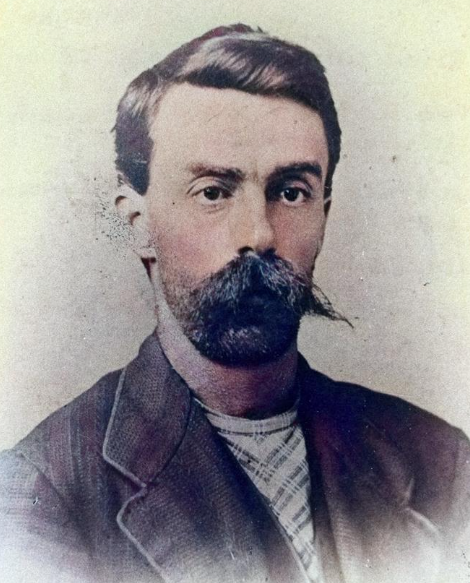
John Robert Anderson
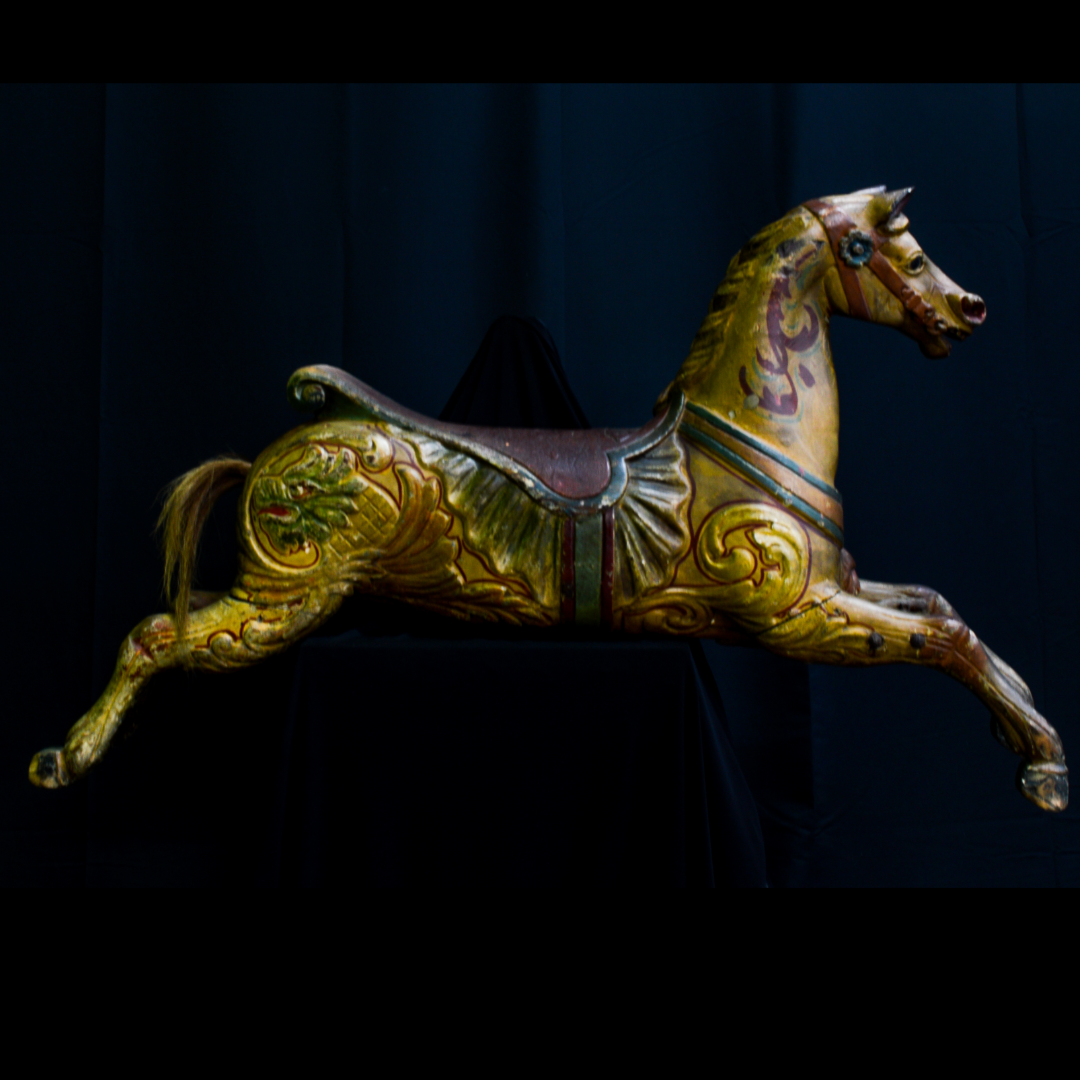
031
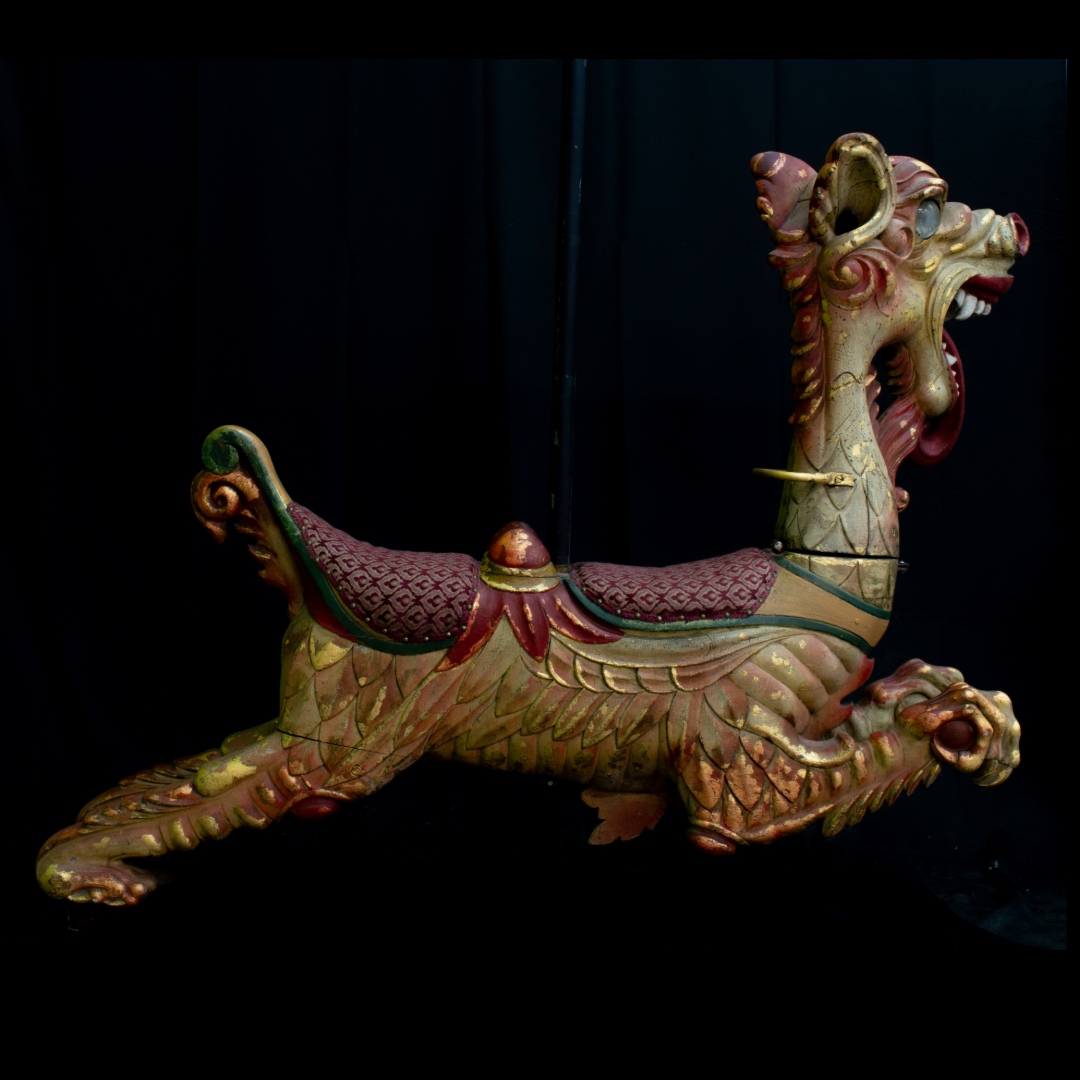
017