
Herschell-Spillman Company North Tonawanda, New York — Active 1901–1920
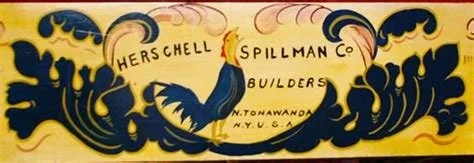
In 1901, following financial difficulties at Armitage-Herschell, Allan Herschell partnered with his brother-in-law Edward Spillman to form what became the largest carousel manufacturer in the United States. Operating from North Tonawanda in upstate New York — a city so defined by its carousel industry that its welcome sign once read "Home of the Carrousel" — the company began in the country fair style before branching out into larger, elaborate park machines featuring many types of animals. The Herschell-Spillman factory developed a repertoire of eighteen separate menagerie animals, most of which appeared on each of their larger carousels. All components were manufactured in-house at the North Tonawanda factory: animals carved from basswood or poplar on the carving floor, finished in the paint shop, and shipped for final assembly via the Lockport Branch of the New York Central Railroad.
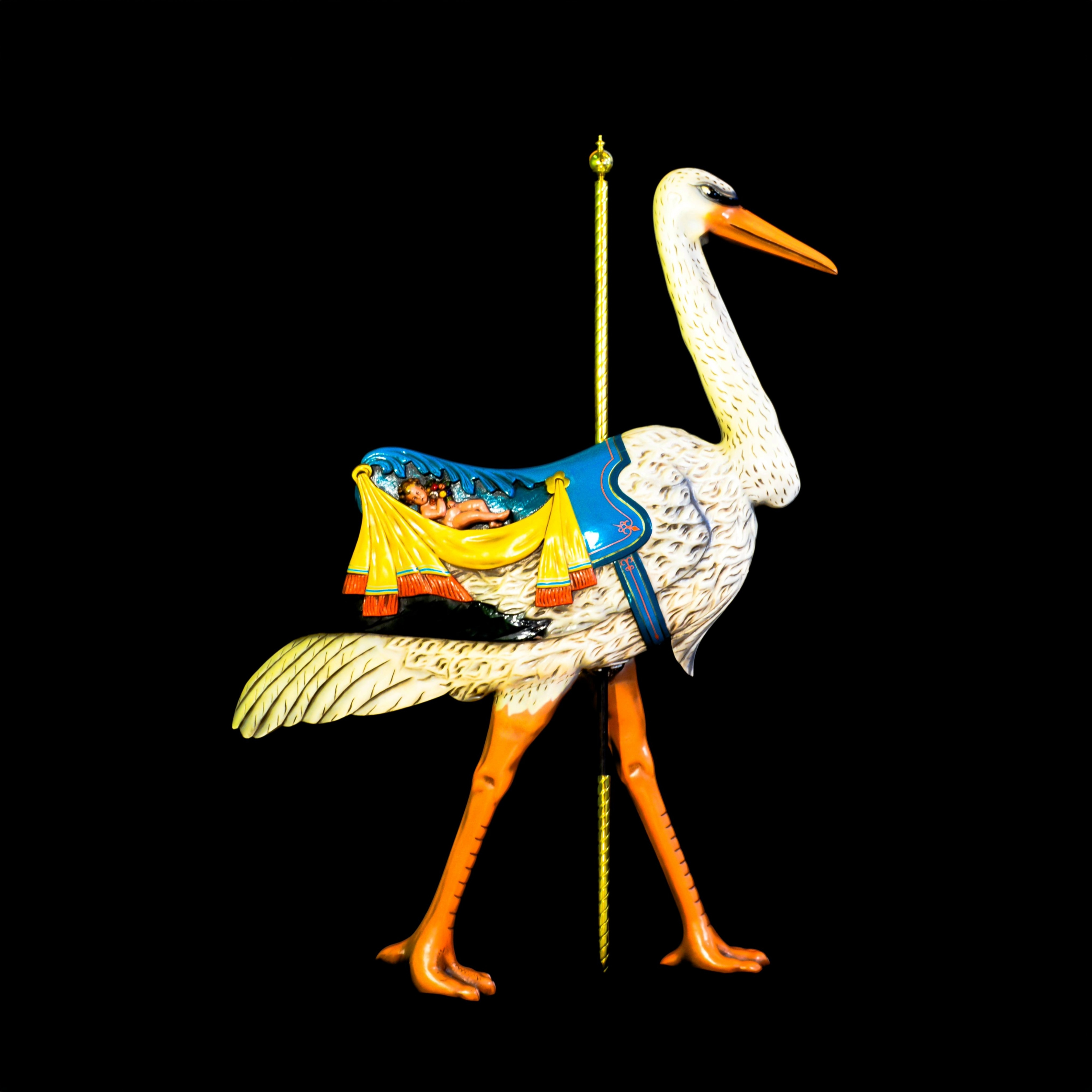
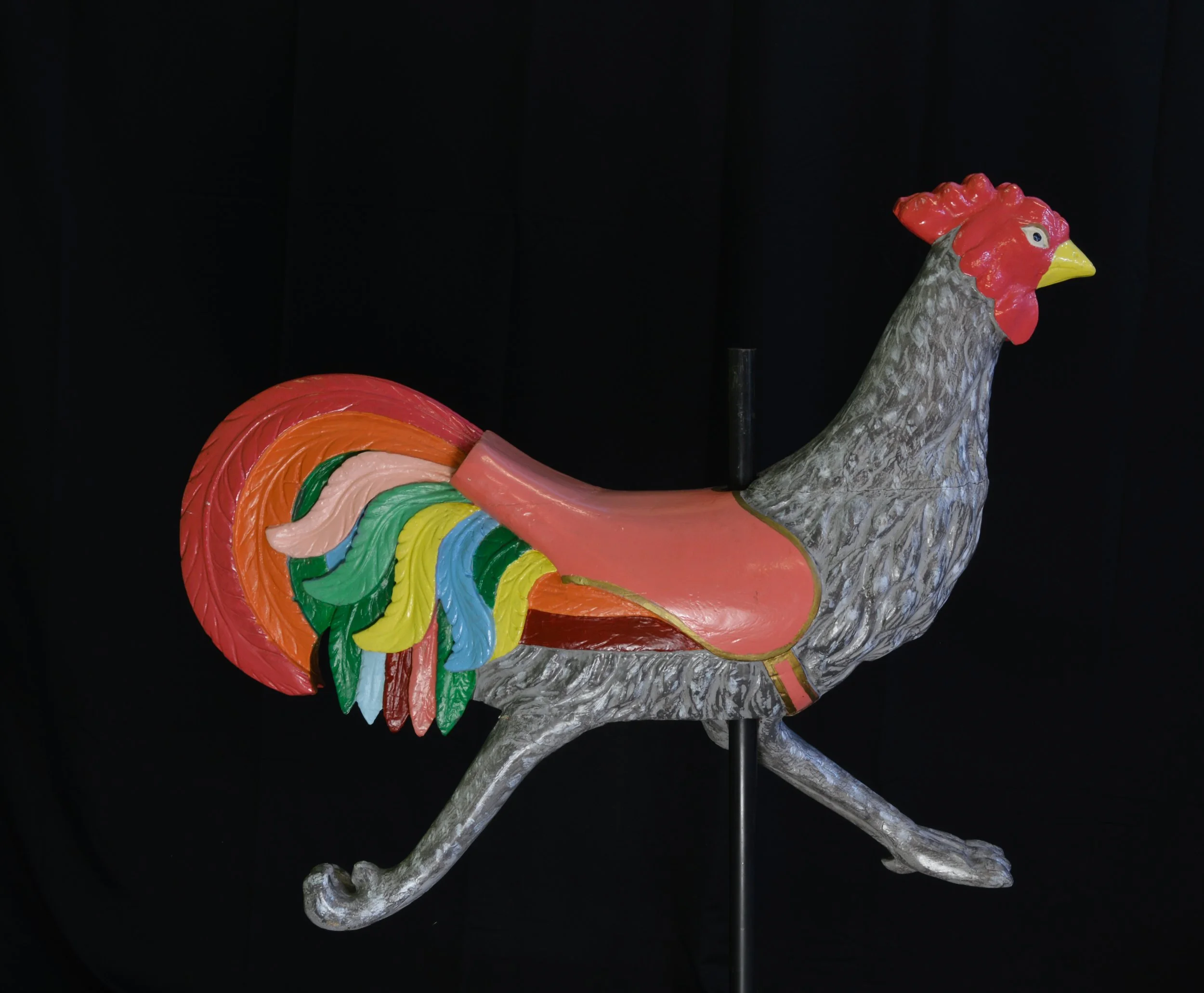
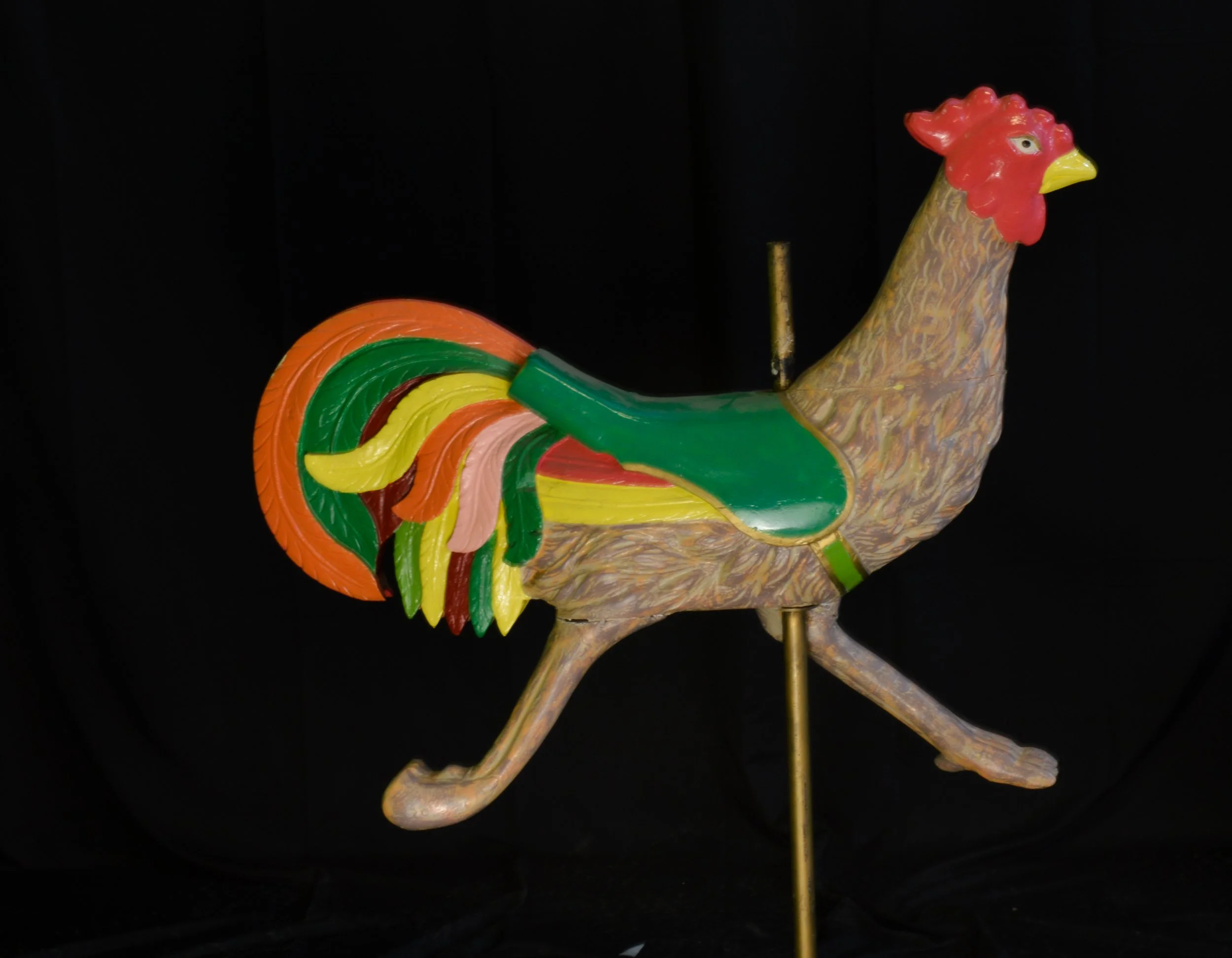
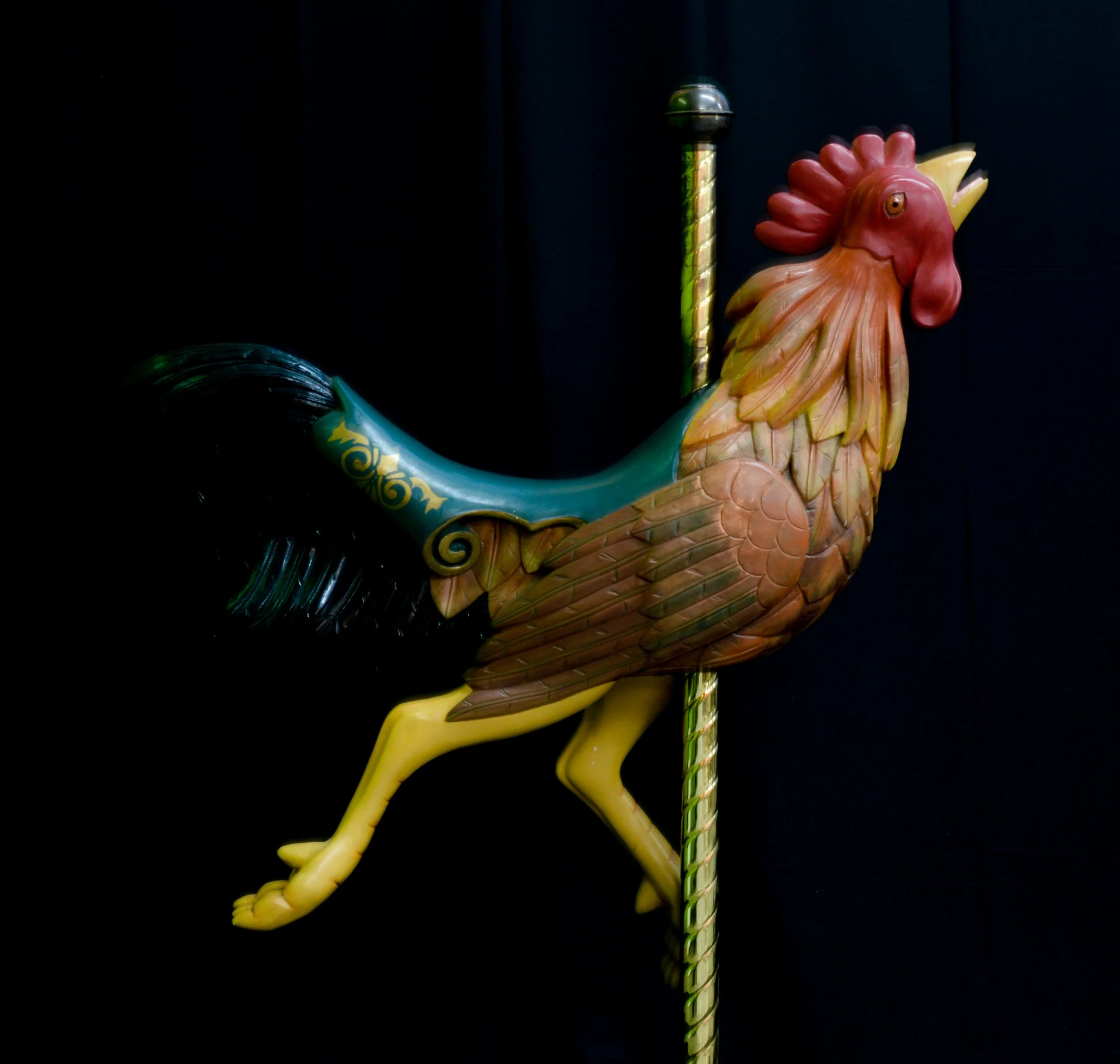
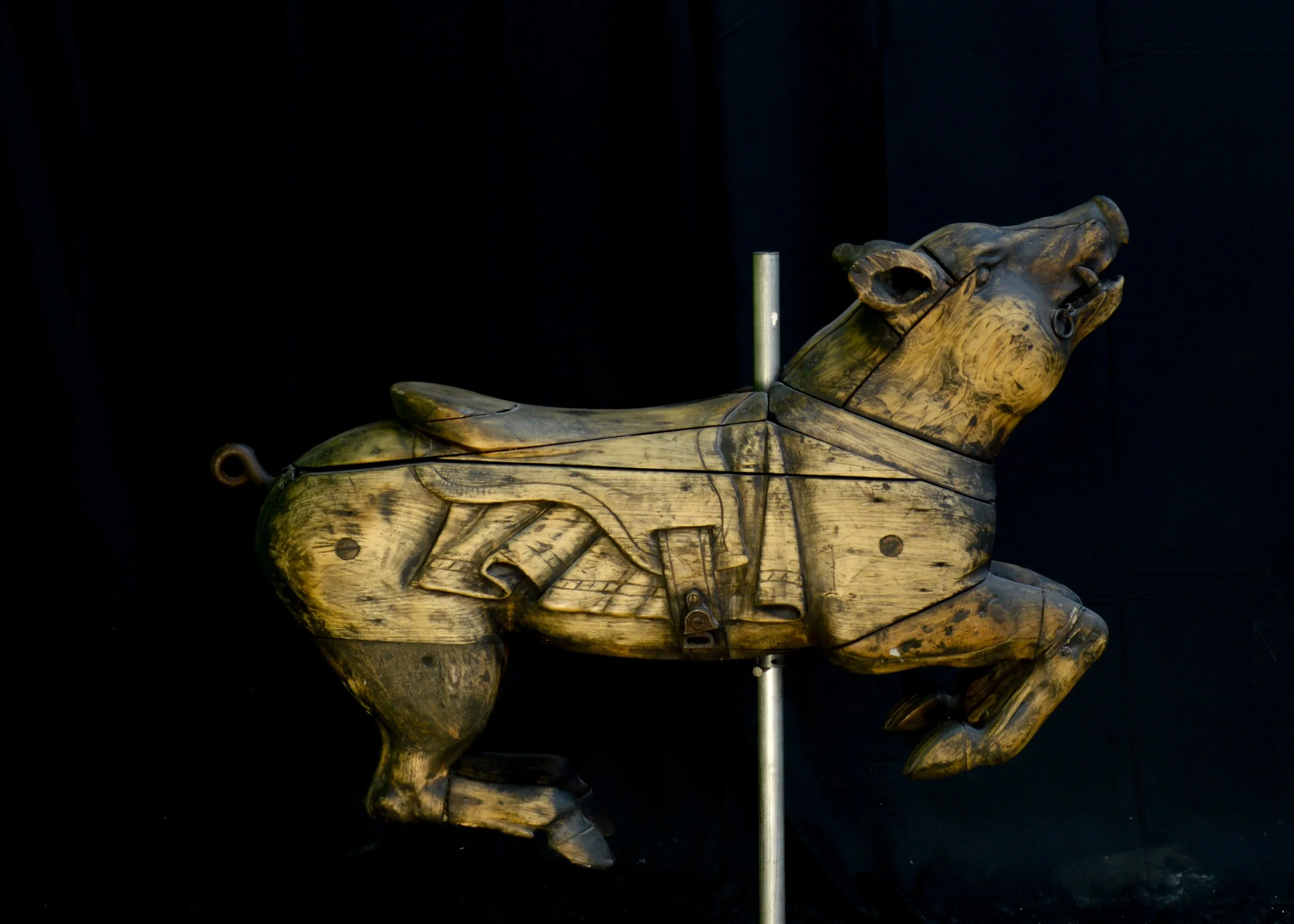
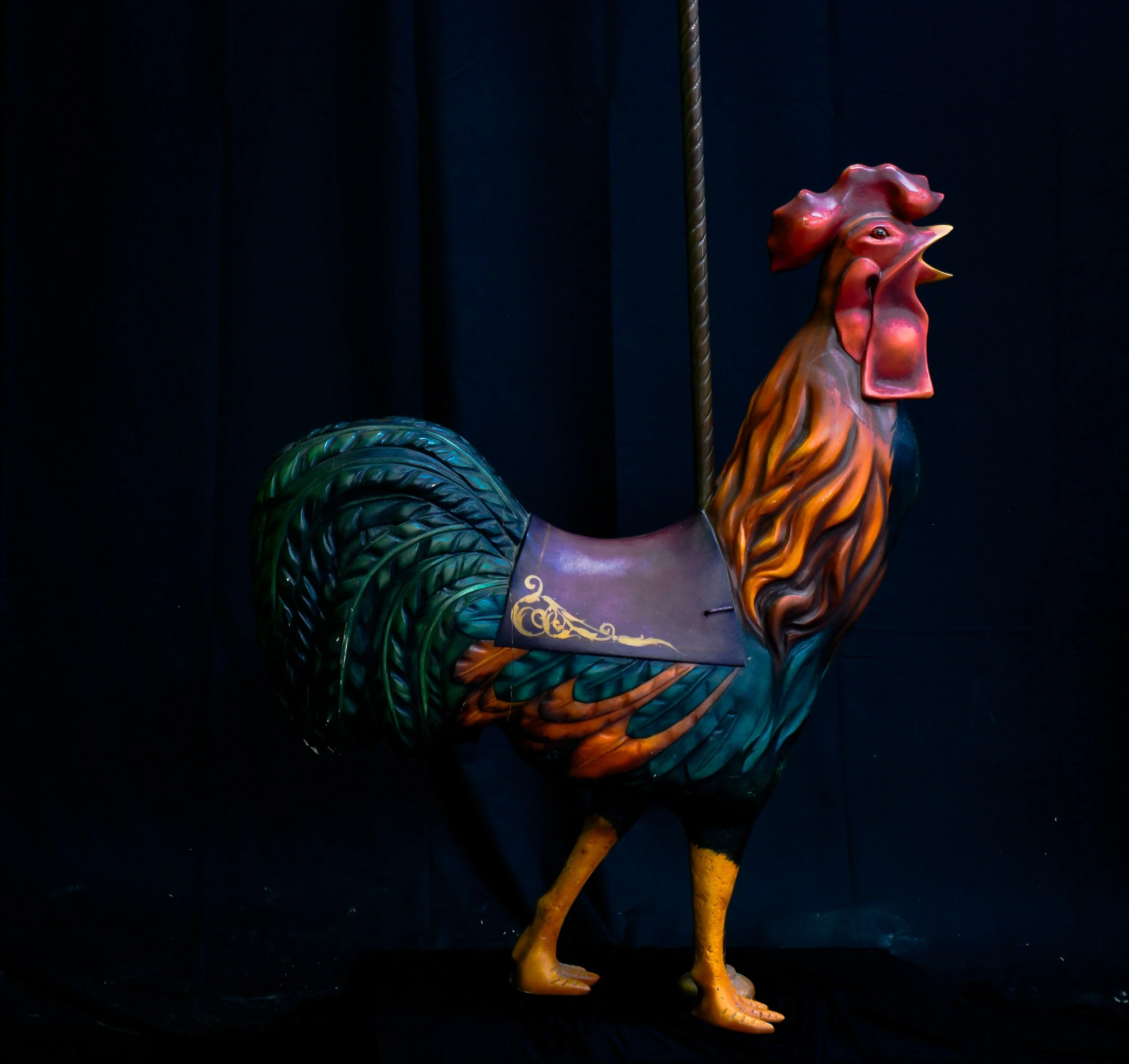
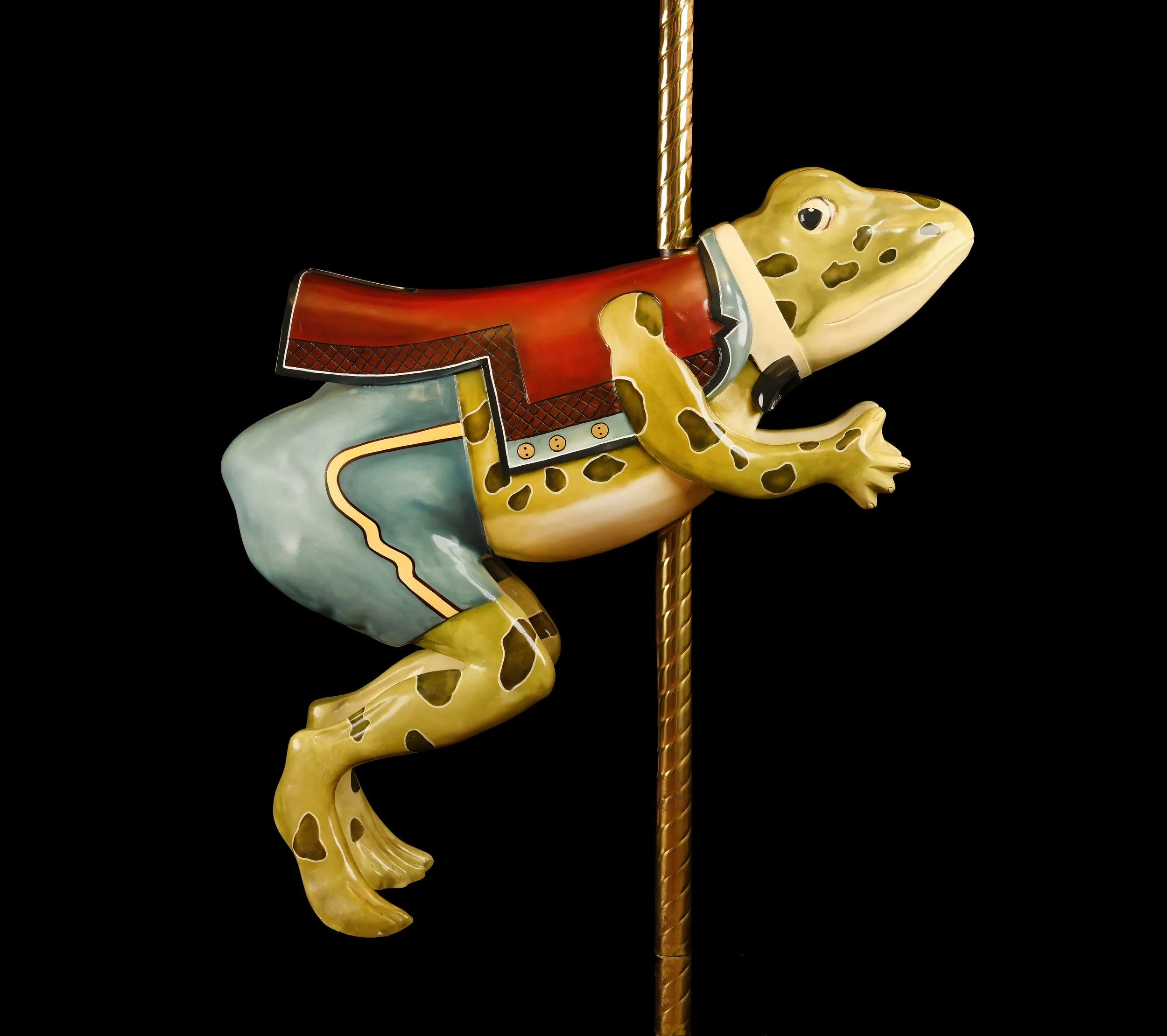
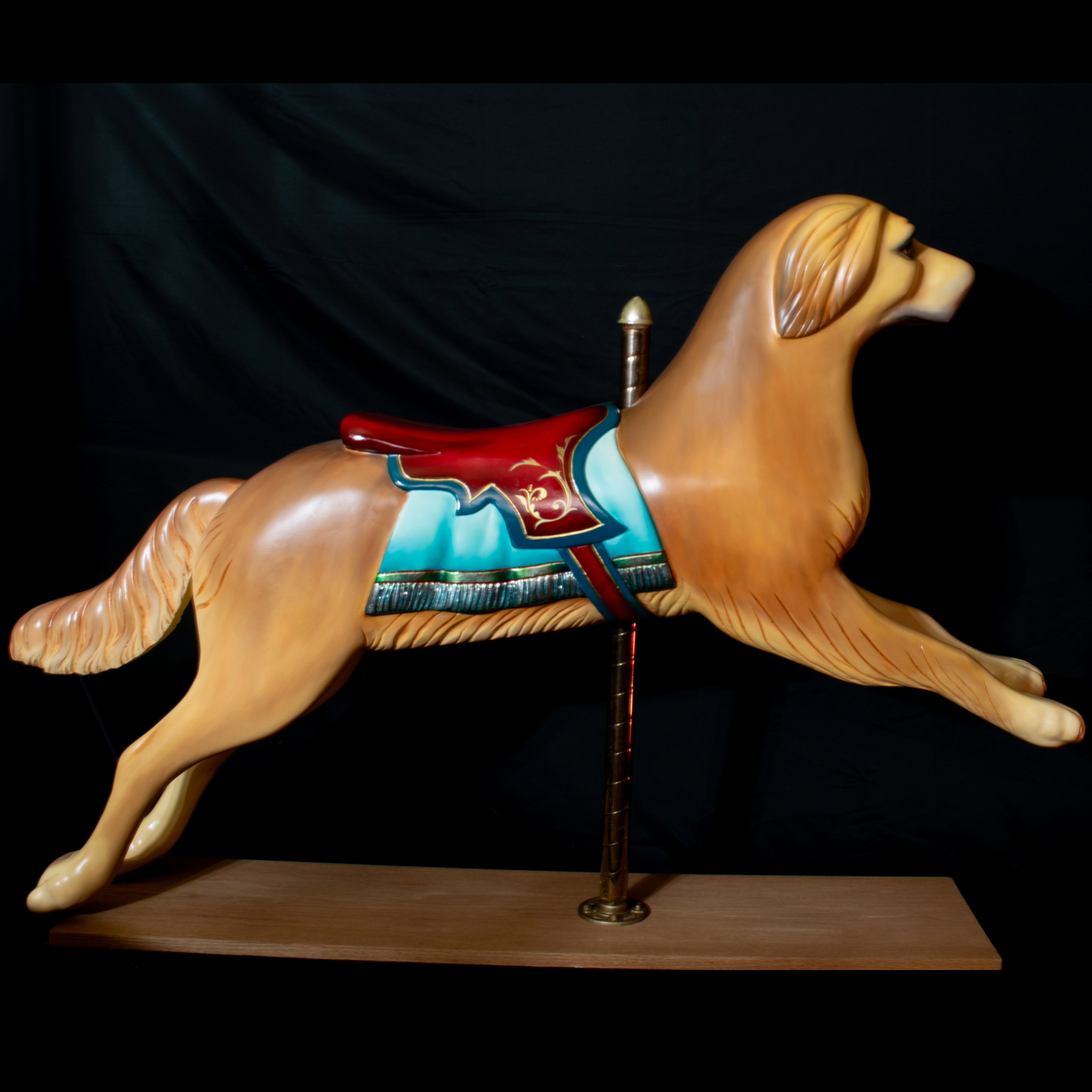
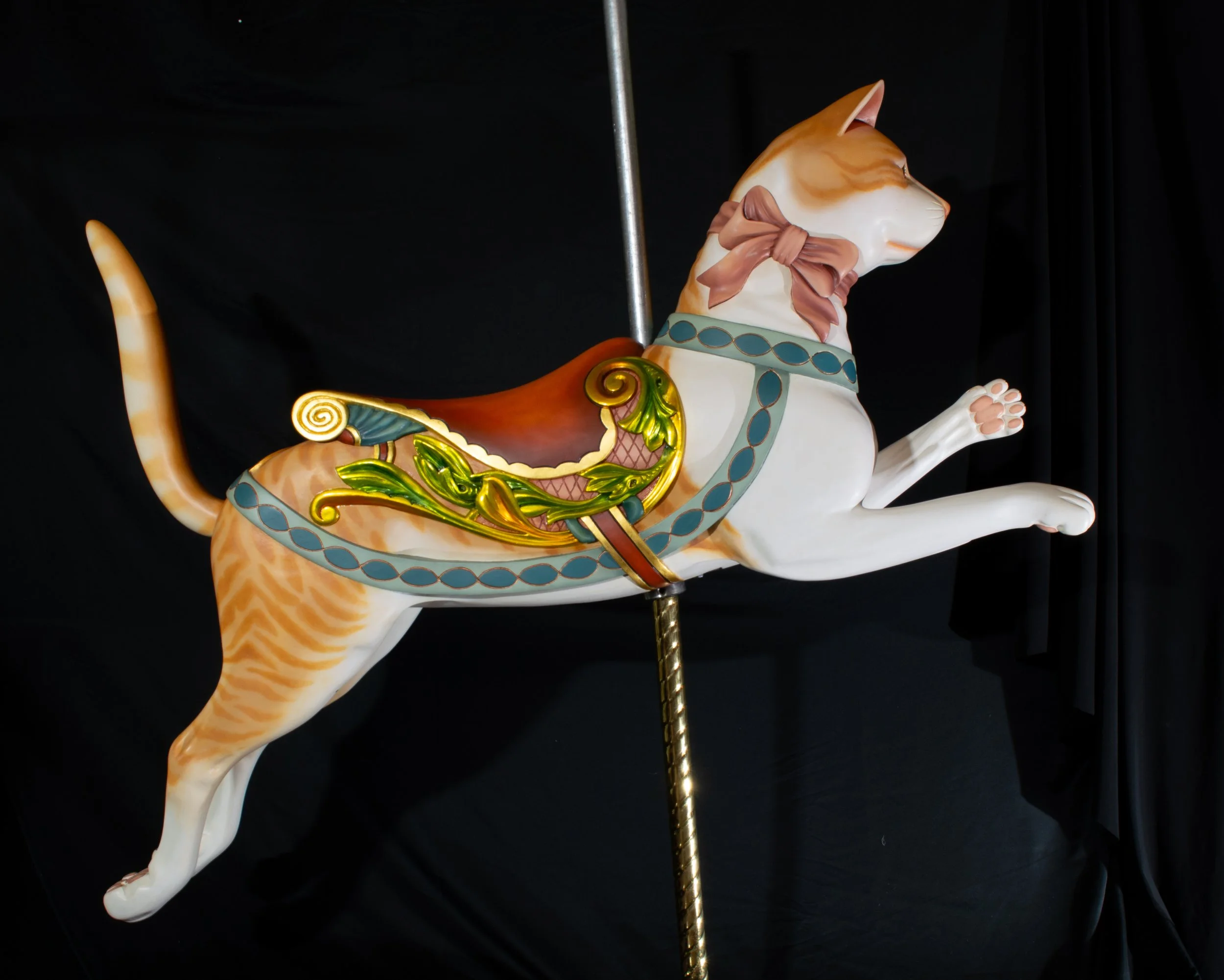
The Herschell-Spillman aesthetic is recognizable and distinct. Their figures are characterized by a folksy, robust charm — somewhat chunkier than Philadelphia-school work, with a playful almost cartoon-like quality, and menagerie animals particularly beloved for their whimsical, often mischievous expressions. It is the eclectic collection of hand-finished animals that makes Herschell-Spillman machines so memorable — whether the dapper rooster, the majestic lion, or the rare hoptoad. Allan Herschell retired from the company around 1913 due to ill health, after which the company continued evolving toward larger park carousels combining country fair design with increasingly decorated figures. By 1920 it reorganized as the Spillman Engineering Corporation, continuing production until being acquired by the Allan Herschell Company in 1945. Surviving Herschell-Spillman carousels operate today at Greenfield Village at The Henry Ford, Golden Gate Park in San Francisco, and Ocean City, Maryland, among others.
001
007
008
016
015
014
062
096
098
104