
American Pieces
The American carousel-figure tradition is the heart of the collection, and the reason is historical: between roughly 1880 and the late 1920s, the United States produced more carved wooden carousel figures of higher quality than anywhere else in the world. Two distinct schools defined the work. The Philadelphia school — Dentzel, Philadelphia Toboggan Company, E. Joy Morris — favored realism, restrained ornament, and a quiet dignity in the figures' faces and stances. The Coney Island school — Looff, Stein & Goldstein, Carmel, Müller, Illions — pushed in the opposite direction: dramatic poses, exuberant trappings, jewels and gold leaf, and a flash that suited an urban amusement crowd.
Alongside the urban factories worked the country-fair manufacturers — Armitage-Herschell, Herschell-Spillman, Allan Herschell, C. W. Parker — whose simpler, smaller figures rode the portable machines that traveled American summers. Their work is often dismissed as lesser, but the best of it stands comfortably alongside the city factories, and a portable machine in original park paint can be more revealing of the field than a fully restored urban survivor.
Menagerie figures — the giraffes, lions, tigers, deer, roosters, and pigs that rounded out the great machines — appear throughout this section of the collection. So do the metal and cast-aluminum figures that came in as the wooden tradition wound down in the 1930s and 1940s, including pieces in the style of Dentzel and Herschell-Spillman that document the transition rather than continue it. Each entry combines direct observation, owner interview material, and independent research, with every claim labeled as reported, sourced, or inferred.
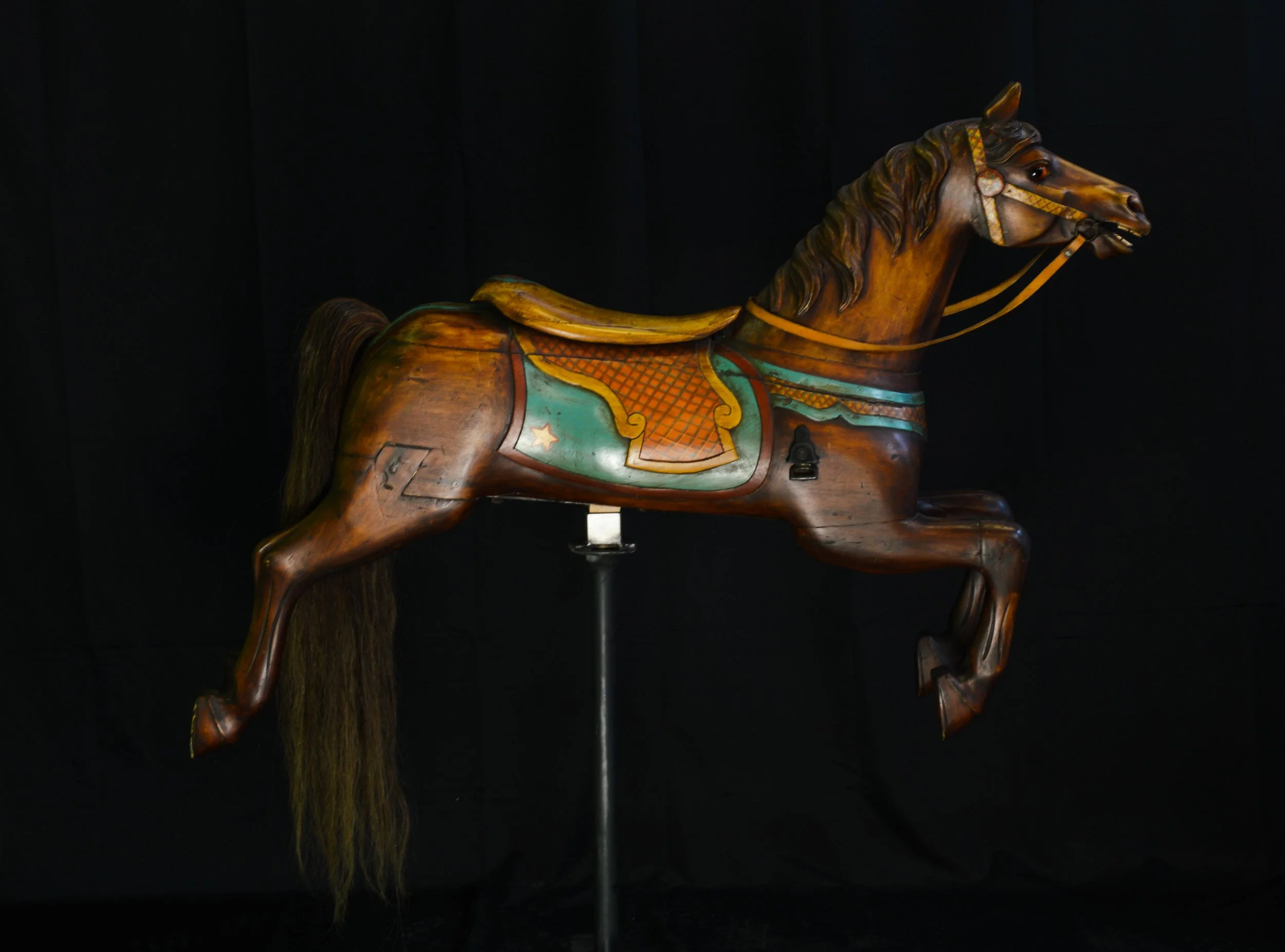
Armitage Herschell - Horse
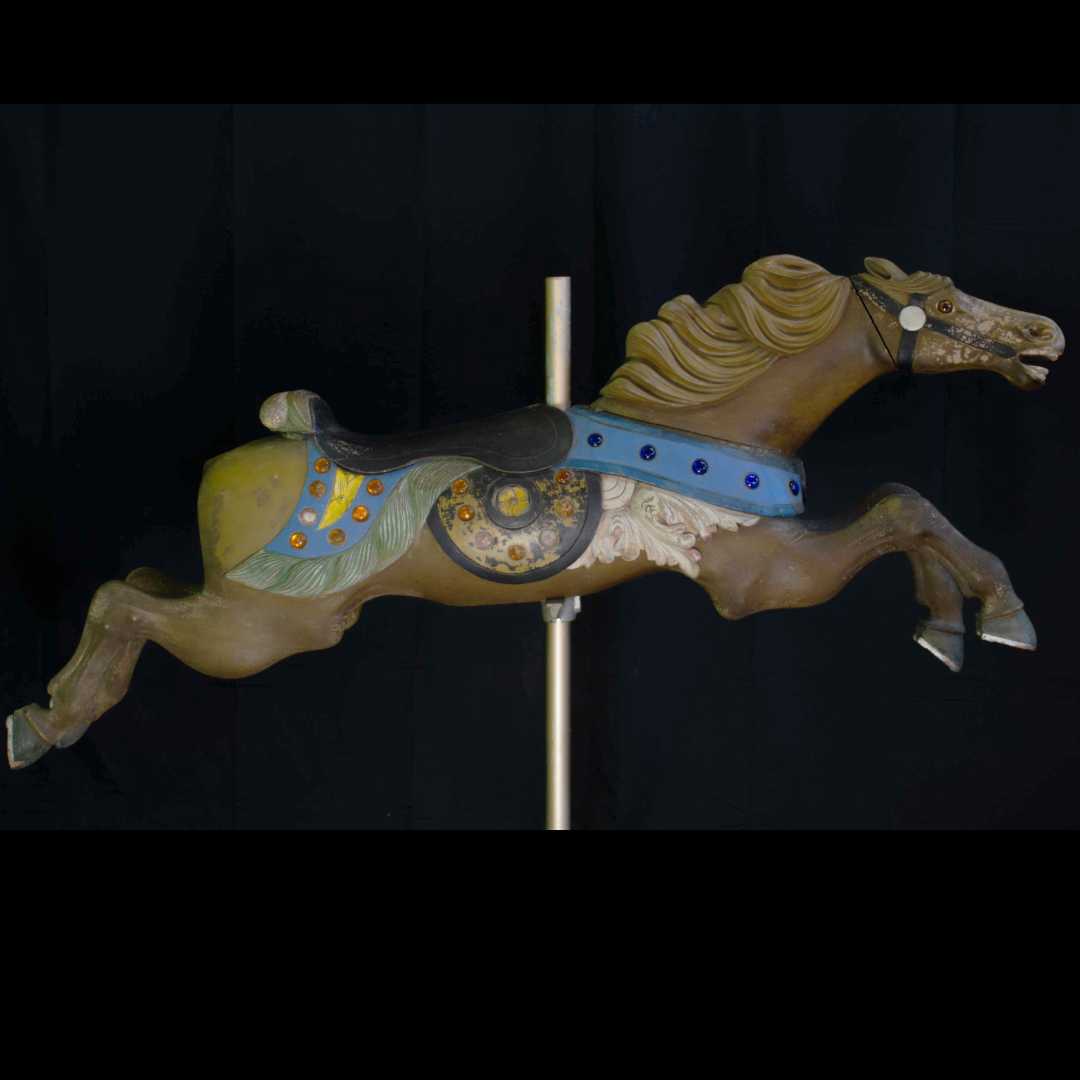
C.W. Parker
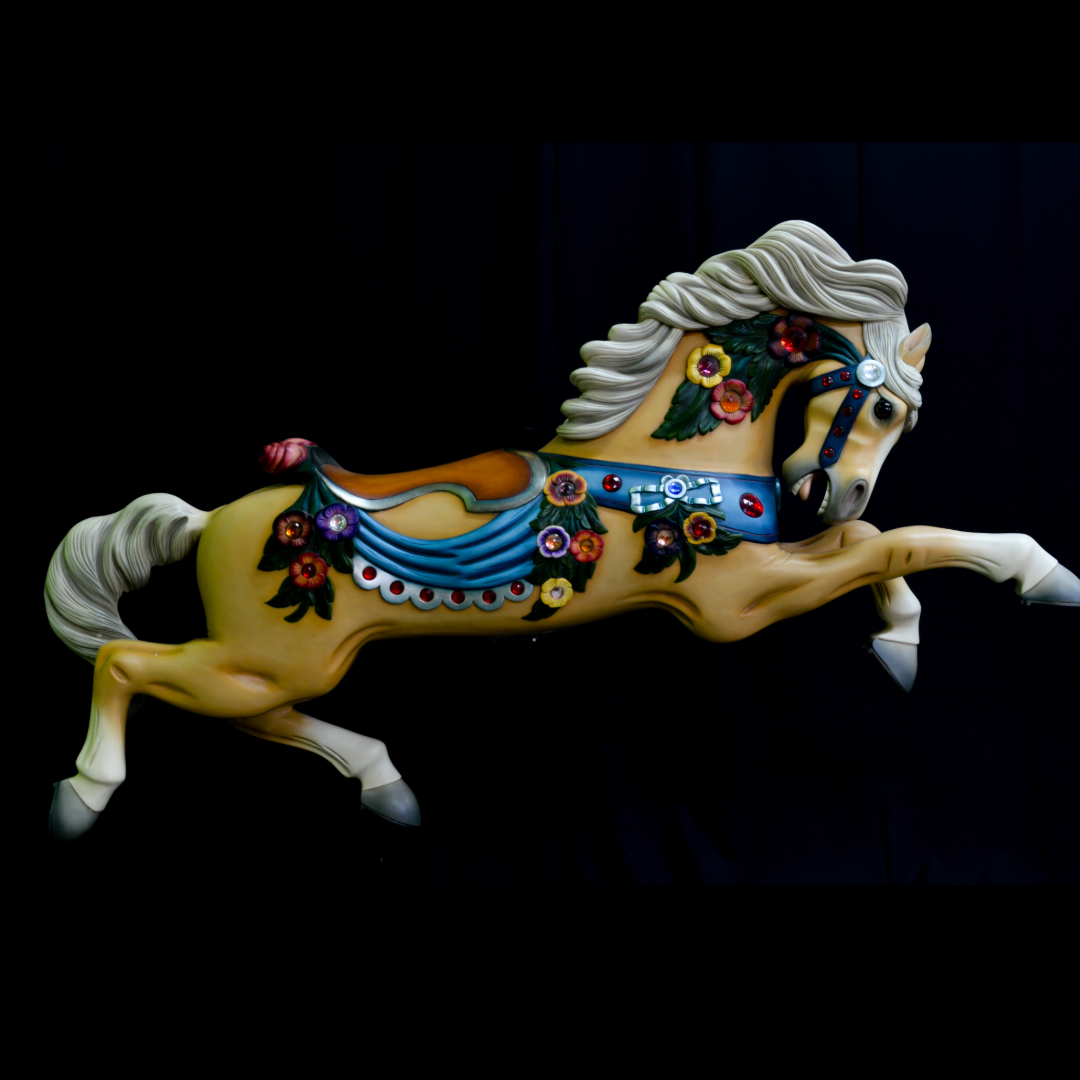
C.W. Parker
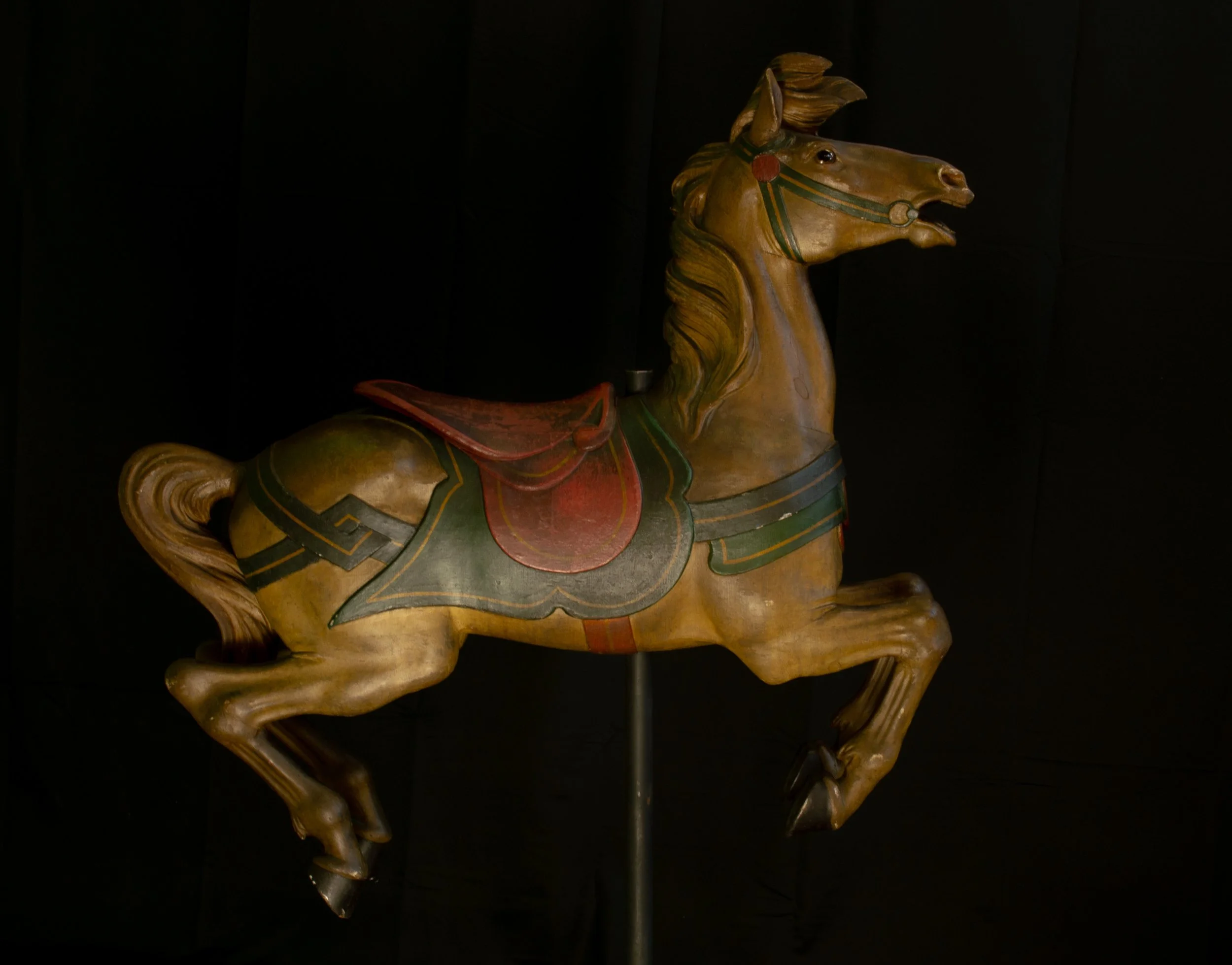
Dentzel
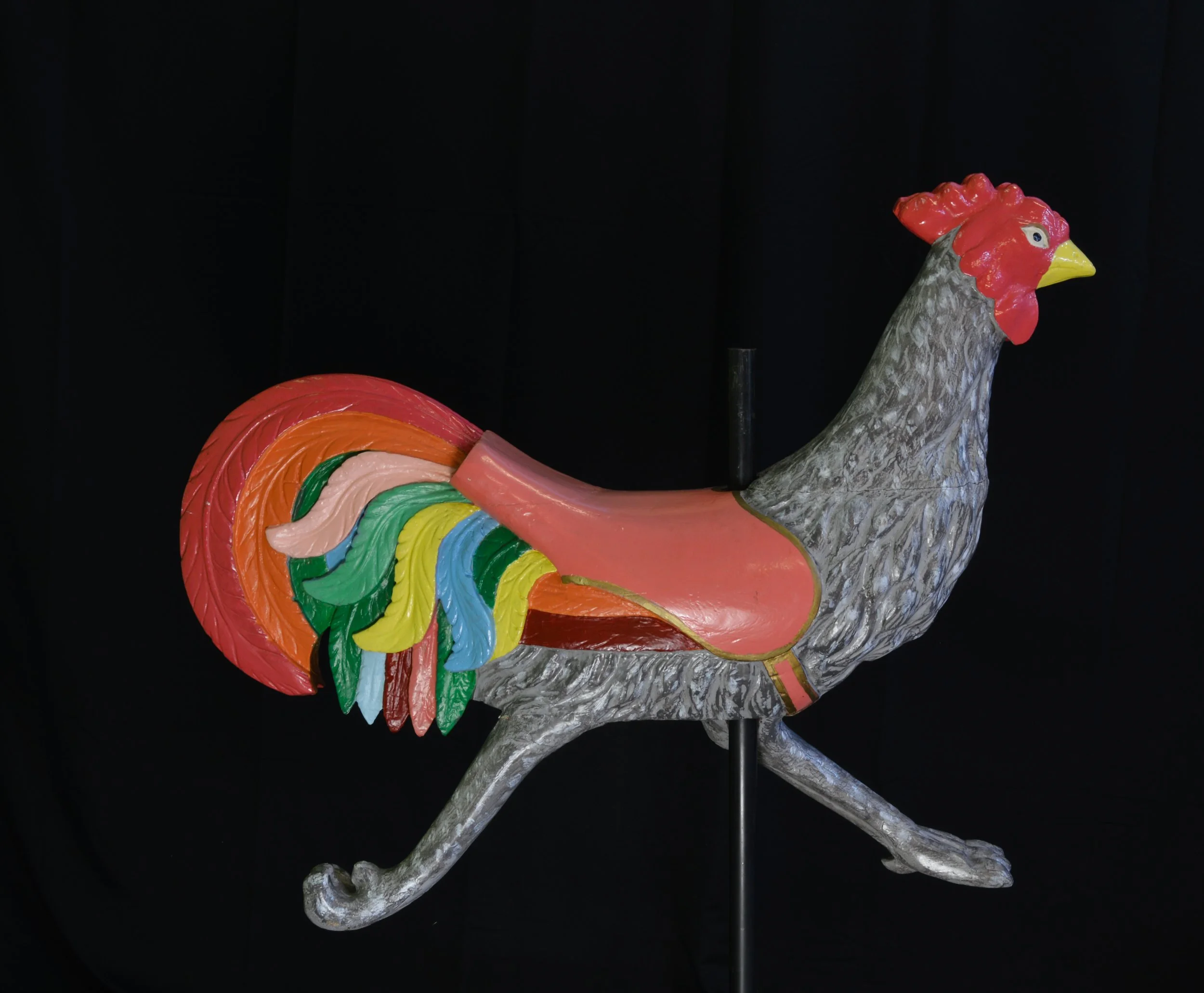
Herschell-Spillman
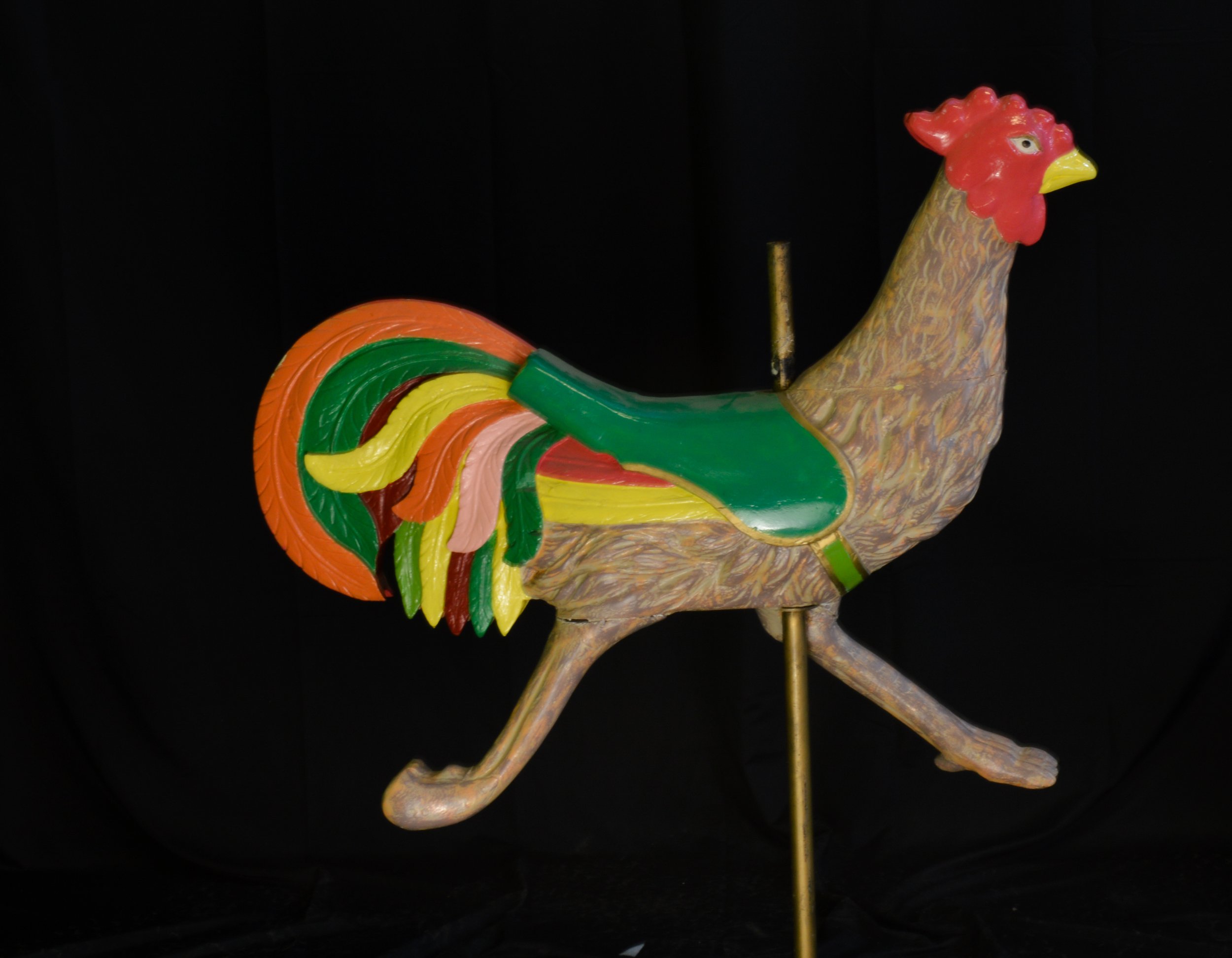
Herschell-Spillman
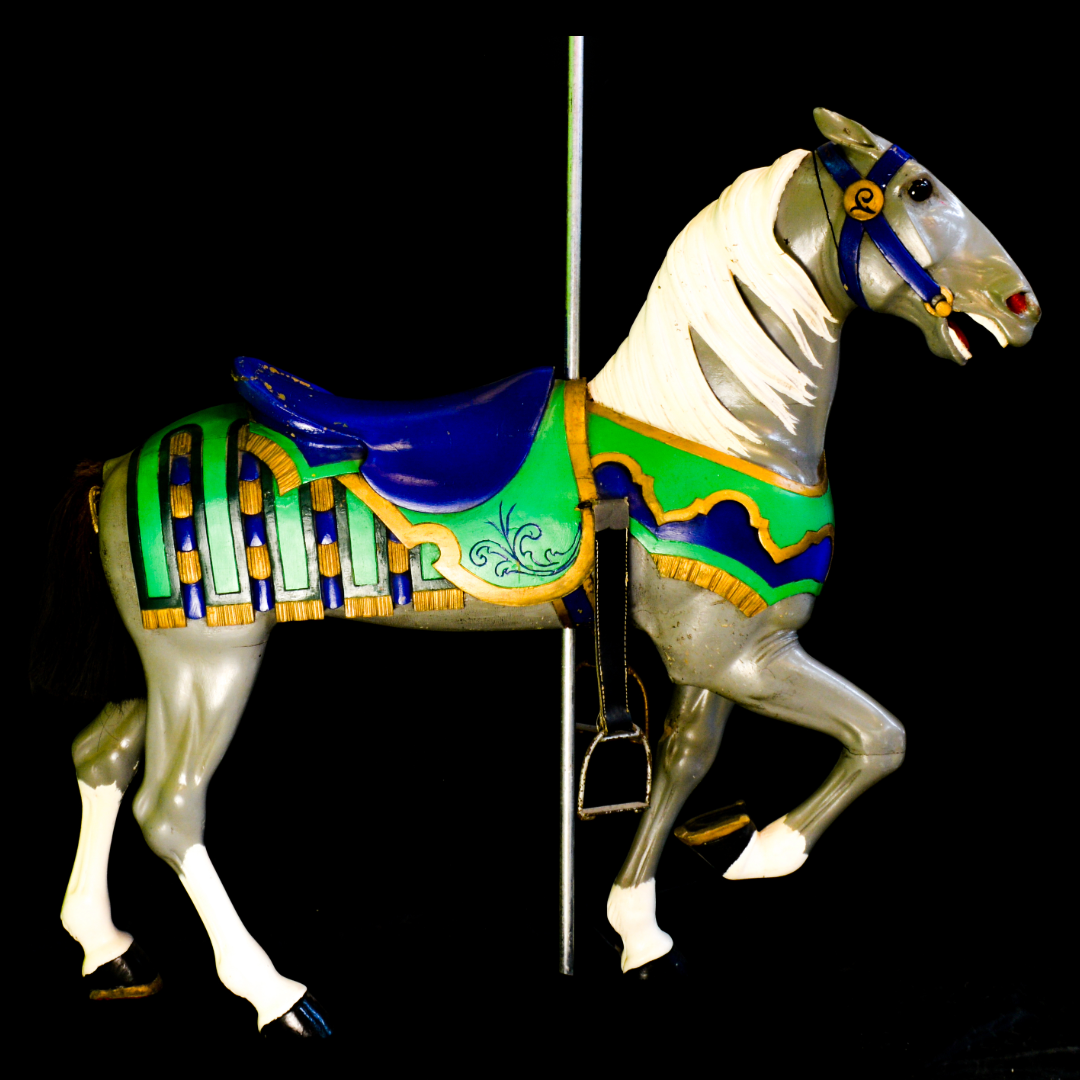
Stein & Goldstein
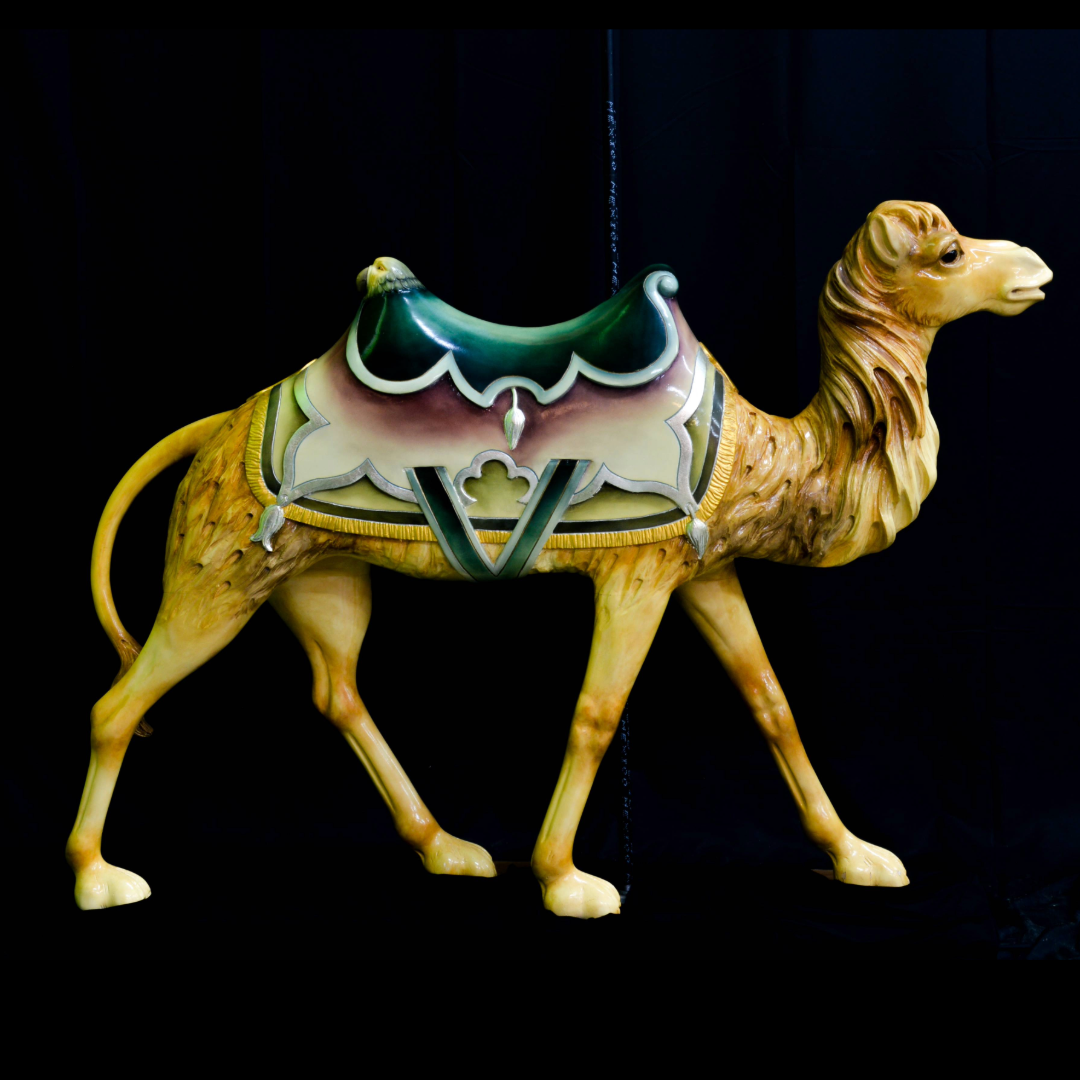
E.J. Morris
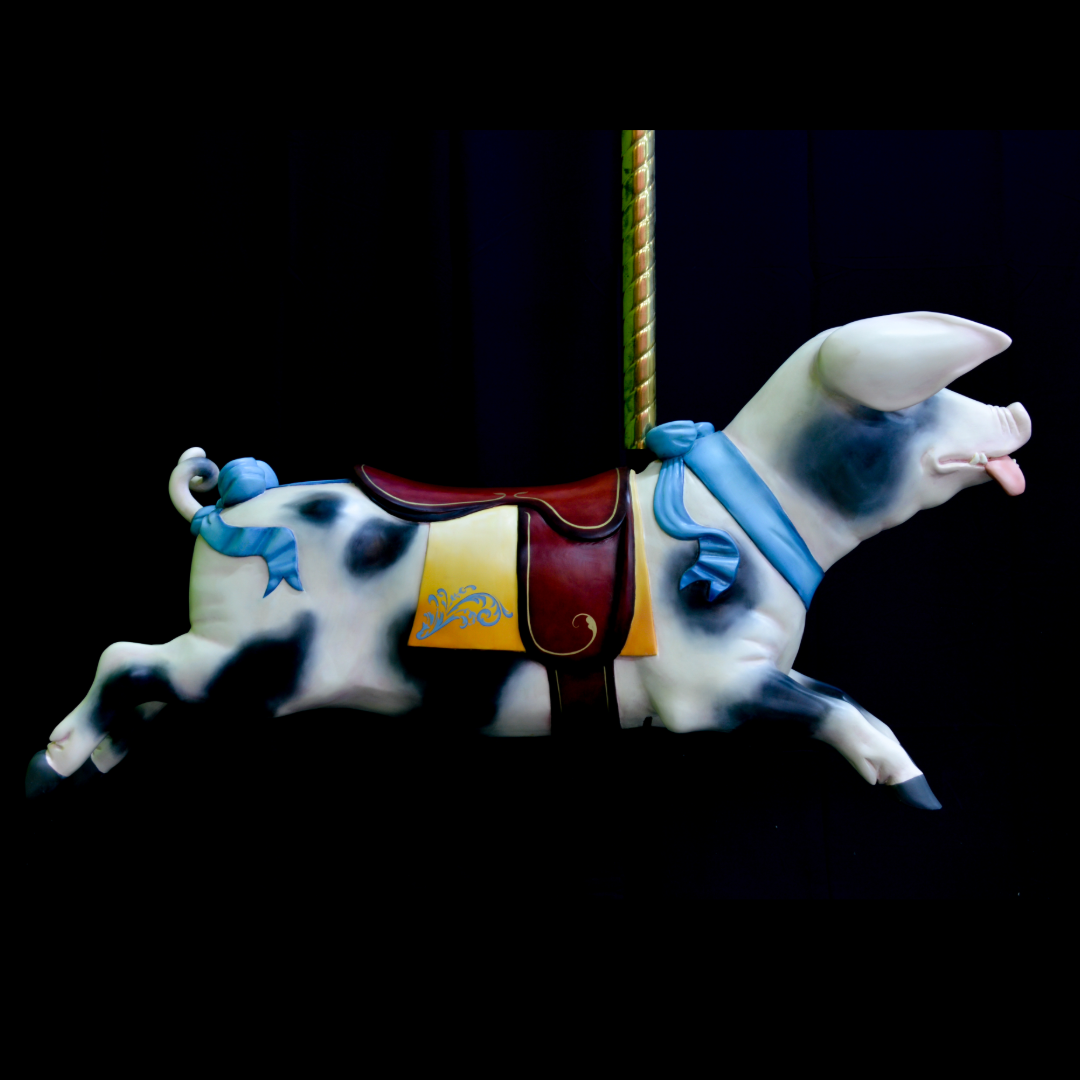
Dentzel
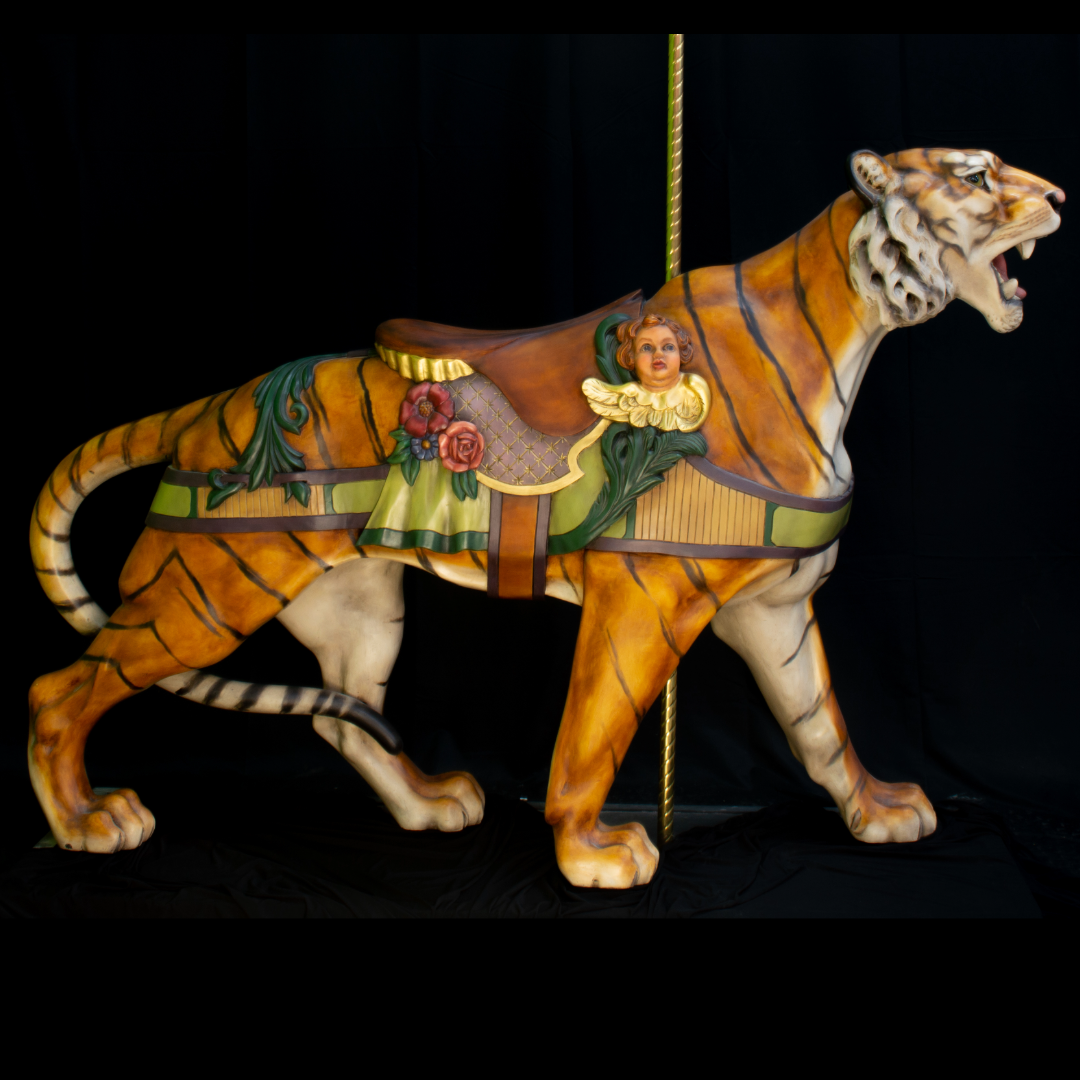
Dentzel
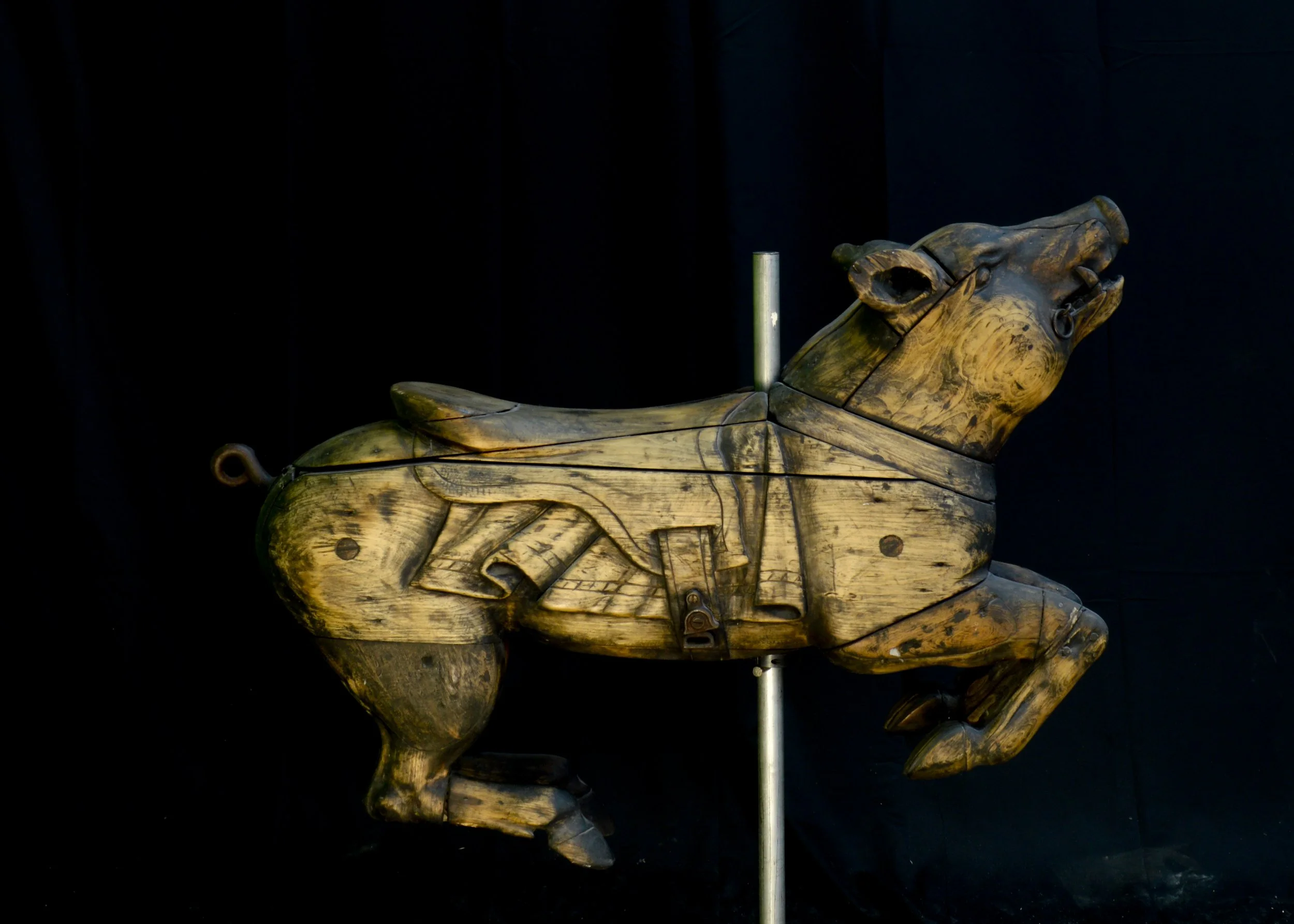
Herschell-Spillman - Pig
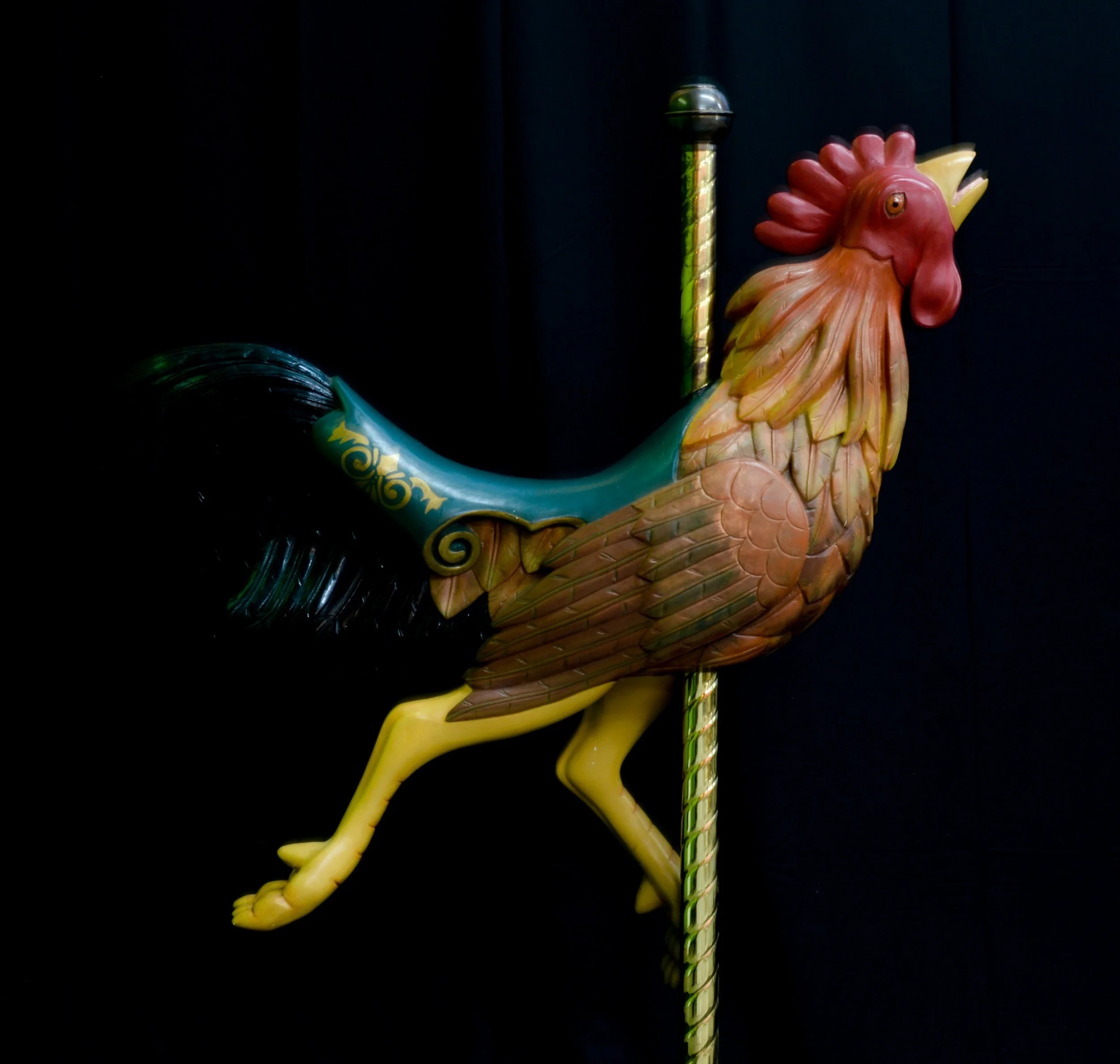
Herschell-Spillman Rooster
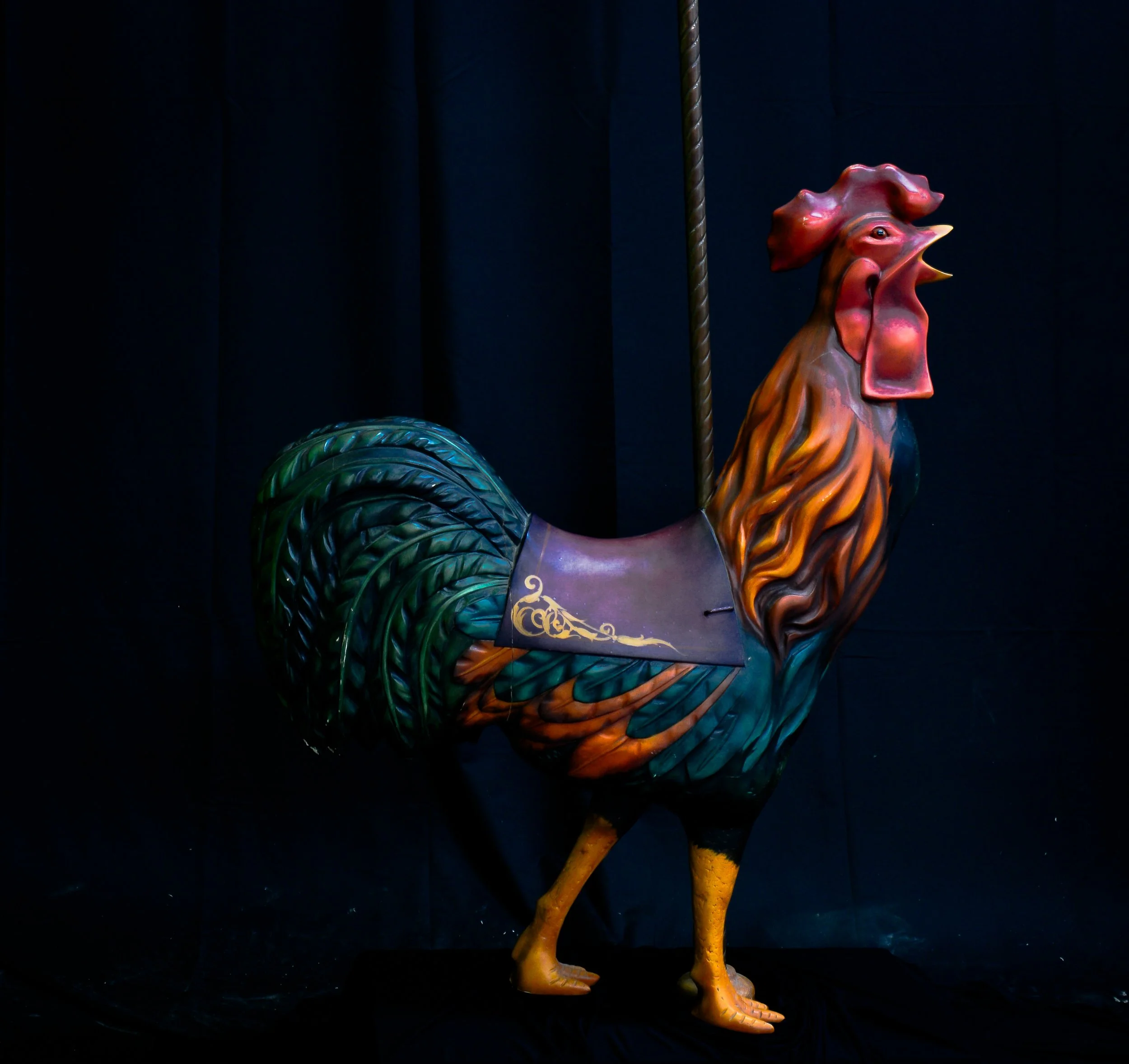
Herschell-Spillman
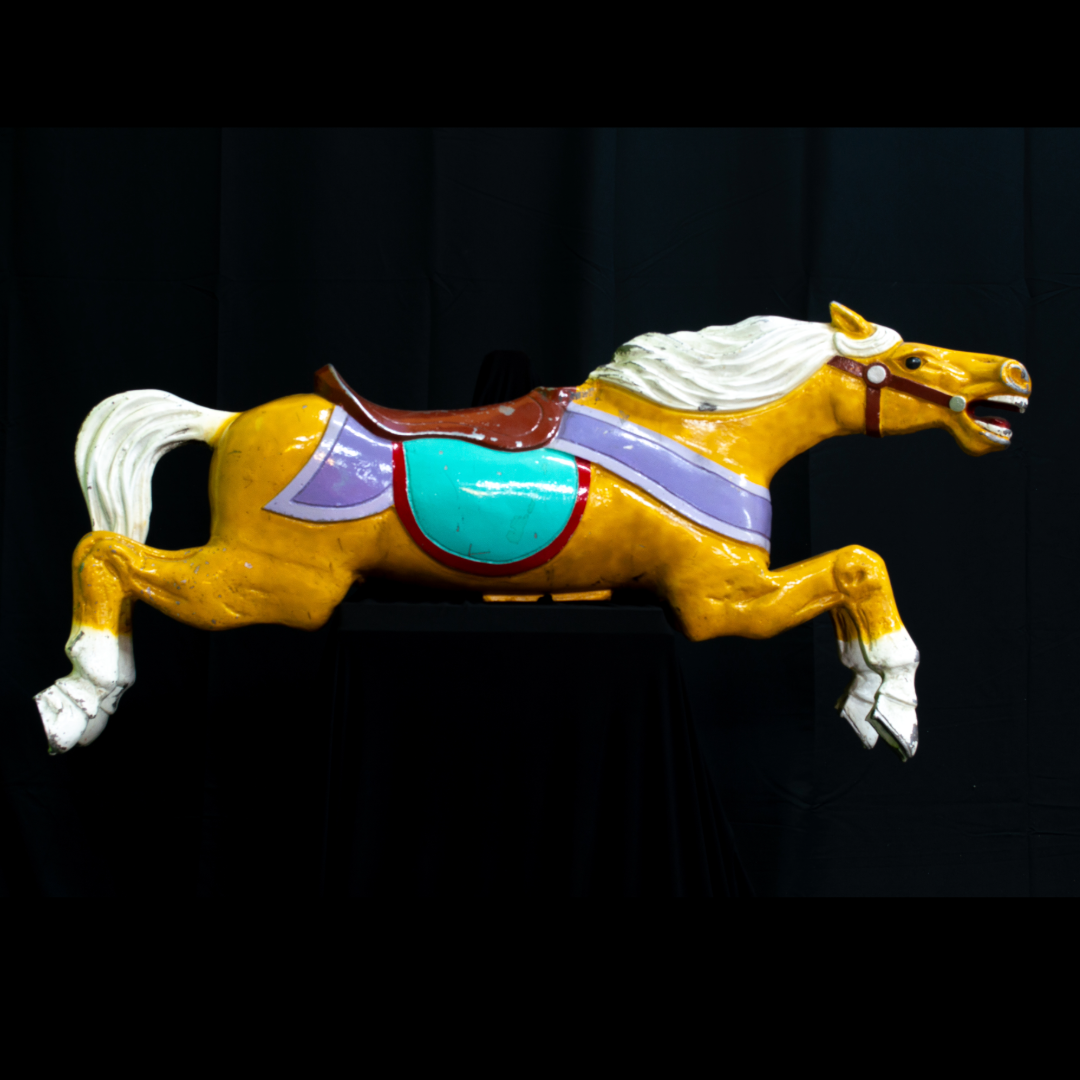
C.W. Parker
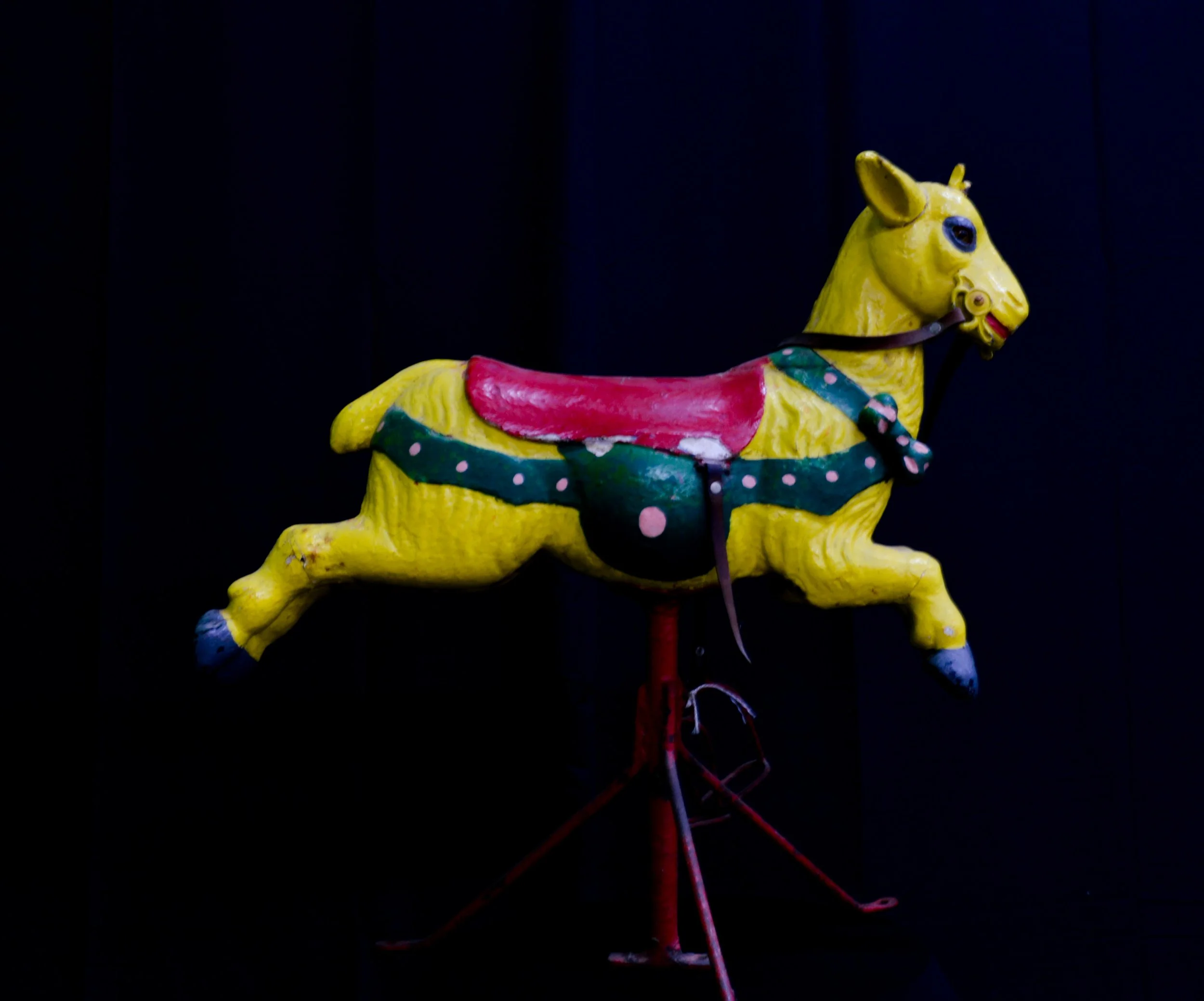
Unknown
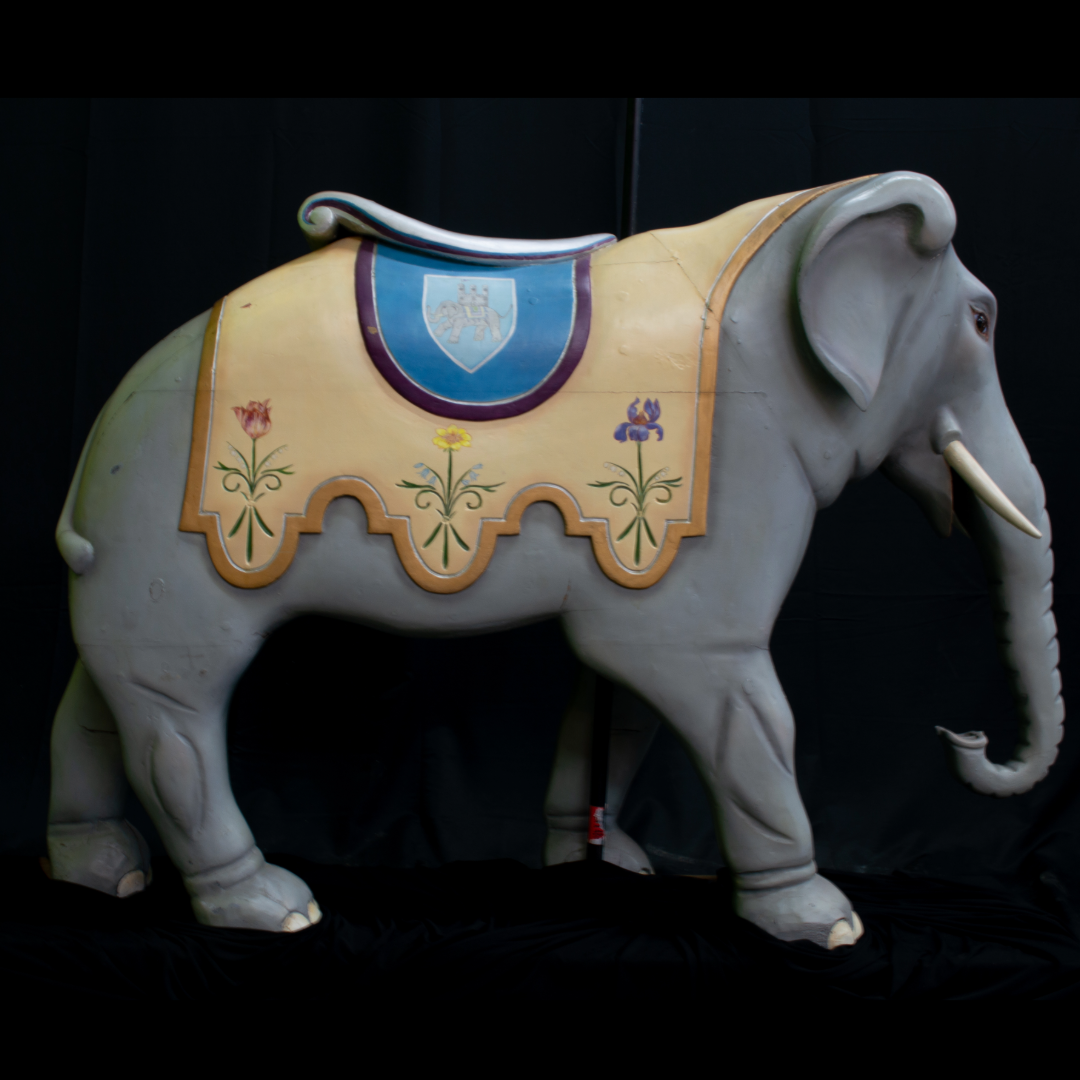
Looff
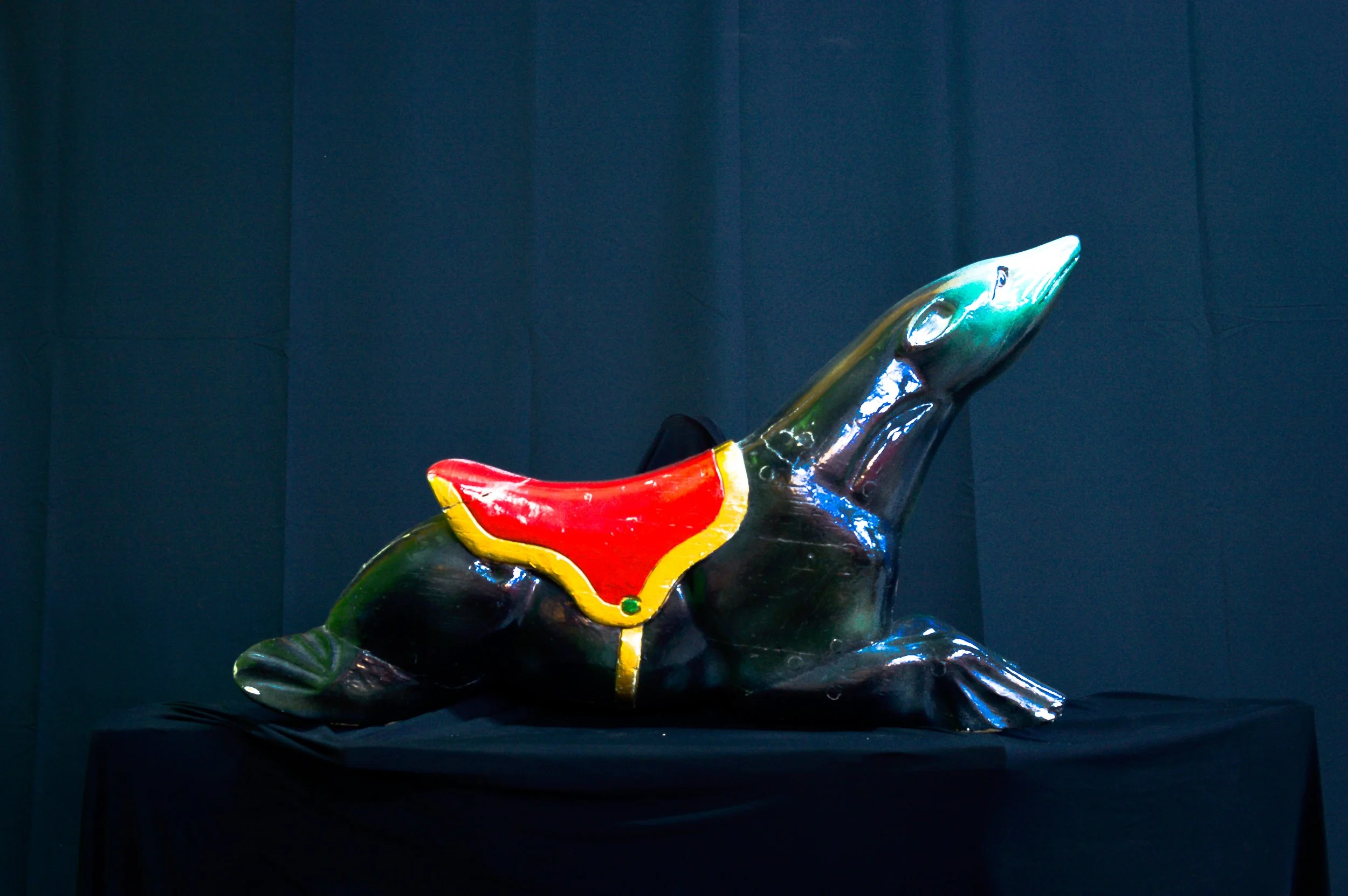
Unknown
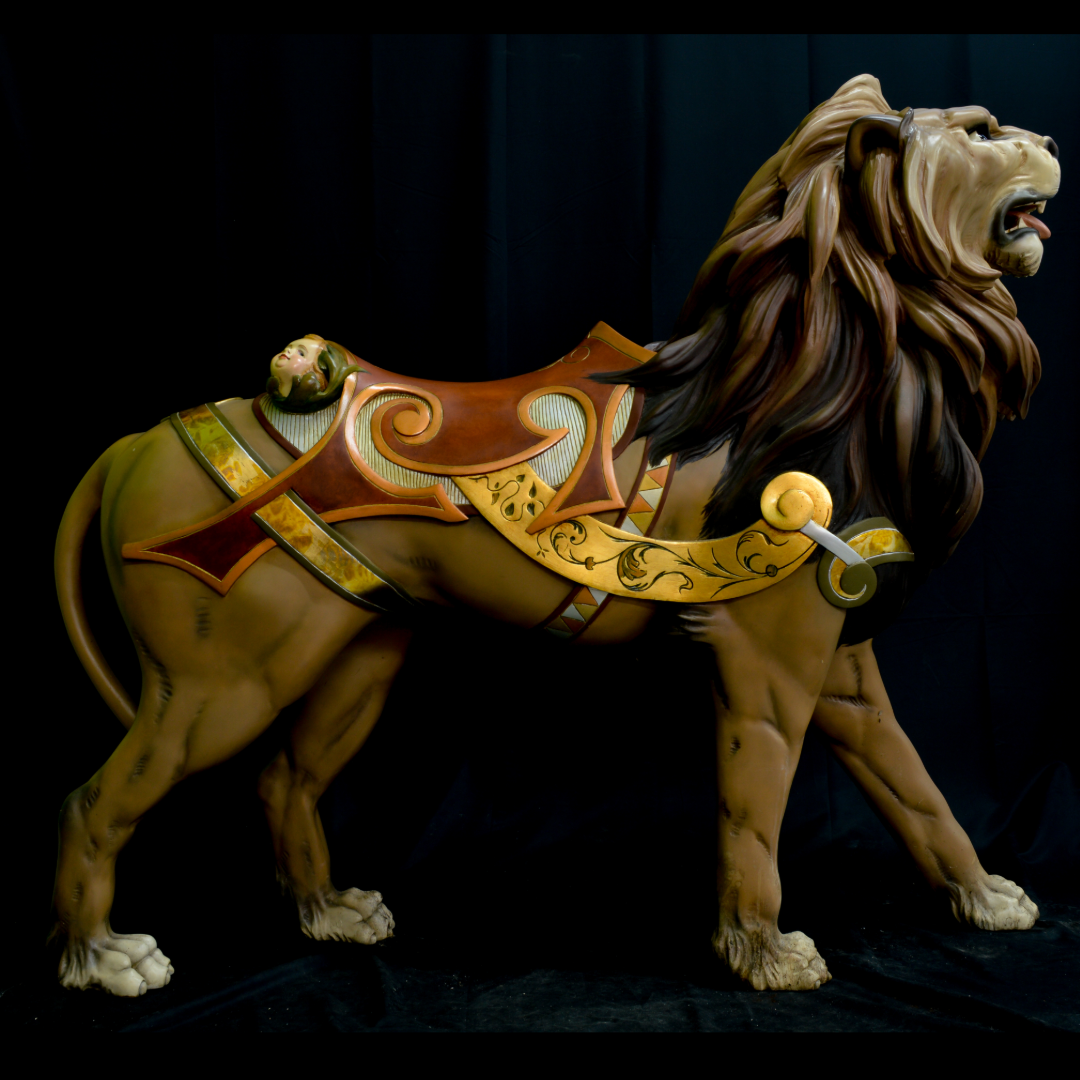
PTC

PTC - Hippocampus
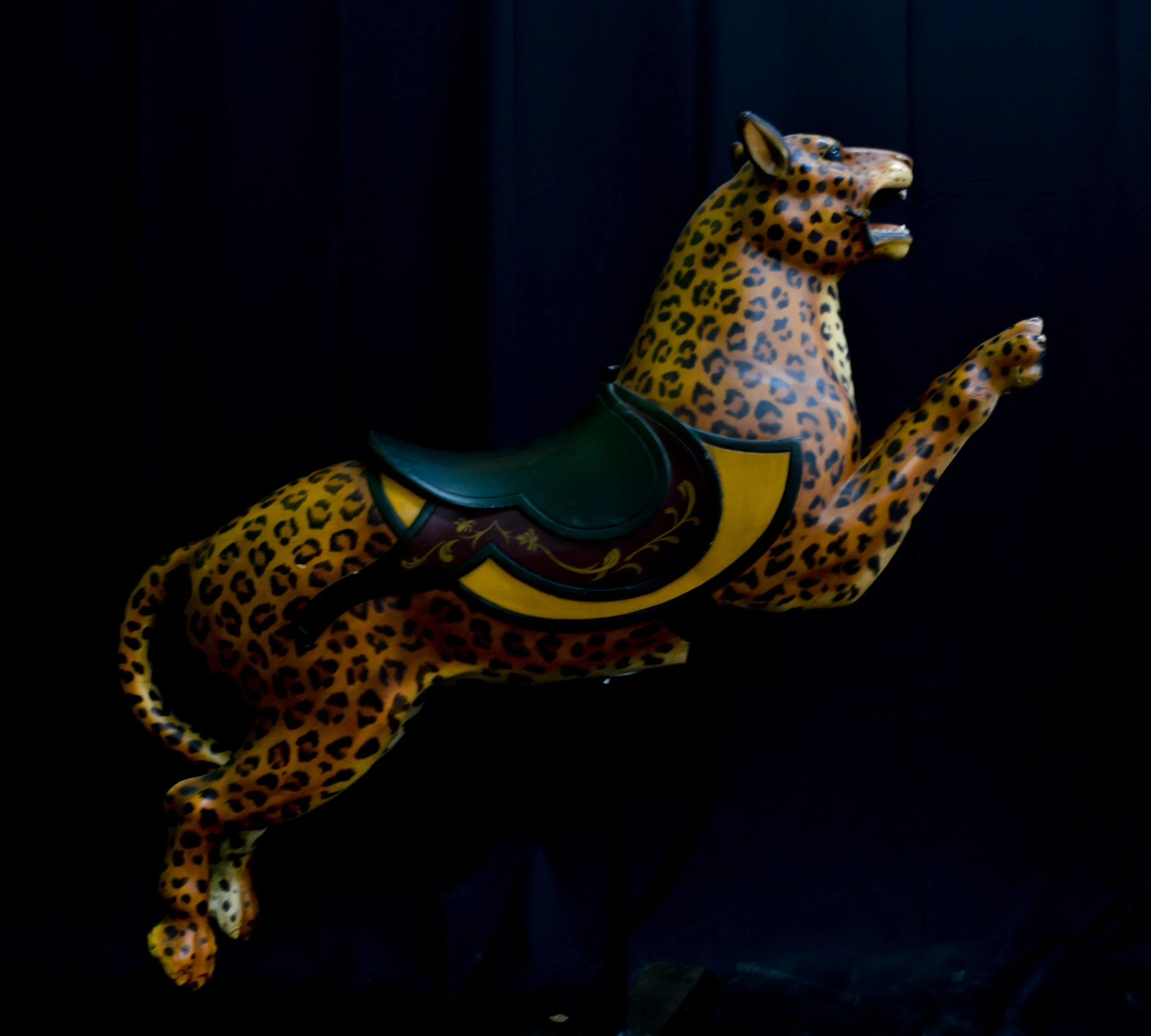
PTC
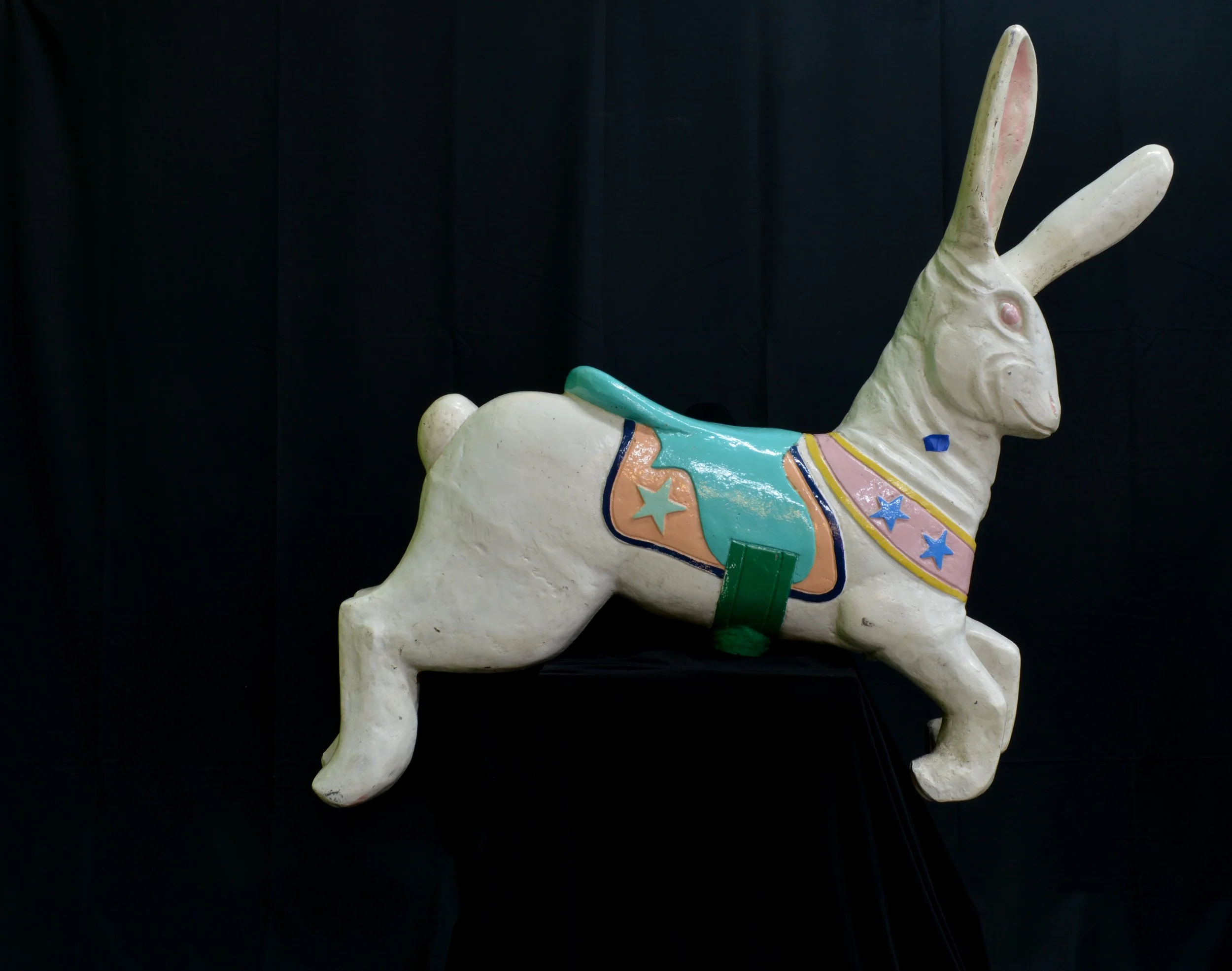
Unknown
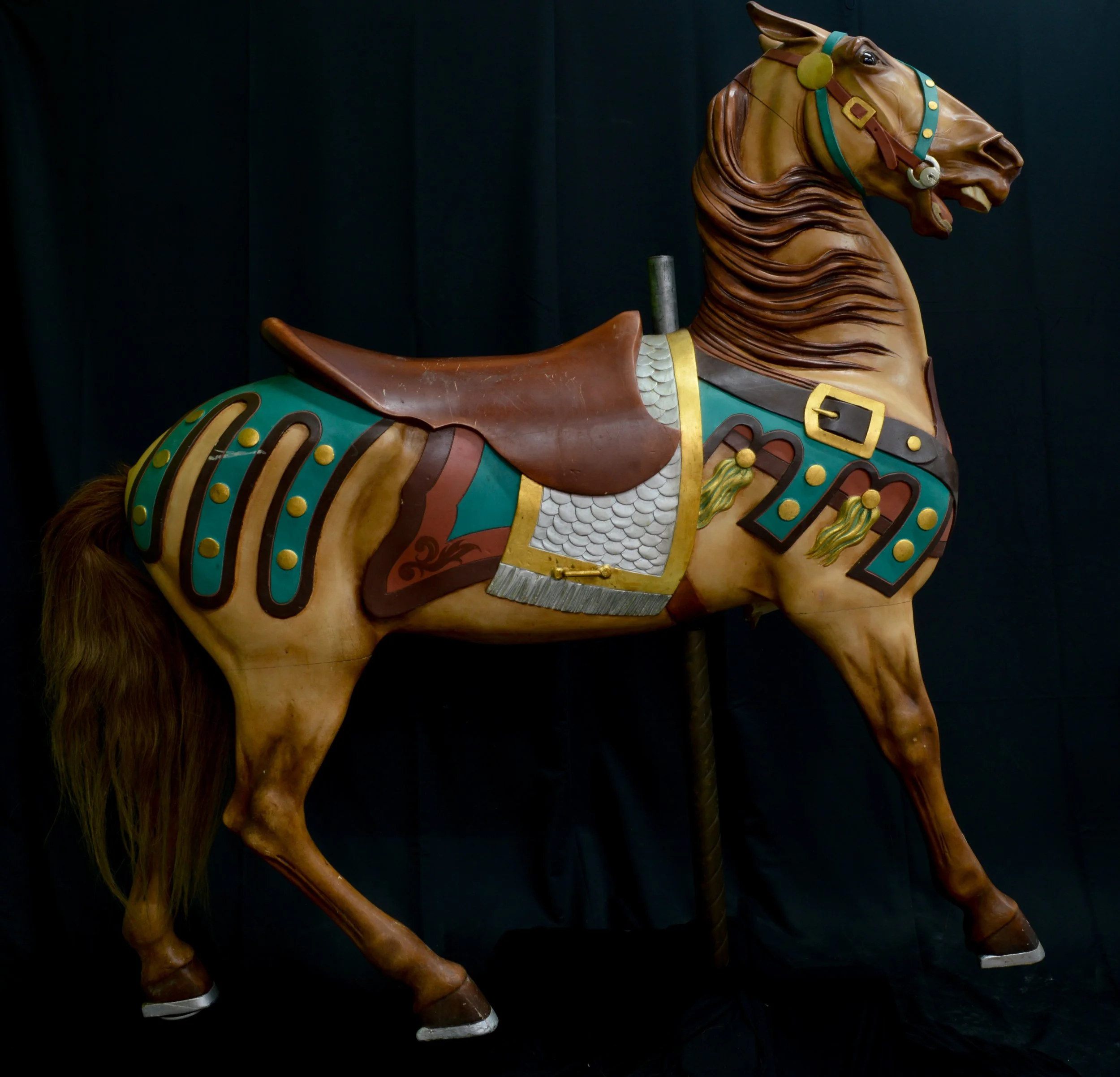
Stein & Goldstein - Horse
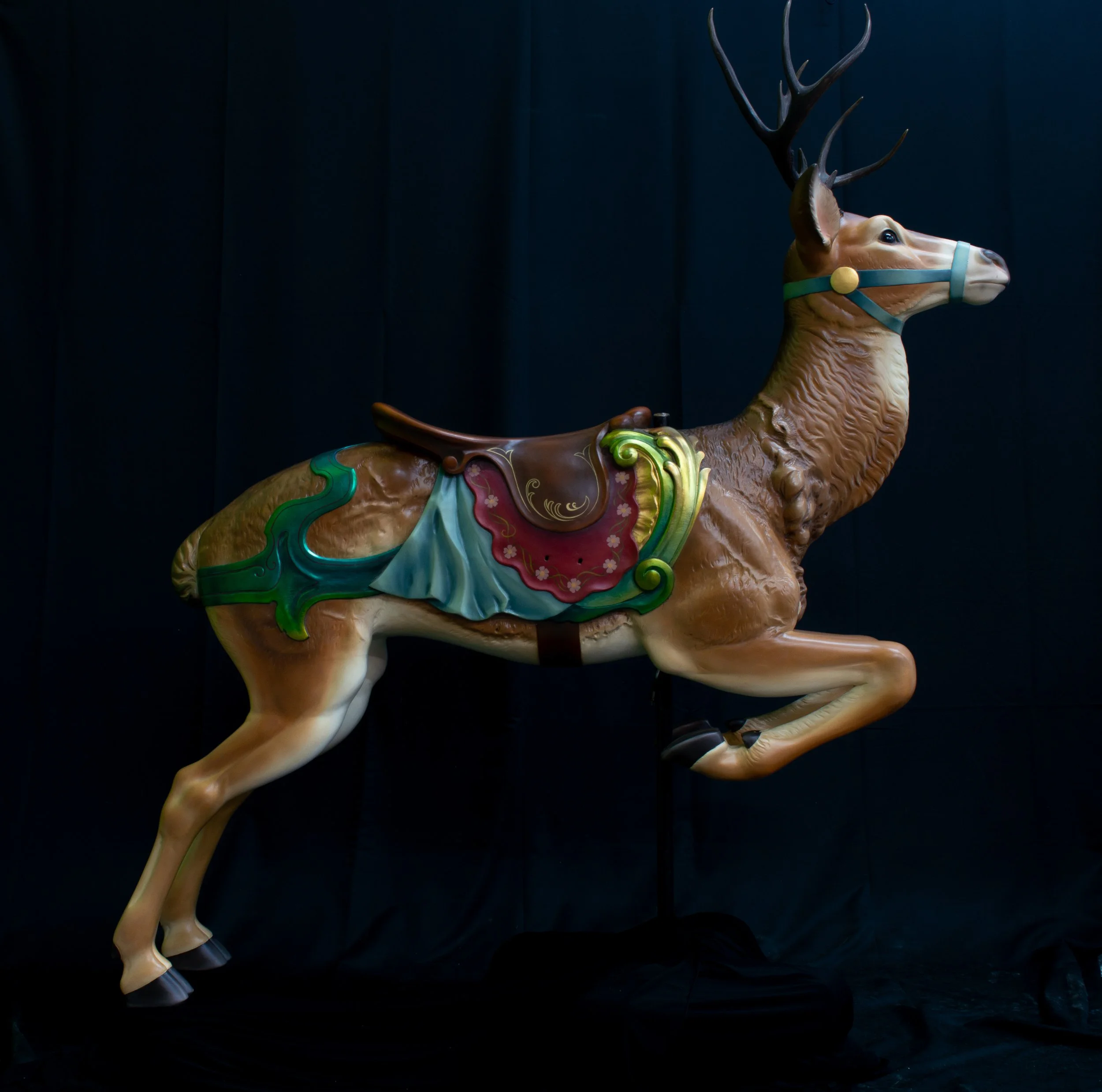
Dentzel
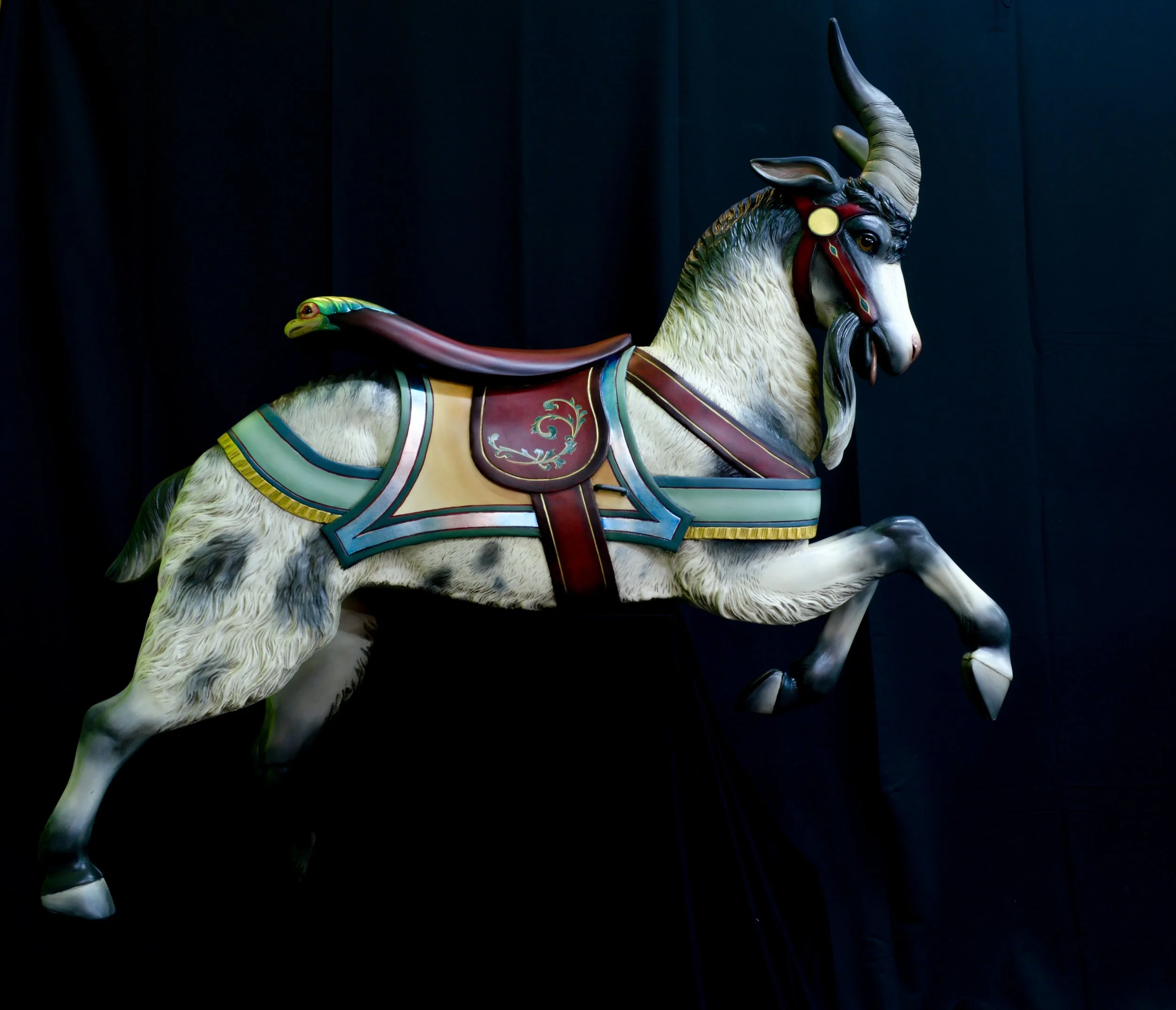
Looff
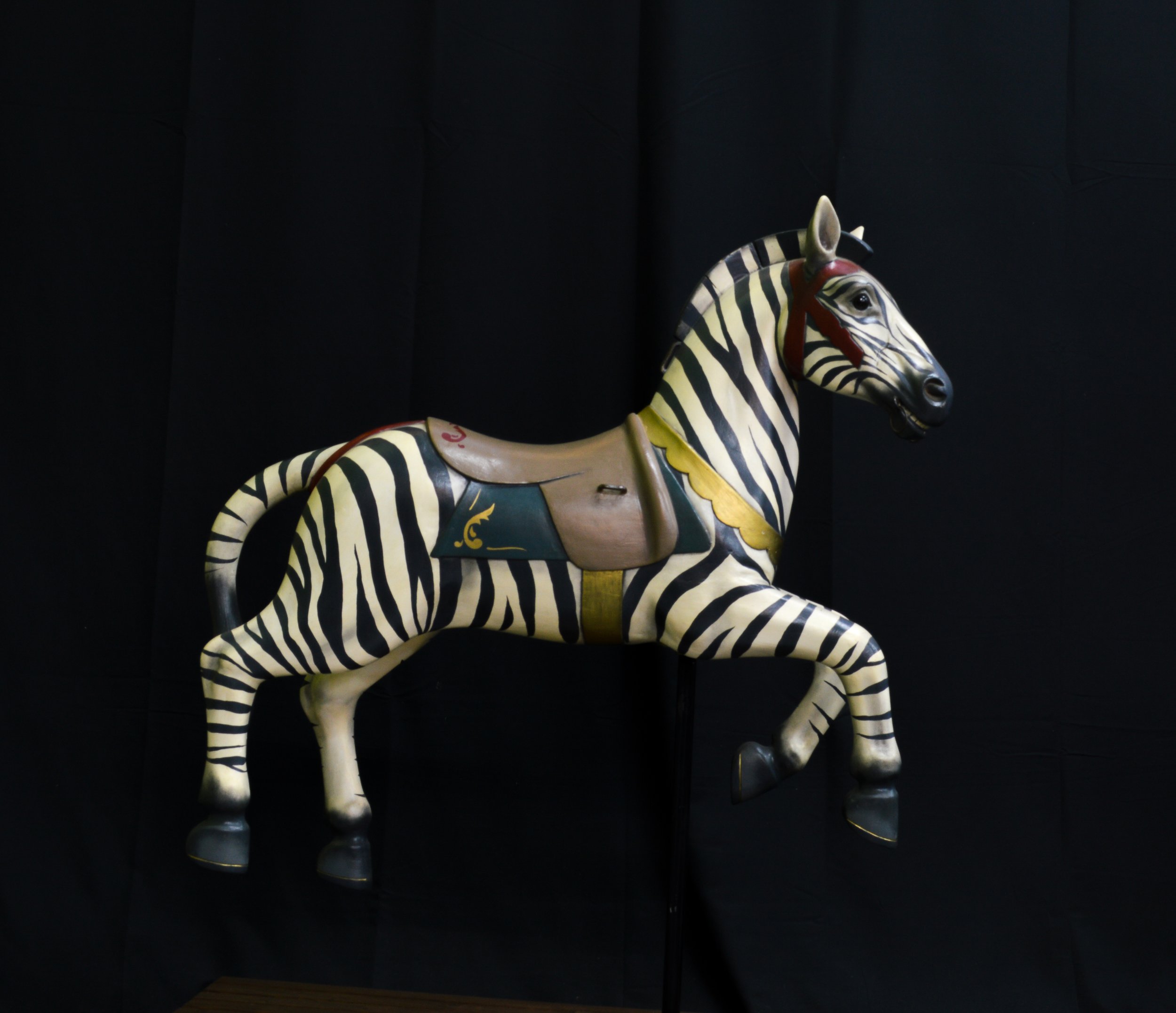
Unknown
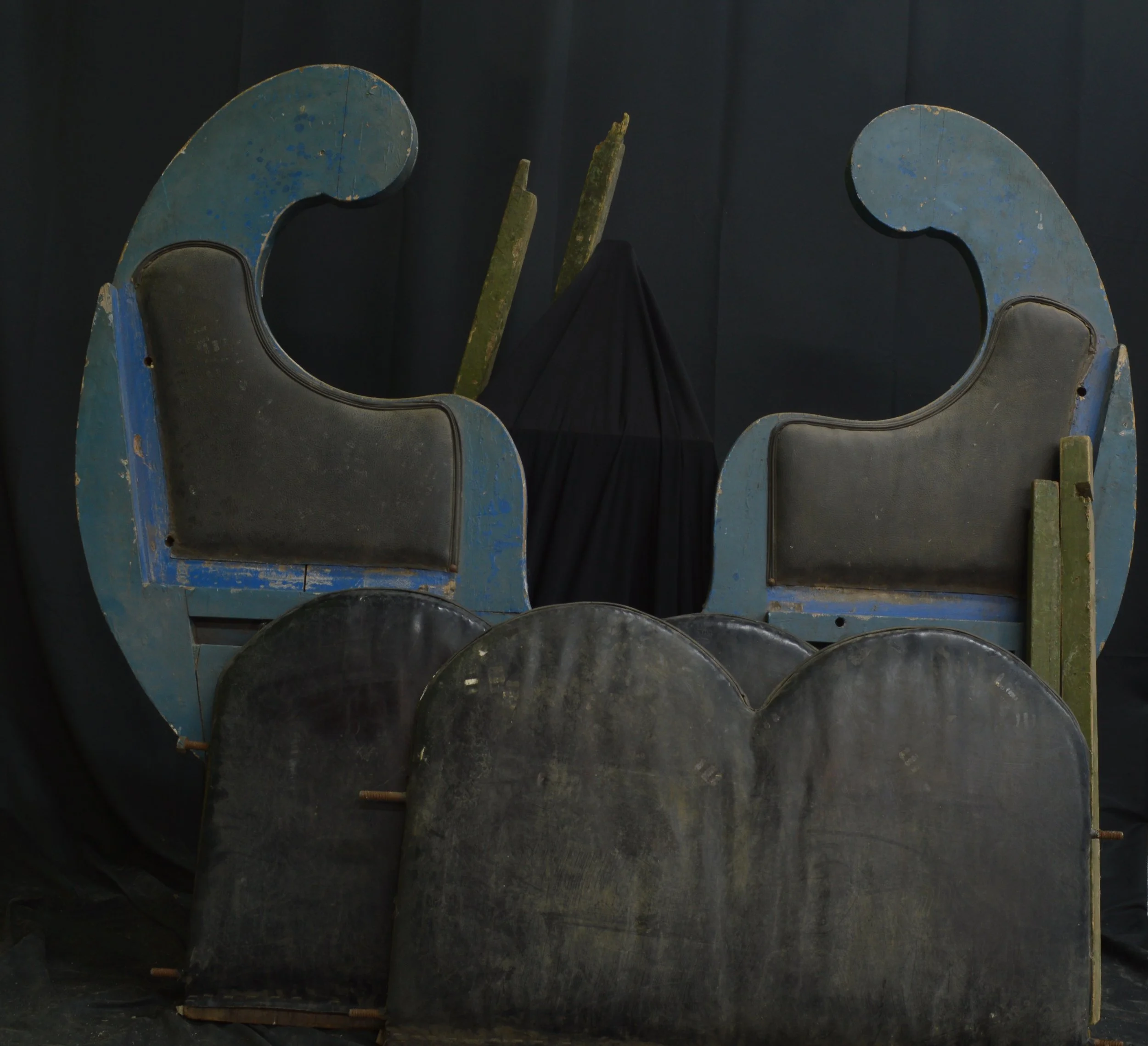
Carmel
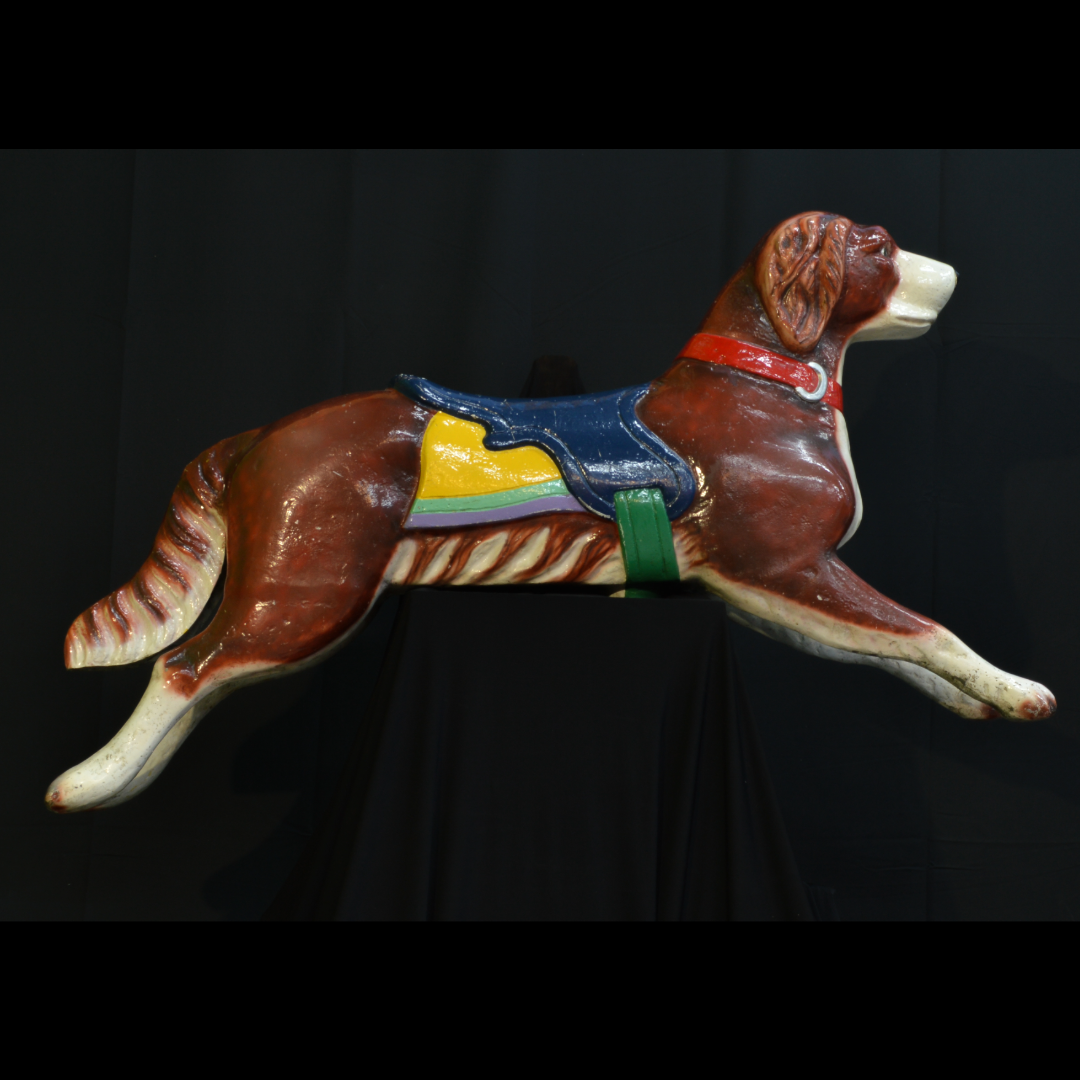
Looff
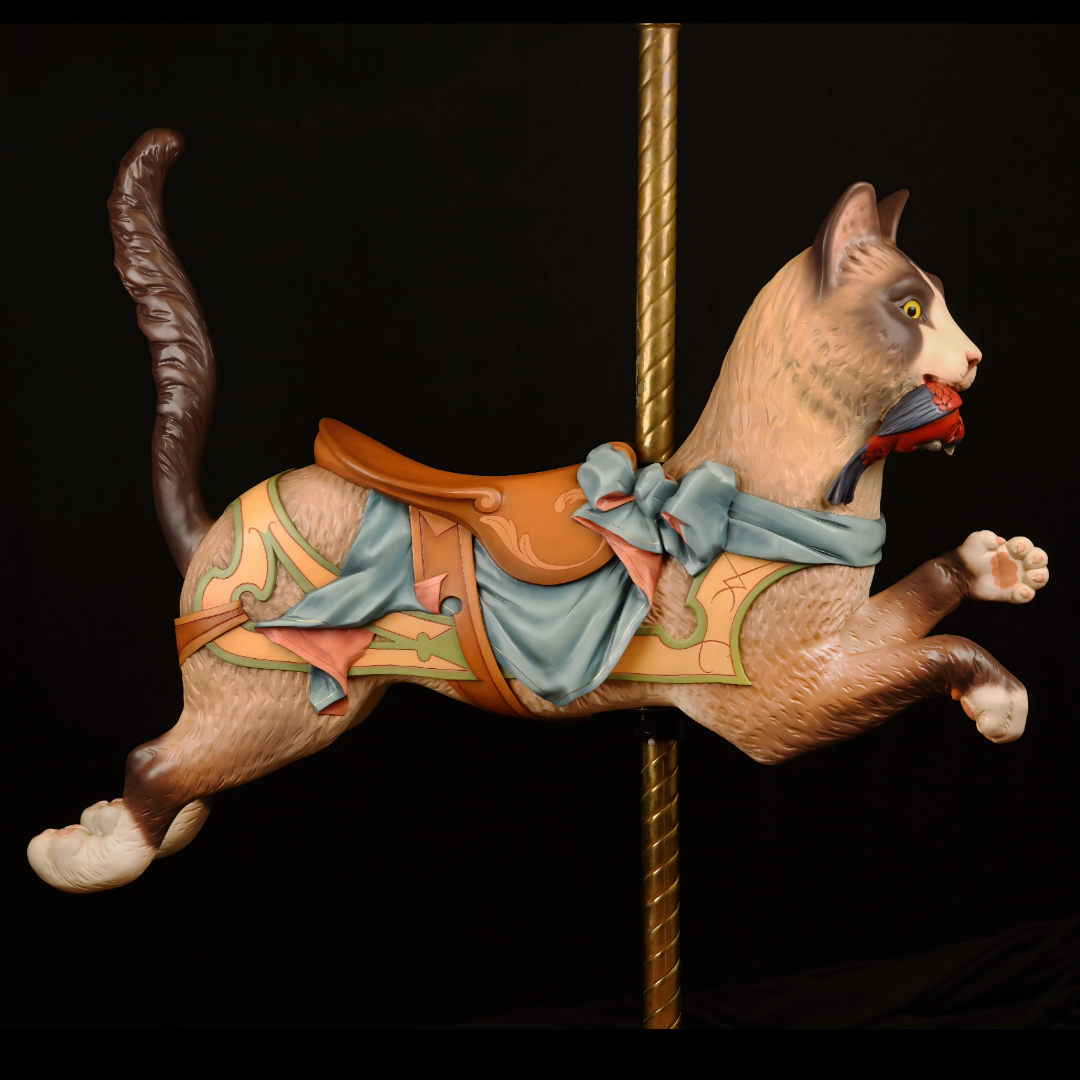
Dentzel
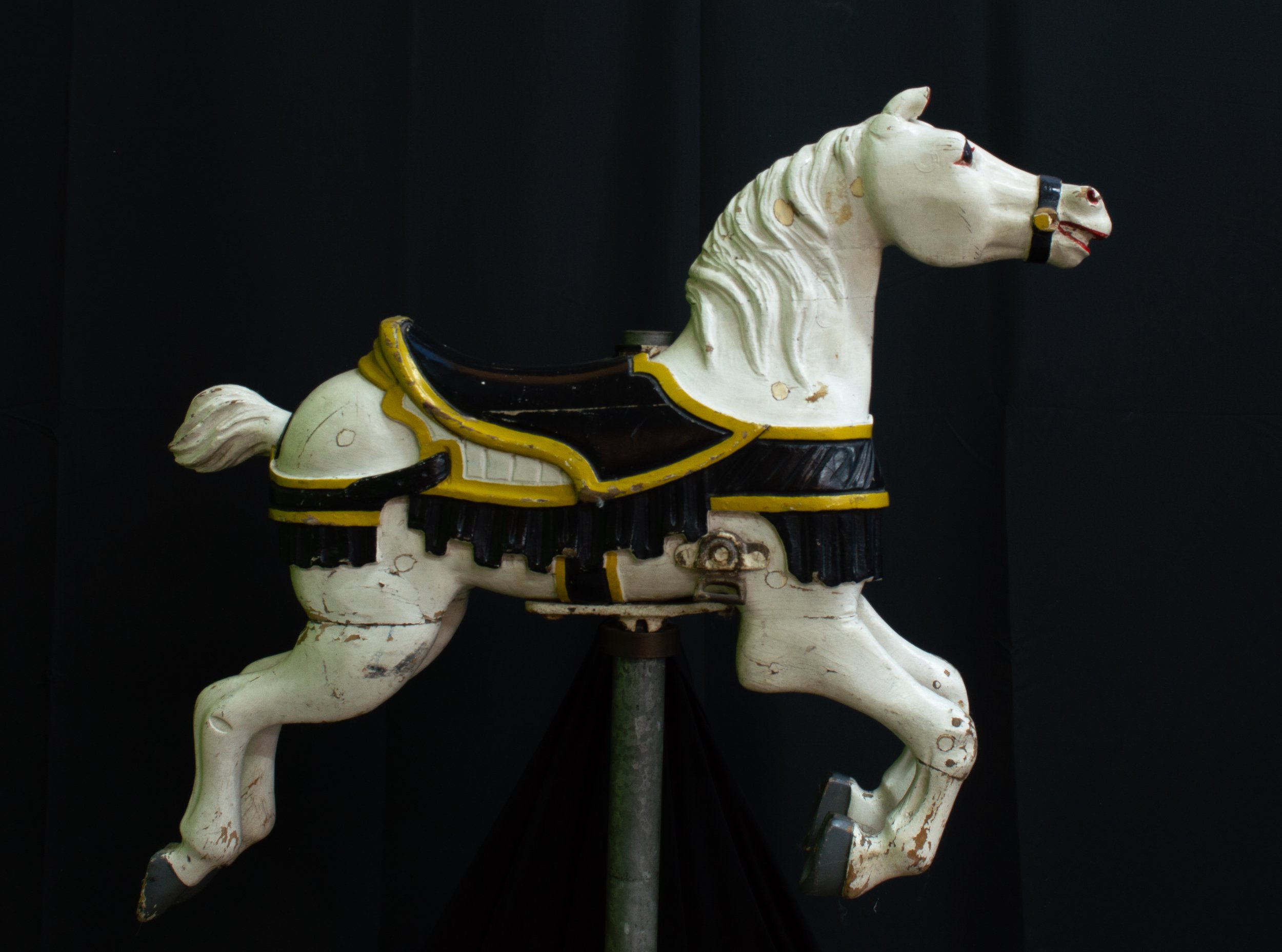
Allan Herschell Company

Dentzel - Deer

Dentzel - Rooster
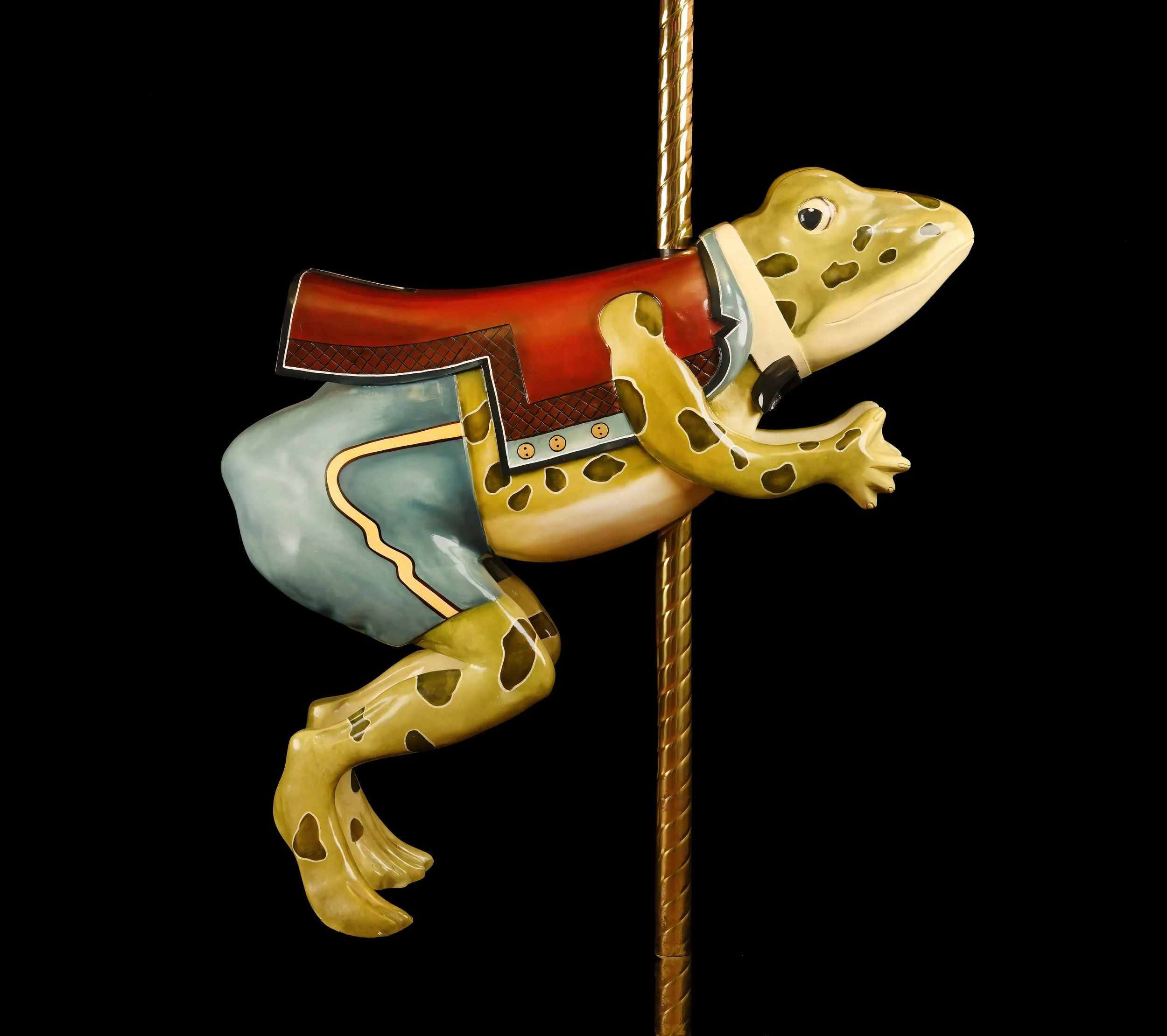
Herschell-Spillman - Frog
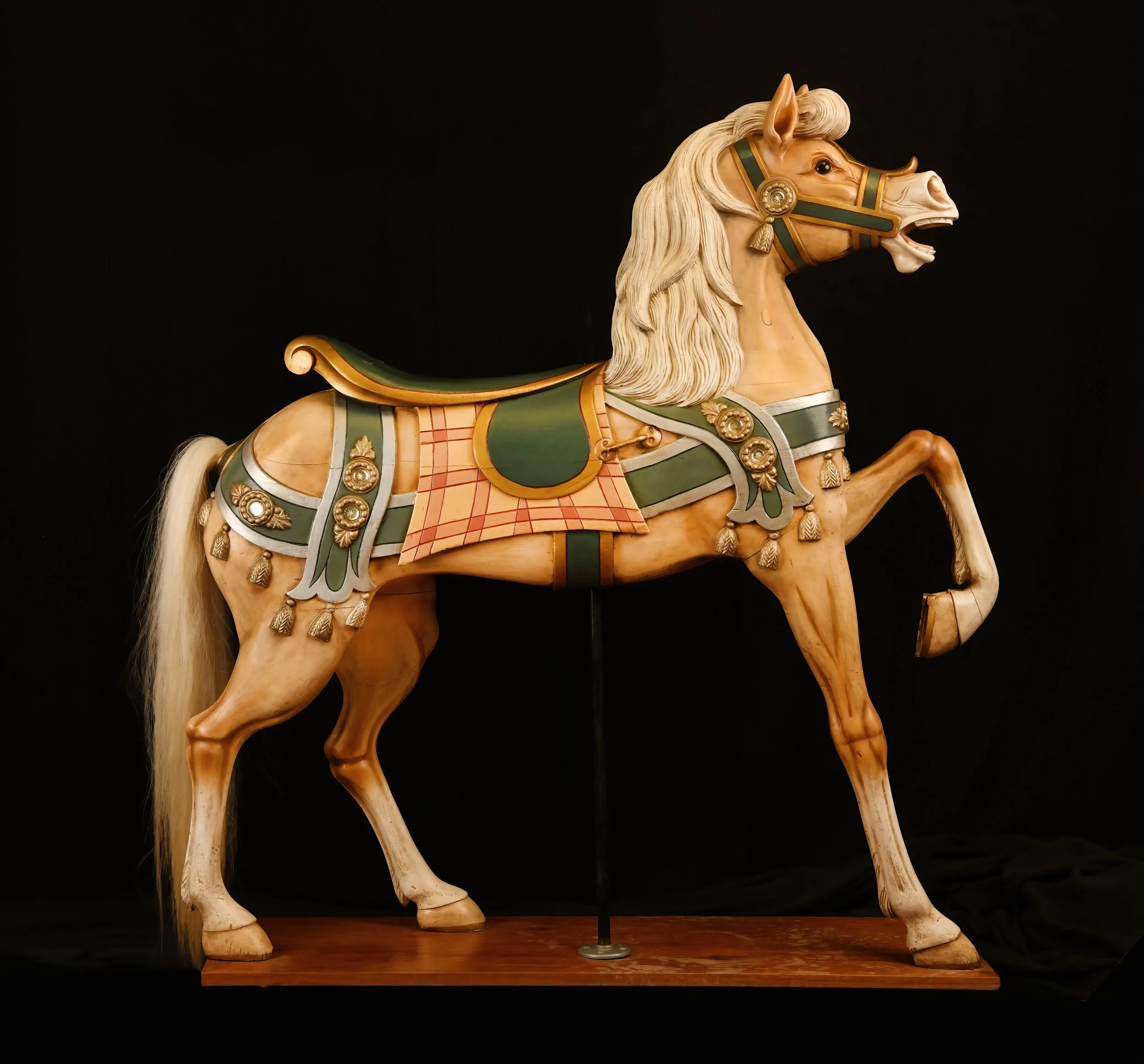
Looff - Horse
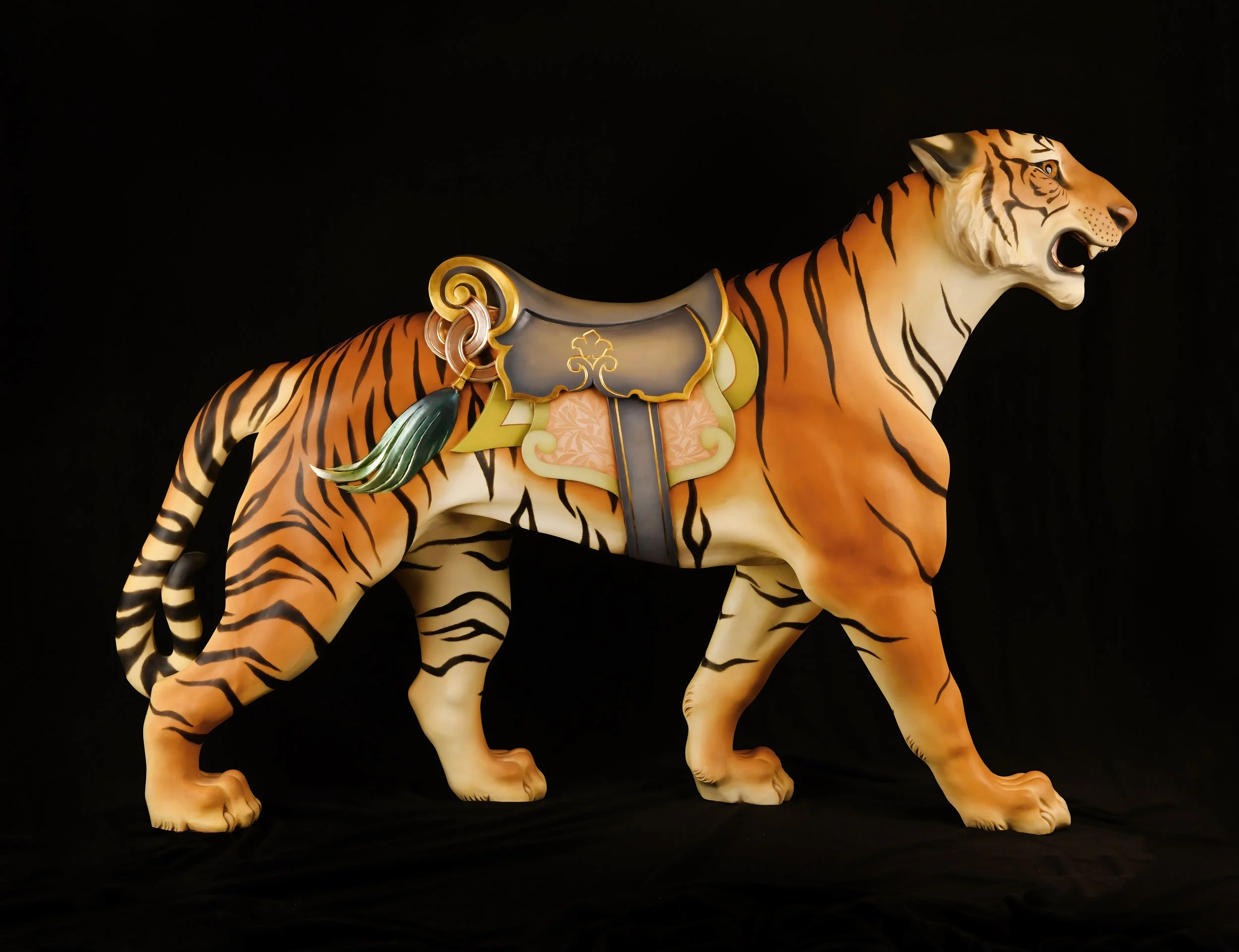
Müller - Tiger

Dentzel - Rabbit
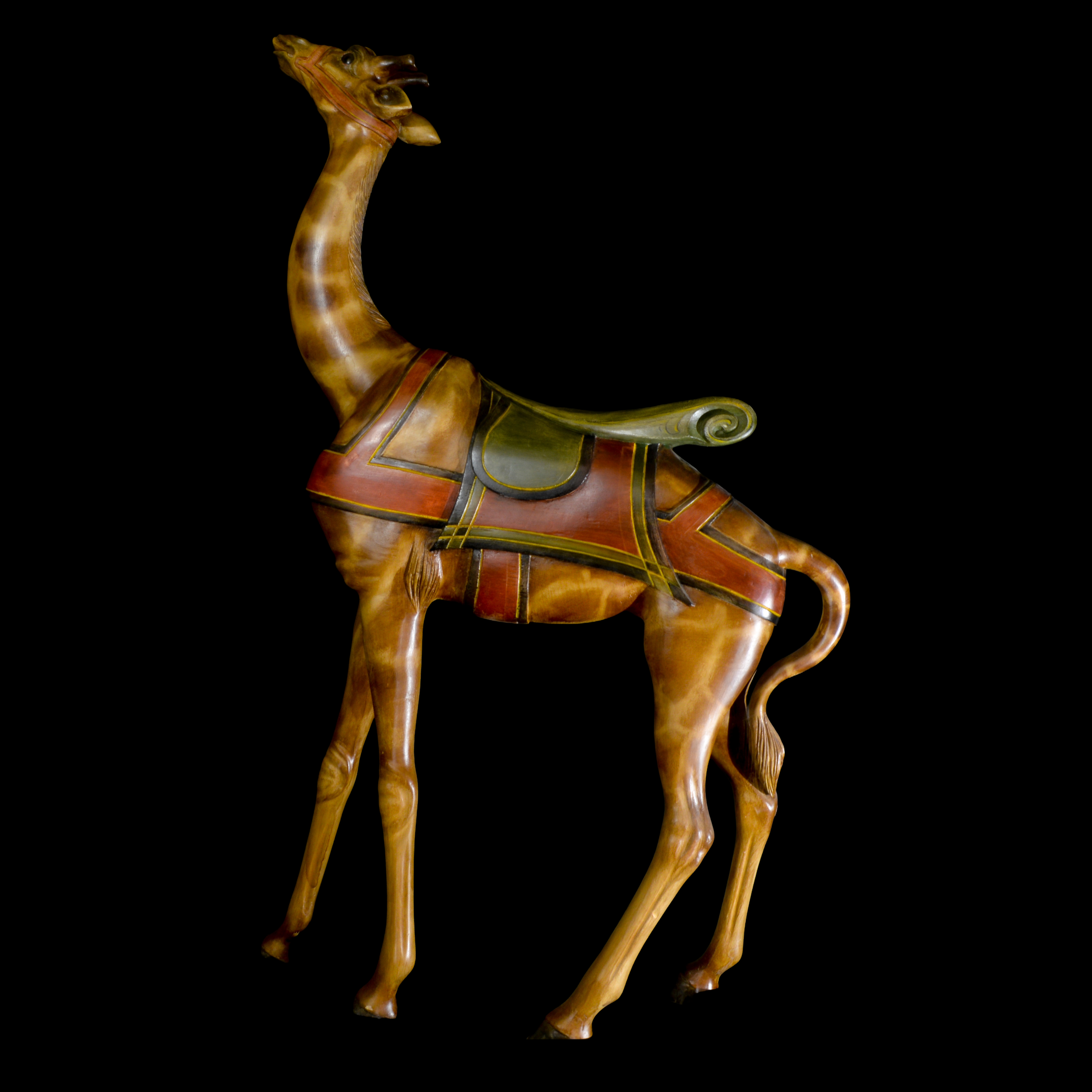
Looff - Giraffe
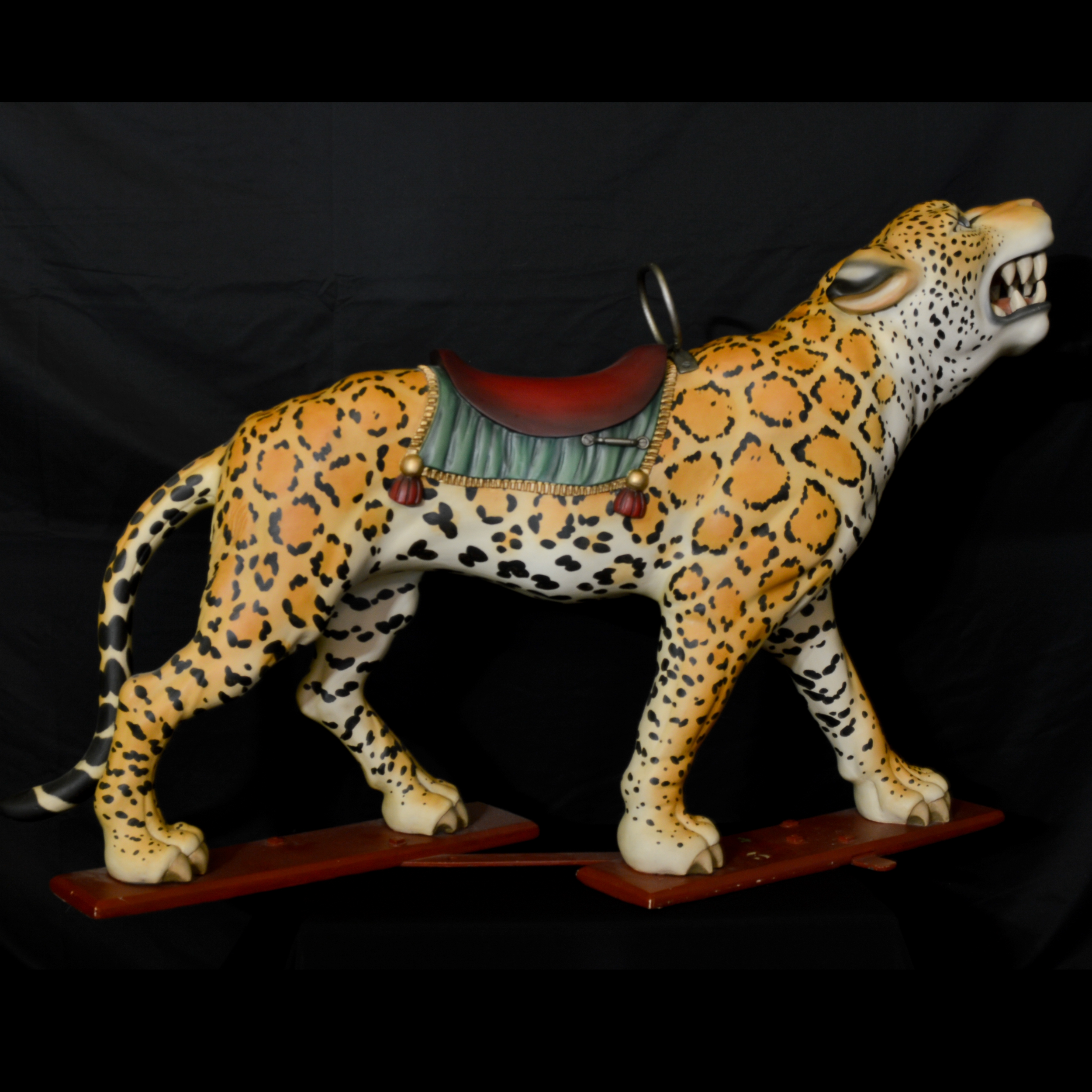
PTC - Leopard
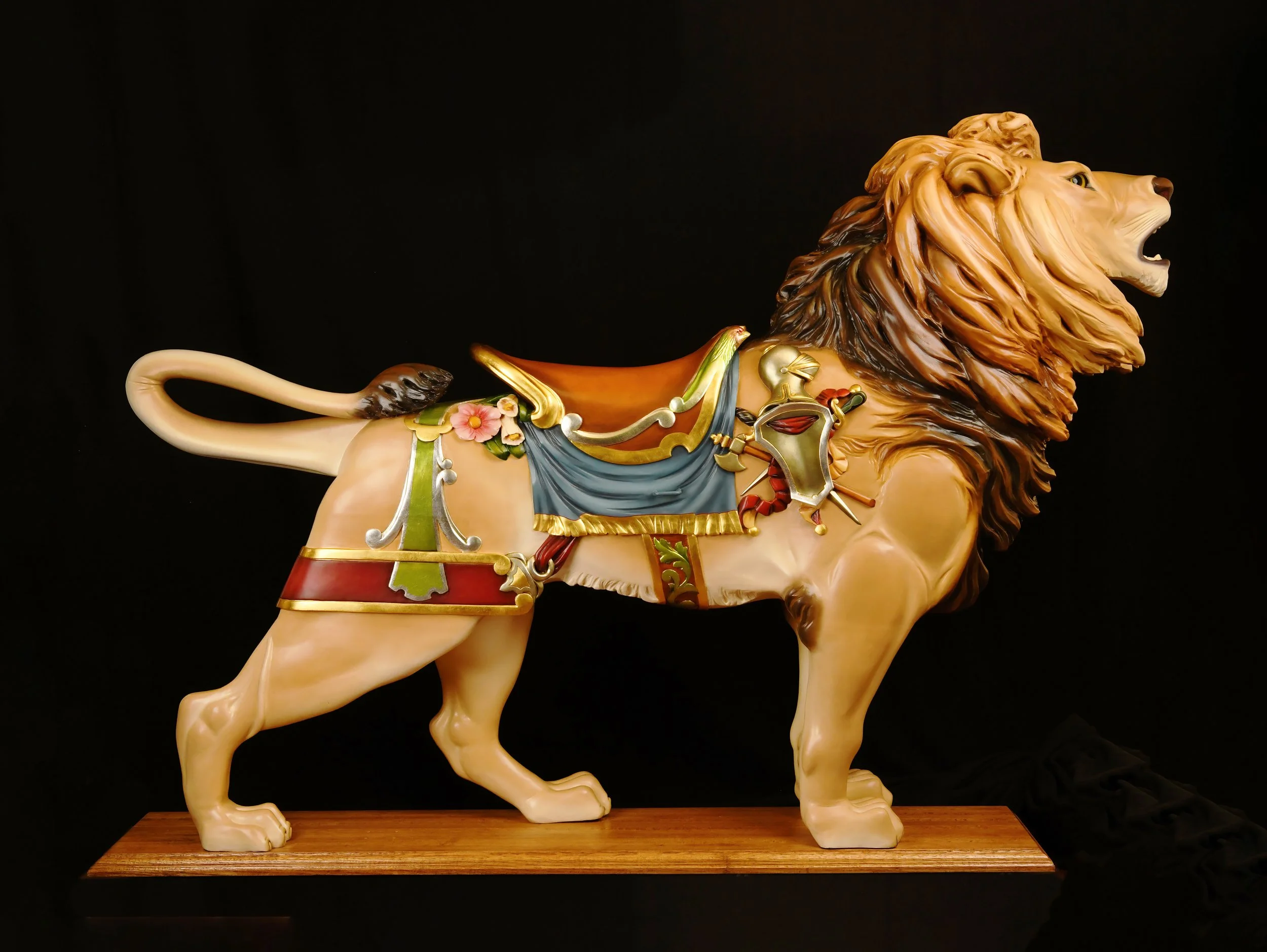
Dentzel - Lion

Müller - Tiger

PTC - Bear
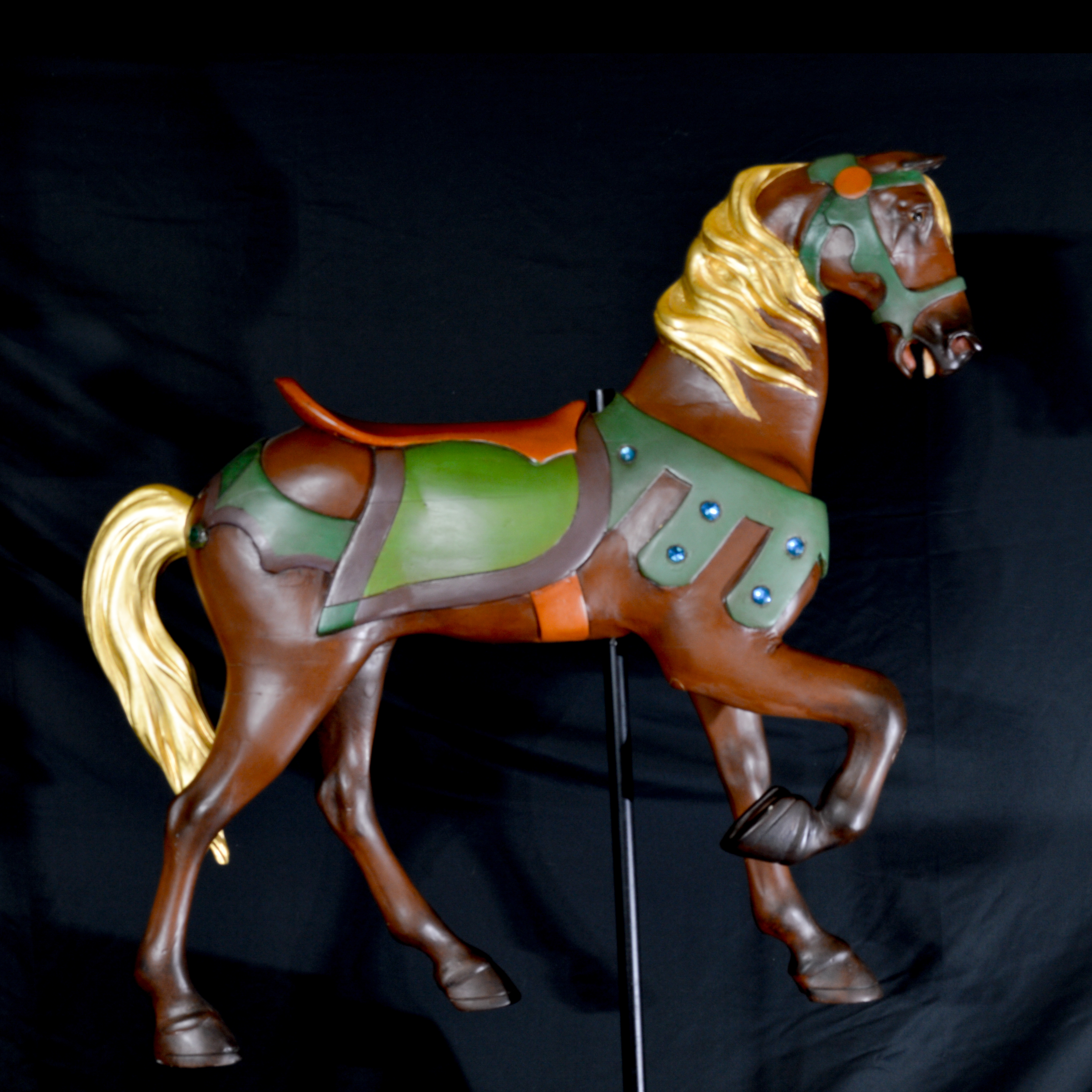
Illions - Horse

C.W. Parker - Horse
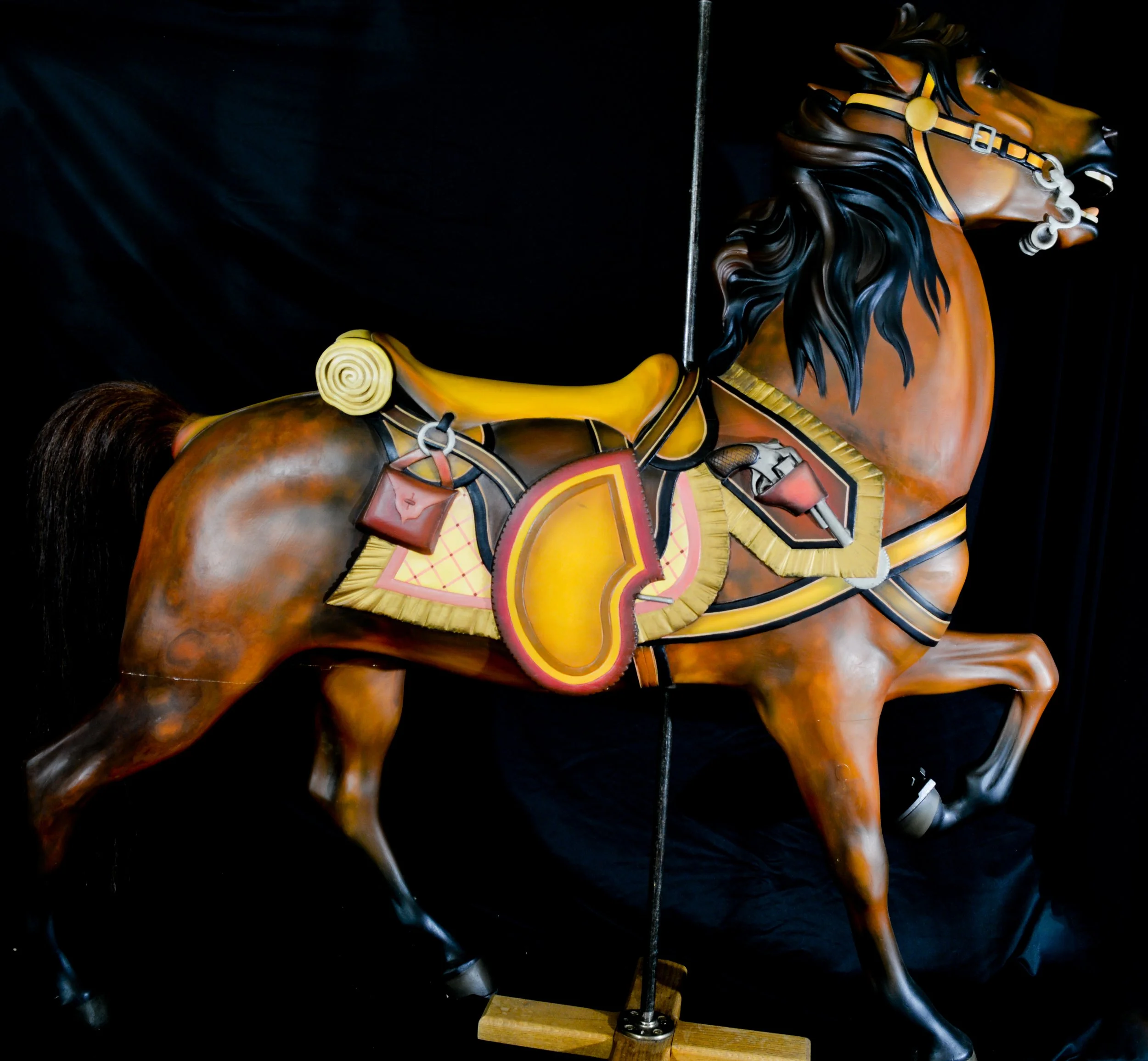
Müller - Horse
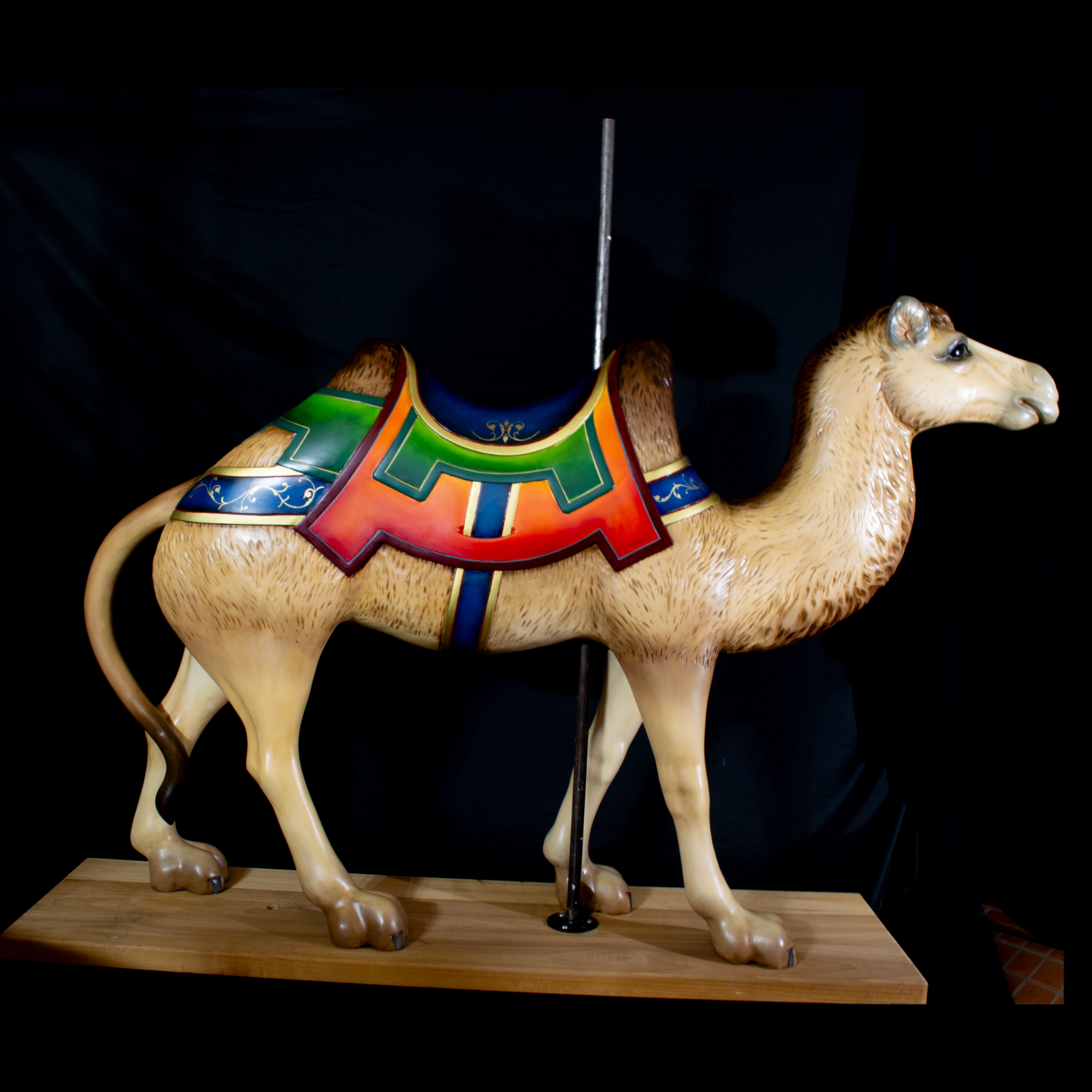
E. Joy Morris - Camel
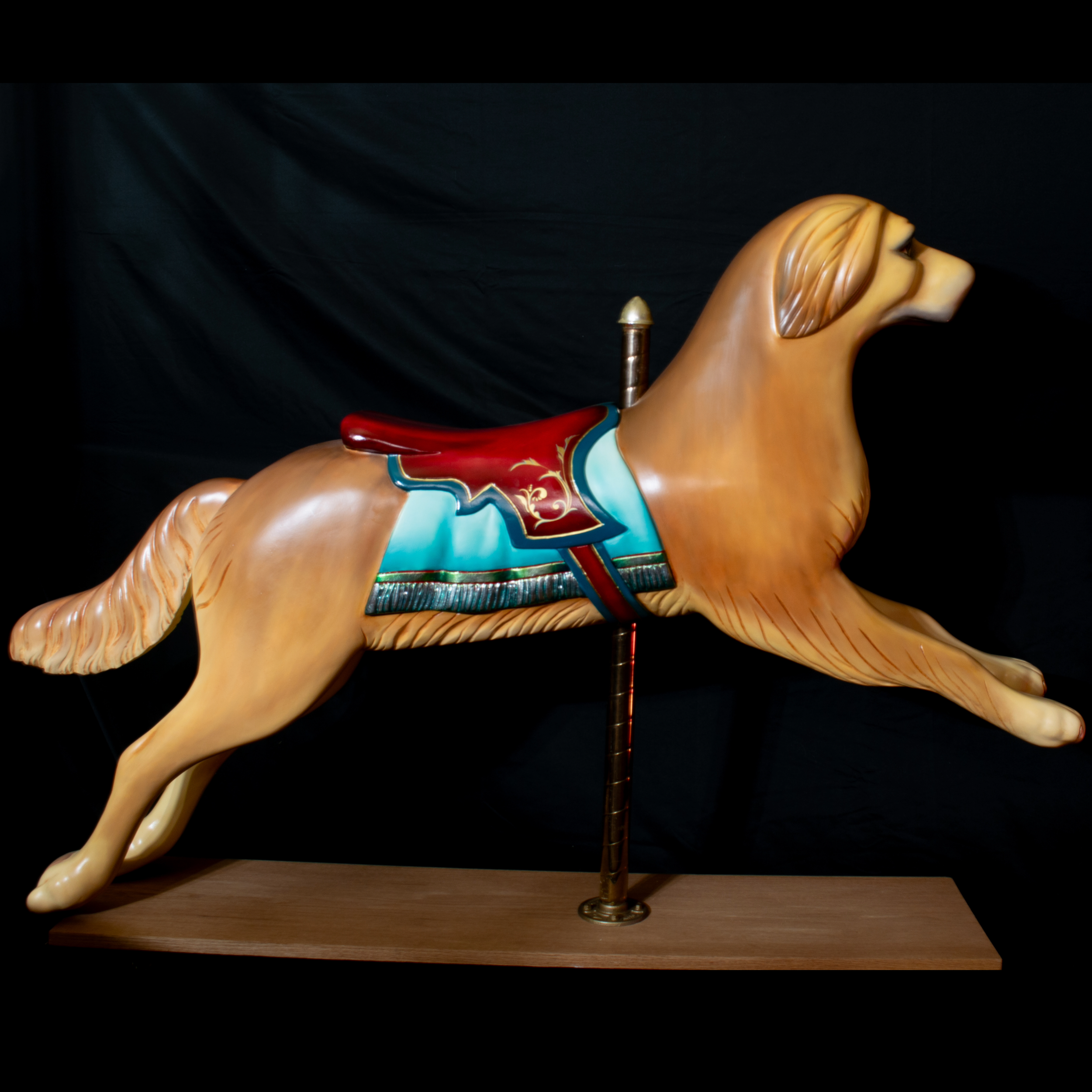
Herschell-Spillman - Labrador
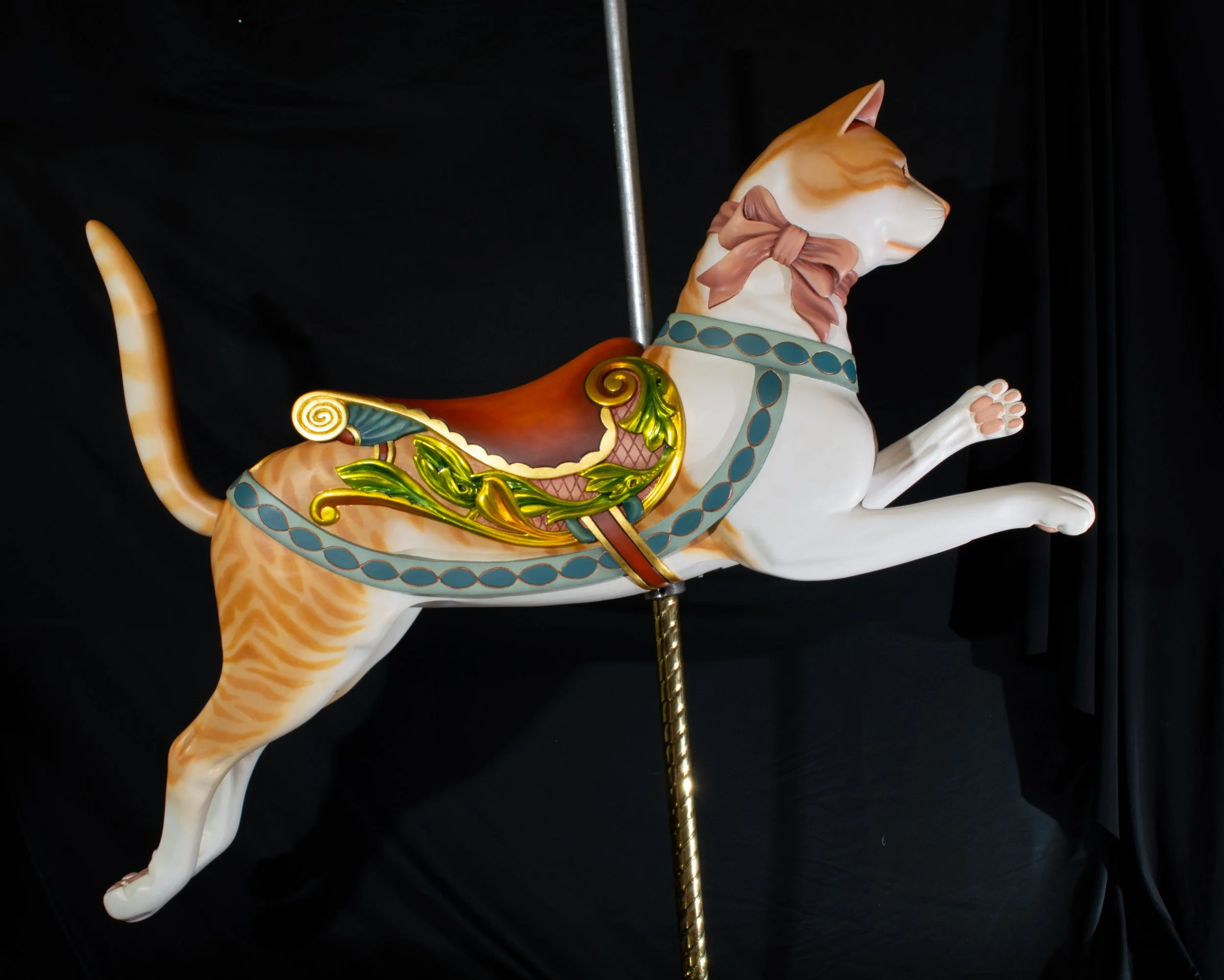
Herschell-Spillman - Cat
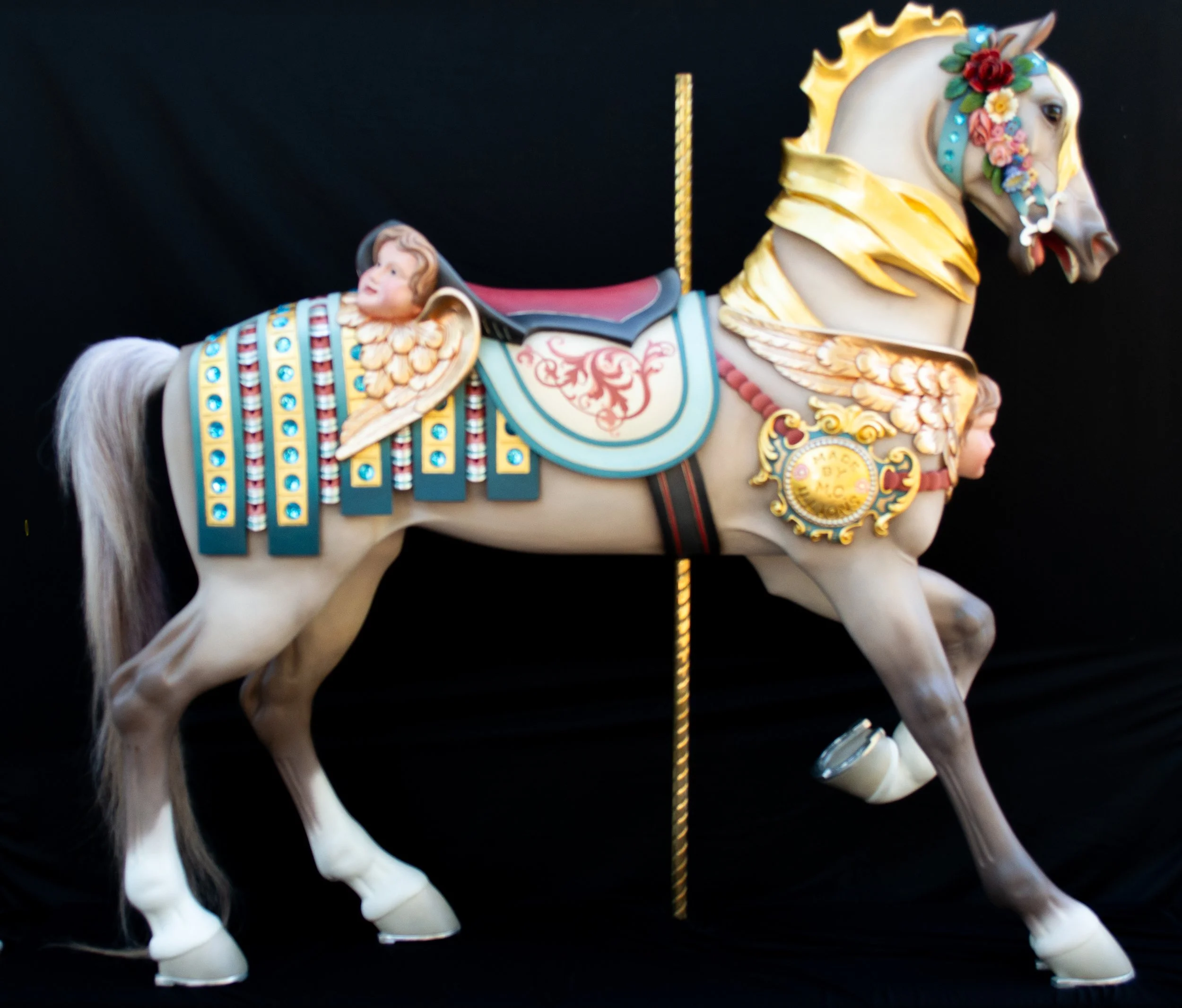
Illions - Horse

Dentzel - Pig

Dentzel - Ostrich
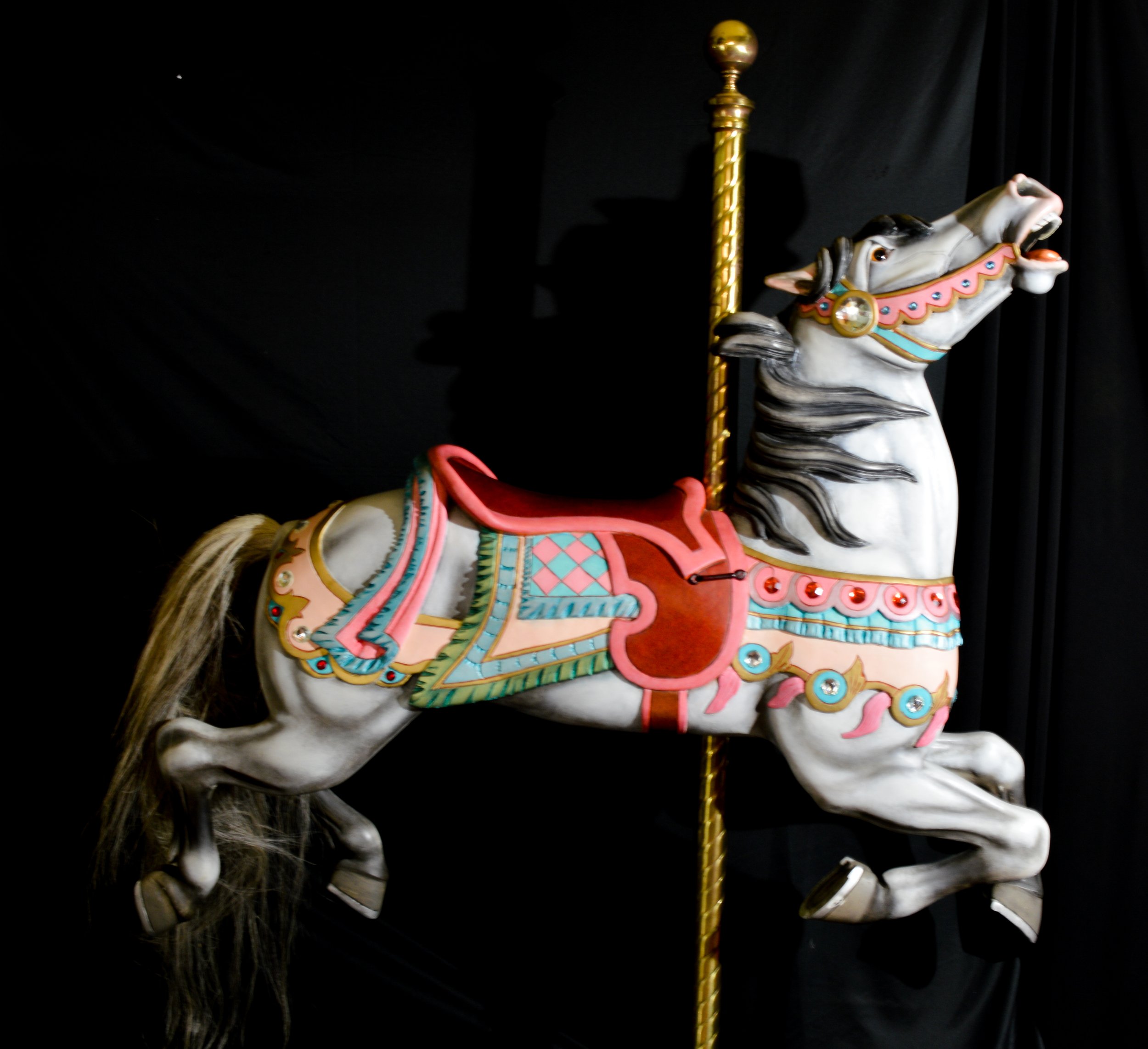
Carmel - Horse
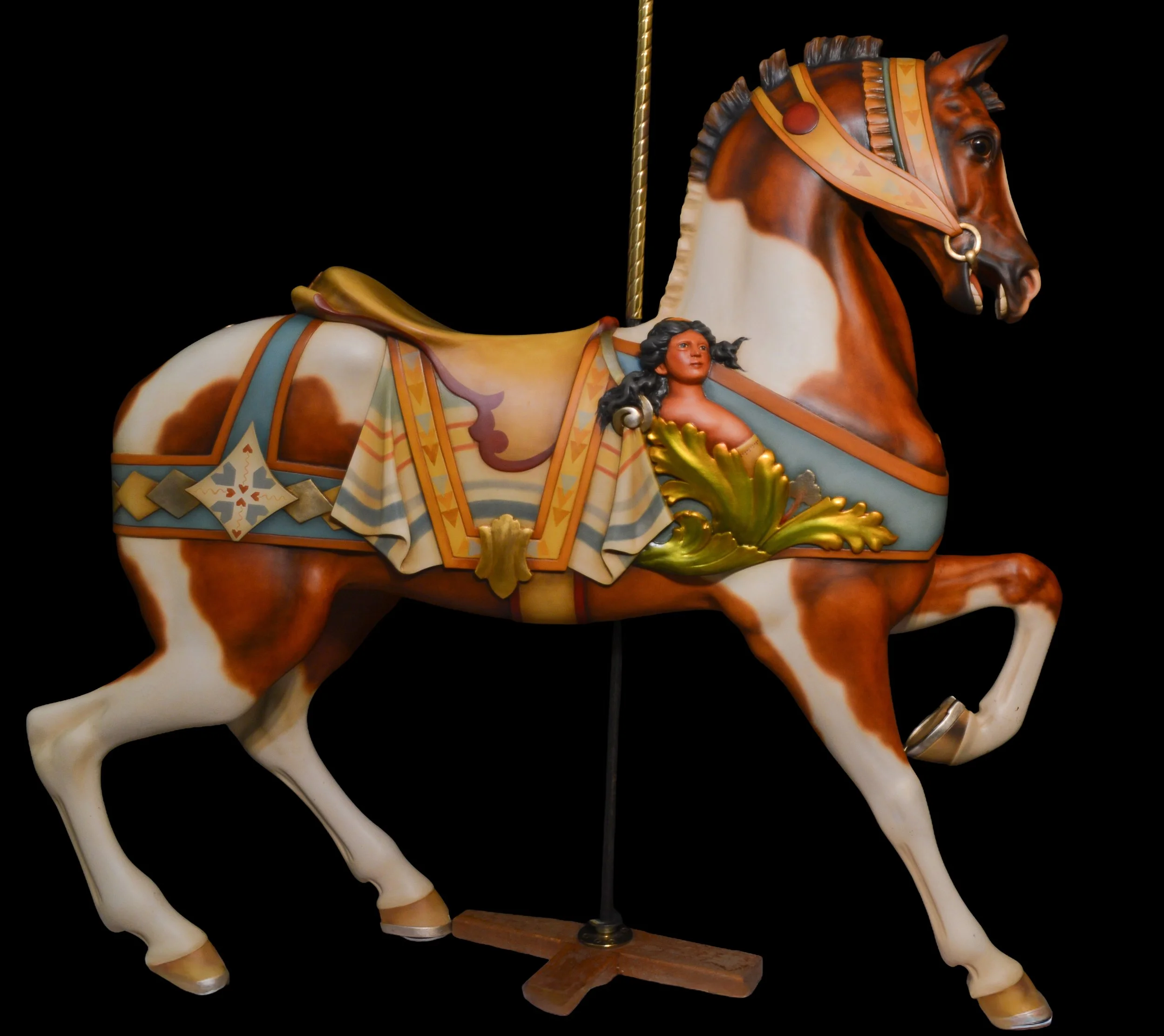
Dentzel - Horse
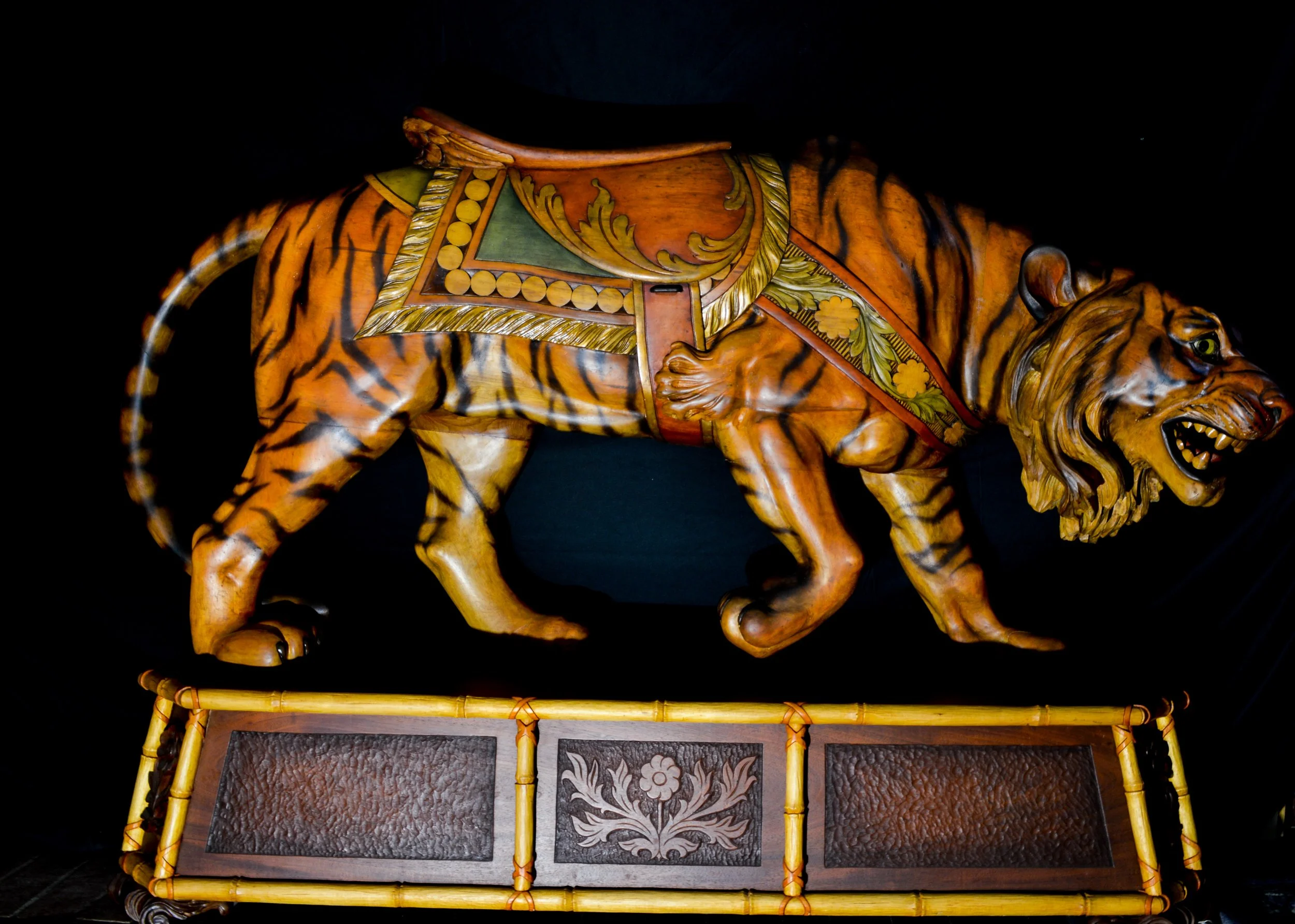
Looff - Tiger
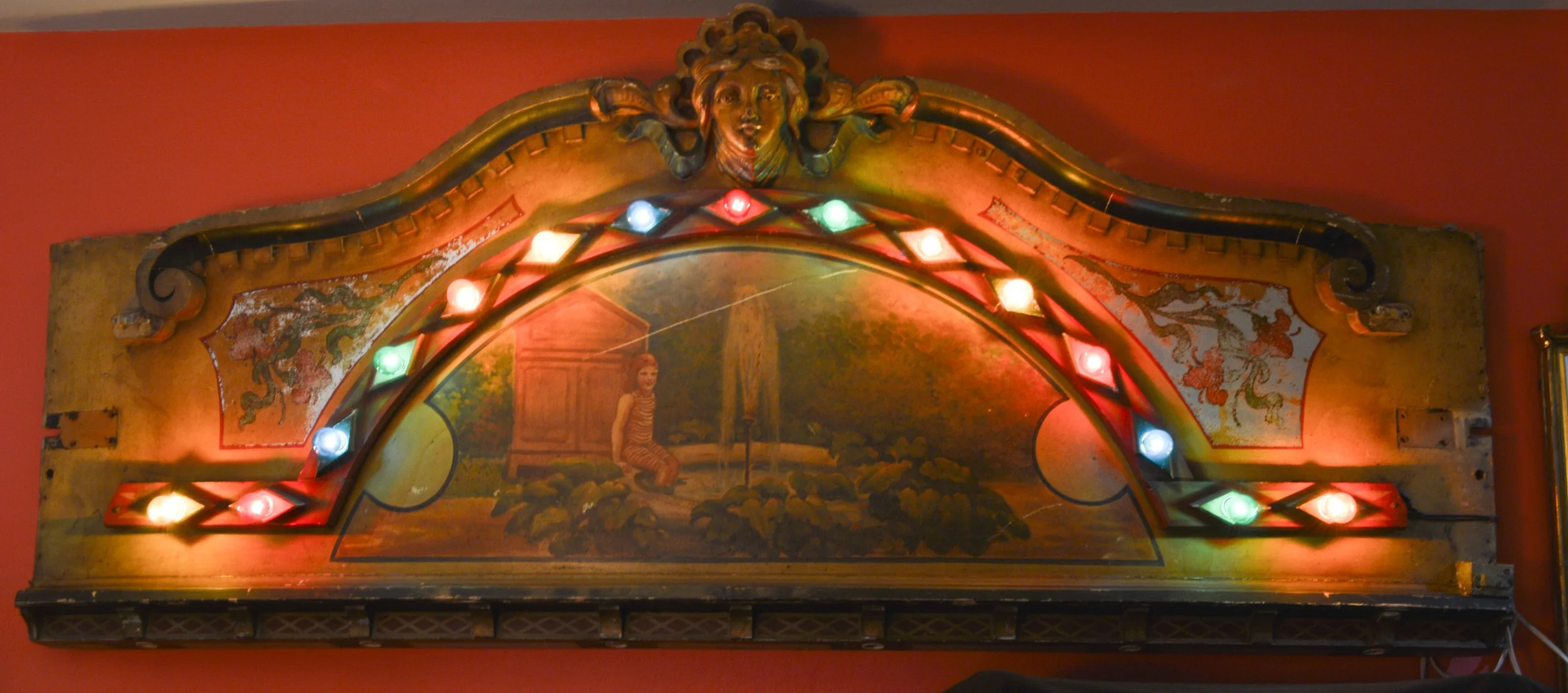
Herschell-Spillman - Rounding Board