
French Pieces
French carousel figures occupy a register of their own. The work is lighter, more theatrical, and more decorative than either the American or English traditions — closer in spirit to the fairground booths and traveling shows of late-nineteenth-century France than to a permanent amusement park. Gustave Bayol of Angers is the dominant name, and Bayol figures appear here across the range of his work: horses, a peacock, a child-sized rabbit, a Saint Bernard. Alongside Bayol, the collection includes work attributed to the Mathieu workshop and a body of unattributed French carving consistent with the period.
The French figures tend toward smaller scale than the American factory work, often built for children's carousels or smaller portable machines, and the carving prioritizes charm and character over the sculptural drama of the Coney Island school. A Bayol rabbit or a Mathieu figure carries its own visual logic — sweet-faced, animated, painted in a register that feels more like a fairground illustration than a carved monument. That doesn't make the work less serious. It makes it French.
Provenance for several of these figures traces through specific collections — most notably the Walt and Mary Lawrence Youree collection of Oregon City, an important source for French and other European material that moved into private American hands during the late twentieth century. Where that provenance is documented, the entry states it; where it isn't, the entry says so. Each entry combines direct observation, owner interview material, and independent research, with every claim labeled as reported, sourced, or inferred.

Bayol
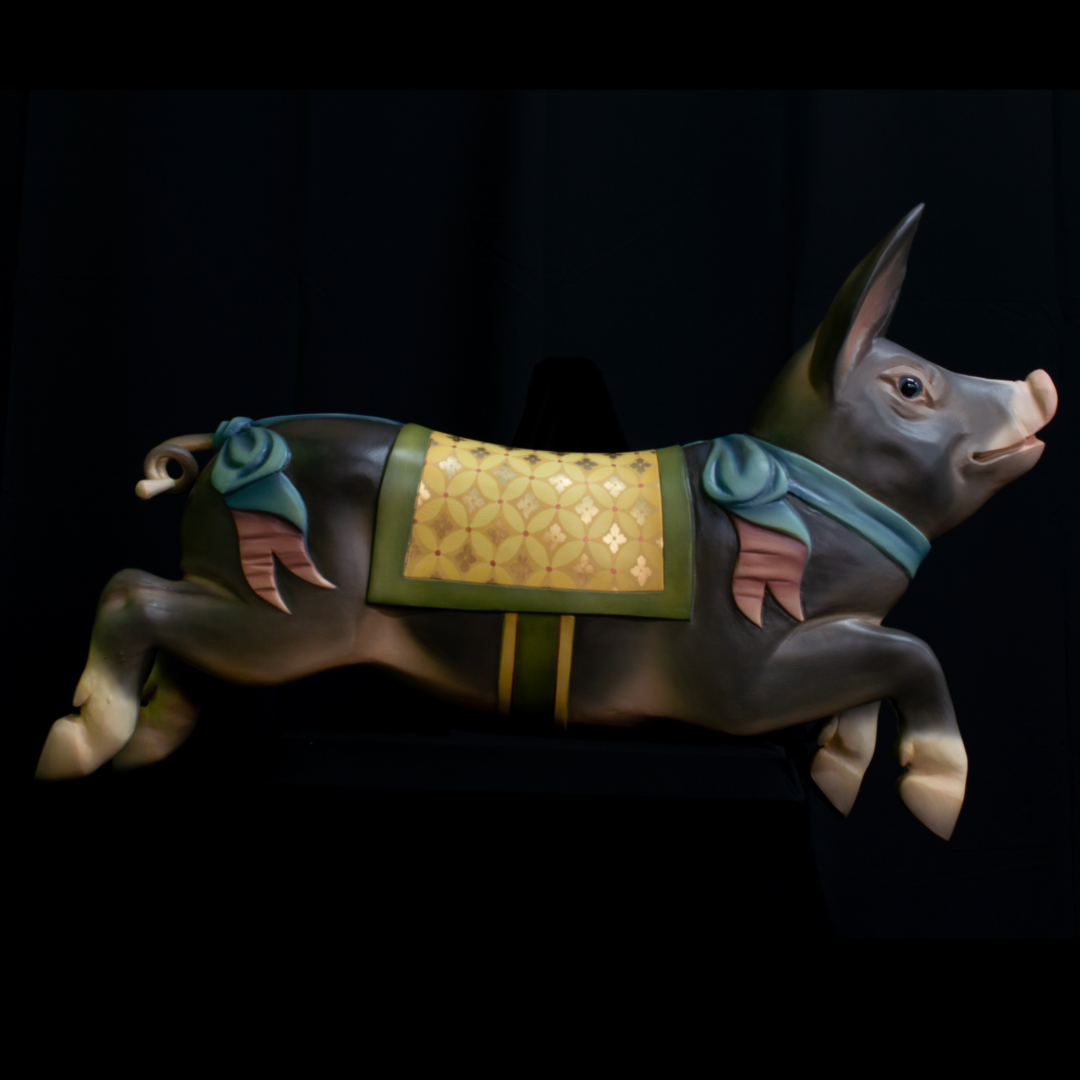
Bayol
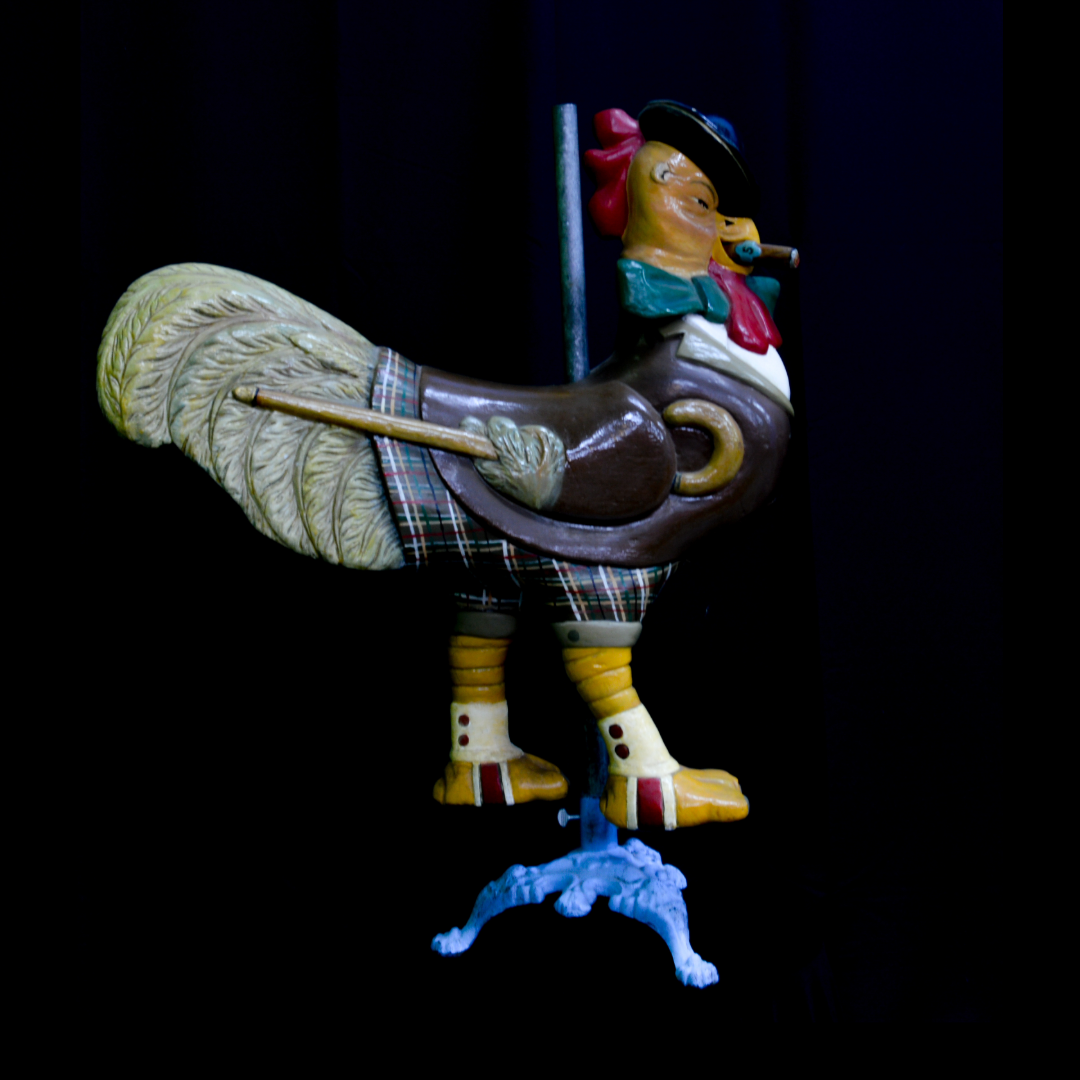
Unknown
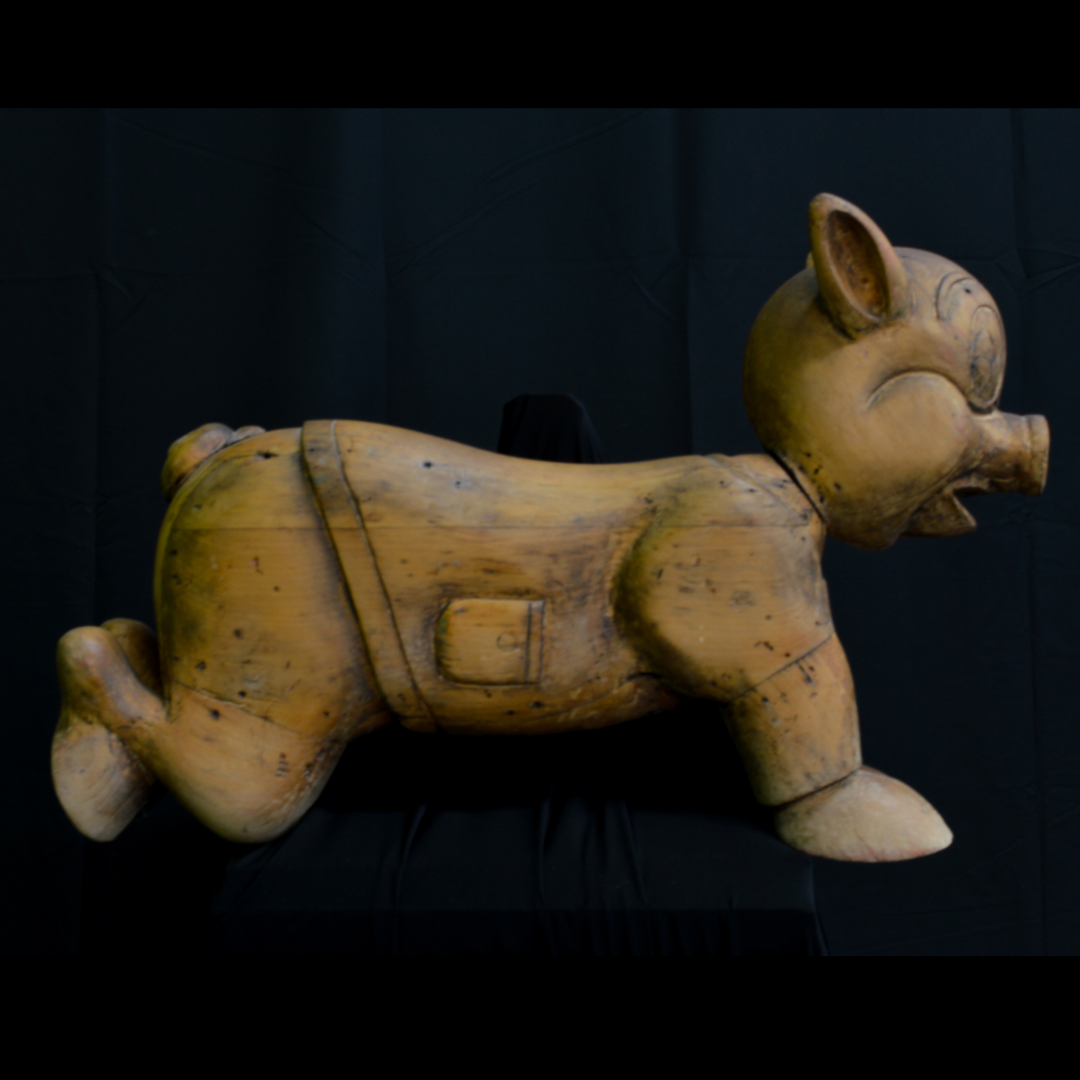
Unknown
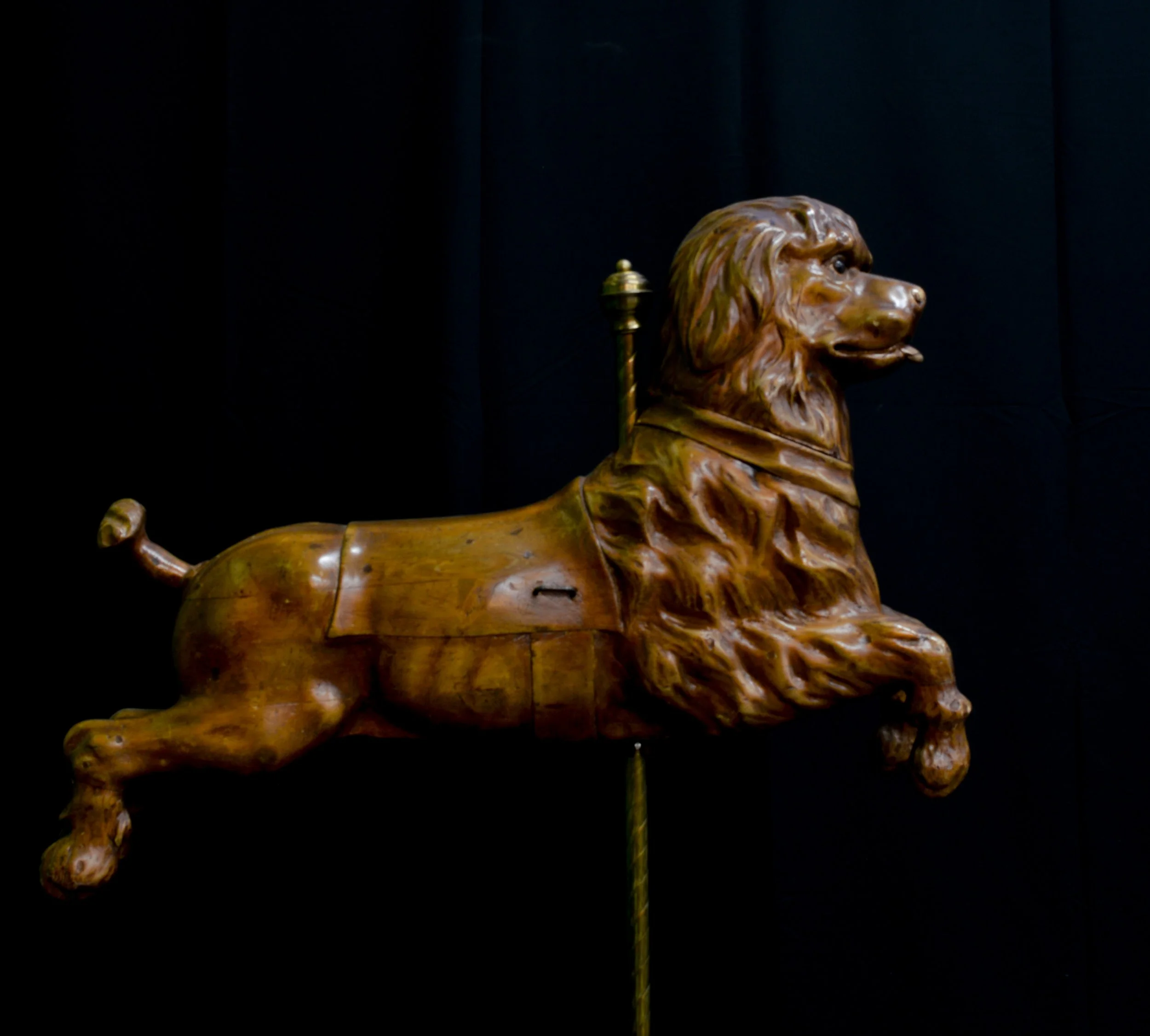
Unknown
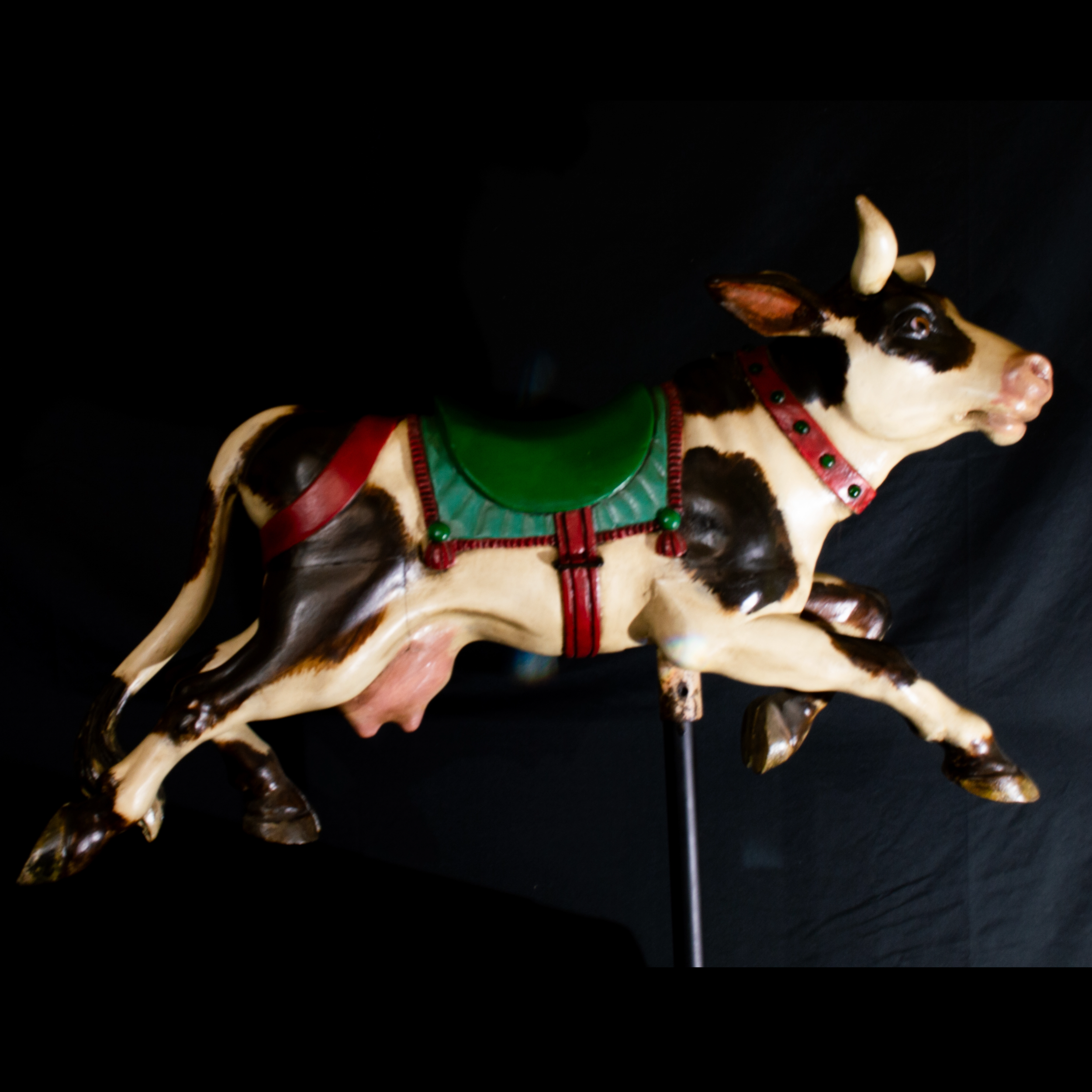
Mathieu Père & Fils - Cow
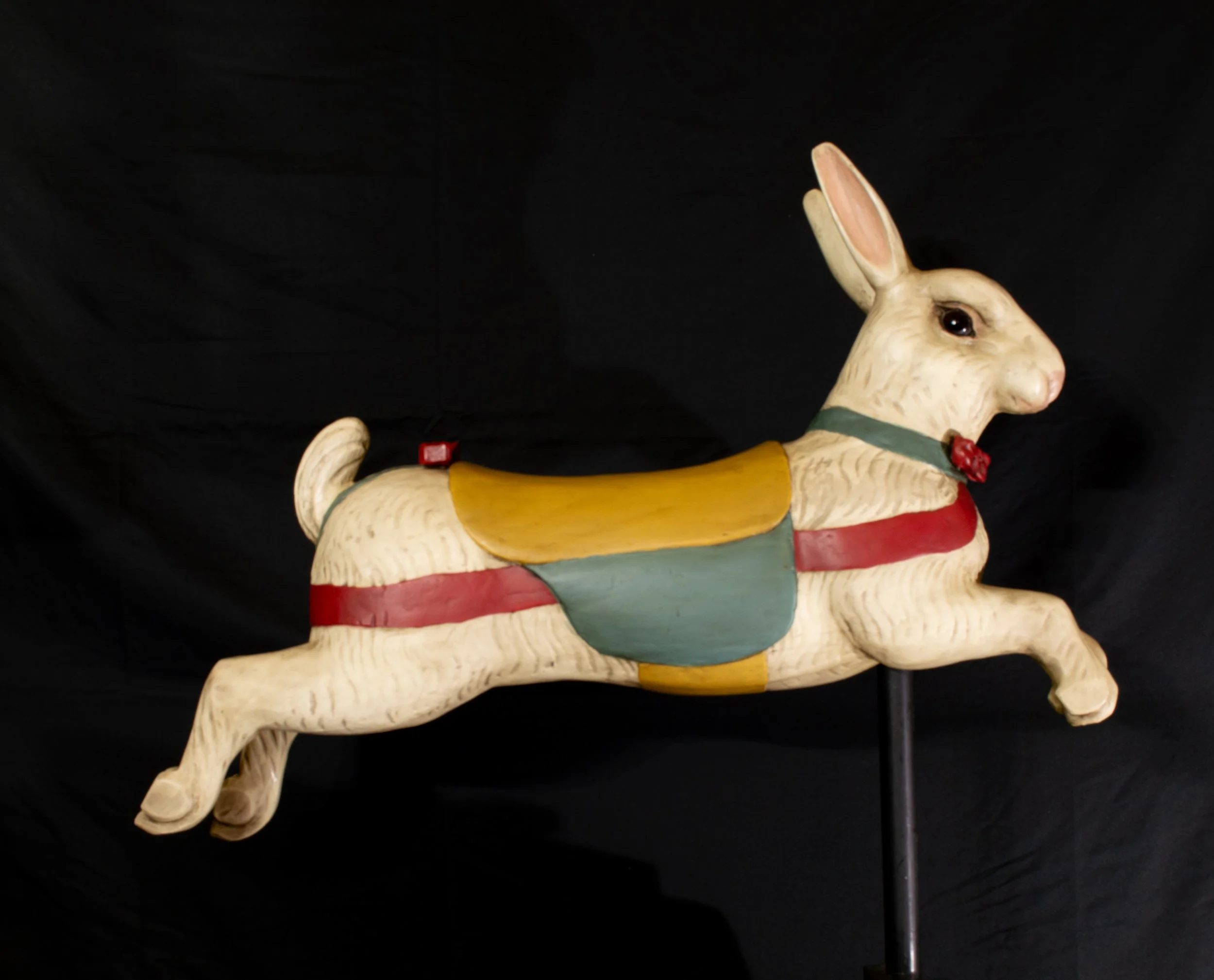
Bayol - Rabbit
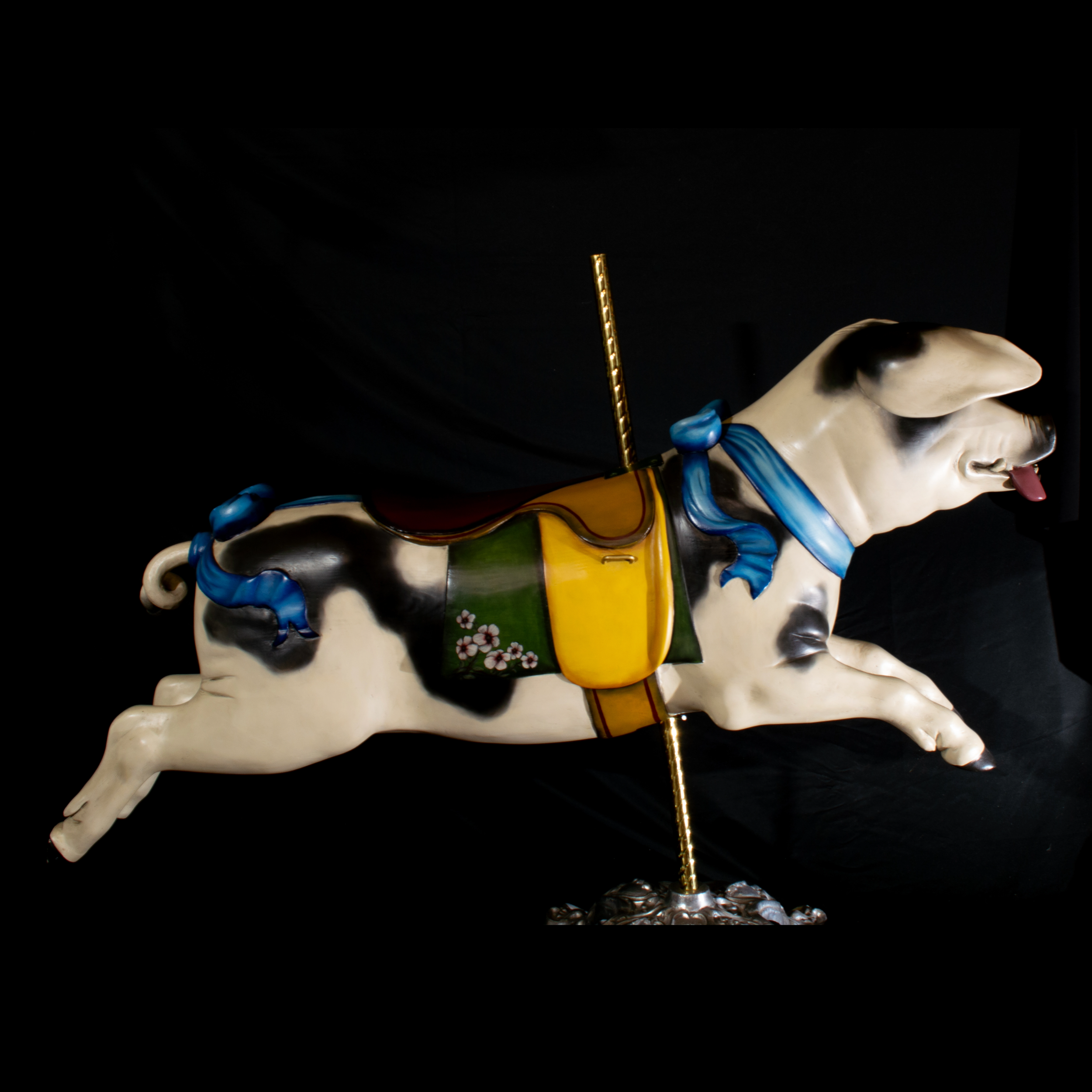
Bayol - Pig
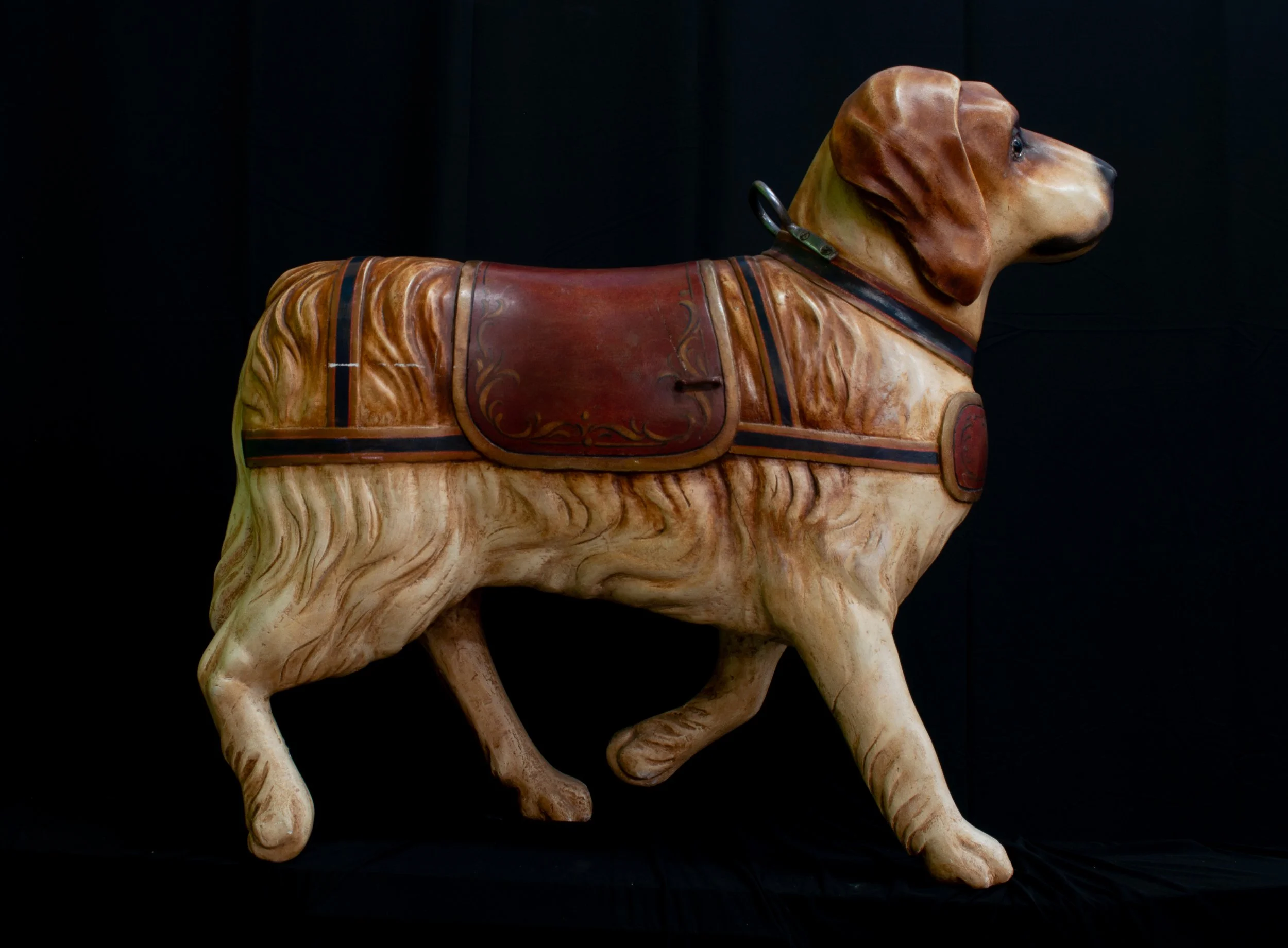
Unknown - St. Bernard