
Unknown Pieces
A substantial share of the cataloged collection falls under no confirmed maker attribution. This is not a gap in the catalog — it is the normal condition of the field. Carousel factories rarely signed their figures; individual carvers within a workshop were almost never identified by name; factory records that did exist were lost in fires, bankruptcies, and the long collapse of the American carousel industry in the mid-twentieth century. A century of repainting, restoration, and remounting has buried what marks survived. For European and Mexican work, the documentary record is thinner still.
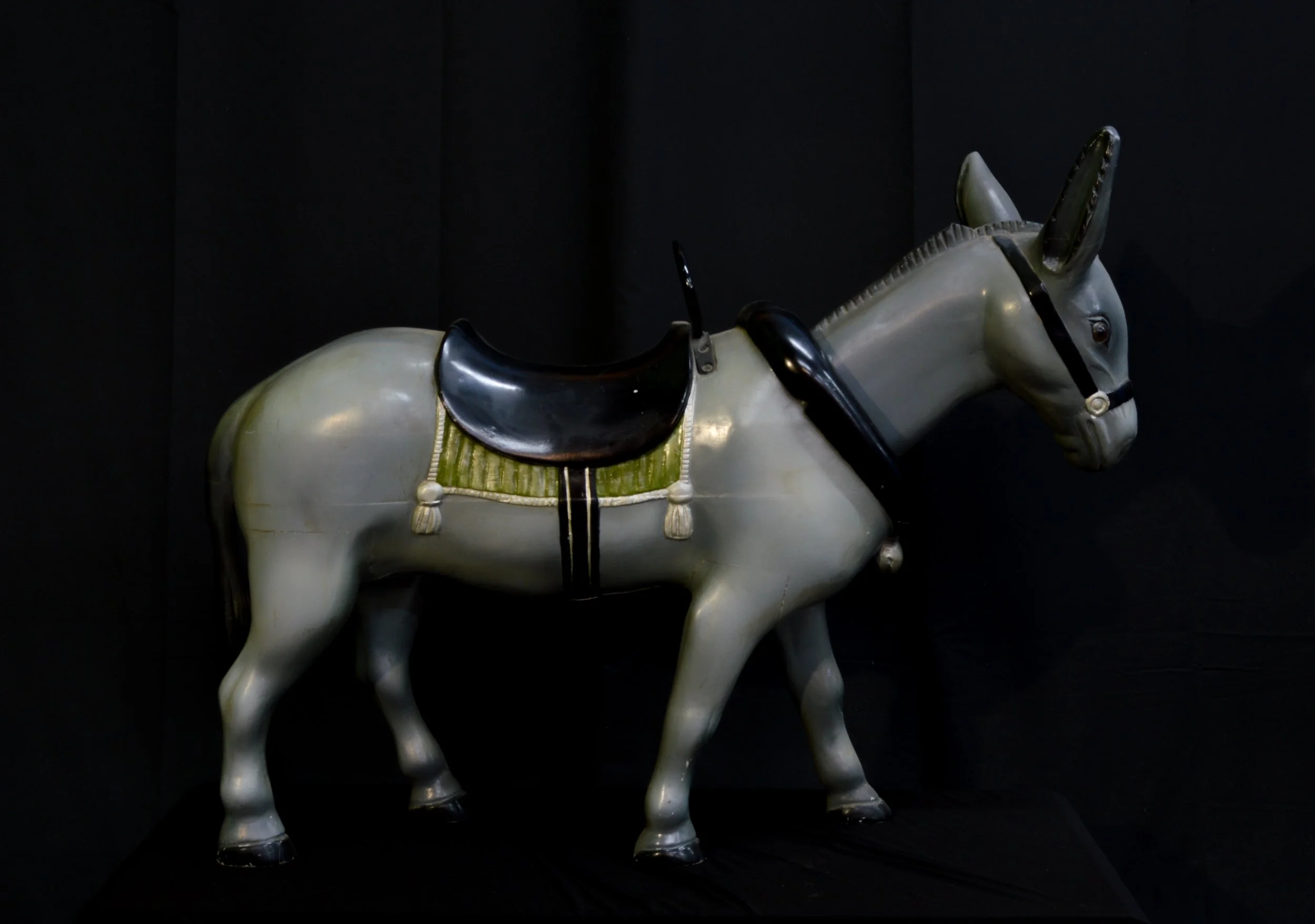
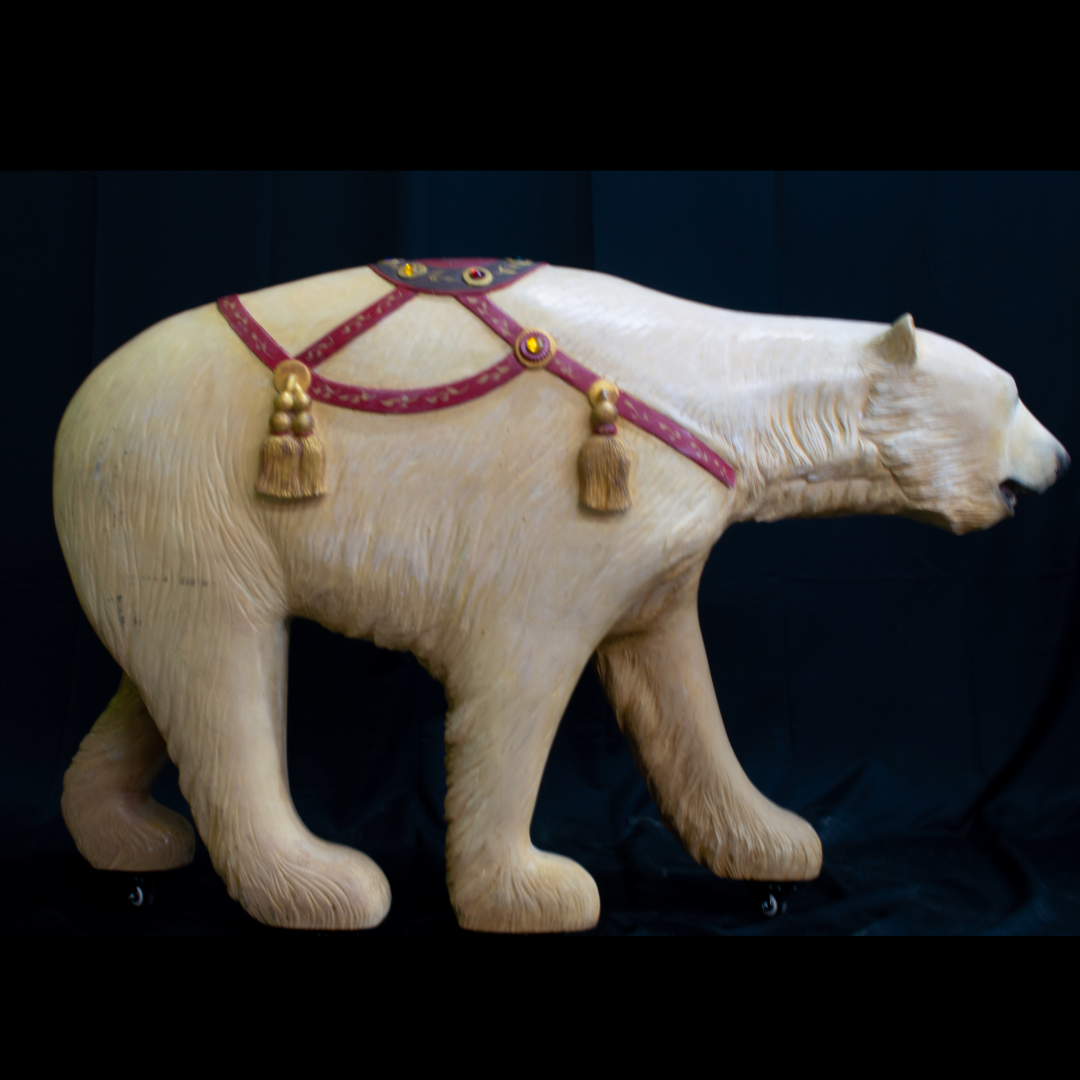
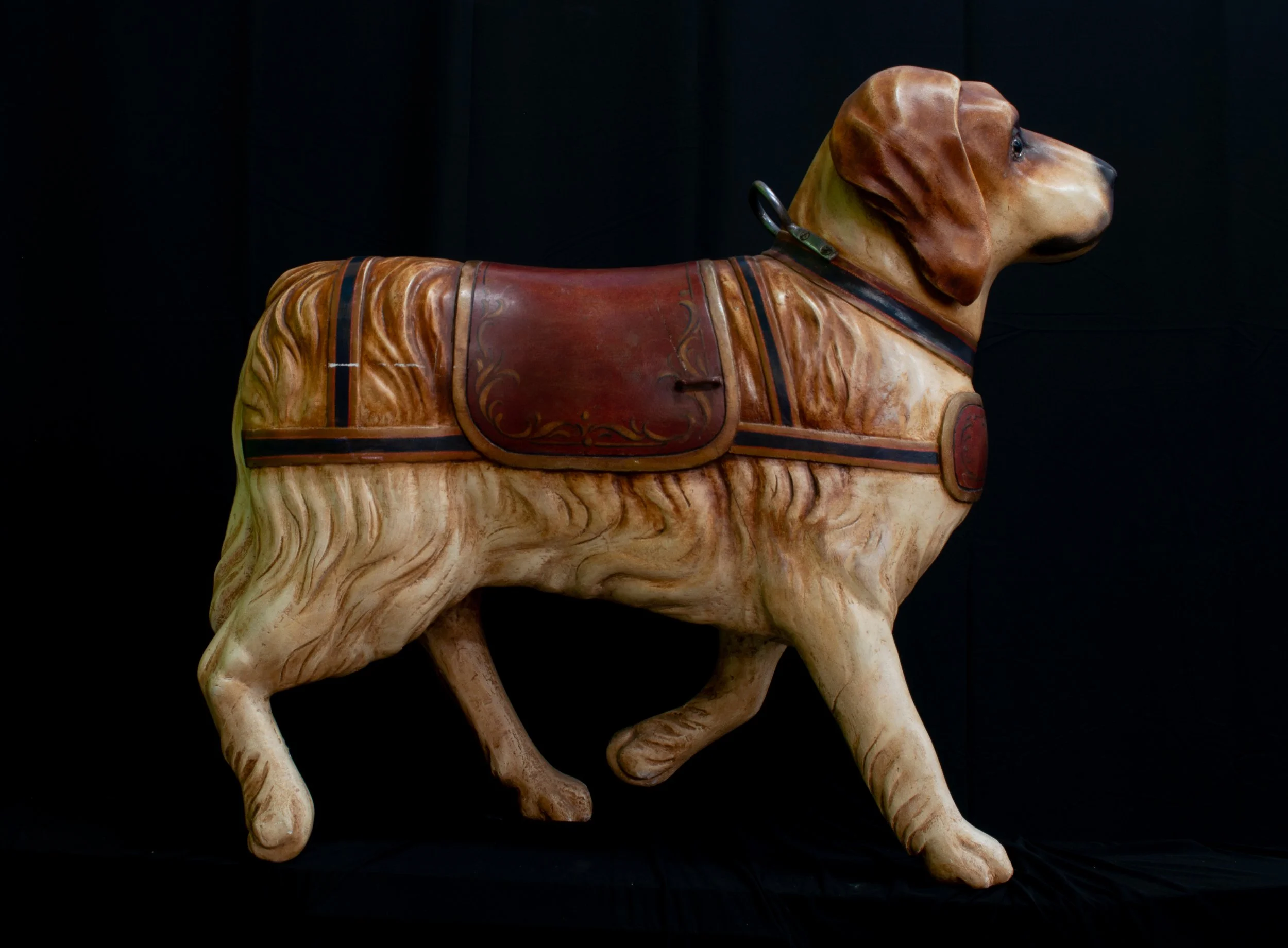
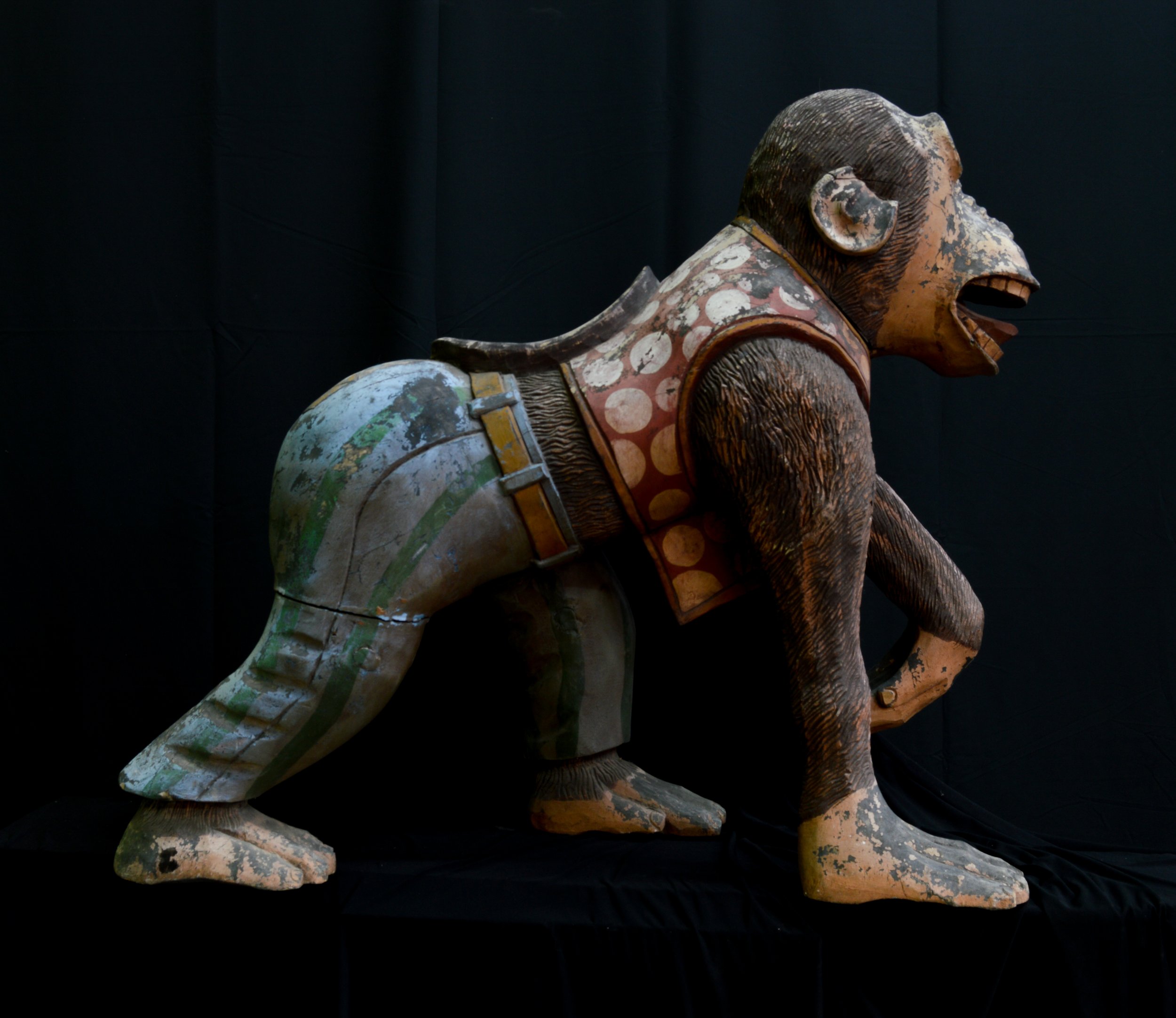
The figures gathered on this page span the full range the collection covers — major American factory work, country-fair carving, European fairground figures, and Mexican folk pieces — but share one condition: the evidence for a confirmed maker attribution is not there. In some entries, stylistic features point toward a school or a region without being definitive enough to name a specific workshop. In others, the figure is consistent with a documented type but the line of provenance breaks at the dealer or auction record. In a few, the figure is unusual enough that the field has no clear comparable at all.
What these entries share is a discipline of restraint. Where stylistic correspondence suggests a possible attribution, the entry says so and labels the suggestion as inferred. Where the owner's account points toward a maker the documentary record cannot independently confirm, the entry presents both and labels them appropriately. Where the figure resists attribution entirely, the entry says that too. The goal across the collection is a record that tells the truth about what is established and what is not — and on this page in particular, that distinction is the entire editorial standard. Each entry combines direct observation, owner interview material, and independent research, with every claim labeled as reported, sourced, or inferred.
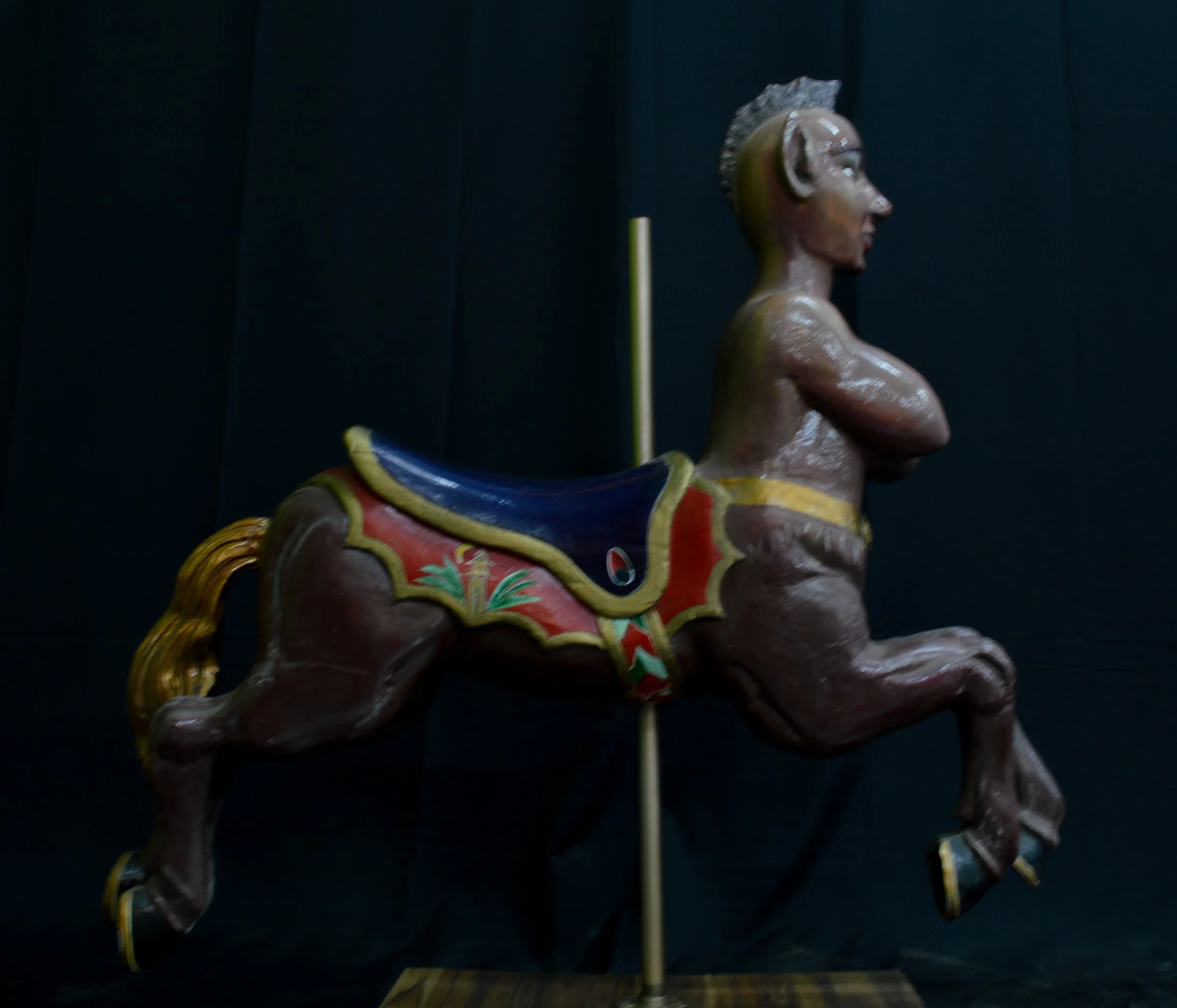
Unknown
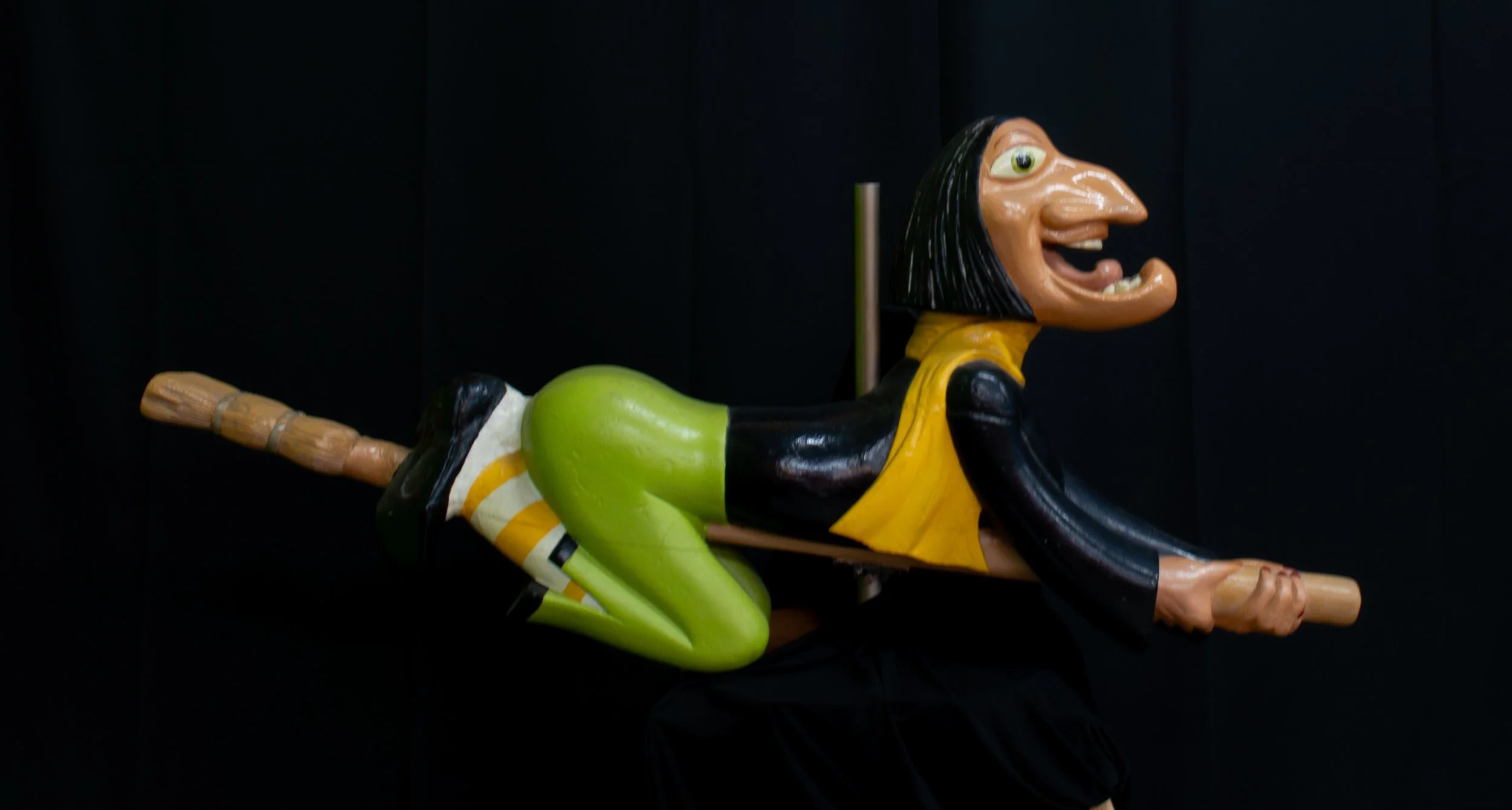
Unknown
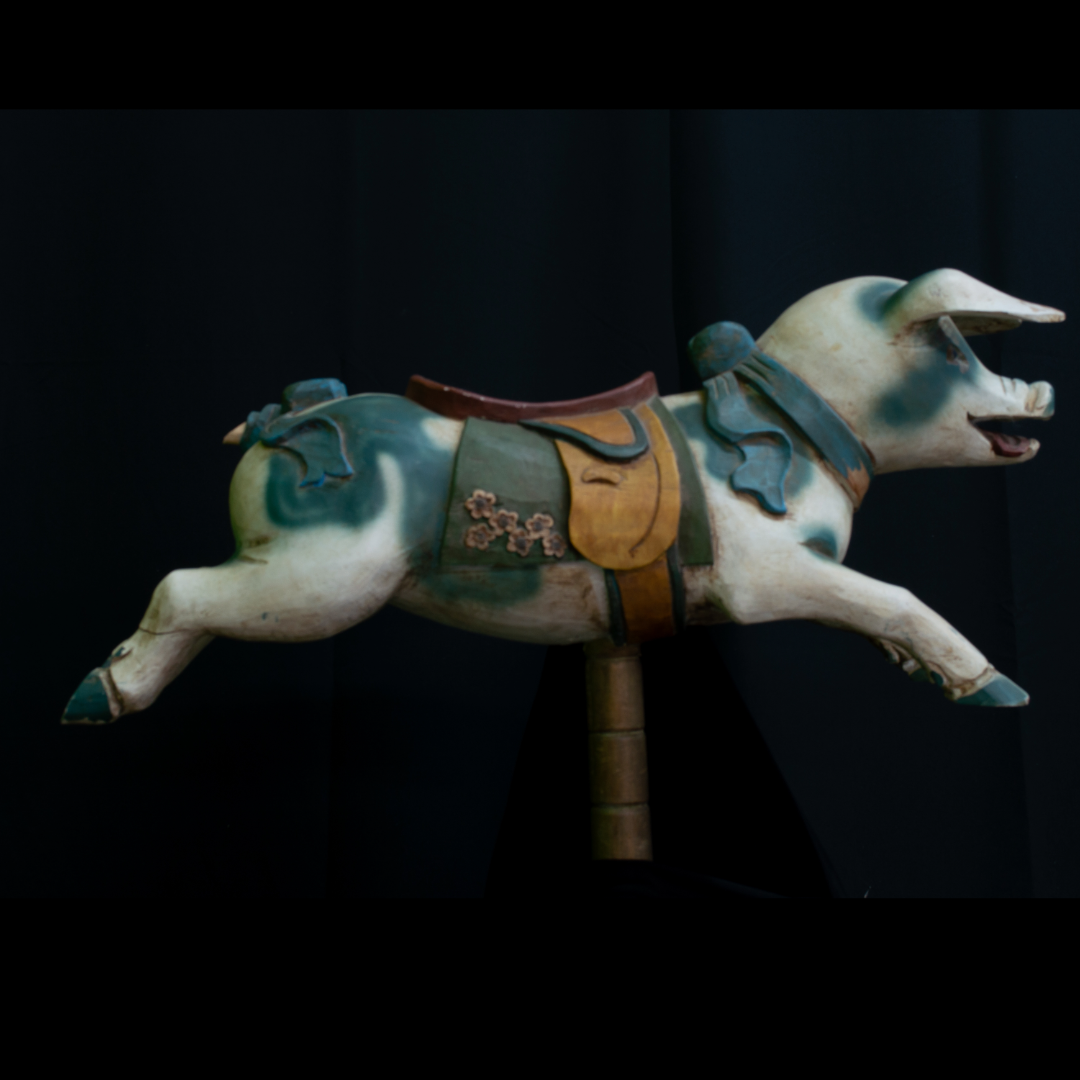
Unknown
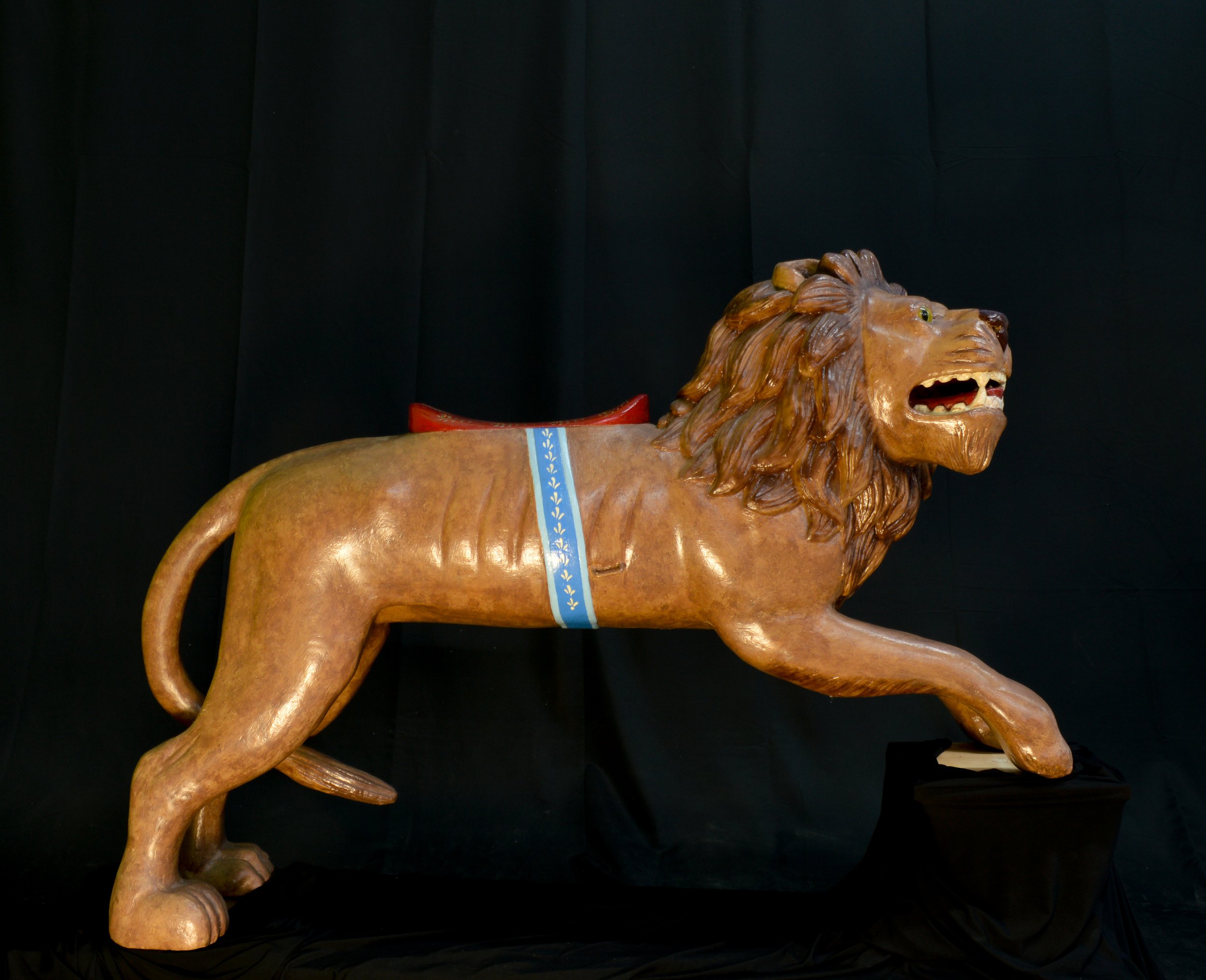
Unknown
Unknown
Unknown
Unknown
Unknown